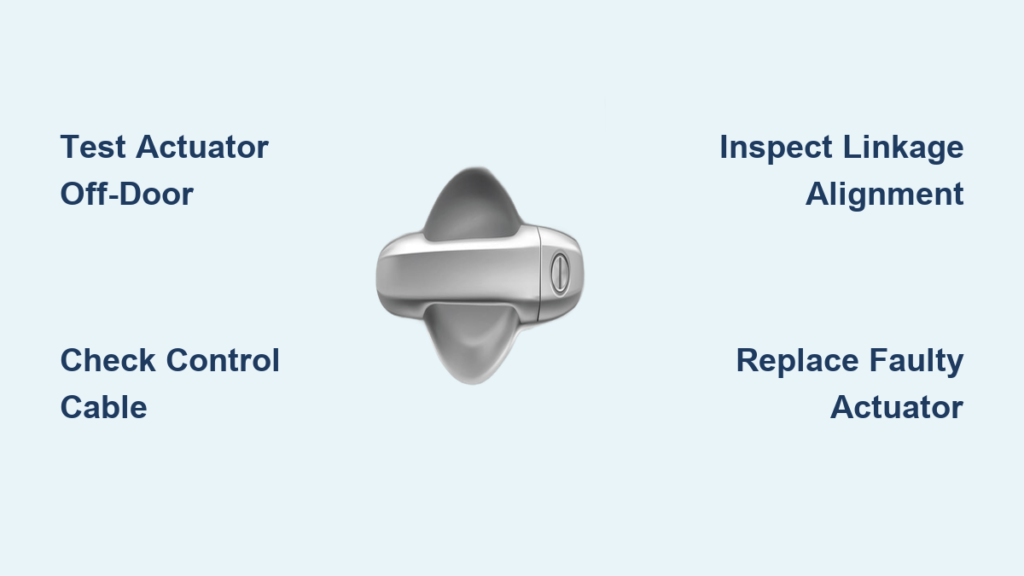
You push the key in, twist it smoothly, yet the door stays firmly shut. This frustrating scenario where the key turns but lock won’t open often signals a hidden mechanical disconnect inside the hardware. It feels like magic, but the issue usually lies in worn internal parts or misalignment rather than a broken key.
This guide helps you diagnose why your key turns but lock won’t open across doors, cars, and padlocks. You will learn specific repair steps, how to spot critical failures, and when to call a professional. Follow these proven methods to restore access without causing costly damage to your property.
Identify Your Specific Lock Type First

Different mechanisms fail in unique ways, so identifying your lock type is the first step. Pinpointing the exact hardware helps you narrow down likely causes and choose safe solutions.
Door Locks: Knob, Deadbolt, or Lever
Interior and exterior door locks often suffer from misaligned components or worn gears. If the key turns but lock won’t open, the issue likely lies beyond the cylinder itself.
- Deadbolts: Common on exterior doors where the bolt fails to retract due to warping.
- Knob locks: Often used indoors where the internal mechanism disengages from the cylinder.
- Lever handles: Found in commercial buildings where the clutch mechanism fails.
Pro Tip: Test if the lock works from the inside using the thumb turn. If it works inside, the problem is likely the cylinder or keyway, not the bolt.
Car Door Locks: Key Entry vs. Ignition
Car locks present unique challenges because moisture and corrosion affect them frequently. A key turns but lock won’t open situation in a vehicle often points to linkage failure.
- Door cylinder: The key turns but does not move the rod connected to the latch.
- Ignition lock: The key turns but fails to start the car, which is a separate switch issue.
Moisture, corrosion, and worn plastic connectors are common culprits in vehicles, especially older models with high mileage.
Padlocks: Shackle Jam or Internal Shear Pin Failure
Padlocks rely on precise alignment between the cylinder and the locking bolt to function correctly. If the key turns but lock won’t open, the shear pin or internal cam may be broken.
- Small padlocks are prone to dirt accumulation and corrosion.
- Larger models may have replaceable cylinders that can detach completely.
Try wiggling the shackle while turning the key gently. If it suddenly releases, internal binding was likely the issue causing the jam.
Check for Common Mechanical Failures
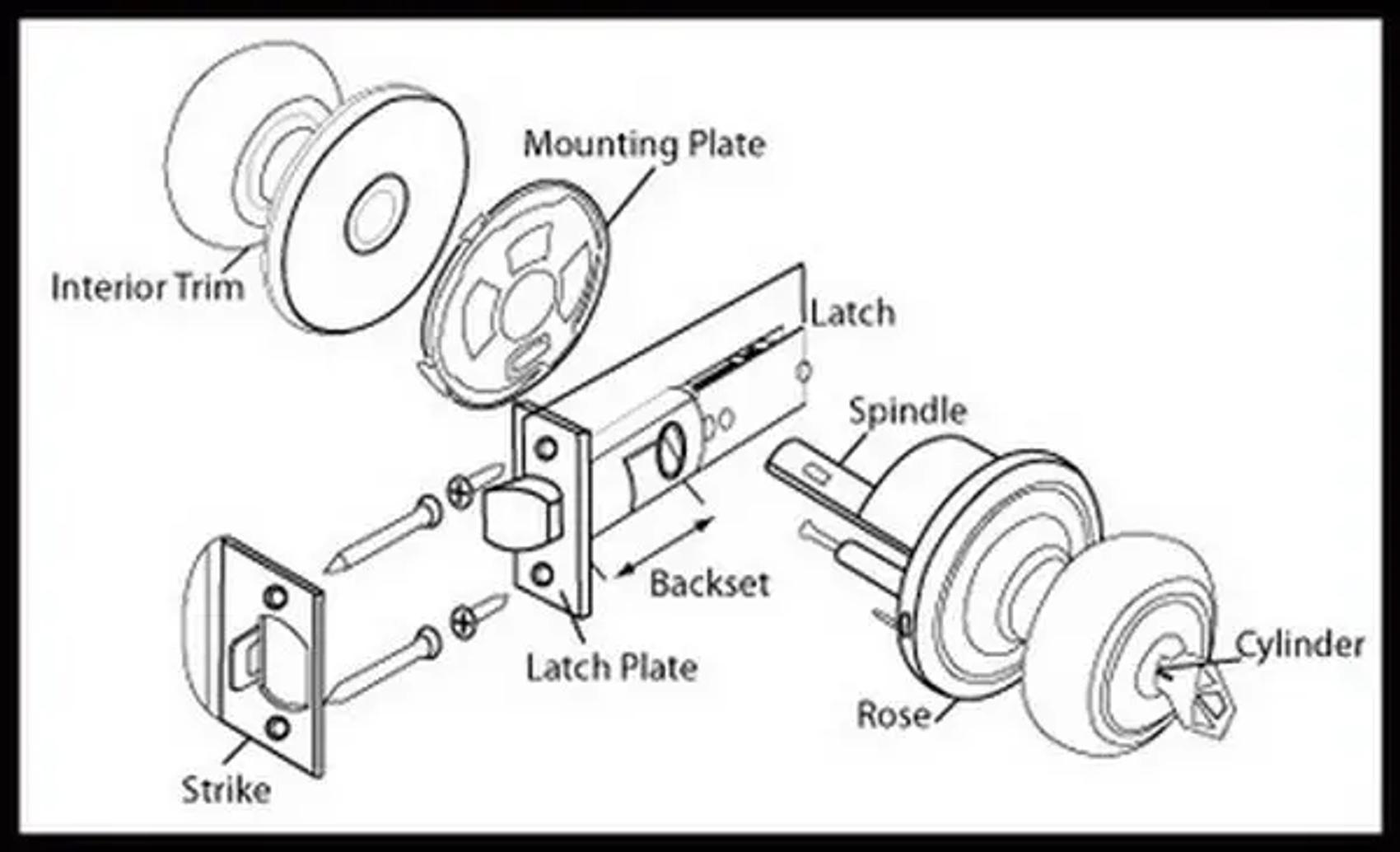
When the key rotates freely but nothing happens, the cylinder is moving without driving the actual locking mechanism.
Cylinder Spinning Without Engaging
In many cases, the lock cylinder rotates but does not connect to the tailpiece or cam. This disconnect means there is no mechanical transfer of motion to the bolt.
Symptoms include:
* Key turns 360 degrees with absolutely no resistance
* No clicking or locking sound occurs
* Door remains locked despite full rotation
Common causes:
* Worn or broken tailpiece inside the assembly
* Loose set screw on the cylinder housing
* Cylinder pulled out slightly, common in older deadbolts
Fix: Remove the lock cylinder and inspect the tailpiece immediately. Reattach or replace the part if it looks loose or damaged.
Bolt or Latch Is Jammed
Even if the mechanism works perfectly, the bolt might be physically stuck in the frame.
Check for these issues:
* Wood swelling during humid weather conditions
* Misaligned strike plate on the door frame
* Paint buildup around the bolt head
Test method: Apply slight pressure to the door by pushing, pulling, or lifting while turning the key. If it suddenly opens, the bolt was binding against the frame.
Internal Linkage Disconnected
Especially in cars and older doors, metal or plastic rods connect the cylinder to the latch mechanism.
Signs of disconnection:
* Key turns, but no movement is heard inside
* Door handle feels unusually loose or floppy
* Manual operation from the inside works fine
Solution: Open the door panel in a car or remove the trim on a door to inspect the linkage. Reconnect any detached rods to restore function.
Lubricate Before Forcing Any Movement
Forcing a stuck lock risks breaking internal parts permanently. Always try lubrication first to rule out friction issues.
Use Graphite or Silicone Lubricant
Not all lubricants are equal for this task. Avoid oil-based sprays like standard WD-40 for long-term use since they attract dust and gum up.
Best options for repair:
* Graphite powder: Ideal for door and padlock cylinders
* Silicone spray: Great for car locks and weather-exposed units
* Teflon dry lube: Leaves no residue behind
Application steps:
1. Spray or insert lubricant directly into the keyway
2. Insert and remove the key 5 to 10 times to distribute
3. Wait 5 minutes, then try turning the key again
Warning: If the key turns more smoothly but still does not unlock, the issue is mechanical, not friction.
Diagnose with Visual Inspection

Sometimes you need to see inside the mechanism to know exactly what is wrong.
Remove the Lock Cylinder
For door and padlock types, removing the cylinder lets you inspect internal parts closely.
Steps for removal:
1. Remove screws from the lock body carefully
2. Pull out the cylinder from the housing
3. Check for broken cam or tailpiece parts
4. Look for corroded springs or missing pins
Note: If the cam does not turn when the key is rotated, the cylinder is faulty and needs replacement.
Inspect Padlock Internals
Padlocks can be disassembled on many models for deeper inspection.
- Use a small punch to drive out the retaining pin
- Separate the casing gently
- Look for broken shear pins or worn locking bolts
- Check for misaligned cylinder cams
Replace damaged parts or the entire unit if repair is not feasible based on your findings.
Test the Key and Keyway Condition
A worn key or dirty keyway can mimic mechanical failure in the lock body.
Try a Duplicate or Spare Key
Keys wear down over time with daily use. A worn key may turn but not lift pins correctly, failing to release the lock.
Tip: If a spare key works, the original is likely worn. Get a fresh cut from the original code or a new master key.
Clean the Keyway Thoroughly
Debris, rust, or gum can block proper pin movement inside the chamber.
Cleaning steps:
1. Shine a flashlight into the keyhole deeply
2. Use compressed air to blow out dust particles
3. Insert a dental pick to remove hardened gunk
4. Re-lubricate and retest the mechanism
Never use excessive force during cleaning, or you could break the key inside the lock.
Fix or Replace: Making the Call

Some issues are easily repairable, while others require full replacement of the unit.
Repairable Cases
You can fix the lock yourself if specific conditions are met.
- Linkage is disconnected and can be reconnected
- Lubrication resolves stiffness issues
- Cylinder tailpiece is loose and needs a set screw tightened
- Strike plate is misaligned and needs screw adjustment
Time estimate: 15 to 30 minutes for most repairs.
When to Replace the Lock
Replace the unit if the damage is too severe for simple fixes.
- Cylinder spins freely with no engagement possible
- Internal parts are cracked or missing entirely
- Key turns but no internal movement is observed
- Repeated issues occur after cleaning and adjustment
Pro advice: Upgrade to a higher-grade lock, such as ANSI Grade 1, for exterior doors to prevent future failures.
Prevent Future Lock Failures
Avoid repeat issues with regular maintenance and care routines.
Schedule Quarterly Lock Maintenance
Keep locks working smoothly with simple care tasks every few months.
Routine steps:
* Lubricate keyholes every 3 to 4 months
* Check door alignment seasonally for shifts
* Replace worn keys before they fail completely
* Tighten mounting screws on deadbolts regularly
Upgrade to Smart or High-Quality Mechanical Locks
Consider modern alternatives to reduce mechanical reliance.
- Smart locks with key backup options
- Euro cylinder locks with anti-snap features
- Weather-resistant padlocks for outdoor use
These upgrades reduce reliance on aging mechanical systems that fail over time.
Emergency Workarounds to Try
Use these methods only when you are locked out and need immediate access.
Bump the Door While Turning Key
Sometimes vibration helps free a stuck bolt from its frame.
Method:
1. Turn the key to the unlock position gently
2. Gently bump the door near the lock with your palm
3. Maintain turning pressure while bumping
This works best on older doors with loose frames or slight misalignment.
Use a Credit Card for Spring Latches
This method only works on specific interior door types.
Only works on:
* Interior doors with slanted latch bolts
* Situations with no deadbolt engaged
How to proceed:
1. Slide card between door and frame carefully
2. Angle toward the latch bolt
3. Apply pressure while wiggling the card down
Does not work on deadbolts or most exterior locks with square bolts.
Frequently Asked Questions About Key Turns But Lock Won’t Open
Why does my key turn but the deadbolt won’t retract?
This usually means the tailpiece connecting the cylinder to the bolt is broken or disconnected. The cylinder spins freely without transferring motion to the locking mechanism. You must remove the lock to inspect and replace the tailpiece.
Can I fix a car door where the key turns but won’t open?
Yes, often the plastic clip connecting the lock cylinder to the internal rod has snapped. You need to remove the door panel to reconnect or replace the linkage rod. Moisture corrosion can also cause this issue in older vehicles.
Is WD-40 safe to use when a key turns but lock won’t open?
No, standard WD-40 attracts dust and gum up over time. Use graphite powder or silicone-based lubricants instead for long-term results. These dry lubricants will not trap debris inside the mechanism.
How do I know if I need a new lock or just a repair?
If the cylinder spins 360 degrees with no resistance, the internal cam is likely broken. If lubrication and realignment fail, replacement is necessary. Repair is only viable for loose linkages or minor misalignments.
Will a worn key cause the lock to turn without opening?
Yes, a worn key may turn the cylinder but fail to lift the pins to the correct height. Try a spare key to see if it works. If the spare works, your original key is too worn and needs replacement.
Key Takeaways for Fixing When Key Turns But Lock Won’t Open
The issue where the key turns but lock won’t open is usually a mechanical disconnect rather than a problem with the key itself. By systematically checking the cylinder, linkage, bolt, and alignment, you can often restore function without a locksmith. Lubricate first, inspect next, and replace only when necessary to save money.
Regular maintenance prevents most failures before they leave you stranded. If you find broken internal components or feel unsure about disassembly, consult a professional, especially for high-security or automotive locks.