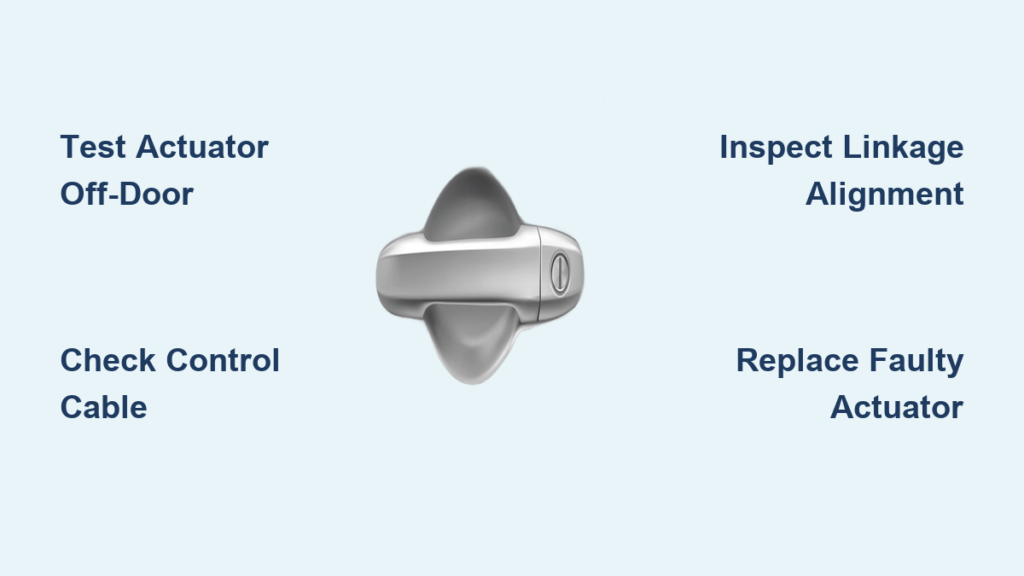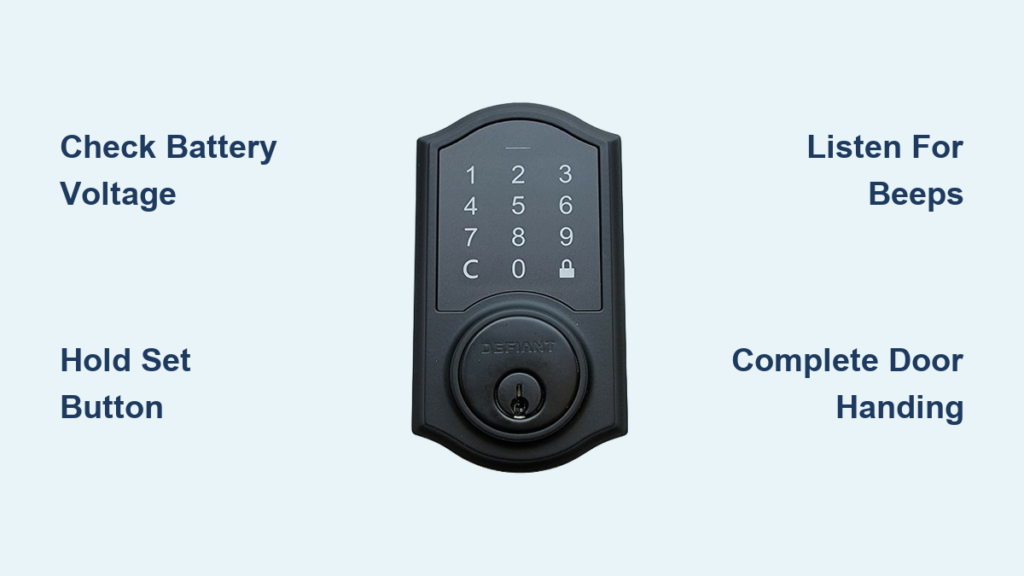
You reach for the handle to enter your home, but it wobbles or fails to latch properly. This frustrating moment reveals how much your security depends on the specific components of a door handle lock working in unison. A single worn part can compromise the entire system, leaving your property vulnerable to intrusion or accidental lockouts.
This guide details every critical piece within your door hardware assembly. You will learn the function of each component, how to diagnose common failures, and which parts require immediate replacement to restore smooth operation and safety.
Identify the Handle or Lever Mechanism
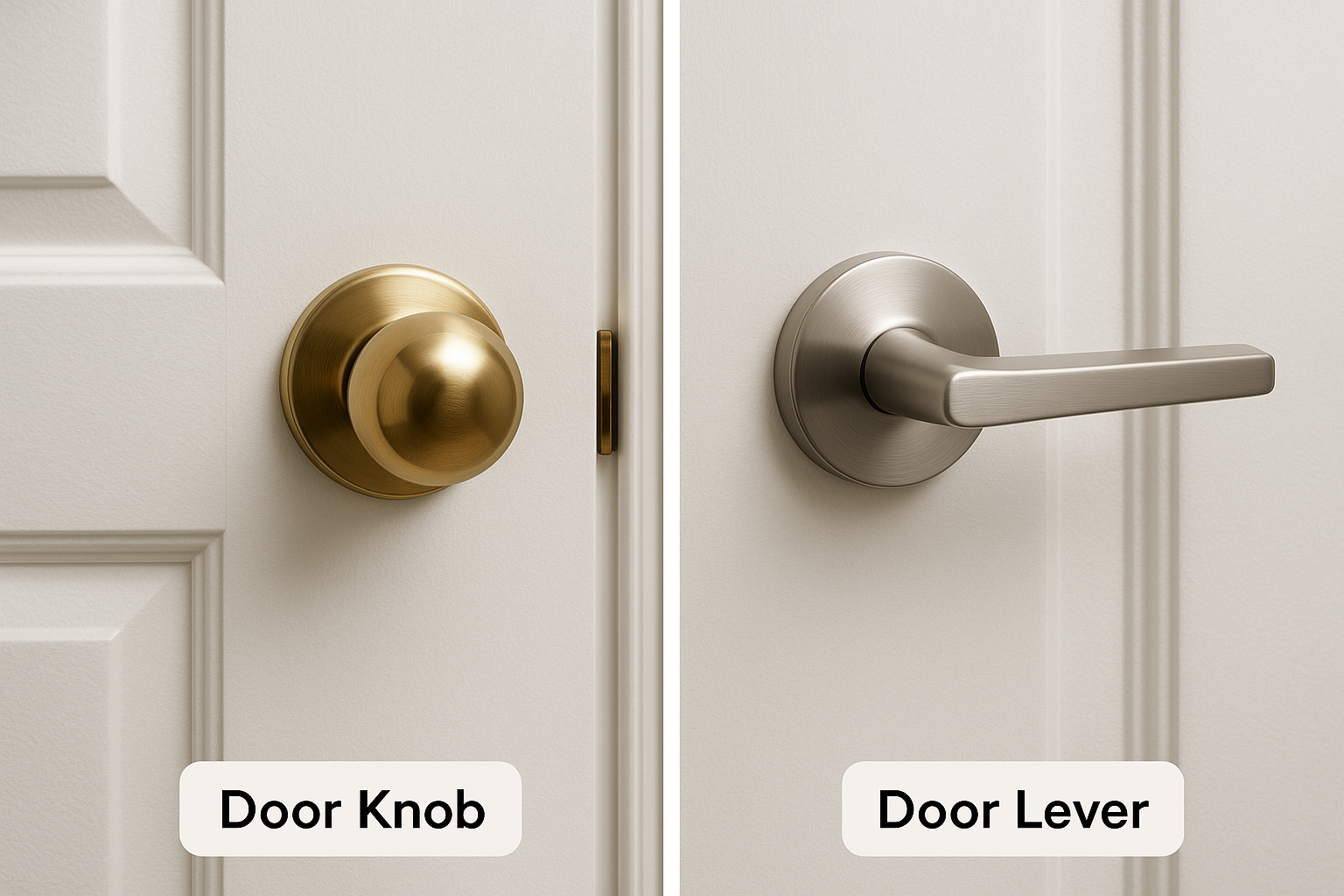
The handle or lever serves as the primary interface between you and the door locking system. It is the part you physically grasp to initiate the opening sequence.
How Handles Activate the Lock
When you apply downward pressure or rotate the knob, you transfer force to the internal spindle. This action rotates the spindle, which subsequently retracts the latch bolt. In non-locking passage sets, this is the sole function. In keyed or privacy models, the handle works alongside a locking mechanism to secure the door.
Common Handle Styles
- Lever handles: Provide excellent leverage for users with limited grip strength.
- Round knobs: Offer a traditional aesthetic common in older residential properties.
- Pull handles: Designed specifically for sliding doors or barn-style entries.
- Ergonomic levers: Engineered to reduce wrist strain during frequent use.
Pro Tip: Select lever handles for high-traffic areas or accessible entrances to ensure ADA compliance and ease of use.
Analyze the Latch Mechanism Function
The latch is a spring-loaded bolt that extends from the door edge into the frame. It keeps the door securely closed until you activate the handle.
Latch Retraction Process
Pressing the handle rotates the spindle, which turns a cam inside the latch assembly. This cam pulls the angled latch bolt back into the door body, clearing the strike plate. Once you release the handle, an internal spring pushes the bolt forward again.
Visual Cue: A healthy latch slides smoothly without grinding noises or sticking.
Frequent Latch Issues
- Sticking bolt: Often caused by misalignment or lack of lubrication.
- Loose fit: Creates rattling noises and allows the door to sag.
- Worn spring: Prevents the latch from extending fully into the frame.
- Wrong type: Using a standard latch instead of a deadlatch reduces security.
Replace the latch immediately if you notice corrosion, inconsistent movement, or visible wear on the bolt tip.
Inspect the Spindle Connection
The spindle is a metal rod, usually square in shape, that passes through the door to connect the two handle halves.
Spindle Role in Operation
This component acts as the mechanical bridge between the interior and exterior handles. When you turn one side, the spindle transfers that rotational energy to the opposite side and engages the latch mechanism simultaneously.
Standard Spindle Dimensions
- Square shape: The industry standard, typically measuring 7mm by 7mm.
- Round shape: Found less frequently in vintage or specialty hardware.
- Variable length: Sized to match door thickness, usually between 70mm and 90mm.
Warning: A worn or mismatched spindle causes handles to slip or operate unevenly, leading to premature failure.
Evaluate the Lock Cylinder
The lock cylinder houses the keyway and is essential for keyed entry systems and deadbolts. It controls who can engage the locking mechanism.
Cylinder Security Types
- Pin tumbler: The standard choice for most residential applications.
- Tubular cylinder: Often utilized in specific commercial settings.
- Anti-snap models: Engineered to resist snapping attacks common with euro cylinders.
- Smart cylinders: Integrate with electronic keypads or mobile applications.
The cylinder connects to a cam or tailpiece that rotates the locking bolt when the correct key turns.
Signs of Cylinder Degradation
- Keys turn with excessive ease or stick significantly.
- Difficulty inserting or removing the key from the slot.
- Visible scratches or damage around the keyway entrance.
- The cylinder rotates loosely within its housing.
Expert Note: Upgrade to a TS007 3-star rated cylinder to significantly improve resistance against picking and drilling attacks.
Check the Strike Plate Integrity

Mounted on the door frame, the strike plate receives the latch or deadbolt. It reinforces the locking point and protects the frame wood.
Importance of the Strike Plate
Without a robust strike plate, the latch bears the full impact of door closure and forced entry attempts. A weak or poorly installed plate can lead to split jambs or compromised home security.
Best Practices for Installation
- Use long screws at least 3 inches to anchor deep into wall framing.
- Align the plate precisely with the latch height and depth.
- Choose reinforced plates featuring anti-pry lips for exterior doors.
- Install a deadlocking strike for deadbolts to prevent shimming techniques.
Common Mistake: Using short factory screws provides minimal hold in soft wood frames and invites break-ins.
Examine Faceplate and Rosette
These visible trim pieces frame the latch on the door edge and cover the bore hole on the door surface.
Faceplate Purpose
The faceplate sits on the door edge and houses the latch mechanism. It ensures proper alignment within the door cutout and protects the surrounding wood from wear.
Key features include:
* Drive-in style: Press-fit design common in pre-hung doors.
* Screw-fixed style: Offers greater security and depth adjustment.
* Backset matching: Must align with standard 44mm or 57mm measurements.
Rosette Base Function
The rosette is the decorative plate behind the handle mounted on the door face. It covers internal mechanisms, adds an aesthetic finish, and supports the handle spindle. Some rosettes include integrated privacy buttons for bathrooms.
Test the Thumb Turn Operation
Found on the interior side of deadbolts or privacy locks, the thumb turn allows manual locking without a key.
Thumb Turn Mechanics
Rotating the thumb piece extends the deadbolt into the frame securely. On privacy sets, such as those in bathrooms, pressing a button often engages the lock via the handle.
Caution: Avoid models lacking an emergency release feature, especially for bedrooms or bathrooms.
Emergency Access Solutions
- Coin-slot release: Allows unlocking from outside using a simple coin.
- Tool override: Designed for maintenance or forgotten locks.
- Keyed override: Provides higher security for privacy sets.
Assess the Spring Mechanism

Hidden inside the handle or latch assembly, the spring ensures automatic return and proper latch extension.
Spring Functions
- Returns the handle to its horizontal resting position after use.
- Pushes the latch bolt forward when pressure is released.
- Maintains tension for a responsive and solid feel.
Failure Signs:
* Handle remains down after release.
* Latch fails to extend fully into the strike plate.
* Operation feels loose, floppy, or unresponsive.
Springs wear out over time, particularly on high-usage exterior doors.
Verify Mounting Screws and Fixings
These are the hardware elements that hold the entire assembly together, from rosette screws to latch housing fasteners.
Critical Screw Locations
- Rosette screws: Pass through the handle to tighten into the internal chassis.
- Latch screws: Secure the latch mechanism within the door edge.
- Strike plate screws: Anchor the plate firmly to the door jamb.
- Faceplate screws: Secure the latch trim on specific models.
Pro Tip: Always use stainless steel or coated screws to resist corrosion, especially on exterior entryways.
Review the Door Handle Core Assembly
The core assembly refers to the internal chassis hidden inside the door that connects all functional parts.
Core Assembly Contents
- Latch housing unit.
- Spindle receiver socket.
- Lock cam or tailpiece.
- Mounting brackets.
- Internal spring-loaded components.
This assembly acts as the engine of the handle set and is often sold as a complete unit in modern systems.
Replacement Strategy
When multiple components of a door handle lock fail simultaneously, replacing the entire core assembly is faster and more reliable than swapping individual parts.
Frequently Asked Questions About Door Handle Locks
What are the main components of a door handle lock?
The primary parts include the handle or lever, latch, spindle, strike plate, and lock cylinder. Each part plays a specific role in securing the door and allowing entry.
Why does my door handle feel loose?
Loose handles usually indicate worn spindles, loose mounting screws, or a damaged internal chassis. Tightening fixings or replacing the spindle often resolves this issue.
How do I know if my lock cylinder needs replacing?
Signs include keys sticking, difficulty turning, or visible damage around the keyway. If the cylinder rotates loosely, it requires immediate replacement for security.
What is the function of the strike plate?
The strike plate reinforces the door frame where the latch enters. It prevents wood splitting and adds resistance against forced entry attempts.
Can I replace just the latch instead of the whole lock?
Yes, if the handle and cylinder function correctly, you can replace only the latch mechanism. Ensure the new latch matches your existing backset measurements.
Key Takeaways for Door Handle Lock Components
Understanding the components of a door handle lock empowers you to maintain home security effectively. Regular inspection of the latch, spindle, and cylinder prevents unexpected failures and potential break-ins.
Focus your maintenance efforts on high-stress areas like the spring mechanism and strike plate screws. Replacing worn parts individually or upgrading the entire core assembly ensures your doors remain secure and functional for years.