Does pressing your lock button result in a clicking sound while the door remains open? You are likely dealing with a failing actuator where the car door auto lock not working issue stems from mechanical resistance or internal motor fatigue. This specific failure pattern often shows partial movement before the mechanism snaps back to the unlocked position.
This guide helps you pinpoint the exact cause between a bad motor and a binding linkage. You will learn how to test the actuator outside the door and replace faulty components to restore full security to your vehicle.
Identify Specific Locking Failure Symptoms
Your vehicle provides clear clues when the locking system struggles. Listening to the sounds and watching the lock rod movement helps you decide whether to repair or replace parts immediately.
Clicking Noise With No Full Lock
A distinct click accompanied by slight rod movement indicates the motor receives power but cannot complete its cycle. This usually points to internal gear stripping or a mechanical jam within the door panel assembly.
Lock Rod Springs Back Unlocked
When the lock engages briefly then immediately returns to the up position, the mechanism lacks the force to hold the latch. Common causes include a frayed control cable or a weak motor unable to overcome friction.
Single Door Failure While Others Work
If three doors lock perfectly and one fails, your main control module is functioning correctly. This isolates the problem to the specific door components like the actuator, cables, or latch mechanism.
Perform an Off-Door Actuator Power Test

Testing the actuator outside the door assembly is the most critical diagnostic step. This process tells you if the motor itself is dead or if the door mechanics are causing the bind.
Remove Interior Door Panel Safely
Start by removing the screws hidden behind the door handle trim and armrest. Use a plastic trim tool to pop the retaining clips around the perimeter of the panel gently. Lift the panel upward to release it from the window channel and set it aside safely.
Disconnect and Isolate the Unit
Locate the actuator mounted inside the door frame. Unplug the electrical connector and detach the white control cable from the crank arm. Remove the mounting screws holding the actuator to the door structure.
Apply Direct Power to the Motor
Connect jumper wires from a 12V battery directly to the actuator terminals. Reverse the polarity to simulate both lock and unlock commands.
- Motor spins smoothly in both directions
- Crank arm rotates a full cycle without hesitation
- Attached cable retracts and extends completely
If the unit performs perfectly off the door, the car door auto lock not working issue is caused by binding linkage inside the door. If it fails to move or stalls, the actuator requires replacement.
Inspect Mechanical Linkage and Cables
Mechanical components often wear out before electrical parts fail. A thorough inspection of these parts prevents unnecessary replacements and ensures long-term reliability.
Examine the White Control Cable
Many vehicles use a plastic-sheathed cable to connect the motor to the latch. Check this cable for internal fraying that creates resistance. Look for kinks near the actuator crank or loose attachment points that slip under load.
Check Linkage Rod Alignment
Metal rods connect the manual lock button and interior handle to the main latch. Ensure these rods are straight and seated correctly in their plastic retainers. A bent rod can prevent the lock from traveling its full distance.
Clean Corrosion From Moving Parts
Moisture inside the door causes rust on the latch and guide channels. Spray electrical contact cleaner on stiff areas and apply silicone lubricant to free stuck components. Work the mechanism manually to ensure smooth operation.
Recognize Internal Actuator Motor Failure
Sometimes the mechanical parts are fine, but the motor itself has reached the end of its life. Identifying these signs saves you time spent searching for non-existent binding issues.
Complete Lack of Movement
If the actuator makes no sound or motion during your power test, the motor windings may be burnt out. Verify you have 12V at the connector before condemning the part. If power is present but the motor is silent, it is dead.
Stalling Under Minimal Load
A motor that starts then stops immediately often has worn carbon brushes. This results in insufficient torque to move the locking mechanism even when there is no resistance.
Partial Stroke Execution
The actuator might move slightly but fail to complete the full rotation. This indicates stripped plastic gears inside the housing. These internal gears cannot be repaired individually and require a full unit swap.
Replace the Faulty Door Lock Actuator

Once diagnosis confirms a bad actuator, replacement is the only reliable fix. Following the correct procedure ensures your new part lasts for years.
Select the Correct Replacement Part
Choose an OEM part or a high-quality aftermarket equivalent designed for your specific year and model. Ensure you buy the correct side, as driver and passenger actuators often differ in mounting or cable length.
Disconnect Vehicle Battery
Always disconnect the negative battery terminal before installing electrical components. This prevents accidental short circuits or unexpected locking events while you work.
Install New Unit Step-by-Step
- Transfer the control cable from the old actuator to the new one if not pre-attached
- Mount the new actuator into the door frame and secure with screws
- Reconnect the electrical plug firmly
- Attach the linkage rods and test movement manually
- Reinstall the door panel and test the lock function
The entire replacement process typically takes 30 to 60 minutes for a DIY mechanic with basic tools.
Prevent Future Auto Lock Malfunctions
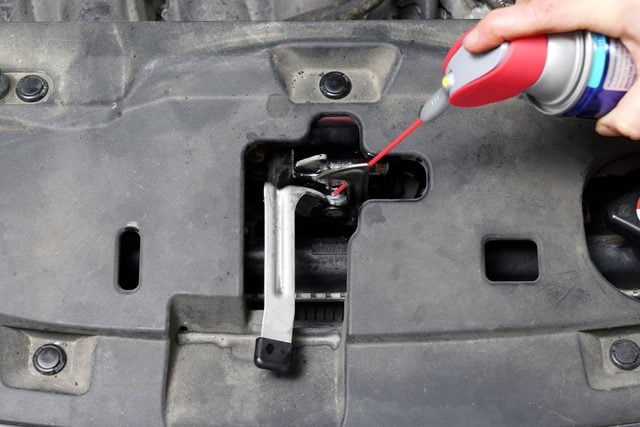
Regular maintenance extends the life of your door locking system and prevents sudden failures.
Lubricate Mechanisms Annually
Apply white lithium grease to the latch mechanism once a year. Use dry silicone spray on cables and rods to reduce friction without attracting dust.
Avoid Slamming Doors to Lock
Forcing the door shut to engage the lock stresses the actuator gears. If the lock does not engage electronically, investigate the cause rather than slamming harder.
Seal Moisture Leaks Promptly
Water inside the door panel accelerates rust and electrical corrosion. Replace worn window seals or damaged door gaskets immediately to keep internal components dry.
Know When to Call a Professional
While most single-door issues are simple fixes, some scenarios need expert attention.
- Multiple doors fail to lock intermittently
- Fuses blow repeatedly after replacement
- The central locking system resets or behaves erratically
These symptoms suggest issues with the Body Control Module or complex wiring harness failures beyond a simple actuator swap.
Frequently Asked Questions About Car Door Auto Locks
Why does my door lock click but not stay locked?
This sound means the motor receives power but cannot overcome resistance. The issue is usually a stripped internal gear, a frayed control cable, or a binding linkage preventing full travel.
Can I fix a car door auto lock not working without replacing parts?
If the issue is dirt or lack of lubrication, cleaning and greasing the mechanism may work. However, if the actuator motor or internal gears are broken, you must replace the unit to fix it.
How long does it take to replace a door lock actuator?
For most vehicles, removing the door panel and swapping the actuator takes between 30 and 60 minutes. The job requires basic hand tools and a trim removal tool.
Is it safe to drive with a door lock that won’t engage?
It is unsafe to leave a vehicle unsecured. While you can drive the car, you should repair the lock immediately to prevent theft or the door opening while in motion.
Do I need to reset the computer after replacing the actuator?
Most vehicles do not require a computer reset after changing a door lock actuator. The system is plug-and-play, though you should test all functions before reassembling the door panel.
Key Takeaways for Fixing Car Door Auto Lock Not Working Issues
A car door auto lock not working problem is usually a isolated failure of the actuator or its connecting cables. Testing the motor outside the door assembly is the fastest way to confirm if the issue is electrical or mechanical. Replacing the faulty actuator restores full security and typically takes less than an hour to complete.
Gather your tools and inspect your white control cable today to determine your next step. Visit 1aauto.com for exact-fit replacement parts and detailed video tutorials to guide your repair.