A weak lock invites trouble, but the right deadbolt lock types stop intruders cold. Your home deserves a barrier that resists picking, bumping, and brute force attacks effectively.
This guide reveals why the Schlage B60N with SC1 keyway beats standard options. You will learn installation tips, maintenance tricks, and how to choose the best deadbolt lock types for your door.
Why the Schlage B60N with SC1 Keyway Leads the Market
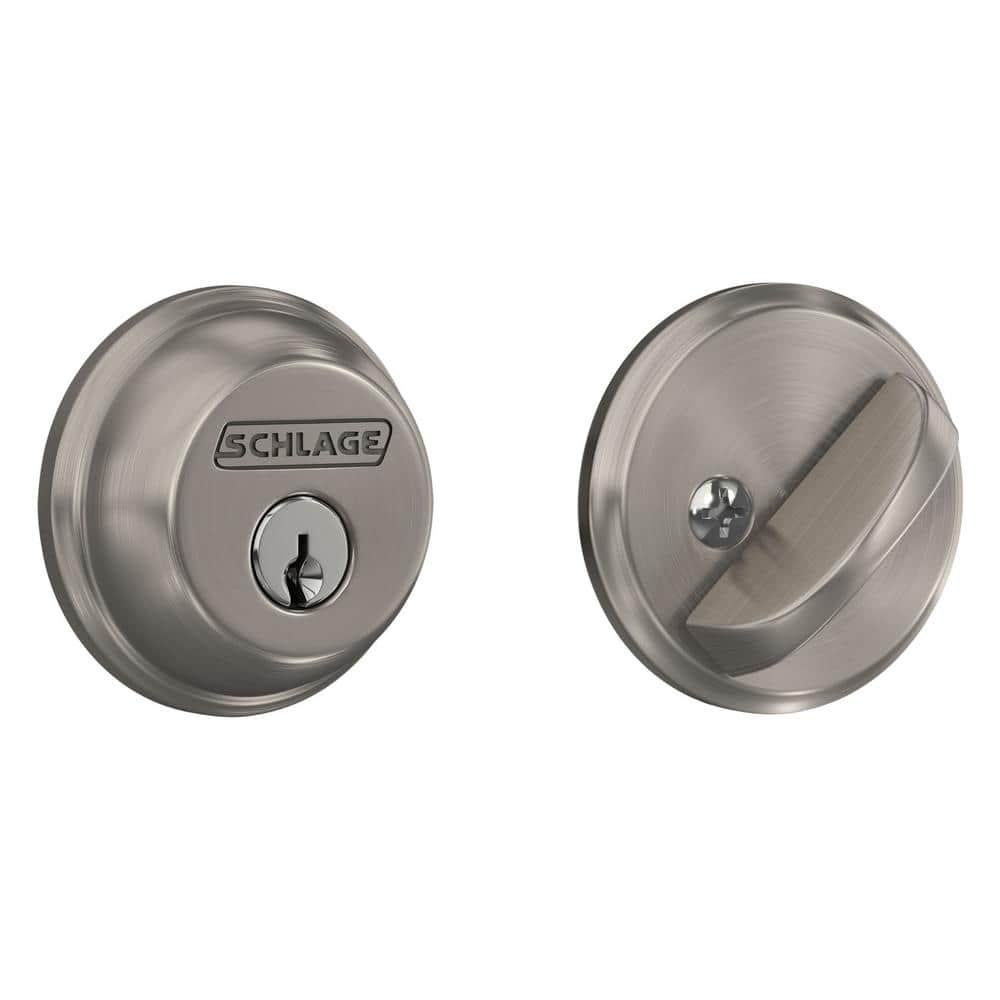
The Schlage B60N combines commercial strength with residential ease of use. It stands as the superior choice among all deadbolt lock types for serious home protection.
Six-Pin vs Five-Pin Security Differences
Most standard locks rely on a five-pin cylinder design. These are vulnerable to lock picking and bumping techniques that take skilled thieves under two minutes to defeat.
The Schlage B60N uses a six-pin cylinder to drastically increase complexity. Each extra pin adds thousands of combinations and makes manipulation nearly impossible without specialized tools.
- Five-pin locks: Easily manipulated with basic tools.
- Six-pin locks: Require advanced skills and specific equipment.
- Key complexity: More pins mean exponentially harder key duplication.
The SC1 keyway found in this model is standard for commercial buildings. This ensures your home benefits from institutional-grade security protocols.
Durability Ratings for Long-Term Use
Cheap locks often fail within five years due to weather or heavy traffic. The B60N is engineered to operate smoothly for over a decade without mechanical issues.
Its hardened steel bolt resists sawing attempts effectively. An anti-rotation collar stops wrenching attacks that try to twist the cylinder out of the door.
- High-grade metals: Resist corrosion and physical damage.
- Precision engineering: Prevents internal wear over time.
- Weather resistance: Performs in extreme heat or cold.
Competitors like Kwikset or Weiser often degrade faster under similar conditions. Investing in durability means fewer replacements and consistent security.
Adjustable Features for Any Door Type
Installation headaches vanish with the built-in flexibility of this unit. You can fit it to almost any exterior door preparation without buying extra parts.
- Adjustable backset: Fits both 2-3/8 inch and 2-3/4 inch doors.
- Twist-to-fit bolt: Adjusts length instantly during setup.
- Three faceplate styles: Includes rounded, square, and drive-in options.
This adaptability ensures a tight fit that prevents wobbling or misalignment. A proper fit is crucial for maintaining the integrity of your chosen deadbolt lock types.
Single-Cylinder vs Double-Cylinder Deadbolt Choices
Selecting between single and double cylinders depends on your specific door layout and safety needs. Each type offers distinct advantages and risks for homeowners.
When to Choose Single-Cylinder Locks
Single-cylinder deadbolts use a key outside and a thumb turn inside. They are the standard for most homes without glass near the entry point.
- Fast exit: No key needed during emergencies or fires.
- Code compliance: Meets most local fire safety regulations.
- Convenience: Easy to lock from the inside quickly.
Avoid these if your door has glass panels within reach of the handle. An intruder could break the glass and simply turn the thumb latch to enter.
When Double-Cylinder Locks Are Necessary
Double-cylinder models require a key for both the exterior and interior sides. They prevent entry even if an attacker breaks nearby glass.
- Glass protection: Stops reach-through attacks completely.
- High theft areas: Ideal for streets with frequent break-ins.
- Strict security: Ensures only keyholders can open the door.
Warning: Never use these without a key readily accessible inside. Fumbling for a key during a fire can be fatal and may violate building codes.
Keyway Comparison: SC1 vs W1 Systems
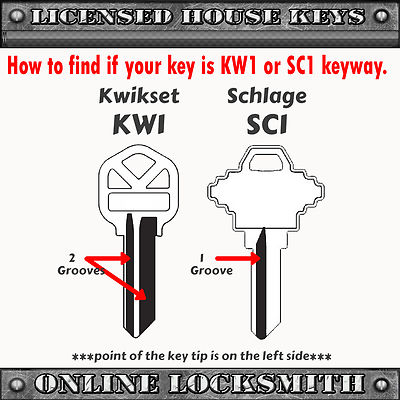
The keyway design dictates how difficult a lock is to pick or duplicate. Understanding the difference helps you select the most secure deadbolt lock types.
SC1 Keyway Security Features
The SC1 keyway is the gold standard for residential and commercial security. It is widely used in high-security environments for its resistance to manipulation.
- Commercial grade: Used in Everest and Primus series locks.
- Restricted duplication: Requires authorized dealers for copies.
- Attack resistance: Highly effective against picking and impressioning.
This keyway pairs perfectly with the six-pin cylinder for maximum defense. It is the top recommendation for any homeowner prioritizing safety.
W1 Keyway Alternative Options
The W1 or Falcon keyway offers a solid alternative with a five-pin design. It is thicker and more durable than standard residential keyways.
- Canadian standard: Very common in northern regions.
- Thick construction: Resists physical wear and tear well.
- Moderate security: Better than basic keys but less complex than SC1.
While reliable, the W1 does not match the six-pin SC1 in pure complexity. Choose SC1 if you want the absolute highest level of protection available.
How to Fix a Sticking Deadbolt Quickly
A sticking lock usually indicates misalignment rather than a broken mechanism. You can often fix this issue in minutes with a simple diagnostic test.
Perform the Lipstick Diagnostic Test
This trick shows exactly where your bolt is hitting the strike plate. It reveals alignment issues that are invisible to the naked eye.
- Apply lipstick or chalk to the face of the bolt.
- Close the door and engage the lock fully.
- Open the door and inspect the mark on the strike plate.
- Check if the mark is centered or off to one side.
If the mark is uneven, your strike plate needs adjustment. This simple step prevents unnecessary wear on your new deadbolt lock types.
Adjust the Strike Plate Alignment
Correcting the alignment ensures smooth operation and prevents forced entry vulnerabilities. Loose screws often cause the plate to shift over time.
- Loosen the screws holding the strike plate.
- Shift the plate slightly to match the bolt mark.
- Tighten the screws and test the lock action.
A properly aligned bolt extends fully into the frame without resistance. This maintains the security integrity of your entire locking system.
Reinforce Your Door Against Kick-In Attacks
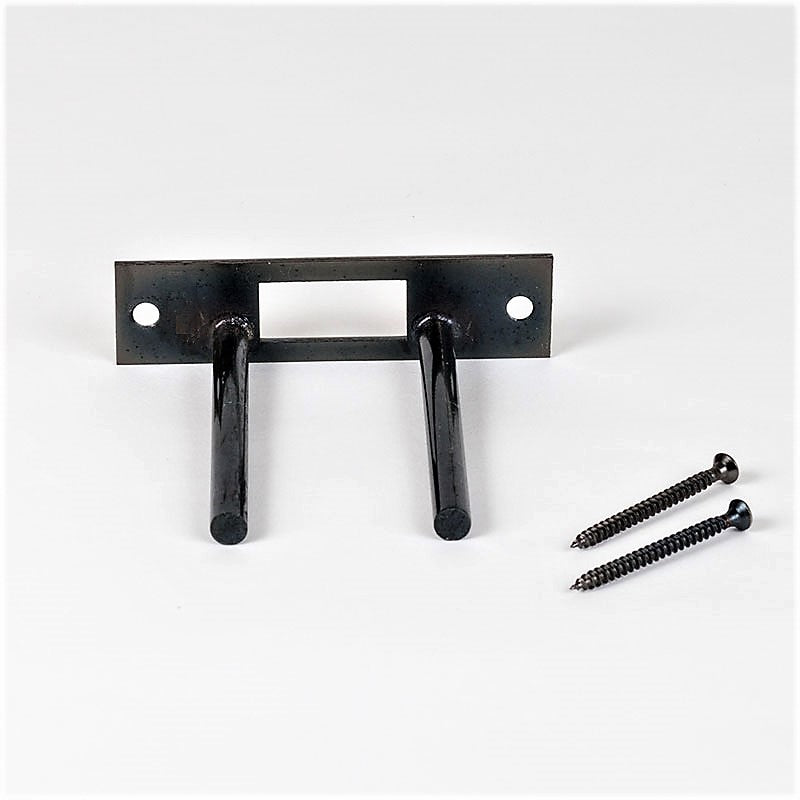
The lock itself is strong, but the door frame is often the weak link. Reinforcing this area stops kick-in attacks that bypass even the best deadbolt lock types.
Install Three-Inch Mounting Screws
Standard installations use short one-inch screws that only grip the door jamb. The Schlage B60N includes three-inch screws that reach the wall framing.
- Deep penetration: Anchors the lock to the house structure.
- Kick resistance: Prevents the frame from splitting under impact.
- Included hardware: No need to buy separate screws.
Without these long screws, a single solid kick can shatter the jamb. Always replace the provided short screws immediately during installation.
Add Heavy-Duty Strike Plates
For maximum security, upgrade to a reinforced strike plate. These plates are longer and distribute force across a wider area of the frame.
- Length: Look for plates at least 4 inches long.
- Material: Choose hardened steel for best results.
- Screw count: More screw holes mean better force distribution.
This upgrade works hand-in-hand with long screws to create an impenetrable barrier. It is a critical step for homes in high-risk areas.
Schlage B60N vs Kwikset and Weiser Brands

Not all brands offer equal protection levels. Comparing the B60N to popular alternatives highlights significant differences in security and durability.
Schlage vs Kwikset SmartKey Flaws
Kwikset markets their SmartKey line as high-security and re-keyable. However, independent tests show serious vulnerabilities in their design.
- Picking speed: Can be defeated in under 90 seconds.
- Fishing attacks: Vulnerable to simple sliding pick tools.
- False security: Marketed as safe but easily bypassed.
The Schlage B60N resists these specific attacks effectively. Its traditional six-pin design proves more secure than the proprietary SmartKey mechanism.
Schlage vs Standard Weiser Models
Weiser locks typically use standard five-pin systems similar to basic Kwikset models. They lack the complexity needed to deter determined intruders.
- Key availability: Keys are easily duplicated at any store.
- Durability issues: Higher failure rate over time compared to Schlage.
- Security level: Suitable for low-risk areas only.
The commercial-grade construction of the B60N gives it a clear advantage. It remains the superior choice for primary entry points.
Installation Best Practices for Homeowners
Proper installation ensures your lock functions correctly for years. Skipping steps can lead to binding, wear, or complete failure.
Align Before Final Tightening
Rushing to tighten screws often causes misalignment. Follow a careful process to ensure everything sits perfectly straight.
- Insert the bolt in the extended position.
- Place the lock body on the door edge carefully.
- Hand-tighten screws while testing the thumb turn.
- Fully tighten only after confirming smooth operation.
Misalignment causes the bolt to bind against the frame. This leads to premature wear and potential lockout situations.
Avoid Over-Tightening Screws
Applying too much torque can warp the lock housing, especially on metal doors. This distortion jams the internal mechanism permanently.
- Moderate pressure: Tighten until snug, not crushing.
- Frequent testing: Check the key turn after every screw.
- Metal door caution: Be extra gentle with composite or steel doors.
Always test the lock from both sides after installation. Ensure the key removes easily and the door stays locked when closed.
Maintenance Tips for Longevity
Regular care keeps your deadbolt lock types functioning smoothly. Neglect can lead to stuck bolts or difficult key turns.
Lubricate Annually with Correct Products
Using the wrong lubricant attracts dirt and gums up the works. Stick to dry lubricants for best results.
- Graphite powder: Ideal for keyways and internal pins.
- Silicone spray: Good for external bolt mechanisms.
- Avoid oil: Never use WD-40 or household oil.
Apply a small amount once a year to keep things moving freely. This simple habit extends the life of your lock significantly.
Check Screw Tightness Regularly
Vibration from slamming doors loosens screws over time. Inspect your mounting screws every six to twelve months.
Tighten any loose screws immediately to maintain structural integrity. If keys are lost, rekey the lock immediately to prevent unauthorized access.
Upgrade Options for Maximum Security
Homeowners in high-risk areas may want extra layers of defense. These upgrades complement your primary deadbolt effectively.
Add Door Reinforcement Kits
Reinforcement kits protect the entire door edge from splitting. They wrap around the door and frame for added strength.
- Edge protectors: Prevent the door wood from splitting.
- Jamb reinforcement: Strengthens the area around the strike plate.
- Full kits: Often include longer screws and metal plates.
These kits make kicking the door open nearly impossible. They are a worthwhile investment for ground-floor entries.
Monitor with Smart Technology
While the B60N is mechanical, you can add smart sensors. These devices alert you if the door opens or is tampered with.
- Door sensors: Notify your phone when the door opens.
- Cameras: Provide visual verification of entry attempts.
- Alarms: Scare off intruders with loud noises.
Layering technology with a strong mechanical lock creates a robust security system. It ensures you always know the status of your home.
Final Recommendation: Install the Schlage B60N with SC1
Choosing the right deadbolt lock types is critical for home safety. The Schlage B60N with SC1 keyway offers the best balance of security and durability.
It resists picking, bumping, and forced entry better than any competitor. Its commercial-grade build ensures it lasts over a decade with minimal maintenance.
Install this lock on all exterior doors for comprehensive protection. Pair it with three-inch screws and regular lubrication for flawless performance.
Frequently Asked Questions About Deadbolt Lock Types
What is the most secure deadbolt lock type for homes?
The Schlage B60N with a six-pin SC1 keyway is the most secure option. It resists picking and bumping better than standard five-pin locks.
How long does a Schlage B60N deadbolt last?
With proper maintenance, this lock lasts over 10 years without mechanical failure. Its high-grade materials withstand weather and daily use effectively.
Can I install a double-cylinder deadbolt if I have glass near the door?
Yes, double-cylinder locks prevent reach-through attacks via broken glass. However, ensure you keep a key nearby for emergency exits.
Why does my new deadbolt stick when I close the door?
Sticking is usually caused by strike plate misalignment. Use the lipstick test to find the error and adjust the plate accordingly.
Are Kwikset SmartKey locks safe from picking?
No, tests show they can be picked in under two minutes. The Schlage B60N offers far superior resistance to these attacks.
Do I need special screws for my deadbolt installation?
Yes, use three-inch screws to anchor the lock into the wall framing. Standard one-inch screws leave your door vulnerable to kick-ins.
Key Takeaways for Choosing Deadbolt Lock Types
Selecting the right deadbolt lock types determines your home’s safety level. The Schlage B60N with SC1 keyway provides unmatched resistance to modern theft techniques.
Proper installation with long screws and regular maintenance ensures lasting protection. Upgrade your locks today to secure your home against evolving threats.