Losing access to a revenue-generating asset creates immediate stress for any operator. The root cause often involves the specific vending machine lock types currently installed on your unit. Most machines rely on specialized tubular cylinder locks that require precise key codes for duplication or replacement.
This guide explains how to identify your specific lock model and locate missing key codes. You will learn proven methods to replace lost keys without calling an expensive locksmith. We also cover bulk cutting services for fleets and long-term security strategies.
Identify Tubular Cylinder Lock Systems
Most modern vending machines utilize tubular cylinder locks rather than standard pin tumbler locks. These units feature a circular keyway and require a key with cuts arranged around its circumference. Their design offers superior resistance to picking and tampering compared to traditional flat keys.
Distinguish Single-Sided and Double-Sided Keys
Tubular keys generally fall into two categories based on their cut patterns. Single-sided keys feature depth cuts on only one side of the barrel and often appear in older or basic machine models. Double-sided keys possess dual-cut patterns that provide enhanced security and are common in newer units. Both types typically display the essential key code on the key shaft.
Read the Engraved Key Code
The most efficient identification method involves locating the key code directly on the key. This alphanumeric sequence, such as PAA 14, defines the exact internal pin configuration. You can usually find this code stamped clearly on the metal shaft of the key or printed on the original key tag. Preserving this tag is vital for future access.
Inspect Lock Face Markings
Certain vending machine locks display the key code directly on the cylinder face. Open your machine door and examine the front of the lock mechanism for stamped letters and numbers. If visible, these markings allow you to order replacements immediately without needing the original key present.
Locate Missing Key Codes Without Original Keys
Operators often face situations where the key is lost and no tag exists. Recovering the code becomes the top priority to restore access. Several reliable methods can help you bypass the need for the original documentation.
Remove Lock Cylinder for Decoding
If the code is not visible, you must remove the cylinder to proceed with identification. Use a specialized tubular lock drill-out tool designed specifically for vending applications. These tools fit standard electric drills and allow you to destroy the core cleanly while leaving the housing intact for replacement.
Extract Code from Removed Hardware
Once you have removed the lock cylinder, send it to a vending key specialist for analysis. Technicians can decode the internal pin configuration to generate the correct key code. This approach is particularly valuable for fleet operators who need to standardize keys across multiple machines.
Compare Physical Key Characteristics
In rare instances, you might find a similar key to use as a reference. Experienced technicians can compare cut depths using a tubular key gauge to estimate the code. However, this method carries a risk of inaccuracy, so always verify the generated code with a professional before cutting new batches.
Replace Lost Vending Machine Keys Effectively
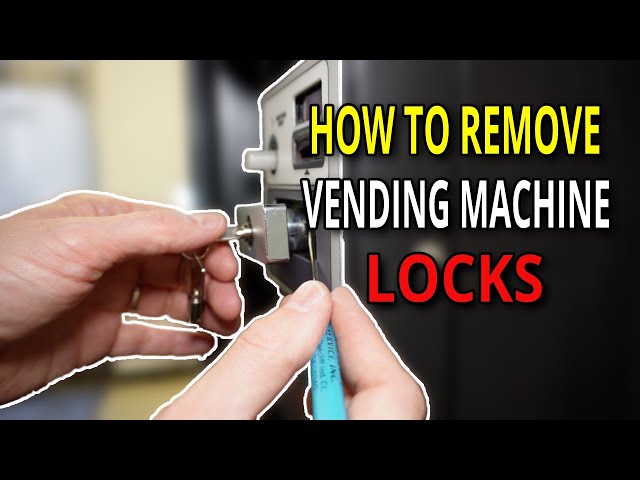
Losing a key does not result in permanent lockout if you follow the correct procedures. You can restore access quickly and cost-effectively by utilizing professional duplication services rather than emergency locksmiths.
Mail Spare Keys for Precision Duplication
If you possess a working spare key, mailing it to a vending key service is your best option. The vendor will decode the key code and produce exact duplicates based on the physical sample. This method is the fastest and most accurate, with most vendors shipping replacements within 24 to 48 hours.
Decode One Lock for Multiple Units
Businesses managing 20 or more machines can streamline operations by sending in a single lock. Specialists can decode this unit to determine the key code and then cut matching keys for your entire fleet. This eliminates mismatched locks and ensures uniform access across all your locations.
Drill Lock as Final Emergency Option
Drilling remains the last resort when no key or code is available. You must use a dedicated tubular lock drill bit to avoid damaging the machine housing. While this method destroys the cylinder, it preserves the mounting area for immediate installation of a new lock.
Order Pre-Cut Keys Using Specific Codes
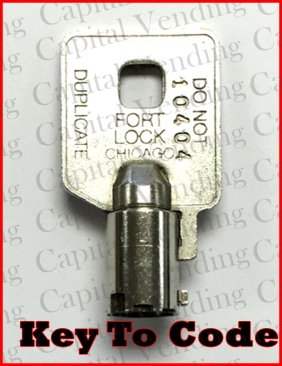
Knowing your specific key code grants you instant access to replacement parts. Many vendors maintain inventories of pre-cut tubular keys organized by code for immediate shipment to operators.
Search Catalog by Code Number
Visit the Capital Vending website or a trusted supplier to search their catalog. Enter your specific code, such as PAA 14, to locate the exact key match. Pre-cut keys eliminate production wait times and serve as an ideal solution for emergency replacements when downtime is critical.
Verify Key Specifications Before Use
Always compare the new key against your old one if the original is available. Check the code, cut depth, and diameter to ensure a perfect match. Installing an incorrect key can damage the internal pins of your new lock or prevent the machine from operating correctly.
Cut Keys in Bulk for Large Fleets

Managing access for multiple locations requires a strategic approach to key inventory. Bulk key cutting services allow you to maintain consistency and reduce the risk of future lockouts.
Submit Keys for Mass Production
You can mail your existing tubular keys from vending machines or padlocks for mass duplication. Vendors can cut dozens of copies at once, which is ideal for replacing worn keys or standardizing access across various sites. This service handles high volumes efficiently without compromising precision.
Reduce Costs Through Standardization
Bulk orders significantly reduce per-unit costs while ensuring total consistency. Fleet operators use this strategy to phase out lost or duplicated keys and enforce tighter security controls. Having identical keys for all machines simplifies training and daily operations for your staff.
Upgrade Lock Security for Long-Term Protection
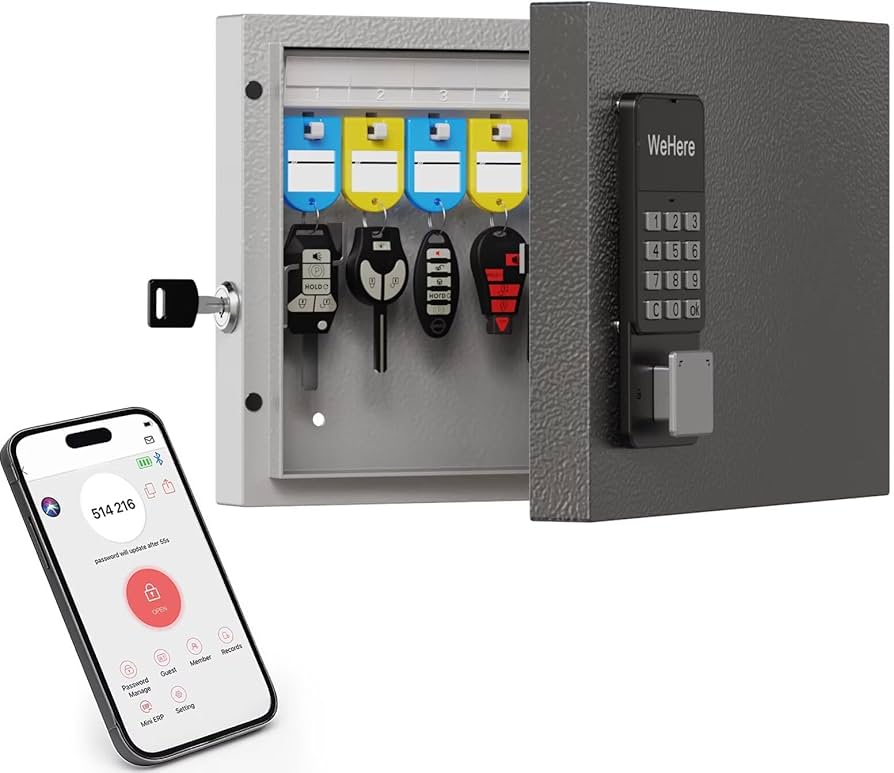
Preventing future lockouts requires proactive management of your key systems. Implementing smart storage habits and standardization protocols enhances security and operational efficiency.
Store Key Codes in Digital Formats
Take a photo of every key code and store it in a secure cloud folder or encrypted drive. Keep a printed backup copy in a locked office file. This digital redundancy ensures you can recover access even if physical keys and tags are lost or destroyed.
Retain All Original Key Tags
The small tag provided with new locks contains the master code for that unit. Treat this tag like a critical password, as losing it increases replacement time and expense. Never discard these tags until you have securely recorded the code in multiple locations.
Standardize Codes Across Your Fleet
For easier management, consider rekeying all machines to one code. This simplifies access for your entire staff and reduces the inventory of different keys you must track. Use a single lock to decode and match all others for a unified system.
Frequently Asked Questions About Vending Machine Lock Types
What is the most common lock type found on vending machines?
Most vending machines use tubular cylinder locks because they offer high resistance to picking. These locks require a circular key with cuts around the tip, differing significantly from standard flat keys used in residential doors.
How can I find my key code if I lost the original key?
Check the front face of the lock cylinder for stamped alphanumeric codes like “PAA 14.” If the code is not visible, you may need to remove the lock cylinder and send it to a specialist for internal pin decoding.
Can I replace a lost vending machine key without the code?
Yes, you can mail a spare key to a vendor for decoding and duplication. If no key exists, you can drill out the lock using a specialized tool and send the removed cylinder to a specialist to generate the key code.
Is it possible to make all my vending machines use the same key?
Yes, fleet operators can send one lock to a vendor to decode the pattern. The vendor can then cut matching keys for all units or supply new locks keyed to the same code, allowing single-key access across your entire fleet.
Where can I order pre-cut replacement keys quickly?
You can order pre-cut keys by searching your specific code on the Capital Vending website. They offer immediate shipping for known codes, which is the fastest way to regain access during an emergency.
Key Takeaways for Managing Vending Machine Lock Types
Understanding vending machine lock types is essential for maintaining uninterrupted business operations. The tubular cylinder system relies heavily on the key code, making it the most critical piece of information for any operator to record and protect.
Always store your key codes digitally and physically to prevent permanent lockouts. Whether you choose to duplicate a spare, decode a removed lock, or drill as a last resort, having a plan ensures minimal downtime.
Take action today by auditing your current key tags and recording all codes in a secure location. This simple step will save you significant time and money if you ever face a lost key situation in the future.