Sliding glass doors bring light and style to your home, yet they often remain the weakest entry point for burglars due to flimsy factory hardware. Upgrading your security starts with understanding the right sliding door lock types that fit your specific door frame and safety needs.
This guide details 11 proven locking mechanisms, ranging from basic slide bolts to advanced smart systems, to help you choose the best defense. You will learn how each option works, where to install them, and which combinations provide maximum protection against forced entry.
How Slide Bolt Locks Provide Basic Security
Slide bolt locks represent the most common and affordable option for securing sliding panels. These simple devices consist of a metal bolt that you manually slide into a strike plate mounted on the fixed frame or track.
Mechanism and Installation Process
The operation is entirely mechanical and requires no keys or electricity. You simply push the bolt into place once the door is closed to prevent the panel from moving. Installation usually involves drilling two small holes and screwing the unit into the inner track or stile.
Strengths and Weaknesses
While cheap and easy to install, these locks offer minimal resistance to determined intruders.
* Pros: Low cost, simple DIY installation, visible deterrent.
* Cons: Easily bypassed by lifting the door, no key access, weak metal construction.
Pro Tip: Never rely on a slide bolt as your only lock. Use it as a secondary barrier alongside a stronger primary lock.
Surface-Mounted Locks for Quick Upgrades
Surface-mounted locks attach directly to the face of the door and frame without requiring deep drilling into the edge. They are an excellent choice for renters or those who cannot modify their door structure significantly.
Why Choose Surface-Mounted Options
These locks use a latch mechanism that extends into a catch on the adjacent frame. Because they sit on the surface, installation is fast and requires only a screwdriver. They work well on aluminum, vinyl, and wood frames alike.
Ideal Use Cases
- Temporary housing or rental properties.
- Situations where internal modifications are prohibited.
- As a supplemental lock to existing hardware.
⚠️ Warning: Since the mechanism is exposed, intruders can sometimes pry it open with flat tools. Do not use this as your sole security measure in high-crime areas.
Heavy-Duty Deadbolt Locks for Maximum Protection

Deadbolts are widely considered the strongest among sliding door lock types available for residential use. Unlike spring latches, a deadbolt throws a solid steel bolt deep into the door jamb, often exceeding one inch in length.
Why Deadbolts Stop Break-Ins
The extended bolt makes it extremely difficult to force the door open with kicking or prying tools. This design resists the jacking and lifting attacks that commonly defeat weaker locks. Installation requires precise drilling into the door edge and frame.
Key Features to Verify
- Solid steel or brass construction.
- Minimum 1-inch bolt throw length.
- Reinforced strike plate with long screws.
- Keyed entry or interior thumb turn operation.
🔧 Difficulty Level: Moderate. You may need a professional if you are not comfortable drilling into the door edge.
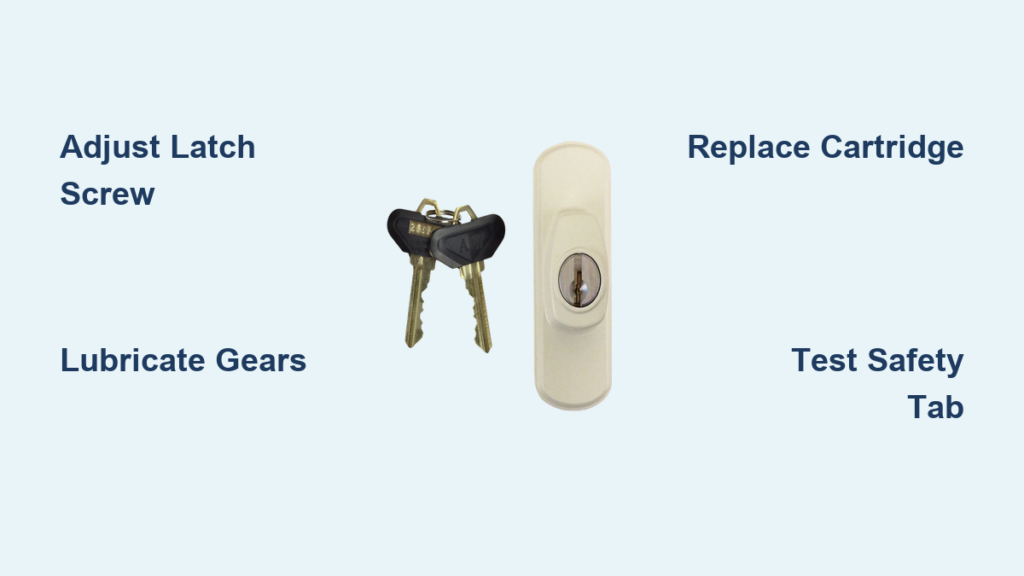
Keyed Lock with Latch System Benefits

This hybrid option combines the convenience of a latch with the security of a keyed cylinder. It allows you to keep the door snug against the frame while ensuring it cannot be opened without a key.
How the Dual Mechanism Works
The latch holds the door closed during normal use, while the key engages a separate bolt to lock it securely. From the inside, a thumb turn typically releases the mechanism for quick emergency exit. This design meets fire safety codes while providing robust security.
Common Applications
- Primary patio entryways.
- Ground-floor units in apartment complexes.
- Homes in neighborhoods with moderate crime rates.
🔍 Visual Cue: Look for ANSI Grade 2 certification or higher to ensure the lock can withstand significant force and picking attempts.
Multi-Point Lock Systems Explained
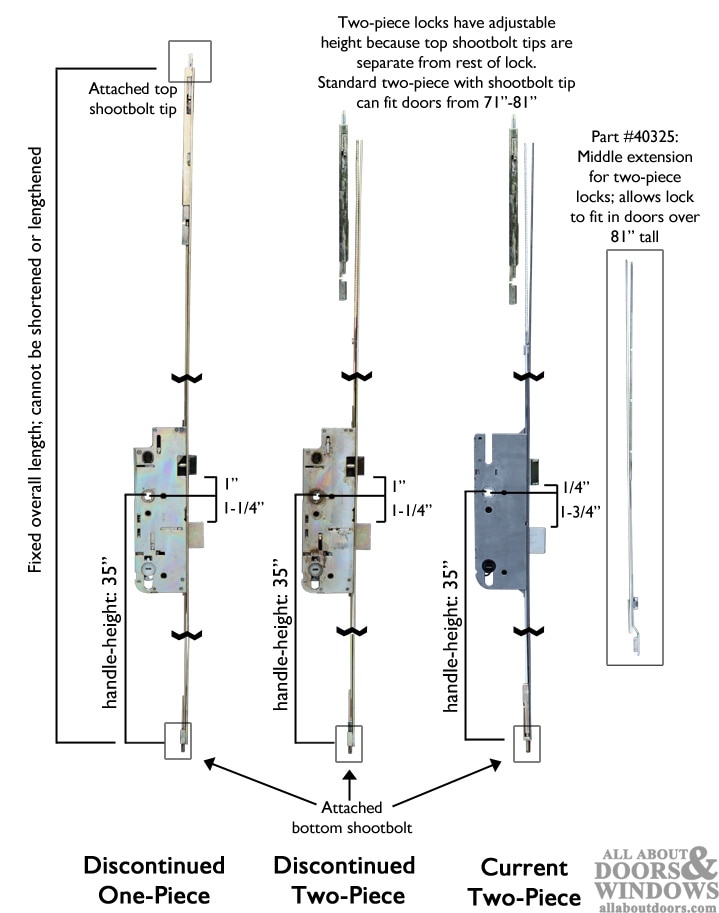
Multi-point lock systems offer superior security by engaging multiple bolts along the vertical edge of the door with a single turn of a handle or key.
How Multi-Point Engagement Works
When activated, this system drives bolts into the header at the top, the sill at the bottom, and the jamb in the middle. This triangulation prevents the door from racking, twisting, or being lifted off its track.
Advantages Over Single-Point Locks
- Distributes locking force across the entire door height.
- Virtually eliminates gaps where pry bars can be inserted.
- Ideal for large, heavy, or high-traffic sliding doors.
- Standard in many modern European-style patio doors.
🛠️ Installation Tip: These systems are complex and often require professional installation to ensure perfect alignment of all locking points.
Magnetic Locks for Modern Smart Homes
Magnetic locks, or maglocks, use electromagnetic force to hold the door closed rather than a mechanical bolt. They are sleek, silent, and often part of a larger automated security system.
Functionality and Power Requirements
An electromagnet mounts on the frame while an armature plate attaches to the door. When powered, the magnetic field holds the door shut with immense force. However, they require a constant power source and usually a backup battery to function during outages.
Best Suited Environments
- Commercial storefronts and office buildings.
- Smart homes with integrated access control.
- Interior sliding partitions needing occasional security.
🚫 Limitation: Do not use magnetic locks as your only defense for exterior doors, as power failures can render them useless unless a mechanical backup exists.
Vertical Slide Locks Prevent Door Lifting

Vertical slide locks address a specific vulnerability in sliding doors: the ability for thieves to lift the panel off its rollers. These locks install on the top or bottom edge of the moving panel.
Purpose and Placement Strategy
When engaged, a bolt extends vertically into the track above or below the door. This physically prevents the door from being lifted, neutralizing a common bypass method used by burglars.
Simple Installation Steps
- Close the door completely and mark the alignment.
- Drill pilot holes for the lock body on the inside edge.
- Secure the unit with provided screws.
- Test the bolt extension to ensure smooth operation.
📏 Best Fit: These work exceptionally well on aluminum and vinyl tracks but may require adjustments on warped wooden frames.
Chain Locks Allow Controlled Ventilation
Chain locks allow you to open your sliding door a few inches for airflow or conversation while preventing full entry. A short metal chain connects the door panel to the fixed frame.
Security Limitations of Chains
While convenient, most residential chain locks are made of thin metal that can be snapped or pried open with minimal effort. They provide privacy and limited access control but offer almost no resistance to forced entry.
When to Use Chain Locks
- Daytime ventilation in safe neighborhoods.
- Speaking to delivery personnel without opening the door fully.
- Preventing children or pets from exiting unsupervised.
Upgrade Option: If you must use a chain, choose a reinforced model with a steel housing and long mounting screws for slightly better durability.
Push Button Locks for Convenience
Push button locks are compact devices that engage a small latch when a button is pressed. They are common in older homes and rental properties due to their simplicity.
Operation and Design Flaws
Pressing the button extends a short latch into the frame. While easy to use, the latches are often short and made of lightweight materials. Over time, springs wear out, and the latch may fail to engage fully.
Who Should Consider This Option
- Renters needing a non-permanent solution.
- Low-traffic interior sliding doors.
- Secondary locking positions behind a main deadbolt.
⚠️ Security Alert: Never depend on a push button lock as your primary defense. The mechanism is too weak to stop a determined intruder.
Cam Lock Mechanisms in Older Doors
Cam locks utilize a rotating cam to pull the door tight against the frame, creating friction that resists sliding. You often find these on vintage doors or those with crank handles.
How the Rotating Cam Engages
Turning the key or handle rotates an oval-shaped cam. This rotation pulls the door panel inward, clamping it against the weatherstripping and frame. While it does not use a traditional bolt, the tension makes sliding the door difficult.
Ideal Scenarios for Cam Locks
- Restoring security on retrofitted or antique sliding doors.
- RVs, boats, and mobile homes.
- Supplemental locking alongside a deadbolt.
🔧 Note: These mechanisms can loosen over time and require regular adjustment to maintain effective tension.
Automatic Locking Systems for Tech-Savvy Users
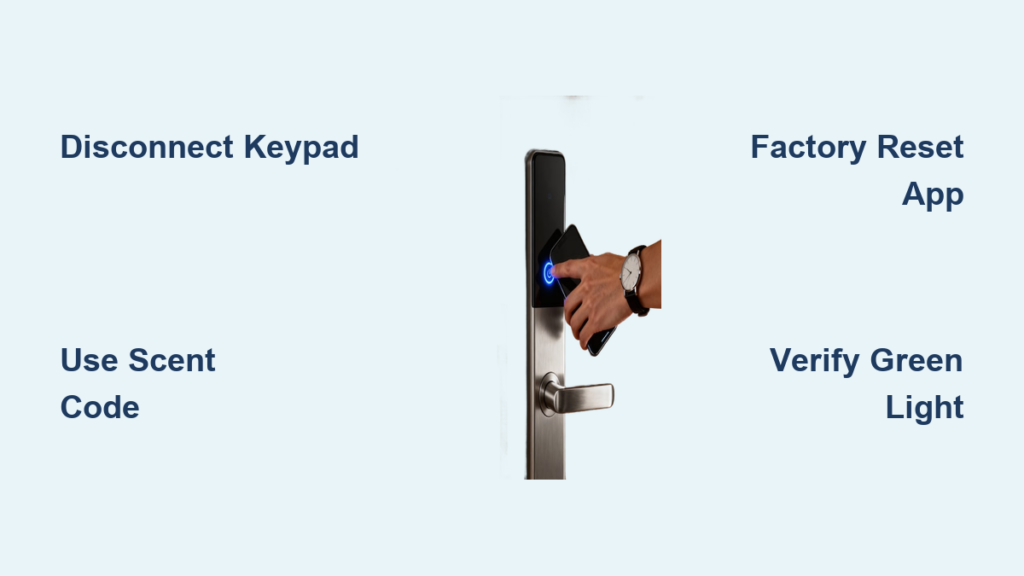
Automatic locking systems represent the future of home security, using motors and sensors to lock the door without manual input. These smart locks integrate seamlessly with home automation platforms.
Features and Smart Integration
These systems can lock the door automatically when it closes or at scheduled times. Many connect to Wi-Fi, allowing you to lock or unlock the door remotely via a smartphone app.
* Auto-lock upon closure detection.
* Real-time entry alerts and activity logs.
* Voice control via Alexa or Google Home.
* Battery backup for power outages.
Installation and Power Considerations
Professional installation is often recommended to ensure sensors align correctly. Most units run on batteries lasting 6 to 12 months, with low-battery alerts sent to your phone.
Best For: Busy families, tech enthusiasts, and vacation homes where forgetting to lock up is a concern.
Final Recommendations for Sliding Door Security
Selecting the right sliding door lock types depends on your specific risk level and budget, but layering your defenses is always the best strategy. No single lock makes a door impenetrable, so combining mechanisms creates a robust security net.
Build a Layered Defense Strategy
For maximum safety, combine at least three different types of protection:
* A primary deadbolt or multi-point lock to resist forced entry.
* A vertical slide lock to prevent lifting the door off the track.
* An alarm sensor or smart monitor to detect break-in attempts.
This approach addresses the main vulnerabilities of sliding doors: prying, lifting, and glass breakage. Regular maintenance ensures your chosen locks remain effective over time.
Frequently Asked Questions About Sliding Door Lock Types
Which sliding door lock type is the most secure?
Heavy-duty deadbolts and multi-point lock systems offer the highest level of security. They extend deep into the frame and resist prying, kicking, and lifting attacks better than simple latches or bolts.
Can I install these locks myself without professional help?
Yes, many options like slide bolts, surface-mounted locks, and vertical locks are designed for easy DIY installation. However, complex systems like multi-point locks or automatic smart locks often require professional fitting.
Do magnetic locks work during a power outage?
Standard magnetic locks require electricity to function and will fail during an outage unless equipped with a backup battery. For reliable security during power failures, mechanical locks like deadbolts are superior.
How do I prevent my sliding door from being lifted off the track?
Install a vertical slide lock or a security bar in the track. These devices physically block the door panel from moving upward, neutralizing the common “lift-and-shift” burglary method.
Are smart automatic locks safe from hackers?
Reputable brands use encryption and regular software updates to prevent hacking. To maximize safety, choose well-known manufacturers, enable two-factor authentication, and keep your firmware updated.
Key Takeaways for Choosing Sliding Door Lock Types
Your home security relies on understanding the strengths and weaknesses of various sliding door lock types. Simple solutions like slide bolts offer convenience but lack strength, while deadbolts and multi-point systems provide serious protection against forced entry.
Remember that the best defense involves layering multiple locking mechanisms together. Start by installing a high-quality primary lock, add a vertical anti-lift device, and consider smart monitoring for peace of mind. Take action today to inspect your current hardware and upgrade any weak points before they become a liability.