Forgetting your Travelpro suitcase combination or dealing with a stuck mechanism can turn an exciting trip into a stressful ordeal immediately. Whether you are packing for a business trip or returning from vacation, knowing how to perform a Travelpro lock reset is essential for every traveler.
This guide walks you through resetting factory defaults, troubleshooting stubborn latches, and setting secure codes without damaging your luggage. You will learn specific steps for Maxlite, Platinum, and Crew models to ensure you never lose access to your belongings again.
Restore Factory Default Settings on Your Lock
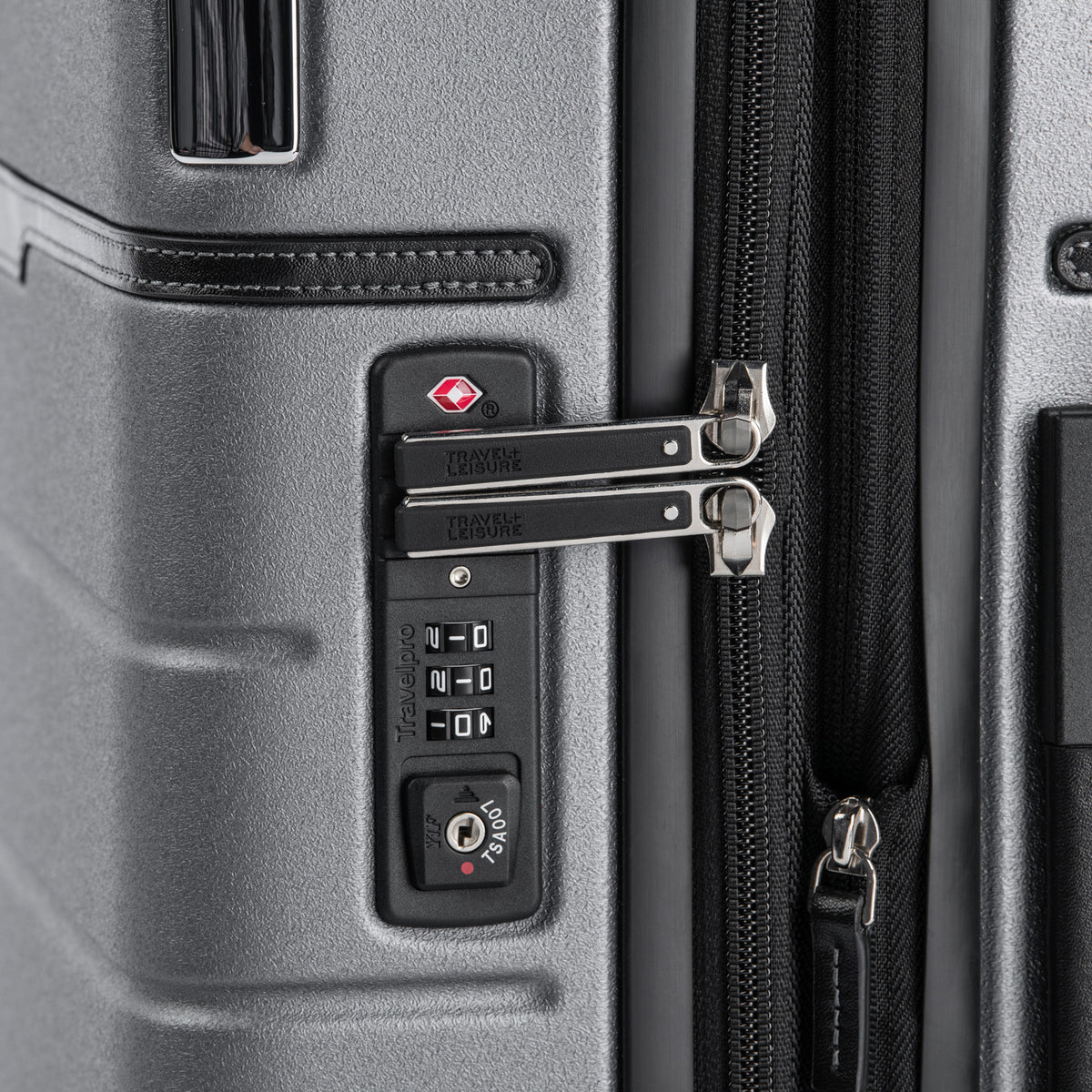
Most Travelpro locks arrive preset with a factory combination of 0-0-0. If you have never changed the code or recently reset the device, this default sequence is your first logical step. Pull the zipper pulls away from the lock body to release internal tension before attempting to spin the dials.
If the default code fails to open the case, someone likely changed the combination previously. Forcing the zippers can damage internal gears permanently. Proceed immediately to the reset procedure using the correct sequence for your specific model type.
Locate and Activate the Reset Mechanism
Entering reset mode requires precision and the right tools. Most Travelpro combination locks feature a small, recessed button often hidden near the bottom or side of the locking unit.
- Ensure your suitcase is fully open and the current lock is disengaged.
- Set the number dials to the current combination or 0-0-0 if unchanged.
- Find the small reset hole, which may require a pen tip or paperclip to access.
- Press and hold this button firmly for three to five seconds until you feel resistance.
- While maintaining pressure on the button, rotate dials to your desired new numbers.
- Release the reset button completely to save the new combination permanently.
Some models emit a faint click when the system accepts the new code. Test the mechanism immediately by scrambling the numbers and attempting to unlock it with your new sequence.
Verify Your New Combination Works Correctly
After setting a new code, you must verify functionality at least three times before closing your suitcase. This simple step prevents the frustration of being locked out after you have finished packing your bags.
If the lock rejects your new code, check these common errors:
* Ensure you fully depressed the reset button during the entire process.
* Confirm you did not move the dials before releasing the reset mechanism.
* Try the reset sequence again using firmer, steadier pressure on the button.
Store your new combination in a secure location separate from your luggage. Avoid obvious sequences like birthdays or 1-2-3 that thieves can guess easily.
Troubleshoot Common Travelpro Lock Failures

Even after a successful Travelpro lock reset, mechanical issues can still occur during travel. Understanding these failure points helps you diagnose problems quickly without panic.
Diagnose Lack of Feedback During Reset
Pressing the reset button should provide tactile or auditory feedback. If you feel nothing, the lock may not be in the correct operational mode. Ensure the suitcase is unlocked and the dials match the current known code exactly.
Dirt or debris often blocks the internal mechanism. Clean around the button carefully using compressed air to remove lint. Some models require zipper pulls to be inserted into the lock slots during the reset process. Try applying slight outward pressure on the zipper tabs while pressing the reset button to mimic the closed position.
Resolve Issues Where Codes Do Not Save
When a new combination fails to stick, you likely released the reset button too early. You must hold the button down until you have fully turned all dials to the new numbers.
Internal wear can also cause failure, especially on older bags used frequently. Moisture exposure or impact damage from baggage handlers affects performance significantly. Inspect the unit for visible cracks or stiffness in the dials. Avoid using liquid lubricants like WD-40 which attract dust. Use a dry silicone-based spray if movement feels sticky.
Open a Locked Suitcase Without the Code
If you are locked out and cannot recall the combination, try these non-destructive methods before considering cutting the lock. These techniques work best when you need immediate access to your belongings.
Test Default and Frequently Used Combinations
Always start with the factory default of 0-0-0. If that fails, test common sequences travelers often use for convenience.
- Try 1-2-3 or 1-1-1 as these are popular easy-to-remember codes.
- Test 2-5-8 which represents a straight vertical line on many dial interfaces.
- Gently tug the zipper pulls while spinning each dial slowly to feel for resistance.
Some locks will catch slightly or offer less resistance when the correct number aligns under the indicator. Patience is key when feeling for these subtle mechanical cues.
Apply the Pressure-Release Technique
This method exploits slight mechanical play within the locking mechanism to reveal the correct numbers. It works best on newer locks with tight manufacturing tolerances.
- Apply light, constant outward pressure on the zipper pulls away from the lock.
- Rotate the rightmost dial slowly until you feel a distinct click or slight give.
- Repeat this process with the middle dial while maintaining pressure.
- Finish with the left dial until all three dials catch in place.
- Pull the lock open once all dials are aligned correctly.
Rushing this process can strip internal gears. Move slowly and pay close attention to changes in tension on the zipper pulls.
Prevent Future Lock Malfunctions
A properly reset lock should last for years with minimal care. Adopting simple maintenance habits goes a long way in preventing future travel disruptions.
Select a Secure Yet Memorable Code
Pick a combination that is easy for you to recall but difficult for others to guess. Avoid repeating numbers, sequential digits, or personal dates found on your luggage tags.
Consider using a unique pattern like 1-3-7 or 2-4-6 that has personal meaning only to you. Write this code in your phone notes or a dedicated travel app rather than on paper inside the bag.
Perform Regular Lock Maintenance
Every few months, inspect your lock to ensure smooth operation. Check that all dials turn freely without grinding or sticking. Clean around the reset button and dial edges with a soft brush to remove lint.
Test the locking mechanism with zippers closed before your next trip. If storing your bag for an extended period, leave the lock in the open position to reduce spring tension on internal components.
Identify When Replacement Is Necessary
Certain signs indicate your Travelpro lock needs replacement rather than repair. If dials spin freely without any resistance, the internal gears are likely broken.
- The reset button does not depress or feel completely stuck.
- The lock fails to engage even when the correct code is entered.
- Visible cracks appear on the plastic housing of the lock unit.
Replacement locks are available directly from Travelpro customer service or authorized retailers. Provide your specific model number to ensure you receive a compatible part for your suitcase.
Frequently Asked Questions About Travelpro Lock Reset
What is the default code for Travelpro luggage?
The standard factory default combination for almost all Travelpro luggage is 0-0-0. If the lock has never been changed or was recently reset to factory settings, this code will open it.
How do I find the reset button on my lock?
Look for a small pinhole on the side or bottom of the lock casing. You may need a pen tip or paperclip to press this recessed button. Some newer models integrate the reset function into the dial mechanism itself.
Can I reset the lock if the suitcase is closed?
No, you generally cannot reset the combination if the suitcase is closed and locked. The lock must be open and disengaged to access the reset mode and change the internal settings safely.
What if my Travelpro lock reset does not work?
If the reset fails, ensure you are holding the button long enough and turning dials smoothly. If problems persist, the internal mechanism may be damaged or worn out, requiring a replacement lock unit.
Are Travelpro locks easy to pick?
While not impossible to bypass, Travelpro TSA locks offer decent security for travel. They are designed to deter casual theft but should not be relied upon for high-security situations involving valuable items.
Key Takeaways for Successful Travelpro Lock Reset

Performing a Travelpro lock reset is a straightforward process when you follow the correct steps for your specific model. Always ensure the suitcase is open before attempting to change the combination to avoid accidental lockouts. Regular maintenance and choosing a strong but memorable code will keep your luggage secure for years.
If you encounter persistent mechanical failures, contact Travelpro support with your proof of purchase for assistance. Proper care and knowledge of these reset procedures ensure your travel experiences remain smooth and stress-free.