Your Kryptonite lock is built to resist theft, yet dirt and moisture often cause the cylinder to stick or the shackle to seize. When your trusted security device refuses to turn, immediate action prevents permanent damage and costly replacement.
This guide details exact steps for Kryptonite lock repair using common household tools and specific lubricants. You will learn how to flush debris, apply dry lubricants correctly, and diagnose internal mechanical failures without ruining your lock.
Identify Specific Kryptonite Lock Failure Symptoms

Diagnosing the exact symptom helps you choose the right repair method for your New York, Evolution, or Keeper model. Most issues fall into three categories involving the key, the cylinder rotation, or the shackle movement.
Key Won’t Insert or Turn Smoothly
If the key stops halfway or feels blocked, debris likely clogs the pin tumblers inside the keyway. Forcing the key can snap the metal or bend the delicate pins inside the cylinder.
* Inspect the keyway opening for visible sand, lint, or mud.
* Test your spare key to see if the issue persists across both keys.
* Note if the resistance feels consistent or if it stops at a specific angle.
Lock Cylinder Feels Gritty During Rotation
A gritty sensation when turning the key indicates dried lubricant or corrosion binding the internal components. This often happens after winter riding or exposure to salty air.
* Listen for scraping sounds as the key turns.
* Feel for uneven resistance where the key turns easily then stops.
* Check if the shackle releases slowly rather than snapping open.
Shackle Remains Locked After Key Turns
When the key turns fully but the shackle stays stuck, the release spring may have lost tension or rust has fused the metal parts. This mechanical binding requires more than simple cleaning to resolve.
* Wiggle the shackle while turning the key to test for binding.
* Listen for a click without movement, suggesting spring failure.
* Inspect the shackle ends for visible rust or pitting.
Gather Essential Tools for Kryptonite Lock Repair
Successful Kryptonite lock repair requires specific products that clean without leaving residue. Using the wrong chemicals can attract more dirt and worsen the seizure.
Required Cleaning and Lubrication Supplies
You need cleaners that evaporate quickly and lubricants that do not attract dust. Standard household oils often cause more problems than they solve in high-security locks.
* Electrical contact cleaner or CRC 656 to flush out grime.
* Graphite powder or Teflon-based dry lube for long-term protection.
* Soft bristle brush or pipe cleaners for scrubbing the keyway.
* Compressed air canister to blow out loose particles.
* Clean lint-free rag for wiping excess fluid.
Tools for Mechanical Disassembly
Some repairs require opening the lock body to access the cylinder or spring mechanism. Basic hand tools are usually sufficient for these tasks.
* Small needle-nose pliers for gripping tiny components.
* Appropriate screwdrivers or Allen keys for your specific model.
* Rubber mallet for gently tapping seized shackles loose.
Warning: Never use WD-40 as a permanent lubricant because it attracts dust and dries into a gummy mess.
Flush Debris From the Lock Cylinder
Cleaning is the most critical step in any Kryptonite lock repair process. Removing old grease and dirt restores function to most sticky locks immediately.
Apply Contact Cleaner to Keyway
Start by flooding the internal mechanism with a solvent designed for electronics. This dissolves old grease and flushes out sand or metal shavings.
1. Insert the straw nozzle of the contact cleaner deep into the keyhole.
2. Spray in short bursts for 5 to 10 seconds to fill the chamber.
3. Allow the solvent to sit for two minutes to break down grime.
4. Insert and remove the key repeatedly to act as a pump.
5. Wipe away any dirty fluid running out of the lock.
Scrub Internal Components Gently
Use a pipe cleaner or soft brush to agitate stubborn deposits inside the keyway. This ensures all surfaces are free of obstruction before lubrication.
* Insert a pipe cleaner and twist it gently inside the keyway.
* Spray more cleaner if the pipe cleaner comes out dirty.
* Repeat until the cleaner runs clear and no debris remains.
Apply Dry Lubricant Correctly

Proper lubrication prevents future seizing and ensures smooth operation in all weather conditions. Dry lubricants are essential because they do not attract road salt or dust.
Insert Graphite or Teflon Lubricant
After the lock is clean and dry, apply a fresh layer of dry lubricant to protect the pins and springs. This step completes the primary Kryptonite lock repair procedure.
1. Shake the can of graphite or Teflon lube thoroughly.
2. Spray a light coat directly into the keyway using the straw.
3. Insert the key five or six times to distribute the lubricant evenly.
4. Wipe any excess powder from the key and lock exterior.
Avoid Oil-Based Lubricants Completely
Oil-based products trap dirt and create a paste that jams the lock over time. Stick strictly to dry formulas for lasting performance.
* Choose products labeled specifically for locks or firearms.
* Reapply dry lube every few months if you ride in wet conditions.
* Store your lock indoors when possible to reduce moisture exposure.
Diagnose Internal Mechanical Damage
If cleaning and lubricating fail, the issue may involve worn keys or misaligned internal components. These problems require closer inspection and potentially part replacement.
Inspect Keys for Wear or Damage
Worn keys cannot align the pins correctly, leading to failure even in a clean lock. Compare your primary key with your spare to identify wear patterns.
* Look for rounded edges on the key teeth under bright light.
* Check for bends or cracks in the key blade.
* Test the spare key to confirm if the problem is the key or the lock.
Test for Cylinder Misalignment
Impact from dropping the lock can shift the cylinder slightly within the housing. This misalignment prevents the key from turning fully or releasing the shackle.
* Loosen the mounting bolt if the lock is attached to a bike.
* Try operating the lock while holding it freely in your hand.
* Retighten the bolt carefully if the lock works better when loose.
Free a Seized Shackle Mechanism
A frozen shackle often results from rust building up where the metal enters the lock body. Penetrating oil can help free these parts without damaging the cylinder.
Use Penetrating Oil on Shackle Ends
Apply penetrating oil only to the exterior points where the shackle enters the lock. Do not let this oil enter the keyway where it could ruin the cylinder.
1. Spray penetrating oil around both shackle entry points.
2. Let the oil soak for 15 minutes to penetrate rust layers.
3. Tap the shackle gently with a rubber mallet to break corrosion.
4. Attempt to unlock while wiggling the shackle up and down.
Restore Movement to Stuck Parts
Once the shackle moves freely, clean off the penetrating oil and apply dry lubricant. This prevents the rust from returning quickly.
* Wipe the shackle ends with a clean rag to remove oil residue.
* Apply a small amount of dry lube to the shackle contact points.
* Cycle the lock open and closed several times to work in the lube.
Replace Damaged Lock Components
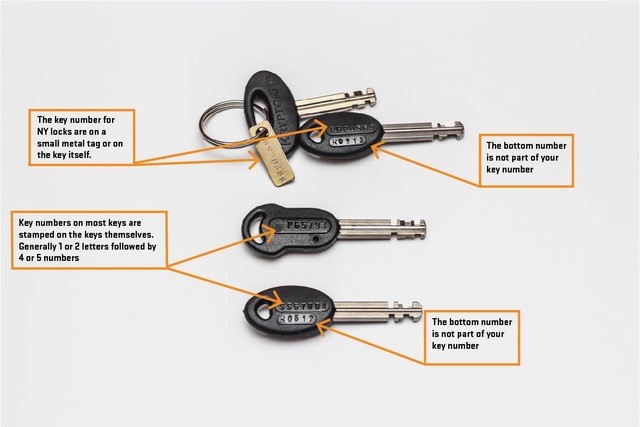
Some damage is too severe for cleaning alone, requiring replacement of the cylinder or other internal parts. Kryptonite offers support for registered locks.
Remove and Replace the Lock Cylinder
If the cylinder is damaged beyond repair, you can often swap it for a new one. Follow your specific model instructions for removal.
1. Unscrew the mounting bolt or cover plate on the lock body.
2. Pull the old cylinder out carefully, noting its orientation.
3. Insert the new cylinder ensuring pins face the correct direction.
4. Reassemble the lock and test with both keys before final tightening.
Order Official Replacement Parts
Contact Kryptonite customer service for official parts if your lock is under warranty. Registered owners often receive free replacement keys or cylinders for defects.
* Visit the Kryptonite website to register your product serial number.
* Request replacement keys if yours are worn or lost.
* Inquire about warranty coverage for mechanical failures.
Prevent Future Lock Failures
Regular maintenance extends the life of your lock and prevents emergency repairs. A simple monthly routine keeps your Kryptonite lock functioning perfectly.
Establish a Monthly Maintenance Routine
Spend two minutes each month checking and treating your lock. This small effort saves money and frustration in the long run.
* Spray the keyway with contact cleaner to remove fresh dirt.
* Apply a quick burst of dry lubricant to keep pins smooth.
* Test both keys to ensure they turn effortlessly.
* Inspect the shackle for early signs of rust or pitting.
Store and Handle Your Lock Properly
How you store and use your lock affects its longevity significantly. Protecting it from the elements reduces the need for frequent Kryptonite lock repair.
* Keep the keyway facing downward when locking your bike.
* Avoid dragging the lock on the ground or hitting it against hard surfaces.
* Use a silicone cover or store indoors during heavy rain or snow.
Determine When Replacement Is Necessary
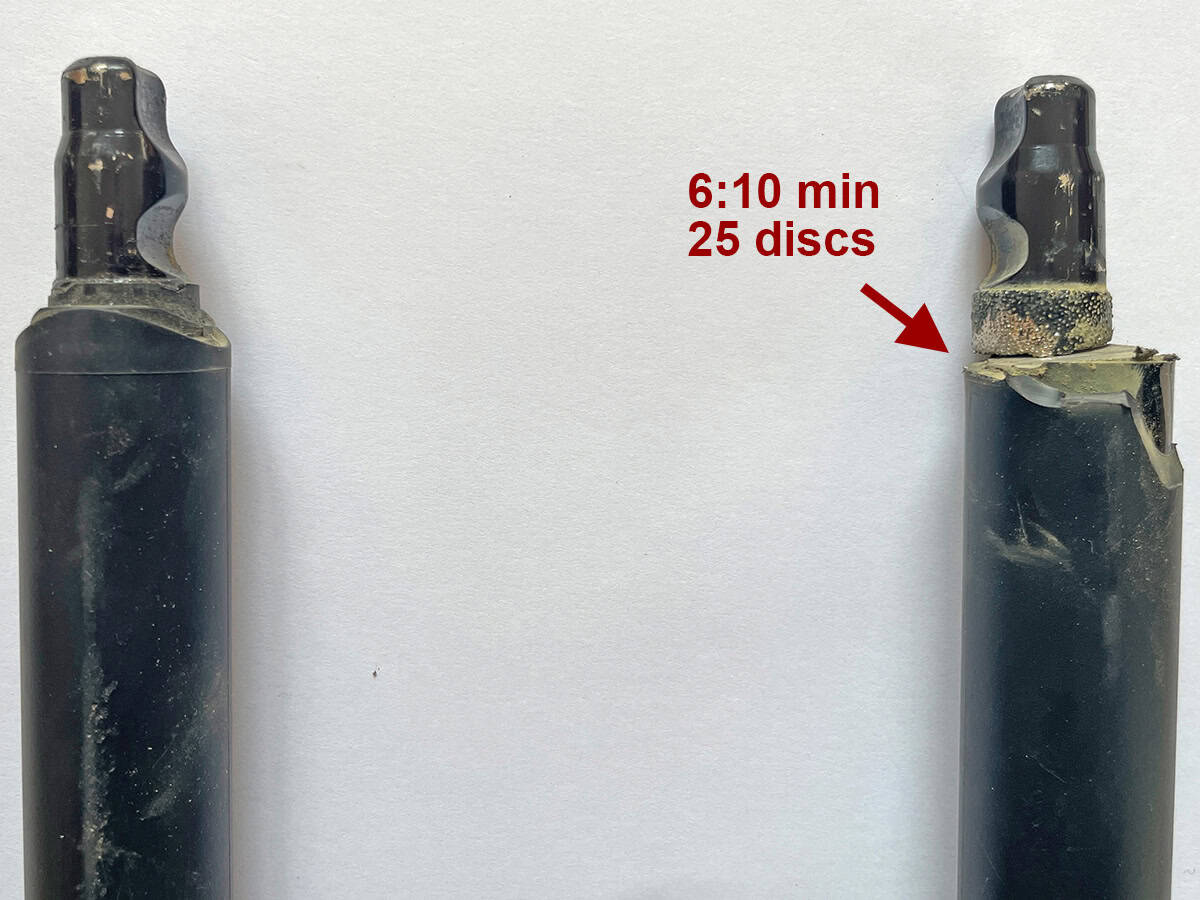
Not every lock can or should be repaired. Severe structural damage or extreme age may make replacement the safer and more economical choice.
Signs Your Lock Cannot Be Repaired
Some issues indicate total failure of the security mechanism. Continuing to use a compromised lock puts your bike at risk.
* Deep cracks or severe pitting on the shackle surface.
* Keys turn freely but the mechanism never releases.
* Evidence of forced entry attempts or tampering.
* Lock age exceeding ten years with heavy daily use.
Evaluate Warranty and Replacement Options
Check your warranty status before buying a new lock. Kryptonite stands behind their products against manufacturing defects.
* Review your registration date and warranty terms online.
* Contact support if you suspect a manufacturing defect.
* Consider upgrading to a newer model if your current one is obsolete.
Frequently Asked Questions About Kryptonite Lock Repair
Can I use WD-40 to fix my stuck Kryptonite lock?
No, you should avoid using WD-40 inside the keyway because it attracts dust and dries into a gummy residue. This residue traps more dirt and causes the lock to seize worse over time. Always use electrical contact cleaner for flushing and dry graphite or Teflon lube for lubrication.
What should I do if my key breaks inside the lock?
Do not attempt to push the broken piece further into the cylinder. Use needle-nose pliers to gently extract the fragment or apply super glue to the end of a intact key to bond and pull it out. If extraction fails, you will likely need to replace the entire lock cylinder.
How often should I lubricate my bike lock?
You should lubricate your lock with dry lube every three to six months depending on usage. Riders in wet, salty, or dusty environments should perform this maintenance monthly. Regular lubrication prevents rust and keeps the internal pins moving smoothly.
Why won’t my Kryptonite key turn even after cleaning?
If cleaning does not work, the issue may be a worn key, damaged internal pins, or a misaligned cylinder. Try your spare key first, as your primary key might be too worn to engage the pins correctly. If both keys fail, the internal mechanism likely requires professional repair or replacement.
Is it worth repairing an old Kryptonite lock?
Repair is worth it if the shackle and body are structurally sound and the issue is just dirt or dried lubricant. However, if the shackle is cracked, deeply pitted, or the lock is over ten years old, replacement is safer for your bike security.
Key Takeaways for Successful Kryptonite Lock Repair
Most lock failures result from dirt buildup or lack of lubrication rather than mechanical defects. By flushing the keyway with contact cleaner and applying dry graphite lube, you can restore function to almost any sticky Kryptonite lock.
Regular maintenance prevents costly replacements and ensures your bike remains secure. Start your Kryptonite lock repair today by gathering the right tools and following these simple cleaning steps to extend the life of your security device.