Losing your e-bike battery key or buying a used bike without one can quickly turn into a frustrating afternoon. The battery sits locked in place, and without that small piece of metal, you cannot charge, swap, or service it. The good news is that most e-bike battery locks can be bypassed safely using common tools and proven techniques.
This guide walks you through how to pick an e-bike battery lock step by step. You will learn how to identify your lock type, release the spring-loaded pin, and remove the battery without causing damage. We also cover replacement keys, professional options, and smart upgrades so you never face this problem again.
Identify Your E-Bike Battery Lock Type First

Before prying anything open, you need to know what kind of lock you are dealing with. Picking the wrong mechanism can crack plastic housings or damage electrical contacts, so a quick inspection saves time and money.
Look for a Spring-Loaded Pin Access Hole
Check the side of the battery housing for a small circular hole, usually 2 to 4 millimeters wide. If you see one, your e-bike almost certainly uses a spring-loaded locking pin. This is the most common design found on budget and mid-range brands like Ecotric, Rad Power, and Aventon. The pin physically blocks the battery from sliding out, and the key simply retracts it.
Check Motor and Controller Labels for Model Numbers
If you have no idea what brand or model you own, look for stamped numbers on the motor, controller, or battery casing. Search those numbers online to find compatible locks, keys, or community forum threads with model-specific advice.
Rule Out Electronic Smart Lock Systems
Premium e-bikes from Bosch, Shimano, or Yamaha often use electronic locking systems that cannot be picked manually. These require coded keys, app authentication, or dealer-level diagnostics. If your lock is flush with the casing and has no access hole, stop here and call a professional.
Use the Screwdriver Method to Release the Locking Pin

This technique works on spring-loaded pin locks, especially the widely used Ecotric Hailong1 design. It requires no disassembly of the battery casing and preserves your ability to reinstall or replace the lock later.
Locate the Access Hole on the Battery Housing
Find the small hole on the side of the battery near the key slot. When you insert and turn the original key, the pin inside this hole retracts. Without the key, that pin stays extended and locks everything in place.
Insert Two Flathead Screwdrivers for Leverage
Slide one flathead screwdriver into the gap between the battery and frame. Position its tip directly under the locking pin. A second screwdriver helps stabilize the battery and apply upward pressure where you need it most.
Pry the Pin Upward with Steady Pressure
Angle the screwdriver tip so the edge slides beneath the pin. Apply slow, gradual upward pressure rather than forcing it all at once. The pin is spring-loaded, so once enough force builds, it pops up and disengages on its own.
Slide the Battery Out Once the Pin Releases
With the pin retracted, the lock no longer blocks the battery. Carefully slide the battery out along its rails or grooves. If it resists, double-check that the pin is fully released before applying more force.
Remove the Lock Assembly for Replacement

If you plan to swap the lock or install a keyless system, fully removing the lock assembly is the logical next step.
Unscrew the Two Mounting Screws
The lock barrel is typically held in place by two small screws, either Phillips or flathead depending on the model. Use a magnetic screwdriver so you do not lose these tiny fasteners inside the housing.
Lift Off the Lock Mechanism Carefully
Once the screws are out, gently lift the barrel lock from the housing. You will see the spring and pin mechanism exposed. Handle these parts with care if you plan to reuse them.
Install a New Lock or Keyless Upgrade
Match the mounting hole spacing and pin length when choosing a replacement. Standard replacement locks cost between $10 and $25 online. For added convenience, consider a keyless push-button or magnetic lock that eliminates the need for keys entirely.
Try Non-Destructive Alternatives Before Picking
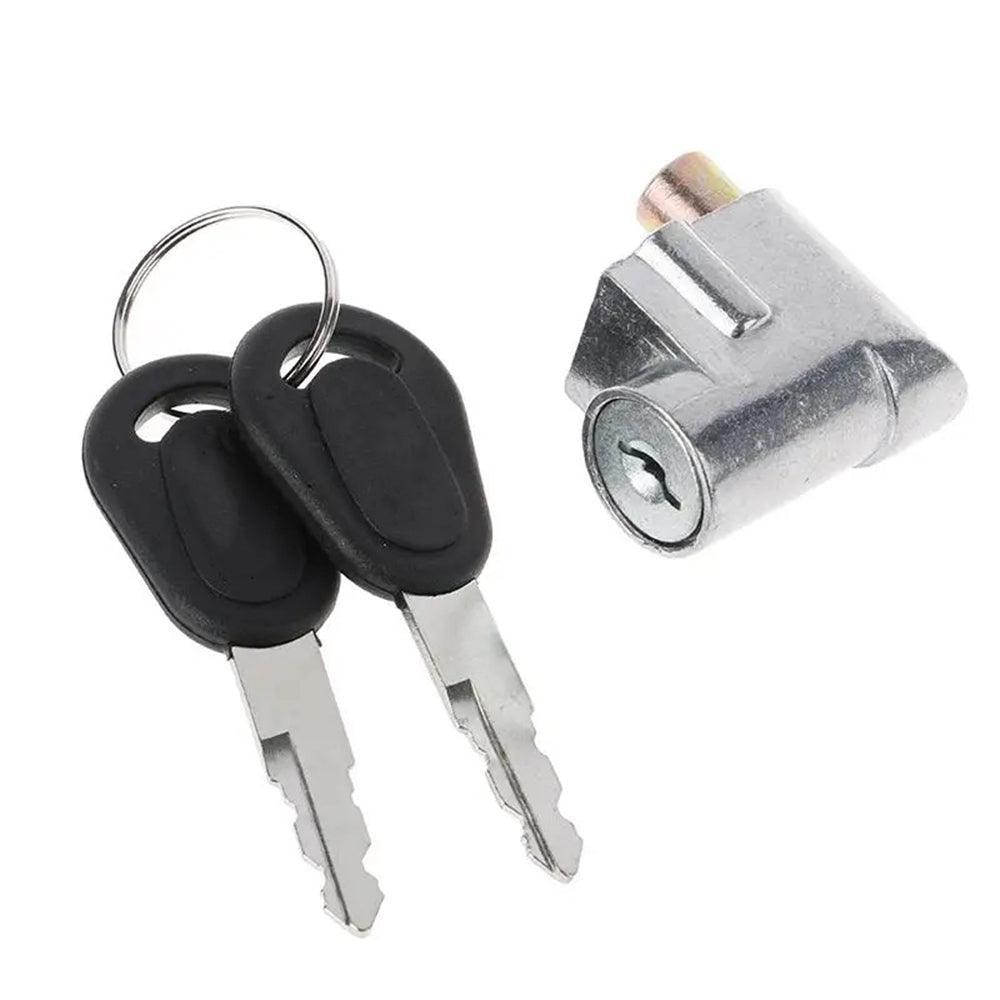
Picking the lock is not your only option. In many cases, a simpler solution exists that avoids any risk of damage.
Order a Replacement Key Using Your Lock Model
Most manufacturers and third-party sellers offer spare keys based on the lock model number or key code. This is often cheaper and safer than picking the lock yourself.
Contact the Previous Owner for a Spare
If you bought the e-bike secondhand, reach out to the seller. They may have a spare key tucked away or know the exact model details needed to order one.
Visit a Local Locksmith for Key Impressioning
If you still have the lock but no key, a locksmith can often impression a new key directly from the mechanism. This involves testing cuts one at a time until the key turns smoothly.
Where to Buy Replacement E-Bike Battery Keys
| Source | Best For | Typical Cost |
|---|---|---|
| eBay | Obscure or discontinued models | $5 to $15 |
| Amazon | Common brands with fast shipping | $8 to $20 |
| Manufacturer Website | High-end OEM systems | $15 to $40 |
| Local Locksmith | Unknown key cuts and impressioning | $10 to $30 |
| E-Bike Shop | Expert advice and test fitting | $15 to $50 |
Safety Checks Before Riding After Lock Removal
Removing or tampering with the lock means you should verify the electrical system before taking the bike on the road. Some e-bikes pose real safety risks if the controller is damaged or misconfigured.
Test the Battery Charge Level
Plug the battery into its charger and look for an LED indicator or display signal. A functioning battery should show a charging light within a few minutes. No light after 10 minutes suggests a dead battery or internal failure.
Inspect the Display and Controller
Reconnect the battery and power on the display. Watch for the startup sequence, speed readings, and any fault codes. Some e-bikes auto-engage the motor the moment the battery connects, so keep the bike supported and the wheel off the ground during this test.
Verify Throttle and Brake Cutoff Functions
Confirm that the throttle does not engage on its own, the brakes cut motor power when pulled, and pedal assist only activates while pedaling. If anything behaves erratically, stop immediately and have a professional inspect the controller.
Know When to Call a Professional
Not every lock can be picked safely at home. Some situations call for expert help to avoid costly damage or personal injury.
Seek Professional Help in These Scenarios
- The lock is fully enclosed with no access hole
- You own a premium system from Bosch, Yamaha, or Brose
- You feel uncomfortable working around electrical components
- The battery or controller shows visible damage or corrosion
Where to Find Qualified Help
Local e-bike repair shops, specialized e-bike locksmiths, and manufacturer-authorized service centers all offer lock removal and key replacement services. Most charge between $20 and $50, which is often cheaper than risking damage to a $500 battery.
Prevent Future E-Bike Battery Lockouts

Once you have regained access, take a few simple steps to make sure this never happens again.
Keep a Spare Key in a Safe Location
Store a backup key at home, in your wallet, or with a trusted friend or family member. Engraving your phone number on the key ring helps anyone who finds it return it to you.
Upgrade to a Keyless Lock System
Modern keyless options include push-button releases, magnetic locks, and Bluetooth-enabled smart locks. These eliminate lost key problems entirely and some models even send tamper alerts to your phone.
Document Your Key Code for Future Replacements
When you receive a new key, write down the key code stamped on it or the lock body. Save a photo in your phone labeled clearly so you can order replacements without the physical key in hand.
Frequently Asked Questions About Picking an E-Bike Battery Lock
Can I pick an e-bike battery lock without damaging it?
Yes, on spring-loaded pin locks you can release the pin using two flathead screwdrivers without damaging the lock, housing, or battery. The pin is designed to be removable with the right tool. Avoid forcing anything or using excessive prying force.
What tools do I need to pick an e-bike battery lock?
Two thin flathead screwdrivers are the primary tools. You may also need a small Phillips or flathead screwdriver if you plan to remove the lock assembly entirely. A flashlight and magnifier help locate the access hole on smaller batteries.
Is it legal to pick my own e-bike battery lock?
Yes, picking a lock on a bike you legally own is perfectly legal. The methods described here are intended only for owners who lost their key or bought a bike without one. Picking locks on bikes that do not belong to you is illegal.
Will picking the lock void my e-bike warranty?
In most cases, yes. Manufacturers consider any unauthorized tampering with the locking mechanism as a warranty violation. If your bike is still under warranty, ordering a replacement key through the manufacturer is the safer route.
How long does it take to pick an e-bike battery lock?
With the right tools and a clear view of the access hole, the process takes between 1 and 5 minutes. First-timers may need 10 to 15 minutes to locate the hole and position the screwdrivers correctly.
Can a locksmith make a new key for my e-bike battery lock?
Often yes. If you still have the lock installed, a locksmith can impression a new key by testing cuts directly on the mechanism. Bring the bike or the removed lock to your local shop for the fastest service.
Key Takeaways for Picking an E-Bike Battery Lock Successfully

Knowing how to pick an e-bike battery lock comes down to three essentials. First, identify whether your lock uses a spring-loaded pin by looking for a small access hole on the battery housing. Second, use two flathead screwdrivers to gently pry the pin upward until it releases. Third, always test the electrical system before riding to confirm the battery, display, and brakes all function correctly.
Your next step should be ordering a spare key or upgrading to a keyless lock system today. This small investment prevents future lockouts and saves you from repeating this entire process. Store the spare key somewhere safe and document the key code so you always have a backup plan.