Getting locked out of a bathroom, bedroom, or closet can turn a normal day into a stressful one, especially when no key is available. Knowing how to pick a push button lock can save you time and frustration in real emergencies. These simple mechanical locks are common on interior doors, cabinets, and older residential buildings, and they operate with a basic internal lever system. With a few household items and the right technique, you can open most of them in seconds.
This guide breaks down the mechanics, tools, and proven methods for picking a push button lock safely and effectively. You’ll learn how these locks work, which everyday items work best, and how to handle both standard and twist-style designs. Just remember to use this knowledge responsibly and only when you have proper authorization.
How Push Button Locks Work
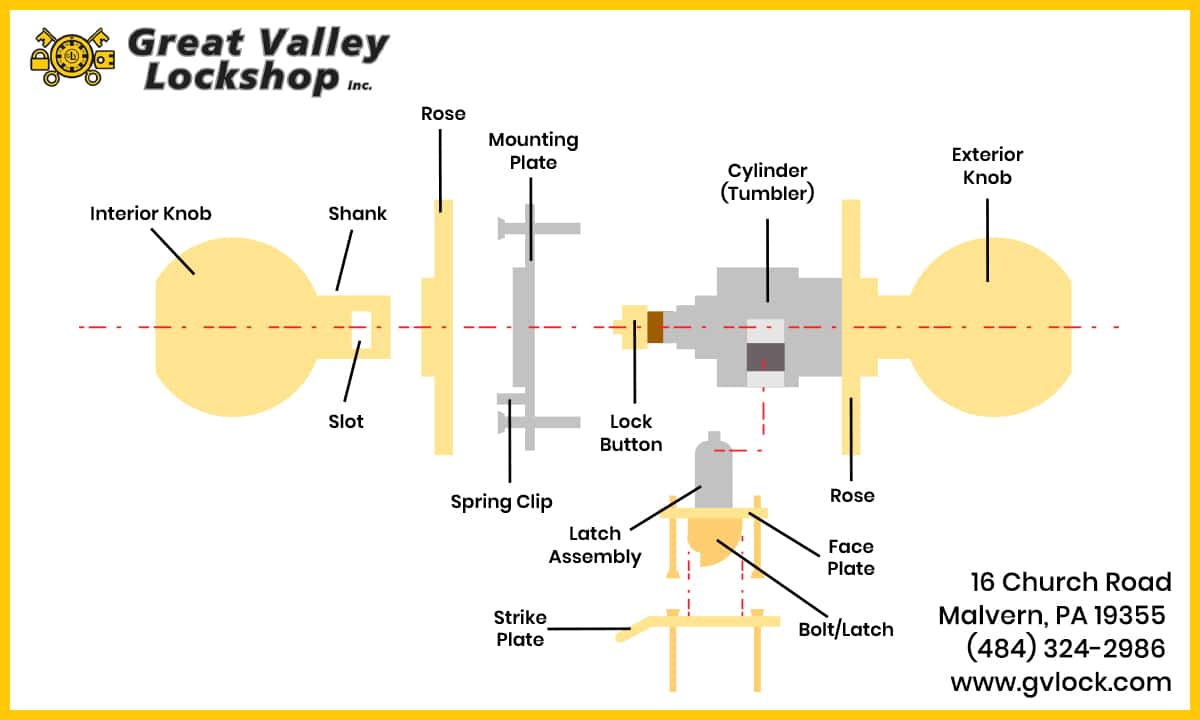
Before you try to pick any lock, it helps to understand the basic design. Push button locks rely on a simple internal mechanism that makes them vulnerable to bypassing.
The Internal Lever System
A push button lock features a small lever inside the doorknob. Pressing the button raises the lever, which blocks the knob from turning. To unlock the door, the lever must be pushed back down manually through a small access hole. This straightforward design is what makes these locks easy to pick with the right approach.
Locating the Access Hole
Look for a small hole in the center of the doorknob. This is your entry point for any picking tool. Some models use a pin-style button, while others rely on a twist mechanism. If you can see a hole, there’s a good chance the lock can be bypassed with a thin tool.
Common Places You’ll Find These Locks
Push button locks are typically installed in low-security areas, including:
- Bathroom and bedroom interior doors
- Closets and storage rooms
- Cabinets and toolboxes
- Older residential buildings
These are not high-security locks, which makes them ideal candidates for emergency access using basic tools.
Tools You Need to Pick a Push Button Lock

You don’t need a professional lock picking kit. Common household items work perfectly well.
Everyday Items That Get the Job Done
The following tools are thin, rigid, and easy to find:
- Straightened paperclip – the most accessible and effective option
- 14-gauge wire or clothes hanger – sturdy and precise
- Tiny hex key (Allen wrench) – fits certain models
- Nail file or safety pin – useful for smaller holes
Pick a tool thin enough to slide straight into the center hole without bending.
When a Screwdriver Works Better
Some push button locks use a twist mechanism rather than a push lever. These models have a slotted post visible inside the hole. A small flathead screwdriver is the best tool for this design. Insert it straight and turn clockwise to release the lock.
Preparing Your Tool for Best Results
A few quick prep steps can make the process smoother:
- Straighten the wire or paperclip completely
- File the tip flat for better contact with the lever
- Avoid inserting at an angle, since straight alignment is critical
- Test the tool’s rigidity, because flimsy tools won’t apply enough pressure
Step-by-Step Method: Picking a Standard Push Button Lock

Use this technique for locks with a push-down lever inside the center hole.
Step 1: Hold the Doorknob Steady
Grip the doorknob firmly with one hand to prevent it from moving while you work. A stable knob gives you better control over your tool.
Step 2: Insert the Tool Straight Into the Hole
With your other hand, slide your straightened paperclip or wire directly into the center hole. Push it in fully until you feel resistance. You’ve reached the internal lever.
Step 3: Feel for the Internal Post
You won’t see the mechanism, but you’ll sense a small, movable piece about 1 to 1.5 inches inside. This is the lever post, and it should shift slightly when pressed.
Step 4: Apply Firm, Steady Pressure
Push the post straight down with consistent force. Avoid jabbing or wiggling, which can misalign the tool. Keep your pressure smooth and controlled.
Step 5: Listen for the Click
After a second or two, you’ll feel or hear a distinct click. That sound means the lever has disengaged. Move quickly to the next step.
Step 6: Turn the Knob to Open
Once the mechanism releases, the knob will turn freely. Open the door gently to avoid damaging the lock or the door frame.
Pro Tip: If the lock doesn’t open on the first try, reposition your tool and apply slightly more pressure. Some levers are stiffer than others and need a bit more force.
How to Open a Twist Mechanism Push Button Lock
Some push button locks require rotation instead of downward pressure. Here’s how to handle that style.
Confirm the Lock Type First
If pushing down doesn’t work, you may be dealing with a twist-style lock. Shine a flashlight into the center hole. If you see a slotted post, this method applies.
Insert the Flathead Screwdriver
Choose a small flathead screwdriver that fits snugly into the slot. Insert it straight in, never at an angle. Misalignment will prevent the tool from engaging properly.
Rotate Clockwise to Unlock
Turn the screwdriver clockwise, just like turning a key. You’ll feel resistance, then a sudden release. Once unlocked, turn the doorknob normally to open the door.
Warning: Forcing the screwdriver can strip the slot. If it resists, stop and check your alignment before trying again.
Troubleshooting: Why the Lock Won’t Open
Even with the right method, a few common issues can prevent success.
Tool Size or Shape Problems
A bent or oversized tool won’t reach the lever properly. Straighten it completely and switch to a thinner option like a safety pin if needed.
Inserted at the Wrong Angle
Angling the tool causes it to press against the cylinder wall instead of the lever itself. Always insert the tool straight and centered for the best results.
Wrong Lock Type
Not all button locks respond to these methods. Electronic locks, deadbolts, and key-operated models require completely different techniques and tools.
Worn or Jammed Mechanism
Older locks may have stiff, corroded, or broken levers. Apply gentle tapping pressure while pushing down to free a stuck part. If the mechanism feels damaged, stop and call a professional.
Quick-Access Tips for Emergencies

Speed matters when someone is locked behind a door and needs help fast.
Start with a Paperclip
It is the fastest and most accessible tool. Keep a straightened paperclip in your emergency kit or wallet so you’re always prepared.
Shine a Light Into the Hole
Use your phone’s flashlight to see the internal post. This helps confirm you’re targeting the right spot and improves your accuracy.
Try the Credit Card Method as Backup
If the door has a gap between the frame and latch, try sliding a credit card between them. This works on some spring-latch setups when other methods fail.
Check for Hidden Keys First
Before picking the lock, look in these common hiding spots:
- Top edge of the door frame
- Under a mat or doormat
- Inside a decorative wall niche
- Near baseboards or behind furniture
Sometimes the key is closer than you think and saves you the trouble entirely.
Ethical Guidelines for Picking a Push Button Lock
This skill comes with serious responsibility. Always use it the right way.
Limit Use to True Emergencies
Legitimate scenarios include:
- A child locked inside a bathroom
- Someone unresponsive behind the door
- A medical emergency requiring immediate access
Never use this technique to invade privacy or gain unauthorized entry.
Confirm Authorization First
Even in your own home, respect others’ privacy. Only pick a lock when you have a legitimate reason and permission whenever possible.
Teach Responsibility When Sharing
If you show someone else how to pick a push button lock, emphasize ethics and safety. This knowledge should protect people, never harm them.
Preventing Future Lockouts
Avoiding the need to pick locks in the first place is always the better strategy.
Install Emergency Release Hardware
Emergency release knobs allow unlocking from the outside with a simple tool or coin. They are ideal for bathrooms, bedrooms, and any room used by children or elderly individuals.
Upgrade to Keyless or Smart Locks
Modern keyless door handles and smart locks with PIN codes eliminate the need for physical keys. You won’t have to worry about lockouts at all.
Add Child-Safe Lock Options
For households with kids, use door knob covers or place latches out of reach instead of relying on push button locks.
Keep a Spare Key Accessible
Store a backup key in a secure but reachable location, such as a magnetic key holder under a porch rail or inside a locked combination box.
When to Call a Locksmith
Some situations are beyond what a paperclip can fix. Know when to bring in a professional.
Damaged or Broken Mechanism
If the lock feels broken or won’t respond to gentle pressure, stop trying. Forcing it can cause costly damage to the door and hardware.
Jammed or Misaligned Doors
Even if you unlock the mechanism, a warped or shifted door won’t open. A locksmith can diagnose structural issues and get the door functioning again.
High-Security or Electronic Locks
Smart locks, deadbolts, and electronic systems require specialized tools and training. Don’t risk damaging expensive hardware by trying to bypass them yourself.
Frequently Asked Questions About Picking a Push Button Lock
Can all push button locks be picked with these methods?
No. These techniques only work on basic mechanical push button locks found on interior doors, cabinets, and low-security entry points. Electronic locks, deadbolts, and key-operated models require different tools and skills.
What is the easiest tool to use?
A straightened paperclip is the most accessible and effective option for most people. It’s thin enough to fit the center hole, rigid enough to apply pressure, and available in nearly every home or office.
Is it legal to pick a push button lock?
Laws vary by location, but generally you should only pick a lock you own or have explicit permission to bypass. Using these methods to gain unauthorized access to someone else’s property is illegal in most areas.
How long does it take to pick a push button lock?
Most basic push button locks can be opened in under a minute once you know the technique. Beginners may take a few attempts, but with practice the process becomes nearly instant.
Will picking damage the lock?
When done correctly with steady, controlled pressure, picking a basic push button lock rarely causes damage. However, using excessive force, the wrong tool, or improper angles can bend internal components or strip the mechanism.
What should I do if the method doesn’t work?
Stop after a few gentle attempts and reassess. Check the tool size, insertion angle, and lock type. If the mechanism feels damaged or stuck, contact a licensed locksmith instead of forcing it further.
Key Takeaways for Picking a Push Button Lock Safely
Knowing how to pick a push button lock is a practical skill that can help in real emergencies. Using a paperclip, wire, or screwdriver, you can open most basic interior doors in seconds without specialized tools. Focus on precision rather than force, always insert your tool straight into the center hole, and listen for the click that signals success.
Above all, act responsibly. Use this knowledge only when you have authorization and a legitimate reason, and consider upgrading to keyless or smart locks to prevent future lockouts. With the right approach, you’ll turn a stressful situation into a quick fix while keeping everyone safe and respecting their privacy.