You are standing over your bike with a forgotten code, feeling the panic rise as your ride remains stuck. This guide explains exactly how to open a bike lock without the combination using only your hands and careful listening.
Most cable locks have a mechanical flaw that lets you find the code through tactile feedback. You will learn the specific tension technique to detect correct numbers and why upgrading your security is vital after this success.
Apply Gentle Tension to Reveal the Code
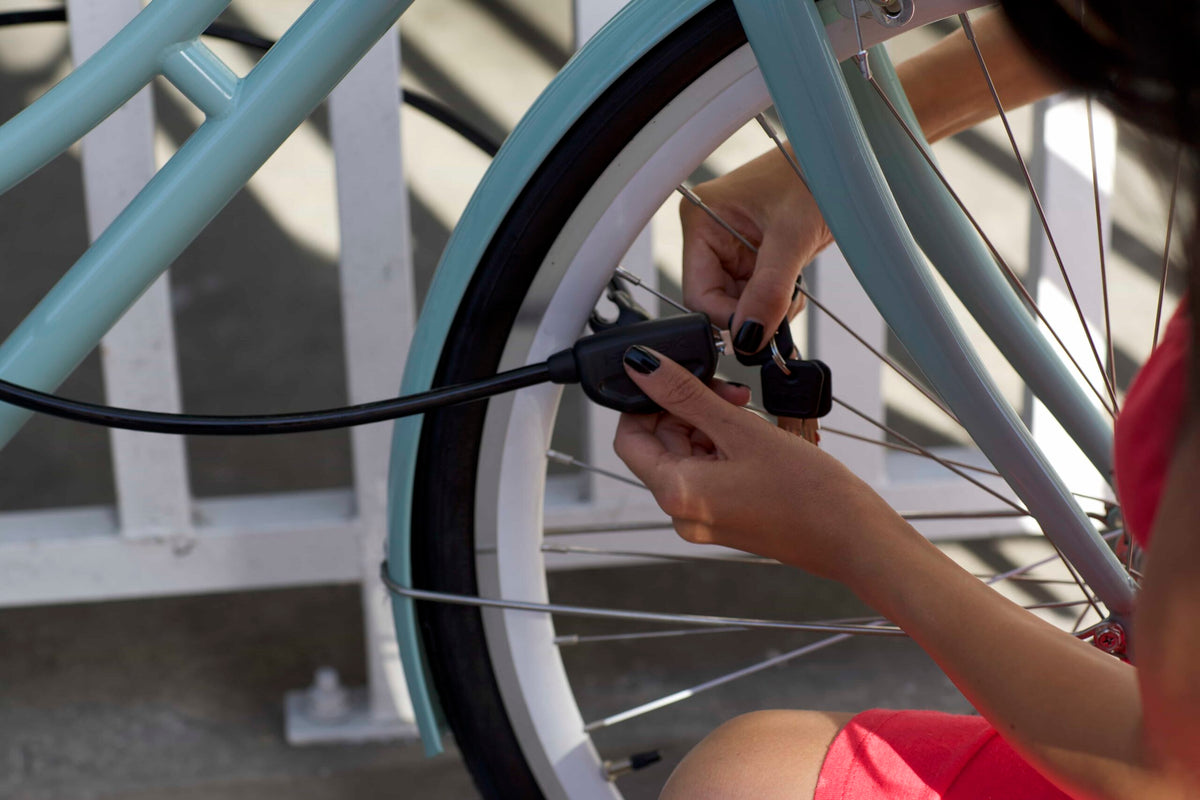
The secret to opening these locks lies in creating specific pressure on the internal mechanism. You must pull the two ends of the lock apart gently but firmly with your hands.
This tension forces the internal wheels to bind against the housing at incorrect numbers. When a wheel hits the correct digit, the binding releases, creating a detectable change you can feel or hear.
Rotate the Rightmost Dial First
Always begin your attempt with the dial furthest to the right. This wheel typically offers the clearest feedback because it is closest to the locking mechanism release point.
Turn the dial slowly, one number at a time, while maintaining your pulling tension. Do not spin the wheel quickly or you will miss the subtle cues the lock provides.
Look for these specific signs that you have found the right number:
* A soft click or snapping sound
* A sudden drop in resistance making the dial feel loose
* A momentary stiff spot that suddenly gives way
* A sensation that the dial has “dropped” into a groove
Detect Resistance Shifts on Remaining Dials

Once you identify the first number, keep the tension applied and move to the next dial to the left. Repeat the slow rotation process while watching for similar changes in feel.
Some dials provide a loud click while others only offer a slight change in texture. You must pay close attention to how the dial feels under your thumb as you turn it.
Common indicators for the middle and left dials include:
* A distinct “catch” where the wheel momentarily sticks
* A section where the dial spins more freely than on other numbers
* A subtle change in the sound of the mechanism grinding
Test the Combination Under Pressure
After setting all dials to your suspected numbers, pull the lock ends apart with increased force. If the lock does not open immediately, do not assume you failed completely.
Often one digit is slightly off or the tension was released too early during the process. Adjust the dial that felt the least certain and try pulling again.
You may need to cycle through your suspected numbers one more time. Sometimes the lock requires all digits to be set perfectly before the final pull releases the shackle.
Why Tactile Feedback Opens Cable Locks
This method works because of the simple cam-and-ratchet design inside budget cable locks. Each dial connects to an internal wheel that must align perfectly to create a clear path for the cable end.
Cheap manufacturing tolerances mean these wheels do not fit tightly inside the housing. When you apply tension, the misaligned wheels press hard against the casing, creating friction you can feel.
The Mechanics of Internal Cams
Inside the lock, each number wheel has a specific groove cut into it. The locking bar sits in these grooves only when every single wheel is in the correct position.
Until then, the bar rests on the flat surface of the wheels, preventing movement. Your tension pushes the bar against these surfaces, maximizing the friction on wrong numbers.
When the groove aligns with the bar, the friction disappears instantly. This sudden lack of resistance is the “smooth spot” or “click” you detect with your fingers.
Interpreting Physical Sensations Accurately
Understanding what your hands are telling you is critical for success. Different sensations correspond to specific mechanical states within the lock body.
| Sensation | Mechanical Meaning |
|---|---|
| Sudden click | Wheel groove aligned with locking bar |
| Increased stiffness | Wheel edge binding against the bar |
| Decreased resistance | Correct number found; friction reduced |
| Free spinning | Insufficient tension applied |
High-end locks minimize these gaps to prevent this exact trick. However, most standard cable locks have enough play in the system for this technique to work reliably.
Avoid These Common Mistakes
Even with the right technique, simple errors can prevent you from opening the bike lock. Many people fail because they apply too much force or move too fast.
Using Excessive Force
Pulling the lock ends apart with all your strength jams the internal wheels together. This makes every number feel stiff and hides the subtle release points you need to find.
Fix: Apply just enough tension to feel resistance, similar to stretching a rubber band lightly. The goal is sensitivity, not brute strength.
Spinning Dials Too Quickly
Rushing through the numbers causes you to skip over the brief moment where the wheel aligns. The feedback is instantaneous and easy to miss if you are not patient.
Fix: Rotate one digit at a time and pause briefly on each number. Give your fingers time to register any change in texture or sound.
Starting from the Wrong End
Attempting to solve the leftmost dial first often leads to confusion. The rightmost wheel usually provides the most distinct feedback and should be solved first.
Fix: Always start with the rightmost dial and work your way left. This sequential approach ensures you lock in the most sensitive digits first.
Ignoring Lock Variations
Not every cable lock behaves exactly the same way due to manufacturing differences. Some may require you to release tension slightly to pop open.
Fix: If the standard method fails, try varying your tension or reversing the order in which you check the dials. Patience and adaptation are key.
Limitations of This Method on Other Locks

You might wonder if this trick works on every type of bike security device. The answer is no, as this technique relies on specific mechanical flaws found mostly in cable locks.
U-Locks and Heavy Chains
These locks use hardened steel shackles and precision mechanisms that do not bind loosely like cable locks. You cannot open them by feel alone.
- U-locks require specialized picking tools or a key
- Chain locks have too many links to manipulate by hand
- Hardened steel resists the tension required for this trick
Smart Locks and Disc Brakes
Modern electronic locks and disc brake locks operate on different principles entirely. They lack the mechanical cams that create the tactile feedback this method exploits.
- Smart locks need digital authentication via an app
- Disc locks often have tighter tolerances than cable locks
- Brute force or digital bypass is the only option here
This feel-and-listen approach is specific to combination cable locks with loose internal tolerances. Do not waste time trying it on high-security hardware.
Emergency Alternatives When Feeling Fails
If you cannot detect the subtle clicks or are in a desperate hurry, you may need to resort to destructive methods. These options will ruin the lock but save your time.
Cutting the Cable
Cable locks are designed for convenience, not high security. A simple pair of wire cutters can slice through thin cables in seconds.
- Use diagonal cutting pliers for thin cables
- Employ bolt cutters for thicker braided steel
- An angle grinder works for the toughest cables but creates sparks
Calling a Professional Locksmith
If you lack tools or fear damaging your bike frame, a locksmith can help. They have the expertise to open or remove the lock safely.
This service typically costs between $50 and $100. It is a worthwhile expense if your bike is expensive or the lock is complex.
Shimming the Mechanism
Some padlock-style mechanisms can be bypassed with a thin shim. This involves sliding a piece of metal between the shackle and the body to release the latch.
- Works best on cheap padlocks with exposed shackles
- Requires a thin piece of metal like a soda can tab
- Ineffective on modern anti-shim designs
Secure Your Bike After Opening

Once you successfully open the lock, your immediate problem is solved, but your long-term security risk remains. You must take steps to prevent future issues.
Record Your Combination Immediately
Human memory is unreliable, especially under stress. Write your new or recovered combination down in a secure place right away.
- Save the code in a password manager app
- Take a photo of the dials set to the code
- Write the number on a label hidden on your bike frame
Upgrade to Higher Security
The fact that you opened this lock with your bare hands proves it offers minimal protection against thieves. A criminal can do the same thing in under a minute.
Consider upgrading to a U-lock or heavy chain for valuable bikes. These provide real resistance against cutting and picking attempts.
| Lock Type | Security Level | Best Use Case |
|---|---|---|
| U-Lock | High | Urban parking, overnight storage |
| Heavy Chain | Medium-High | Flexible anchoring points |
| Folding Lock | Medium | Commuting with portability needs |
| Cable Lock | Low | Secondary wheel security only |
Use cable locks only as a secondary measure to secure a wheel while a U-lock holds the frame. Never rely on them as your primary defense.
Frequently Asked Questions About Opening Bike Locks
Can you open a bike lock without the combination?
Yes, most combination cable locks can be opened without the code by applying tension and feeling for resistance changes. This works because of loose internal tolerances in the mechanism.
How long does it take to crack a cable lock by feel?
With practice, you can open a standard cable lock in under 60 seconds. Beginners might take a few minutes to learn the sensation of the correct numbers.
Does this method work on U-locks or chain locks?
No, this technique does not work on U-locks or heavy chains. Those locks use hardened steel and precision mechanisms that do not provide tactile feedback.
Is it legal to open a bike lock you forgot the code to?
Yes, it is legal to open a lock on your own property or your own bike. However, attempting to open a lock on a bike you do not own is illegal.
What should I do if the tactile method fails?
If you cannot feel the numbers, try using wire cutters to slice the cable or call a locksmith. Do not force the lock as this may damage your bike frame.
Are combination locks safe for expensive bikes?
No, combination cable locks are not safe for expensive bikes. They can be bypassed by hand or cut easily, so use a U-lock for valuable bicycles.
Key Takeaways for Opening Your Bike Lock Safely
You now know that opening a bike lock without the combination is possible using tension and tactile feedback. This simple trick exploits the loose internal design of most cable locks to reveal the code.
Remember that this ease of access means your bike is vulnerable to theft. Upgrade to a U-lock or heavy chain for any bicycle of significant value.
Take action today by recording your combinations securely and assessing your current lock’s strength. Do not wait until you are stranded or, worse, until your bike is stolen.