Your car key refuses to turn and the steering wheel feels completely stuck. This frustrating scenario usually means you have a locked steering wheel caused by mechanical tension from parking at a sharp angle.
You can fix a wheel lock quickly without calling a mechanic or buying special tools. This guide explains exactly how to release the pressure on your ignition so you can start your car safely.
Why Your Steering Wheel Locks Unexpectedly

Your vehicle uses a steering column lock as a built-in anti-theft measure. When you remove the key, a metal dead bolt drops into a slot on the steering gear to block rotation. This design prevents thieves from steering the car if they bypass the ignition system.
The lock engages most tightly when you park with the front wheels turned sharply to the left or right. This position creates mechanical tension that pushes the steering gear against the dead bolt. The resulting pressure stops the key from turning and keeps the wheel from moving until you release the stress.
Common Scenarios That Trigger Locks
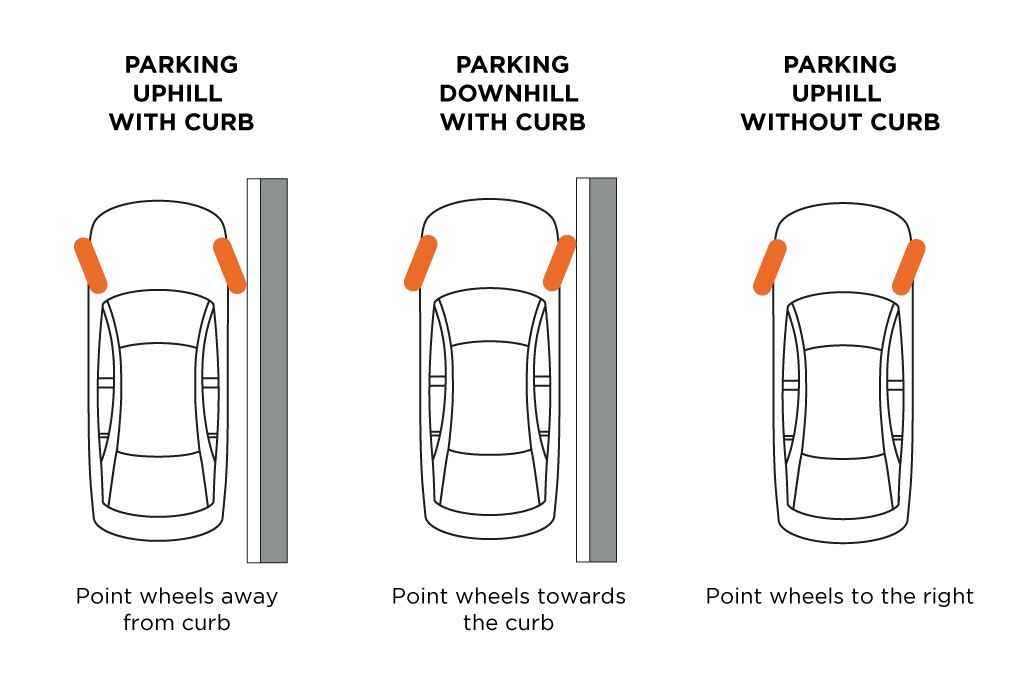
- Parking on a hill with wheels turned toward the curb
- Backing out of a driveway at a steep angle
- Pulling tightly into a narrow parking space
- Leaving the vehicle with wheels cranked fully to one side
This issue rarely happens when your wheels are straight or near the center position. It is not a sign of broken parts but rather the security system working exactly as designed under tension.
Steps to Unlock a Stuck Steering Wheel
Releasing a locked steering wheel requires a specific two-handed technique to relieve pressure on the locking pin. You must coordinate movement between the ignition key and the steering wheel itself to disengage the mechanism safely.
Rock the Wheel While Turning the Key
The most effective method involves applying gentle force to both the key and the wheel simultaneously. Follow these sequential steps to resolve the issue:
- Insert your key fully into the ignition cylinder without forcing it.
- Apply light pressure to turn the key as if you were starting the engine.
- Wiggle the steering wheel left and right with your other hand while maintaining key pressure.
- Feel for a slight click or movement as the dead bolt retracts from the gear.
You will likely notice the wheel move about half an inch in each direction before it frees up. Keep the motion smooth and rhythmic rather than using brute strength to avoid damaging internal components.
Why Gentle Movement Works
Forcing the key hard against the lock can snap the metal or damage the ignition cylinder tumblers. The rocking motion works by shifting the rack-and-pinion gear just enough to align the dead bolt with its release path. Think of it like jiggling a stuck drawer where small adjustments work better than pulling hard.
This process typically takes less than thirty seconds once you find the right rhythm. Success rates are extremely high when you use steady pressure instead of aggressive force.
Critical Mistakes to Avoid During Repair
Many drivers make the situation worse by panicking and applying excessive force to the ignition. Understanding what not to do is just as important as knowing the correct unlocking technique.
Never Force the Key Hard
Trying to muscle the key into turning is the fastest way to break it off inside the lock. A broken key requires expensive extraction services or a full ignition cylinder replacement. If the key does not turn immediately, stop applying torque and focus on wiggling the wheel instead.
Don’t Ignore the Gear Selector Position
Automatic transmission vehicles often prevent the key from turning if the shifter is not fully in Park. You might mistake a transmission interlock issue for a steering wheel lock. Always verify that your gear selector is firmly in the Park position before attempting to unlock the wheel.
Avoid Using General Lubricants Immediately
Spraying standard oil or WD-40 into the ignition can attract dirt and gum up the delicate tumblers inside. Only use graphite-based lubricants designed specifically for locks if the mechanism feels consistently stiff after releasing the tension.
How to Prevent Future Wheel Locks
You can stop this problem from happening again by changing how you park and shut down your vehicle. Small adjustments to your routine eliminate the mechanical tension that causes the lock to engage tightly.
Straighten Wheels Before Shutting Off
Turn your front wheels toward the center position before removing the key from the ignition. Even a small adjustment of ten to fifteen degrees reduces pressure on the steering column significantly. This simple habit takes only two extra seconds but saves you from future frustration.
Use the Parking Brake First
Engage your parking brake before shifting into Park when stopping on an incline. This practice transfers the weight of the vehicle off the transmission and steering system. Reducing the load on these components minimizes the chance of the lock engaging with excessive force.
Leave Extra Space When Parking
Try to leave additional clearance in front or behind your vehicle when possible. Having more room means you do not need to crank the wheels to extreme angles to fit into a spot. Less extreme angles mean less tension on the locking mechanism when you return to your car.
Troubleshooting When the Wheel Won’t Unlock
Sometimes the standard rocking method does not work immediately due to other underlying issues. You need to check specific components if gentle movement fails to release the steering column.
Inspect Your Key Condition
Examine your key for signs of wear, bending, or damage that might prevent proper engagement. A worn key may not reach the tumblers deep enough to release the lock even if the wheel is free. Try using a spare key if your primary one looks damaged or overly smooth.
Check for Ignition Cylinder Failure
Older vehicles may suffer from worn ignition switches that fail to operate correctly. Signs of this issue include the key turning freely without starting the car or dashboard lights failing to illuminate. Consult a professional mechanic if you suspect the ignition cylinder itself has failed.
Address Keyless Ignition Systems
Push-button start vehicles can experience similar locking issues without a physical key to wiggle. Press the start button without your foot on the brake to reset the system, then try starting normally again. Ensure your key fob is in the correct position near the reader if the system seems unresponsive.
Frequently Asked Questions About Wheel Locks
Can a locked steering wheel drain my battery?
No, a mechanical steering lock does not use electricity and cannot drain your battery. The system is purely physical and only engages when the key is removed from the ignition column.
Is it safe to drive if the wheel feels slightly stiff?
No, you should never drive if the steering wheel feels stiff or restricted. Ensure the wheel moves freely left and right before driving to maintain full control of your vehicle.
Does this happen in all types of cars?
This issue primarily affects vehicles with traditional mechanical key ignitions and steering column locks. Modern cars with electronic steering systems or push-button starts rarely experience this specific mechanical bind.
What if my key breaks while trying to unlock the wheel?
Stop immediately if you feel the key bending or hear cracking sounds. You will need to call a professional locksmith to extract the broken piece safely without destroying the ignition assembly.
How long does it take to fix a wheel lock?
Most people can fix a wheel lock in under one minute using the correct rocking technique. The process is instantaneous once you coordinate the wheel movement with the key turn properly.
Key Takeaways for Fixing Your Wheel Lock
A locked steering wheel is a common mechanical occurrence caused by parking with your wheels turned at an extreme angle. You can resolve this issue quickly by gently rocking the wheel left and right while applying light pressure to the ignition key.
Avoid using excessive force that could break your key or damage the ignition cylinder. Prevent future occurrences by straightening your wheels before turning off the engine and using your parking brake on hills. Now that you know how to fix a wheel lock, you can handle this situation calmly whenever it arises.