Parking your car and walking away often feels like a gamble against potential thieves. You might wonder how does a steering wheel lock work to protect your vehicle from being driven off.
This guide explains the mechanical principles behind these devices and shows you how to install them for maximum security. You will learn why this simple tool remains a top choice for preventing auto theft.
Mechanical Design Principles of Steering Locks

A steering wheel lock acts as a physical barrier that immobilizes your vehicle through brute force. It consists of a telescoping bar made from hardened steel or reinforced composite materials.
Ratchet and Locking Mechanism
The core of the device uses a ratchet system that allows the bar to extend but not retract without a key. Each click tightens the bar across the wheel diameter to create rigid tension. This one-way action ensures that pulling or pushing the bar will not loosen its grip.
Claw Attachment Points
One end of the device features a specialized claw designed to hook onto the steering wheel rim. These claws often include rubberized grips to prevent slipping and protect the wheel surface. The design ensures the device stays anchored even when significant force is applied.
Visibility as a Primary Deterrent
Unlike electronic alarms, this device relies on high visibility to discourage theft attempts before they start. Bright colors like red or yellow signal to criminals that your car is a difficult target. Thieves usually seek quick wins and will often bypass vehicles with visible barriers.
How the Device Prevents Steering Movement
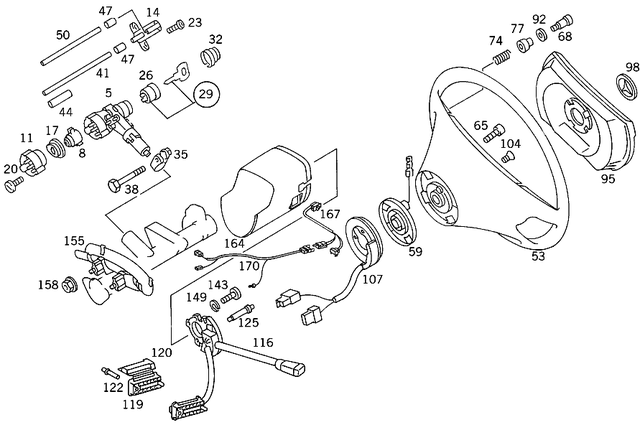
The primary function of the lock is to stop the wheel from turning rather than preventing the engine from starting. This mechanical limitation makes driving the vehicle impossible even if the ignition is bypassed.
Blocking Full Rotation
Most driving maneuvers require at least 180 degrees of steering rotation to navigate safely. The installed bar limits movement to just a few inches in either direction. Attempting to drive causes the bar to hit the dashboard or door frame immediately.
Leveraging Interior Hard Points
Effectiveness increases when the extended bar presses against a fixed part of the car interior. Turning the wheel slightly before installation allows the bar to rest against the A-pillar. Any steering effort transfers force directly into the solid structure of the vehicle frame.
Resisting Force and Tampering
High-quality models are built to withstand attacks from bolt cutters and pry bars. The hardened materials require significant time and noisy tools to defeat. This resistance increases the risk of detection for any thief attempting removal.
Step-by-Step Installation Guide
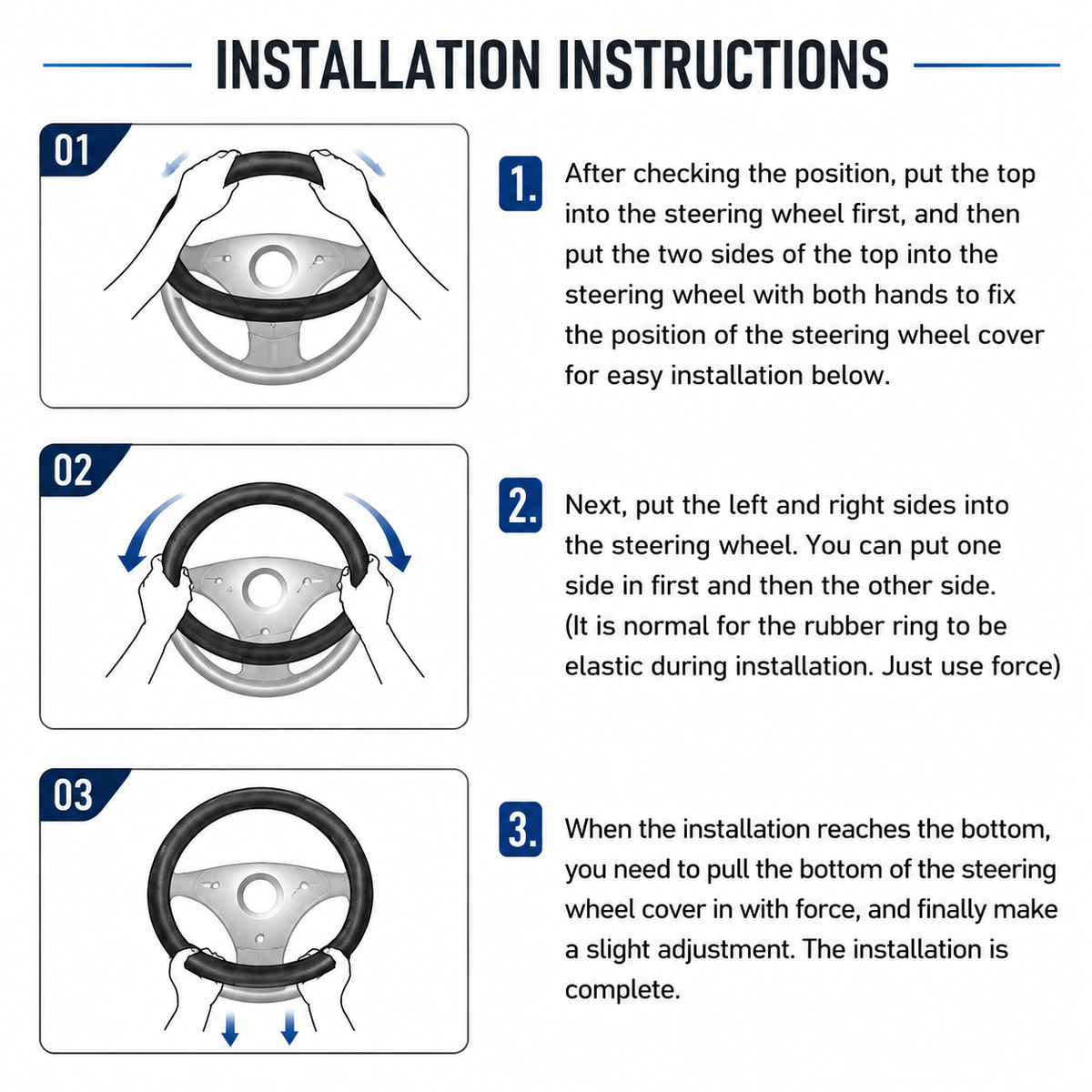
Proper installation is critical to ensure the device functions as intended. Follow these steps to create an immovable barrier across your steering wheel.
Position the Lock Across the Wheel
Park in a safe location and turn your steering wheel about 90 degrees to one side. Identify two points directly opposite each other on the steering wheel rim. This angle ensures the extended bar will press firmly against the A-pillar.
Attach the Claw Securely
Hook the claw end onto the steering wheel at your chosen starting point. Ensure the rubber padding sits flush against the rim without covering airbag seams. A secure fit prevents the device from sliding off during an attack.
Extend and Lock the Bar
Pull the ratcheting bar across the wheel until it reaches the opposite side. Listen for the clicking sound as the ratchet engages with each extension. Continue pulling until the bar is fully extended and pressing hard against the interior structure.
Safe Removal and Storage Procedures
Removing the device correctly ensures you do not damage your vehicle or the lock itself. Proper storage also prevents the device from becoming a target for theft.
Unlock with the Correct Key
Insert the specific key into the lock mechanism on the bar. Turn the key in the required direction to disengage the ratchet system. You will hear a release click indicating the bar can now retract.
Collapse and Remove
Allow the bar to collapse fully until it is compact enough to handle. Unhook the claw from the steering wheel rim gently. Do not force the device if it feels stuck as this may indicate the lock is not fully disengaged.
Store in a Secure Location
Place the club under a seat or in a locked glove compartment immediately. Never leave it visible on the dashboard or passenger seat. Hiding the device prevents opportunistic thieves from stealing the lock itself.
Common Mistakes to Avoid
Users often reduce the effectiveness of their security by making simple errors during setup. Avoiding these pitfalls ensures your vehicle remains protected.
Installing on a Straight Wheel
Leaving the steering wheel centered often prevents the bar from contacting the A-pillar. This mistake allows the wheel to turn slightly more than intended. Always turn the wheel before installation to create a tight wedge.
Using a Worn or Damaged Lock
Inspect your device regularly for cracks in the claw or stiffness in the ratchet. A worn lock may fail under pressure or allow slight movement. Replace any device that shows signs of structural weakness.
Leaving the Key in the Ignition
Storing the club key with your car keys creates a single point of failure. A thief who breaks in can remove the lock instantly if the key is present. Keep the key on your person or in a separate secure location.
Why Visibility Matters in Theft Prevention
The psychological impact of a visible lock is just as important as its physical strength. Most thieves operate under strict time constraints and prefer easy targets.
Increases Time to Steal
Removing a sturdy club requires specialized tools and several minutes of work. This extra time increases the likelihood of police arrival or witness attention. Thieves rarely carry heavy cutting tools for every job.
Draws Attention
A bright bar across the wheel signals to passersby that the car is secured. Security cameras and neighbors are more likely to notice someone tampering with a visible device. This scrutiny makes the theft attempt much riskier.
Encourages Target Switching
Criminals often scan parking lots for unprotected vehicles to minimize effort. Seeing a locked wheel prompts them to move to the next car immediately. This simple visual cue can reduce theft attempts significantly.
Comparison with Other Anti-Theft Devices

Steering wheel locks offer unique advantages when compared to electronic security systems. Understanding these differences helps you build a layered defense strategy.
vs. Immobilizers
Factory immobilizers stop the engine from starting but do not prevent towing or pushing. A mechanical lock stops the car from being driven regardless of ignition status. Combining both provides electronic and physical protection layers.
vs. GPS Trackers
Trackers help locate a vehicle after it has been stolen but do not prevent the crime. A steering lock stops the theft from happening in the first place. Using both offers prevention and recovery capabilities.
vs. Alarm Systems
Alarms rely on noise which people often ignore in busy urban areas. A physical lock provides a silent but impassable barrier that noise cannot replicate. The tangible obstacle is often more effective than sound alone.
Maintenance and Longevity Tips
Regular care ensures your steering wheel lock remains functional for years. Simple maintenance steps prevent mechanical failure when you need it most.
Clean After Use
Wipe down the metal surfaces after exposure to rain or road salt. Dirt and moisture can corrode the ratchet mechanism over time. Keeping it clean preserves the structural integrity of the bar.
Lubricate the Lock Mechanism
Apply a graphite-based lubricant to the keyhole every few months. Avoid oil-based products as they attract dust and grime that can jam the lock. Smooth operation ensures you can remove the device quickly.
Store Properly
Keep the device in a dry place away from extreme temperature fluctuations. Avoid storing it where heavy items might crush or bend the bar. Proper storage maintains the tension and shape of the unit.
When Additional Security Measures Are Needed
While highly effective, a steering lock works best as part of a broader security plan. Certain situations require extra precautions to ensure total safety.
High-Theft Areas
Neighborhoods with frequent break-ins may require multiple deterrents. Consider adding a pedal lock or steering column cover for extra resistance. Layered security makes your car the hardest target on the block.
Luxury or High-Value Vehicles
Expensive cars attract determined thieves who may bring heavy equipment. Use a steering lock alongside a GPS tracker and secure parking garage. Multiple systems create enough delay to stop even professional crews.
Long-Term Parking
Leaving a car unattended for days increases exposure to potential theft. Park in a locked facility and use a steering lock as a secondary measure. Physical barriers like gates provide the strongest first line of defense.
Frequently Asked Questions About Steering Wheel Locks
Can a steering wheel lock be broken easily?
Most high-quality locks require heavy tools like bolt cutters and several minutes to break. This time commitment usually deters thieves who prefer quick and easy targets.
Does the lock prevent the car engine from starting?
No, the device does not interfere with the ignition or engine systems. Its purpose is to physically prevent the steering wheel from turning so the car cannot be driven.
How do I know if the lock is installed correctly?
The bar should press firmly against the A-pillar or door frame with no wiggle room. You should not be able to turn the steering wheel more than a few degrees in either direction.
Should I leave the key inside the vehicle?
Never leave the key inside the car or attached to your regular car keys. Store the lock key on your person or in a separate secure location to prevent easy removal by thieves.
Are steering wheel locks legal to use in all areas?
Yes, these devices are legal to use in all regions as they do not modify the vehicle permanently. They are considered a standard accessory for vehicle security and safety.
Key Takeaways for Understanding How a Steering Wheel Lock Works
Understanding how does a steering wheel lock work reveals that simplicity is its greatest strength. By physically blocking rotation and leveraging the car’s own interior structure, it creates an impassable barrier for thieves. Proper installation and consistent use turn this simple tool into a powerful theft deterrent.
Start using your steering wheel lock every time you park to maximize your vehicle’s security. Combine it with good habits like hiding the key and parking in well-lit areas for complete peace of mind.