You likely trust a Master Lock to secure your gym locker or spare keys, but have you ever wondered what happens inside when you spin that dial? These devices rely on precise mechanical alignment rather than digital code, meaning a single misaligned wheel keeps the shackle firmly locked.
This guide reveals exactly how does a master lock work by breaking down the internal tumblers of padlocks and the pin systems of key safes. You will learn the specific rotational sequences required to open them and discover why skipping a single step guarantees failure.
The Precise Dial Sequence for Padlocks
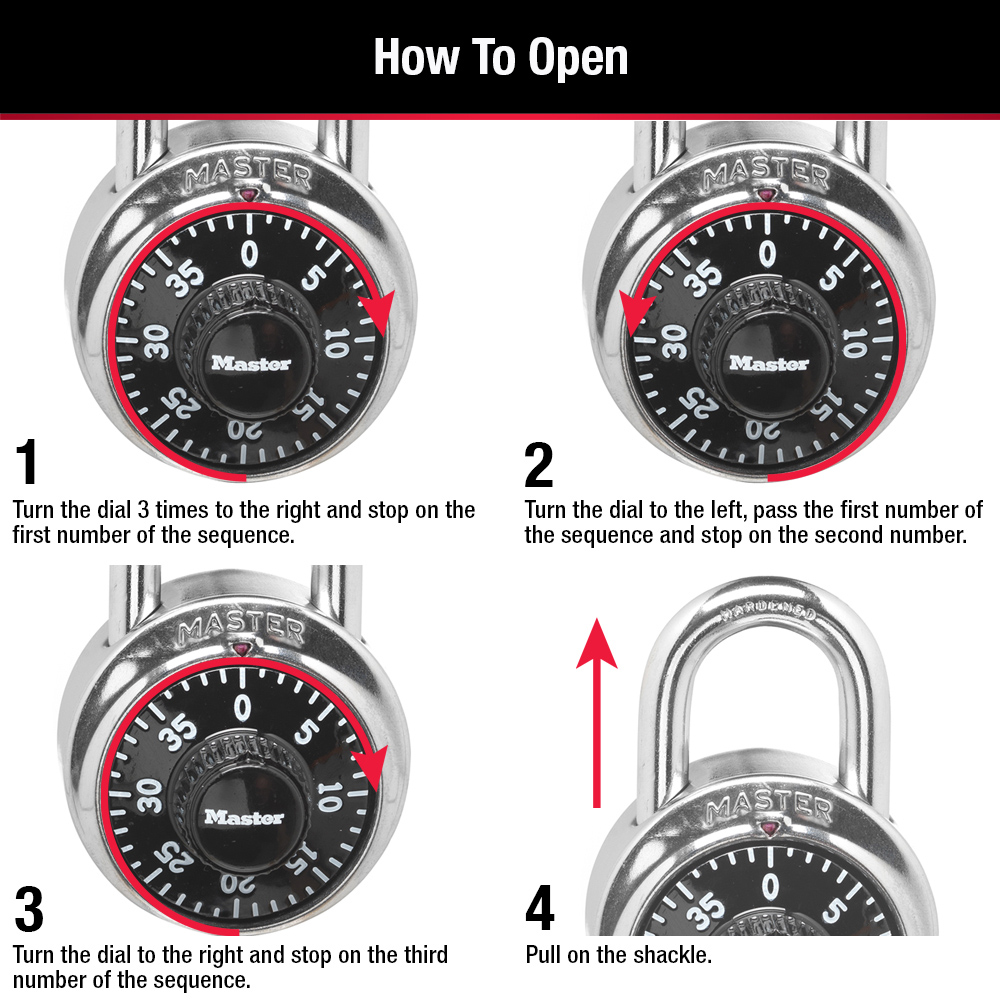
Standard Master Lock padlocks use a single rotating dial connected to three internal wheels called tumblers. Opening the lock requires a strict four-step rotational protocol that clears previous positions and aligns these wheels perfectly.
Step One: Reset and First Number Alignment
You must start by rotating the dial clockwise three full times to clear any residual positioning from prior attempts. Continue turning clockwise until your first combination number aligns exactly with the fixed index mark on the lock body. This initial reset ensures all three internal wheels engage simultaneously before you begin the specific sequence.
Step Two: Counter-Clockwise Turn with Pass-Over
Reverse your direction immediately and turn the dial counter-clockwise while passing your first number one full time without stopping. Continue turning left until the second number of your combination lines up precisely with the index mark. Skipping this pass-over step leaves the second internal wheel misaligned regardless of where the dial stops.
Step Three: Direct Clockwise Turn to Final Number
Turn the dial clockwise again and stop directly on the third number without passing it or going past it even slightly. The internal mechanism relies on this specific directional change to lock the final wheel into place while keeping the first two stationary. Any overshoot requires you to restart the entire process from the beginning to recalibrate the system.
Step Four: Shackle Release Action
Apply firm upward pressure on the U-shaped shackle once all three numbers are perfectly centered on the index mark. If your sequence was accurate and the internal gates are flush, the shackle will lift free and allow the lock to open. Failure to release indicates a misalignment error in one of the previous rotational steps.
Key Safe Box Operation Mechanics
Master Lock key safes like the 5400D operate differently by using four independent dials instead of a continuous rotating sequence. These units rely on static positional alignment and a physical reset lever to secure spare keys inside a protected compartment.
Accessing the Factory Default Code
Every new key safe arrives pre-set to the combination 0000 for immediate user access upon purchase. You simply slide open the protective shutter door, verify all four dials show zero, and press the release button down firmly. Pulling the compartment door downward reveals the interior space where you can store or retrieve keys.
Setting a Custom Four-Digit Code
Open the safe with your current code and locate the small reset lever on the side of the internal mechanism. Push this lever left and down until it locks into place, then rotate each of the four dials to your desired new numbers. Return the lever up and right to lock the new combination into the internal pin configuration permanently.
Essential Scrambling Habits for Security
Always scramble the dials randomly immediately after closing the key safe door to prevent unauthorized access. Leaving the dials on the correct code allows anyone who sees the unit to open it without needing to guess the combination. This simple habit is the most effective defense against opportunistic theft or curious onlookers.
Internal Mechanism Breakdown

The internal workings of these locks explain why precision is non-negotiable for successful operation. Both padlocks and key safes use binary states where components are either fully aligned to open or completely blocked to stay locked.
Padlock Tumblers and Gate Alignment
Inside a combination padlock, three stacked wheels rotate on a central shaft with a notch called a gate cut into each edge. When you dial the correct sequence, these gates align vertically to create a continuous gap for a metal fence to drop into. This dropping action releases the shackle, but misalignment by even a fraction prevents the fence from entering the gap.
Key Safe Pin Tumbler Configuration
Key safes utilize a positional system where each of the four dials controls a specific internal pin within the lock body. Aligning the correct digits retracts these pins into proper positions so a spring-loaded latch can disengage when you press the release button. Unlike padlocks, there is no directional sequence logic, only the final static position of the dials matters.
Critical User Mistakes to Avoid
Even experienced users often make simple errors that prevent the lock from opening despite knowing the correct numbers. Understanding these common pitfalls helps you troubleshoot issues quickly and avoid unnecessary frustration.
Frequent Padlock Dialing Errors
- Skipping the initial three full clockwise turns prevents the first number from engaging all wheels correctly.
- Failing to pass the first number on the second step leaves the second wheel out of sync.
- Reversing direction after overshooting a number ruins the entire sequence and requires a full restart.
- Pulling the shackle before the third number is perfectly aligned keeps the internal fence blocked.
Common Key Safe Oversights
- Forgetting to return the reset lever to its original position means your new code will not save.
- Leaving dials on the correct combination after use invites theft from anyone who walks by.
- Choosing obvious codes like 1234 or birth years makes your safe vulnerable to guessing attacks.
Security Best Practices
A lock is only as strong as the habits of the person using it, so following security guidelines maximizes your protection. Proper maintenance and code selection ensure your Master Lock performs reliably when you need it most.
Selecting Strong Combinations
Avoid repetitive digits like 2222 or sequential patterns like 4567 that thieves often try first. Choose random digits with no obvious personal connection to make guessing your code significantly harder for others. A random sequence like 7-1-9-3 offers far better protection than a predictable pattern.
Utilizing Digital Storage Solutions
Master Lock offers a free service called MasterLockVault.com where you can securely store your combinations online. This digital vault allows you to access codes from any device and share them with trusted family members or property managers. Relying on this service eliminates the risk of losing a written note containing your secret numbers.
Performing Regular Maintenance Tasks
Spray dry lubricant like silicone into the dial mechanism every few months to prevent dirt and moisture buildup. Wipe the shackle and body with a dry cloth and operate the lock several times to work the lubricant into internal parts. Never use oil-based lubricants because they attract dust and gum up the delicate internal mechanism.
Troubleshooting Locked Units
Your lock may fail to open even with the right combination if dirt, wear, or user error interferes with the mechanism. Use this diagnostic approach to identify the problem and apply the correct fix.
Diagnosing Padlock Failures
| Symptom | Likely Cause | Immediate Fix |
|---|---|---|
| Shackle will not pull up | Incorrect dialing sequence | Restart from step one with three full right turns |
| Dial feels stiff or stuck | Dirt or corrosion inside | Clean mechanism and apply dry lubricant |
| Numbers appear off-center | Wear or impact damage | Try rotating one digit higher or lower |
| Lock opens randomly | Worn internal parts | Replace the lock immediately as security is gone |
Resolving Key Safe Issues
Ensure the compartment door is fully closed before scrambling dials if the release button feels stuck. Check for debris blocking the latch and verify the reset lever is fully returned to its upright locked position. Persistent button failure usually indicates a damaged internal spring that requires unit replacement.
Comparing Padlock and Key Safe Models
Understanding the differences between these two lock types helps you choose the right security solution for your specific needs. Each design serves a distinct purpose based on how the internal mechanisms function.
| Feature | 3-Dial Padlock | 4-Dial Key Safe |
|---|---|---|
| Input Method | Single rotating dial | Four independent dials |
| Sequence Logic | Directional Right-Left-Right | Static alignment only |
| Reset Process | Rotational clearing | Physical lever manipulation |
| Primary Action | Pull shackle upward | Press button and slide door |
| Best Use Case | Lockers and gates | Spare key storage |
Final Tips for Reliable Master Lock Operation
Mastering your lock requires practice and attention to the specific mechanical requirements of your model. Whether you use a padlock or key safe, consistency in your technique ensures reliable access every time.
- Practice the full sequence slowly until muscle memory allows you to perform it without looking.
- Teach authorized users the exact steps to prevent errors caused by incomplete instructions.
- Store your combination securely using MasterLockVault.com to prevent loss or theft.
- Replace old or damaged locks immediately since worn mechanisms compromise your security.
- Test your lock monthly to ensure smooth operation and catch potential issues early.
Frequently Asked Questions About Master Locks
What happens if I overshoot a number on my padlock?
You must restart the entire sequence from the beginning with three full clockwise turns. Simply turning back to the correct number will not realign the internal wheels properly.
Why won’t my key safe button press down?
Ensure the compartment door is fully closed and the dials are scrambled away from the current code. The reset lever must also be in the upright locked position for the button to engage.
Can I change the combination on a standard padlock?
Most standard Master Lock padlocks have fixed combinations that cannot be changed by the user. Only specific resettable models allow you to set a new code using a special tool or lever.
How do I find my lost combination?
Master Lock does not keep a record of user combinations for security reasons. You must have recorded your code in a safe place like MasterLockVault.com or contact the original purchaser.
Is it safe to leave my key safe dials on the code?
No, leaving dials on the correct combination allows anyone to open the safe immediately. Always scramble the dials randomly after every use to maintain security.
Key Takeaways for Understanding How a Master Lock Works
Knowing how does a master lock work empowers you to operate your device correctly and maintain its security features effectively. Precision in dialing sequences and proper maintenance habits are the keys to reliable performance.
Your lock relies on exact mechanical alignment where even a slight error prevents opening. Follow the specific rotational steps for padlocks and the static alignment rules for key safes to ensure success.
Start practicing these techniques today and store your combinations securely to avoid future lockouts. Proper usage extends the life of your lock and keeps your valuables safe from unauthorized access.