You have likely seen a movie scene where a character jiggles a thin tool in a lock until it clicks open. This moment often feels like magic, yet how does a lock pick work relies on simple physics rather than sorcery. The process exploits tiny manufacturing flaws found in almost every standard door lock to mimic the action of a key.
This guide explains the mechanical secrets behind pin tumbler locks and the precise tools used to open them. You will learn how tension creates binding points, why pins set one by one, and the specific techniques professionals use to bypass security without damage.
Why Pin Tumbler Locks Have Weaknesses

Most residential and commercial locks use a pin tumbler design that stops rotation unless the correct key lifts internal components to an exact height. The lock consists of an outer housing and an inner cylinder called the plug. Between these two parts lies the shear line, a critical gap where pins must align perfectly for the plug to turn.
Inside the vertical chambers, two types of pins create the barrier. Key pins sit at the bottom and touch the key, while driver pins rest on top to block movement. When no key is present, driver pins straddle the shear line and lock the mechanism in place.
How Manufacturing Tolerances Enable Picking
Perfect manufacturing would make picking impossible because all pins would bind simultaneously. Real-world locks instead have microscopic variations in pin diameter and chamber alignment. These imperfections mean that when you apply turning force, only one pin binds tightly at a time.
This phenomenon is known as the asymmetry of imperfection. It allows a picker to manipulate pins individually rather than all at once. By targeting the single binding pin, you can lift it to the shear line while others remain free to move.
Essential Tools for Manipulating Lock Pins

Opening a lock without a key requires replicating two specific actions: applying rotational pressure and lifting pins to precise heights. You need specialized tools to achieve this level of control inside the narrow keyway.
The Tension Wrench Applies Rotational Force
A tension wrench is a bent metal tool inserted into the keyway to apply constant torque to the plug. Its primary job is to create friction so that lifted pins do not simply fall back down when you remove the pick.
- Creates Binding: The wrench presses the plug against the housing, causing misaligned pins to bind.
- Holds Set Pins: Once a driver pin clears the shear line, the wrench holds it there on a tiny ledge.
- Requires Precision: Too much force jams the mechanism, while too little fails to create binding.
The Pick Lifts Pins with Precision
The pick is a slender tool designed to reach deep into the lock and manipulate individual pin stacks. Different shapes serve different purposes depending on the lock and the desired technique.
- Hook Picks: These feature a small curve at the tip for lifting one pin at a time. They offer the best tactile feedback for finding the binding pin.
- Rake Picks: These have wavy or锯齿 edges designed to bounce multiple pins rapidly. They rely on speed and chance rather than precise manipulation.
Step-by-Step Mechanics of Single Pin Picking
Understanding how does a lock pick work requires seeing the process as a sequence of physical events. You do not guess at the solution but rather feel your way through the binding order created by the lock itself.
Apply Light Tension to the Plug
Insert the tension wrench into the bottom or top of the keyway and apply gentle rotational pressure. The plug will rotate slightly until it hits the first misaligned pin.
At this stage, the binding pin becomes pinched between the plug and the housing. All other pins will still feel springy when touched. This distinct difference in resistance is your primary clue.
Identify the Binding Pin by Feel
Use your pick to gently press up on each pin stack one by one. You are looking for the specific pin that resists movement more than the others.
- Springy Movement: The pin is not binding and moves freely up and down.
- Firm Resistance: This is the binding pin that prevents the plug from turning.
Experienced operators can detect differences in resistance as small as a few thousandths of an inch. This tactile sensitivity is the core skill of the craft.
Lift Until You Hear the Click
Slowly lift the binding pin with your hook pick while maintaining steady tension. When the driver pin reaches the shear line, you will feel or hear a faint click.
This sound indicates the driver pin has moved above the shear line and is now resting on the edge of the plug. Even if you remove the pick, the pin stays set as long as you maintain tension on the wrench.
Repeat the Process for Remaining Pins
Once the first pin sets, the plug rotates microscopically. This shift changes the alignment of the remaining chambers, causing a new pin to become the binding pin.
Test the remaining pins again to find the next one offering resistance. Lift it until it clicks and sets. Continue this cycle until all driver pins are held above the shear line.
Rotate the Plug to Open the Lock
When the final pin sets, nothing blocks the rotation of the plug. Apply steady pressure with your tension wrench to turn the plug fully.
The locking mechanism retracts, and the door opens. The entire process relies on patience and the ability to interpret subtle physical feedback from the tool.
Raking Techniques for Faster Entry
Raking is a speed technique that sacrifices precision for velocity. Instead of setting pins one by one, you use a rake pick to bounce multiple pins into the air simultaneously.
Insert the rake tool and apply medium tension. Quickly scrub the tool in and out or up and down across the pin stack. The chaotic motion causes pins to jump upward, and some may land at the shear line while the plug rotates slightly.
This method works well on locks with wider manufacturing tolerances. It is less reliable on high-security locks with tight tolerances or special security pins.
Common Mistakes That Prevent Success
Beginners often struggle not because they lack skill, but because they apply incorrect force. Understanding these errors helps you troubleshoot when the lock refuses to open.
Over-Lifting Pins Causes False Sets
Lifting a pin too high pushes the driver pin above the shear line entirely. The driver pin then binds in the upper chamber, creating a false set that blocks rotation.
- Symptom: The plug turns slightly but stops hard, and no other pins can be set.
- Fix: Release tension completely to let all pins drop, then start over with lighter lifting motions.
Incorrect Tension Levels
Applying too much torque jams the pins against the housing so tightly that they cannot move. Conversely, insufficient tension means no pins bind, so they simply fall back down when you lift them.
You must find the sweet spot where the plug rotates just enough to create binding without jamming the mechanism. This balance changes with every lock and even every attempt.
Advanced Concepts in Lock Mechanics

Mastering the basics opens the door to deeper mechanical understanding. Advanced pickers analyze the specific behavior of each lock model they encounter.
Understanding Binding Order Patterns
Every lock has a unique binding sequence determined by its specific imperfections. Some locks consistently bind the rear pins first, while others start at the front.
Skilled operators memorize these patterns for common lock models. This knowledge allows them to skip testing non-binding pins and go straight to the likely candidates, speeding up the process significantly.
The Challenge of Blind Picking
Blind picking refers to opening a lock with zero prior knowledge of its key code or binding sequence. It is the ultimate test of tactile sensitivity and mechanical intuition.
True mastery means you can open a lock purely by feel, without visual aids or trial runs. This skill demonstrates a deep understanding of how internal components interact under tension.
Who Uses Lock Picking Skills Today
Lock picking is a legitimate skill practiced by various professionals and enthusiasts. It serves important roles in security, emergency access, and education.
- Locksmiths: They use picking to help customers who have lost keys, avoiding the cost and damage of drilling.
- Security Professionals: Experts test locks to find weaknesses and improve manufacturing standards.
- Hobbyists: Many people enjoy locksport as a puzzle-solving hobby that teaches patience and mechanical awareness.
Frequently Asked Questions About Lock Picking
Can any lock be picked with enough skill?
No, some high-security locks include features like sidebars, magnetic pins, or extremely tight tolerances that make picking nearly impossible. While basic pin tumblers are vulnerable, advanced designs add layers of protection that resist standard picking methods.
Is it illegal to own lock picks?
Laws vary by location, but in many places, owning picks is legal if you have a legitimate reason like locksmithing or hobbyist interest. However, carrying them with intent to commit a crime is illegal everywhere. Always check your local regulations before purchasing or carrying tools.
How long does it take to learn how to pick locks?
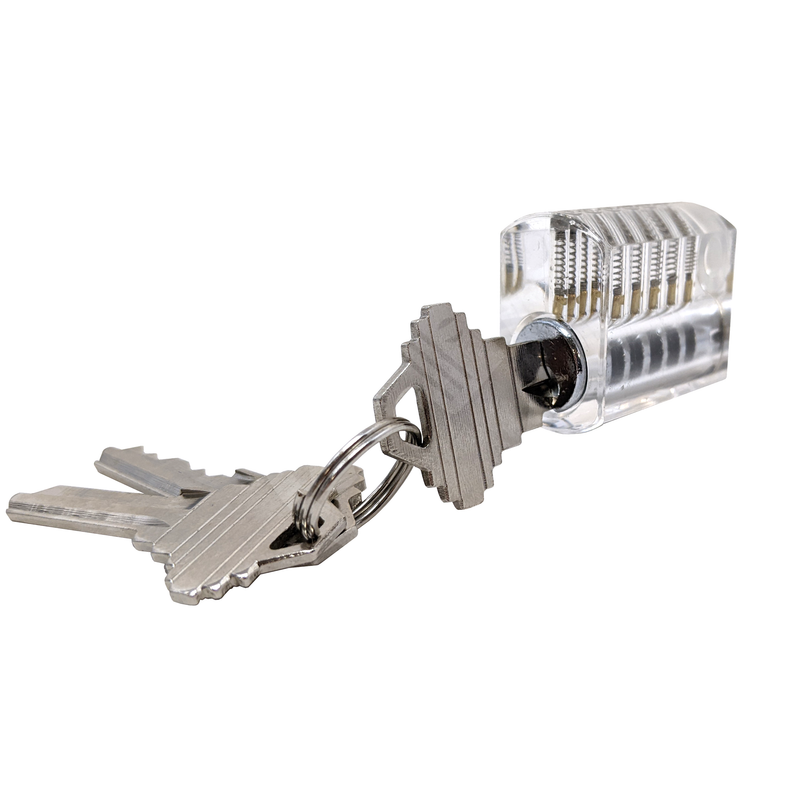
Basic proficiency can be achieved in a few hours of practice on transparent training locks. Mastering the tactile sensitivity required for difficult locks takes months or years of consistent practice. Progress depends on your ability to interpret subtle feedback from the tools.
Does picking a lock damage the internal components?
Proper picking causes no damage to the lock. Unlike drilling or forcing, picking manipulates pins within their intended range of motion. However, aggressive techniques or using improper tools can scratch the keyway or bend pins.
Why do some pins feel different than others?
Pins may feel different due to wear, dirt, or intentional security features like spool or serrated pins. These variations change the tactile feedback you receive, making some locks harder to pick than others. Learning to recognize these feelings is part of the skill.
Key Takeaways for Understanding Lock Mechanics
Lock picking works by exploiting the microscopic imperfections inherent in mass-produced locks. By applying tension to create a binding pin and then lifting it to the shear line, you can open a lock without the original key. This process relies on patience, precise tool control, and the ability to feel subtle mechanical changes.
Whether you are interested in security, locksmithing, or mechanical puzzles, understanding these principles reveals the fragility of everyday security devices. Start with a transparent practice lock to see these mechanics in action and develop the tactile sensitivity needed for success.