Your front door might feel secure until a simple tool manipulates the internal components to bypass the mechanism entirely. The secret to true protection lies in understanding the different types of lock pins hidden inside your cylinder.
This guide details every major pin variation from standard drivers to complex security shapes. You will learn how each design functions to stop intruders and which configuration best suits your specific safety needs.
Standard Pin Types in Pin Tumbler Locks

Most cylinder locks rely on two fundamental components working together under spring pressure. These parts block unauthorized access until the correct key aligns them precisely at the shear line.
Driver Pins and Key Pins Functions
Driver pins sit above the shear line in the lock housing while key pins rest below in direct contact with the key. Without a key the driver pins extend into the plug to prevent any rotation of the cylinder. Inserting the correct key lifts the key pins which push the driver pins up until the gap aligns perfectly with the shear line.
Once aligned the plug rotates freely to unlock the mechanism. Using mismatched pin lengths allows for unique key combinations that make duplication difficult without authorization. Most residential locks use brass or steel versions of these standard pins due to their durability.
Master Pinning for Key Control
Commercial environments often use master key systems to allow different people to access shared spaces with unique keys. This setup utilizes master pinning which introduces small additional pins called master wafers between the driver and key pins.
A master wafer creates two distinct shear points for both individual change keys and broad master keys. This convenience slightly reduces security because the extra gaps create vulnerabilities for lock pickers. Attackers can exploit these multiple shear lines using raking or bumping techniques to open the lock.
Security-Enhanced Pin Designs
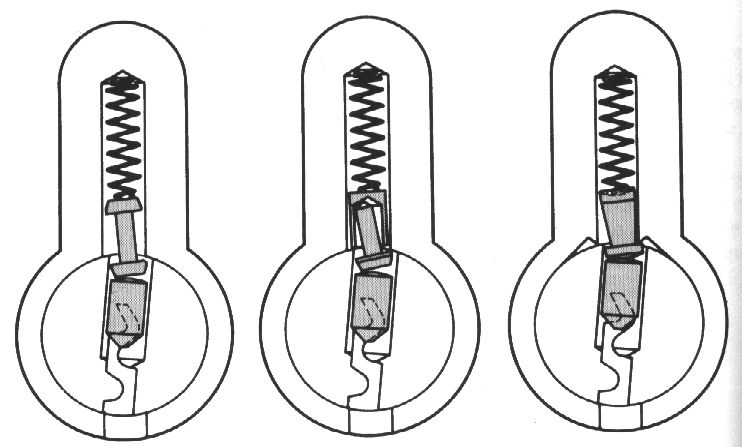
Manufacturers developed specialized pin shapes to complicate manipulation and counter unauthorized entry attempts. These security pins do not prevent picking entirely but they increase the skill and time required significantly.
Spool Pins for Pick Resistance
Spool pins feature a narrowed midsection that resembles a figure-eight or barrel shape. When a picker applies upward pressure the reduced diameter section passes through the shear line prematurely to create a false set. The lock appears to turn but the pin catches on the cylinder edge to halt rotation immediately.
This deception forces the picker to reduce tension and adjust pressure using advanced techniques. Spool pins are commonly found in high-security residential and commercial cylinders from brands like Medeco. They effectively frustrate beginners who rely on simple lifting methods.
Serrated Pins to Block Raking
Also known as serrated key pins these have notched or jagged edges along their sides. When picked especially with raking tools the serrations catch unevenly at the shear line. This mimics the feedback of a correctly set pin but slight tension reveals the false feedback.
Successful manipulation requires meticulous individual pin work rather than aggressive raking. Because serrated pins wear faster than smooth ones they are often used in mid-tier security locks. They provide moderate resistance where high-level protection is not the primary concern.
Mushroom Pins for Advanced Defense
Mushroom pins are named for their flared tops and function similarly to spool pins with greater visual obstruction. Their curved upper surface distorts the view into the keyway and interferes with both picking and decoding tools.
When lifted incorrectly the flare extends past the shear line and jams against the cylinder wall. Like spool pins they create false sets but their shape makes detecting the true shear line harder. Due to manufacturing complexity mushroom pins are typically reserved for high-security locks or used with other features.
Specialty and Hybrid Pin Configurations
Some locks employ unique materials or hybrid designs to further deter tampering or adapt to environmental demands. These variations go beyond standard shapes to offer distinct advantages.
Teflon-Coated and Magnetic Pins
Teflon-coated pins reduce friction between moving parts to ensure smoother operation and a longer lifespan. While not inherently more secure they improve reliability in high-use locks and are often paired with other security pins.
Magnetic pins incorporate magnets within the pin stack and appear in certain high-security systems. Only a key with corresponding magnetic elements can properly align the pins to open the lock. These are rare in consumer-grade locks but appear in restricted-access facilities.
Hybrid Pin Systems
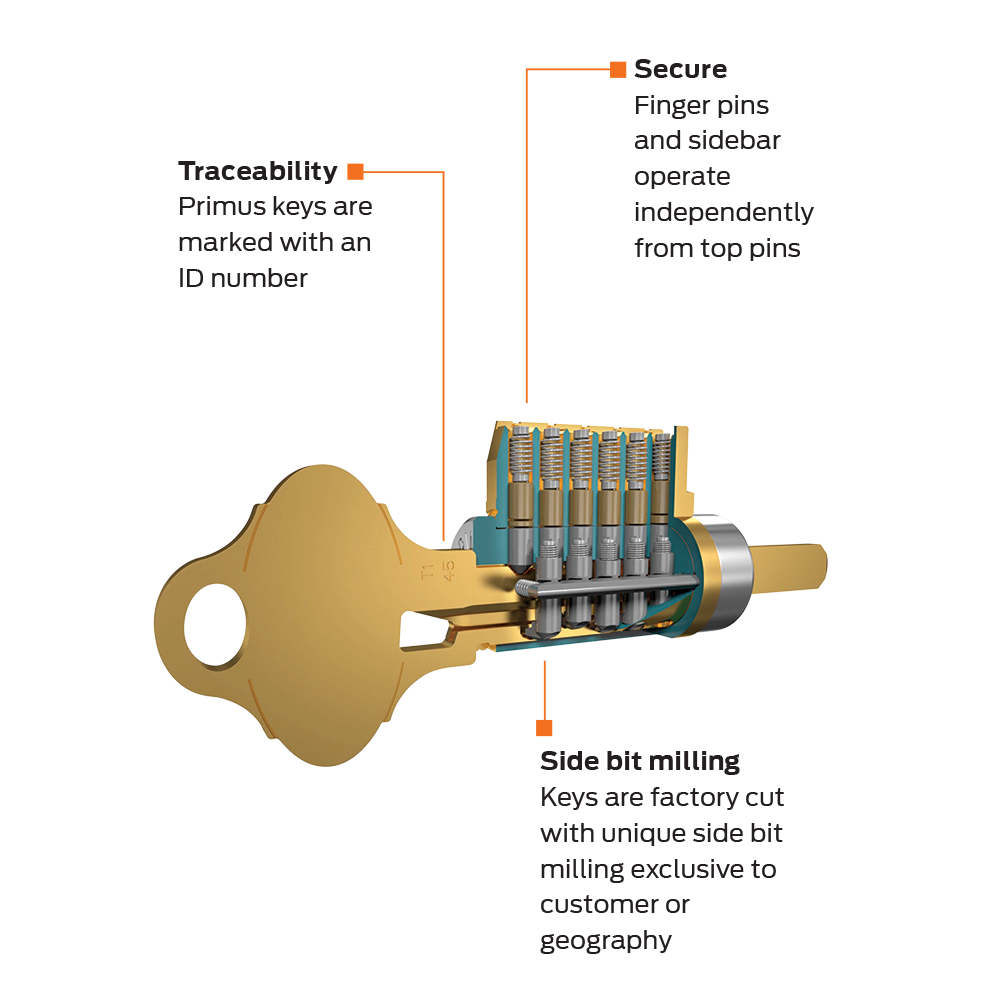
High-security locks often combine multiple pin types within a single cylinder to maximize defense. For example a lock might use spool pins on the outer stacks and serrated pins on the inner ones. This mixed design increases resistance to various attack methods by countering both basic picking and raking.
Brands like Schlage Primus use proprietary hybrid systems involving sidebar mechanisms alongside specialized pins. These multi-layered defenses make duplication and bypass extremely difficult without authorized tools. Codes and specific keys are required to operate these complex mechanisms effectively.
How Pin Design Affects Lock Picking Difficulty
The choice of pin type directly influences how easy or hard a lock is to pick successfully. Each design introduces specific challenges that test a picker skill patience and tool precision.
False Sets and Tension Control
Security pins especially spool and mushroom types create false sets to trick the picker. Successful manipulation requires nuanced tension control because too much pressure locks the pin in place. Too little pressure lets the pin drop back down and reset the progress.
Experienced pickers learn to bounce tension by releasing and reapplying it slightly. This allows pins to settle at the true shear line rather than getting stuck in a false position. Slow single-pin picking is essential when dealing with these complex pin stacks.
Visual and Tactile Feedback Limitations
Serrated and mushroom pins degrade tactile feedback which makes it harder to feel when a pin sets. Additionally their irregular shapes obstruct vision through the keyway and limit visual picking techniques. Some advanced locks even tint the springs or use opaque materials to hide internal movement.
Pick-resistant locks often include tight keyways that restrict tool access significantly. These features compound the difficulty introduced by non-standard pins. Together they raise the skill barrier for anyone attempting to bypass the lock.
Choosing the Right Lock Based on Pin Type

Not all locks need maximum security so the best choice depends on your environment and risk level. Understanding different types of lock pins helps you select the right hardware for your situation.
Residential Security Recommendations
For most homes a lock with spool or serrated pins provides adequate protection against casual break-ins. Look for ANSI Grade 1 or 2 cylinders which often include basic security pins and hardened steel components.
Avoid master-keyed systems unless necessary as master wafers introduce vulnerability to your home. Instead opt for single-key systems with consistent pin lengths and corrosion-resistant materials. This is especially important in humid climates where moisture can damage internal parts.
Commercial and High-Security Applications
Businesses and government buildings should invest in locks with hybrid pin systems and restricted keyways. These often combine spool serrated and magnetic pins with sidebars or rotating disks for maximum defense.
Consider electronic access integration with mechanical backups using high-grade pins. Always purchase from reputable vendors who offer registration and key control services. This prevents unauthorized duplication and ensures only approved personnel can access the building.
Maintenance and Longevity of Lock Pins

Even the best-designed pins can fail without proper care over time. Dirt moisture and wear degrade performance leading to sticking misalignment or complete lockout.
Cleaning and Lubrication Best Practices
Use a non-sticky graphite-free lubricant designed for locks such as silicone spray or PTFE-based solutions. Avoid oil-based products which attract dust and form gummy residues that clog pin chambers.
To clean disassemble the cylinder if possible or flush with contact cleaner before re-lubricating. Inspect pins for pitting bending or excessive wear during this process. Replace any damaged pins immediately to maintain smooth operation and security.
Signs of Pin Wear or Damage
Common indicators include keys that stick or require jiggling to turn the cylinder. You may also notice inconsistent locking behavior or visible debris when removing the cylinder. Worn serrated or spool pins may lose their shape which reduces pick resistance.
Regular maintenance every one to two years extends the life of your lock significantly. In high-traffic areas inspect the mechanism more frequently to ensure reliable security. Ignoring these signs can lead to premature failure when you need the lock most.
Frequently Asked Questions About Lock Pins
What are the most common types of lock pins?
The most common types are driver pins and key pins found in standard residential locks. These basic components work together to block the plug until the correct key aligns them at the shear line.
Do security pins make a lock unpickable?
No mechanical lock is completely unpickable but security pins greatly increase the difficulty. They require advanced skills and more time to bypass which deters most casual intruders.
How do spool pins stop lock pickers?
Spool pins create false sets that trick pickers into thinking the lock is open. The narrowed middle section catches on the cylinder edge requiring precise tension control to overcome.
Can I upgrade my current lock pins to security pins?
Yes many locksmiths can replace standard pins with spool or serrated versions. This upgrade improves security without needing to replace the entire lock cylinder or hardware.
Why do master key systems reduce security?
Master key systems add extra shear lines which provide more opportunities for picking. The additional gaps make it easier for attackers to manipulate the lock using raking tools.
Key Takeaways for Selecting Different Types of Lock Pins
Understanding the different types of lock pins empowers you to make informed decisions about your property security. From basic driver pins to advanced mushroom designs each type plays a specific role in protecting your assets.
Select locks with at least one type of security pin for everyday protection and hybrid systems for high-risk settings. Pair your hardware choices with regular maintenance and strict key control for the best results.