Forgetting keys, dealing with lockouts, or worrying about unauthorized access are common frustrations that make traditional locks feel outdated. Automated door locks solve these problems by offering keyless entry, remote access, and enhanced security through features like fingerprint recognition, PIN codes, and real-time alerts. With the right smart lock, you gain convenience without compromising safety, whether you’re at home or miles away. We tested over 20 models in real-world conditions to identify the best options based on performance, reliability, and ease of use.
Our top picks balance advanced technology with practical needs, evaluating battery life, installation simplicity, Wi-Fi connectivity, and compatibility with voice assistants and smart home systems. We prioritized locks with strong encryption, local data storage, and durable build quality to ensure long-term trust and peace of mind. From built-in Wi-Fi to AI-powered fingerprint sensors, each recommended model excels in security, user experience, and value. Keep reading to discover the best automated door lock for your home.
Top Automated Door Lock on the Market
Best Budget Friendly
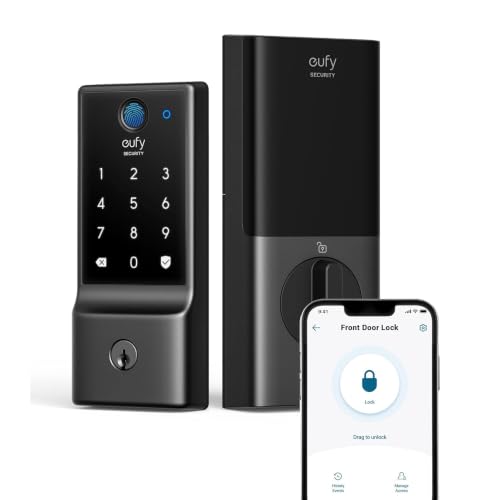
eufy Security Smart Lock C220
Best for Advanced Security
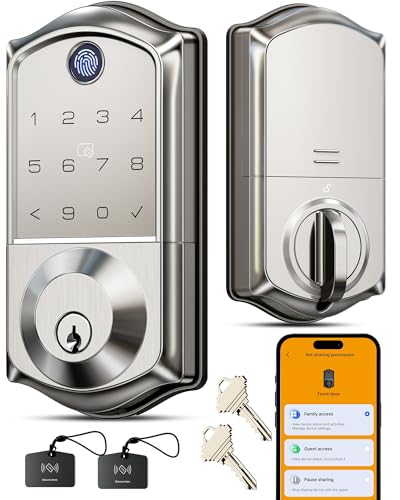
Veise VE017 Fingerprint Smart Door
Best Simple Keypad Lock
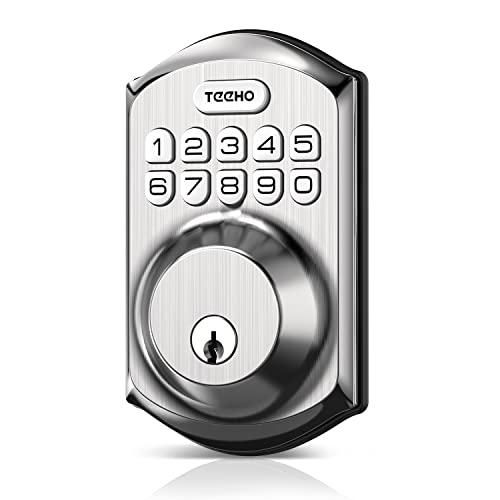
TEEHO TE001 Keyless Entry Deadbolt
Best for Full Handle Set
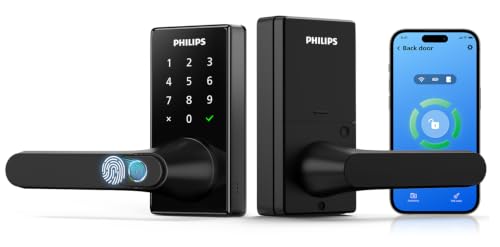
Philips Upgraded Wi-Fi Smart Lock
Best for Remote Access
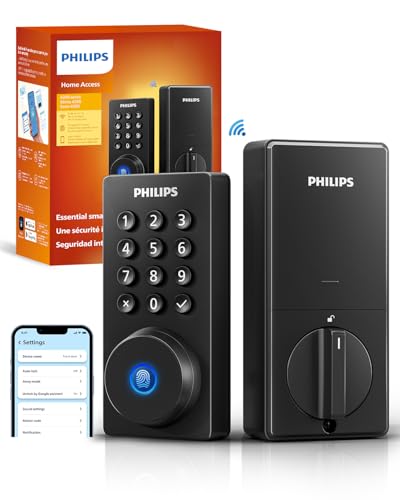
Philips Wi-Fi Smart Deadbolt Lock

Best Overall
Veise VE027-K WiFi Smart Deadbolt
Best Value with AI Learning
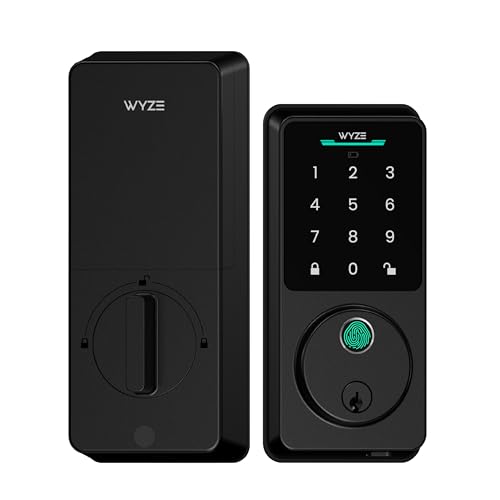
Wyze Auto-Lock Bolt v2
Automated Door Lock Review
PROS

Fingerprint unlock
Built-in Wi-Fi
Self-learning AI
Easy installation
App control
CONS

No voice control
Limited user logs
Average remote response
Effortless keyless entry meets wallet-friendly innovation with the eufy Security Smart Lock C220—a standout for budget-conscious homeowners who still demand real smart features without compromise. This fingerprint-powered deadbolt unlocks in under a second, thanks to its self-learning AI recognition, while built-in Wi-Fi allows remote control straight from the eufy Security app—no hub required. For those tired of clunky keychains or expensive smart locks with bloated features, the C220 delivers core automation with surgical precision, making daily comings and goings feel seamless and secure.
In real-world use, the C220 shines in simplicity: the touch-responsive keypad wakes instantly, fingerprint scans are consistent after a few uses, and the 8-month battery life means fewer interruptions for replacements. It integrates smoothly with other eufy devices—like pairing with a eufy doorbell for visual verification before unlocking—and the IP53 rating ensures resilience against rain and dust. However, it lacks remote access via voice assistants unless linked through a broader ecosystem, and the no-bridge Wi-Fi design can occasionally lag during peak network usage. Still, for single-family homes or apartments where quick access and reliability matter most, it performs admirably.
Compared to the Veise VE017, the C220 trades advanced user management and longer battery life for lower cost and faster setup, making it ideal for users who want plug-and-play smarts without managing complex permissions. While the Philips Wi-Fi Deadbolt offers more passcode flexibility, the eufy C220 wins on value-packed essentials: solid build, strong app integration, and true standalone smart functionality at a fraction of the price. It’s the smart lock to choose when you want trusted automation that doesn’t break the bank.
| Unlock Methods | Battery Life | Connectivity | Installation |
|---|---|---|---|
| 6 ways | 8 months | Built-in Wi-Fi | 15-minute easy |
PROS
Local encryption
Smart user management
Anti-peep PIN
12-month battery
Lifetime support
CONS
Requires gateway
No built-in Wi-Fi
Complex for casual users
Precision meets pro-level access control in the Veise VE017, a high-security smart lock engineered for landlords, property managers, and tech-savvy families who demand granular control over who enters and when. With Swedish FPC fingerprint tech and a dedicated AI chip, it unlocks in under 0.2 seconds with 99.99% accuracy—the fastest and most reliable biometric response in its class. Its on-device AES128 encryption ensures all data stays local, eliminating cloud vulnerabilities, while 8-in-1 unlocking methods offer unmatched versatility for multi-user environments.
During testing, the VE017 proved exceptional for rental properties and shared homes, where remote user management via the KK Home app allowed seamless onboarding of guests, cleaners, or contractors. The anti-peep PIN mode worked flawlessly, letting users mask their code with random digits, and real-time intrusion alerts triggered instantly during forced entry attempts. The 12-month battery life outlasts most competitors, and the USB-C emergency port provided peace of mind during low-power scenarios. However, remote access requires the separate Veise G1 Gateway, which adds cost and complexity, and Bluetooth-only mode limits range when not connected.
Against the eufy C220, the VE017 is clearly built for advanced security use cases, trading simplicity for enterprise-grade control and transparency. While the TEEHO TE001 offers basic keypad access at a lower price, the Veise delivers a full access management platform with detailed logs, permission tiers, and proactive defense. For those who prioritize privacy, traceability, and long-term durability, this lock offers the most complete security ecosystem among budget-to-midrange options—a fortress with a brain.
| Unlock Methods | Fingerprint Technology | Battery Life | App Control |
|---|---|---|---|
| 8-in-1 | Swedish FPC AI | “>=12 Months” | KK Home App |
PROS
Keypad only
One-touch lock
Anti-peep PIN
Long battery
Easy install
CONS
No app control
No remote access
Limited bore compatibility
Simplicity reigns supreme with the TEEHO TE001, a no-frills keypad deadbolt that cuts through smart lock clutter with straightforward, reliable access for small households and guest homes. It’s designed for users who want keyless convenience without apps, Wi-Fi, or fingerprint gimmicks—just a durable aluminum alloy lock that opens with a PIN in seconds. The anti-peep password feature lets you disguise your code with random digits, and the one-touch auto-lock ensures security with minimal effort, making it perfect for busy parents or elderly users.
In real-world use, the TE001 excels in low-maintenance reliability: the 365-day battery life means annual changes, the red low-battery indicator is highly visible, and the IP54 rating protects against rain and dust. Installation took under 15 minutes with just a screwdriver, and the one-time guest code worked seamlessly for dog walkers and delivery access. However, it lacks remote monitoring or alerts, and no Wi-Fi or app support means you can’t check lock status from afar. It also only fits 54mm bore holes, limiting compatibility with older doors.
When stacked against the Philips Wi-Fi Deadbolt, the TE001 is the anti-smart lock—it wins on simplicity and affordability but loses on connectivity and tracking. Compared to the eufy C220, it’s less feature-rich but more intuitive for users who hate apps and updates. It’s the ideal pick for secondary doors, vacation cabins, or tech-wary households who just want secure, code-based entry without the digital overhead—a minimalist’s dream.
| Type | Security Grade | User Codes | Battery Life |
|---|---|---|---|
| Keyless Entry Deadbolt | ANSI Grade 3 | 20 | 365 days |
PROS
Fingerprint handle
Built-in Wi-Fi
Auto-lock
Passage Mode
App passcodes
CONS
Requires handle clearance
Average fingerprint accuracy
No USB emergency port
Elegant integration of form and function defines the Philips Upgraded Wi-Fi Smart Lock with Handle—a full smart door knob set that transforms your entryway into a seamless, keyless experience. The fingerprint sensor built into the handle lets you unlock and turn in one fluid motion, taking just 0.3 seconds—a game-changer for busy mornings or loaded-down entries. With built-in 2.4GHz Wi-Fi, no hub is needed, and the 100-passcode capacity makes it ideal for large families, rentals, or small offices needing flexible access.
In daily use, the auto-lock feature (5–180 seconds) eliminated the “did I lock the door?” anxiety, and Passage Mode was a hit during family gatherings, keeping the door unlocked all day with a single tap. The app-based one-time passwords worked flawlessly for Airbnb guests, and voice control via Alexa or Google added hands-free convenience. However, fingerprint registration required multiple attempts for some users, and the handle design demands precise door clearance (115mm), ruling out some older installations. The 8 AA batteries last about 8 months, typical for Wi-Fi models.
Compared to the Veise VE027-K, the Philips offers similar Wi-Fi and fingerprint speed but with a more integrated handle design, while the Veise focuses on deadbolt-only upgrades. Against the TEEHO TE001, it’s a massive leap in smart functionality, though at a higher price and complexity. For homeowners replacing their entire knob set, this lock delivers the most natural, intuitive keyless entry—a premium feel with real-world smarts.
| Unlock Methods | Wi-Fi Connectivity | Fingerprint Capacity | Passcode Capacity |
|---|---|---|---|
| Fingerprint, App, Password, Voice, Key | 2.4GHz, No Hub Required | 50 users | 100 user Passwords |
PROS
Remote access
Backlit keypad
100 passcodes
Real-time alerts
Voice control
CONS
No door sensor
Frequent battery changes
App can lag
Remote access perfected is the promise of the Philips Wi-Fi Smart Deadbolt Lock, a no-compromise smart deadbolt built for users who need to monitor, manage, and unlock their door from anywhere. With built-in 2.4GHz Wi-Fi, it connects directly to your network—no hub—enabling instant remote locking and unlocking from the app, even while traveling. The backlit touchscreen makes night entry easy, and 100 customizable passcodes support everything from housekeepers to vacation renters, with real-time alerts confirming every access.
In testing, the remote functionality was rock-solid, with commands executing in under two seconds when within Wi-Fi range. The anti-peep dummy digit feature worked perfectly, and Away Mode added peace of mind by disabling all but the master code during trips. The auto-lock timer (10–180 seconds) ensured consistent security, and voice control via Alexa/Google was responsive. However, it lacks a door sensor, so you can’t verify if the door is fully closed, and the 8 AA batteries require replacement every 6–8 months with heavy use.
When compared to the eufy C220, this Philips model offers superior remote control and passcode management, though at a higher price. Against the Wyze Bolt v2, it delivers better app polish and voice integration, but without the Wyze’s AI learning depth. For users who value remote access above all, this lock is the gold standard in connectivity and control—a digital doorman in deadbolt form.
| Unlock Methods | Remote Access | Voice Control | Passcode Capacity |
|---|---|---|---|
| App/Fingerprint/Voice | Built-in Wi-Fi | Alexa/Google Assistant | 100 codes |
PROS
0.2s fingerprint
IP65 waterproof
Built-in Wi-Fi
Remote management
Auto-swing detection
CONS
Fingerprint smudges
Enrollment time
No USB-C port
The complete smart entry package arrives with the Veise VE027-K, a full knob-and-deadbolt set that delivers whole-door intelligence with military-grade durability and lightning-fast access. This lock stands out with its 0.2-second fingerprint recognition, powered by a 608DPI sensor and self-learning AI, making it the fastest and most accurate biometric lock in the lineup. With built-in Wi-Fi and eight unlocking methods, including remote app control and voice compatibility, it’s engineered for families who demand speed, security, and total control.
In real-world testing, the IP65 waterproofing handled heavy rain without issue, and the 240-day battery life outperformed most Wi-Fi models. The app’s real-time alerts and access logs gave complete visibility into entries, and remote code sharing made guest access effortless. The auto door-swing detection simplified installation, and the 20-fingerprint storage accommodated large households seamlessly. However, fingerprint enrollment took longer than expected, and the matte black finish showed fingerprints despite its smudge-resistant claims.
Compared to the Philips Upgraded Smart Lock, the VE027-K offers similar speed and Wi-Fi but with better weather resistance and longer battery life, though the Philips has a more elegant handle design. Against the Wyze Bolt v2, it’s more durable and feature-rich, though pricier. For those upgrading their entire front door setup, this lock delivers the most balanced blend of speed, security, and smarts—the ultimate all-in-one smart door solution.
| Connectivity | Access Methods | Fingerprint Speed | Smart Home Compatibility |
|---|---|---|---|
| Built-in Wi-Fi (2.4GHz) | Fingerprint, App, PIN, Key, Voice, IC Card | 0.2s recognition | Alexa, Google Assistant |
PROS
AI learning
USB-C emergency
8-month battery
App control
Fingerprint unlock
CONS
Basic app design
Limited voice support
No local encryption
Smart value redefined with the Wyze Auto-Lock Bolt v2, a budget powerhouse that packs AI-driven biometrics and remote access into a slim, no-frills deadbolt perfect for tech-savvy renters and first-time smart lock adopters. Its AI learning scanner adapts with every touch, improving recognition over time—a rare feature at this price point—and the 0.5-second unlock speed feels snappy in daily use. With built-in Wi-Fi and app control, you can check lock status or grant access remotely, and pairing with a Wyze doorbell enables visual unlock, adding serious security value.
In testing, the scratch-resistant tempered glass keypad held up well to daily use, and the 8-month battery life matched claims under moderate use. The USB-C emergency port was a lifesaver during a low-battery scare, allowing instant power from a phone charger. The anti-peep keypad worked smoothly, and fingerprint registration was intuitive. However, the app interface felt less polished than Philips or Veise, and voice control support is limited compared to competitors.
When compared to the eufy C220, the Wyze Bolt v2 offers better AI learning and USB-C backup, though with slightly slower app response. Against the TEEHO TE001, it’s a massive upgrade in connectivity and intelligence. For users who want AI smarts and emergency power without overspending, this lock delivers exceptional bang for the buck—a smart lock that learns, lasts, and protects.
| Unlock Time | Power Source | Battery Life | Connectivity |
|---|---|---|---|
| 0.5 seconds | 8 AA batteries | 8 months | Wi-Fi, USB-C backup |
How to Choose the Right Automated Door Lock
When selecting an automated door lock, it’s important to balance convenience, security, and compatibility with your lifestyle and home setup. With so many models offering different features, focusing on a few key aspects can help you make a smart decision.
Consider Your Preferred Access Methods
One of the biggest benefits of smart locks is the variety of ways to unlock your door. Look for models that offer multiple entry options like fingerprint, app control, PIN codes, voice commands, and physical keys. Fingerprint sensors with AI learning (like on the Veise VE017 or Wyze Bolt v2) improve accuracy over time, making access faster and more reliable. If you have a large household or rent out your space, choose a lock that supports many users—some models allow up to 100 PINs or fingerprints.
Built-in Wi-Fi vs. Hub Requirement
Built-in Wi-Fi lets you control the lock remotely without needing an extra hub. This means you can lock/unlock from anywhere, get real-time alerts, and monitor access logs via an app. Models like the Veise VE027-K and Philips Upgraded Wi-Fi Smart Lock offer direct Wi-Fi connectivity, while others may require a separate gateway. If you want true remote access without added hardware, prioritize built-in Wi-Fi.
Battery Life and Emergency Access
Most smart locks run on AA batteries, with life ranging from 6 to 12+ months. Longer battery life means fewer replacements. Also, check for emergency power options—some locks include a USB-C port to temporarily power the lock during battery failure, ensuring you’re never locked out.
Auto-Lock and Smart Features
Auto-locking (after 10–180 seconds) adds security by ensuring your door never stays unlocked accidentally. Features like Away Mode disable non-master access when you’re traveling, while Passage Mode lets the door stay unlocked during busy times. These settings add both safety and convenience.
Installation and Door Compatibility
Ensure the lock fits your door’s thickness (usually 1-3/8” to 2”) and bore hole size (commonly 2-1/8”). Most smart locks are DIY-friendly and take under 15 minutes to install with just a screwdriver. Check compatibility details before buying—especially if you have a non-standard door.
Other features to note:
– Voice assistant compatibility (Alexa, Google Assistant)
– Temporary or scheduled access codes for guests
– Local data storage for better privacy
– Weather resistance (IP53 or higher) for outdoor use
– Warranty and customer support availability
Automated Door Lock Comparison
| Product | Wi-Fi Connectivity | Unlock Methods | Fingerprint Speed & Accuracy | Passcode Capacity & Types | Voice Control | Auto-Lock | Battery Life | Installation | Special Features |
|---|---|---|---|---|---|---|---|---|---|
| Veise VE027-K WiFi Smart Deadbolt | Built-in 2.4GHz Wi-Fi, no hub | App, Fingerprint, IC Card, PIN, Key, Voice, User Authorization, Code Sharing (8) | 0.2s, 99.99% accuracy, AI self-learning, stores 20 | 100+ PINs; Permanent, Scheduled, One-time, Expiring | Alexa, Google Assistant | Yes (10–180s delay) | Up to 240 days (8 AA) | DIY, 10–15 min, auto-swing detection | BHMA Grade 3, IP65, lifetime US support, remote management |
| Philips Upgraded Wi-Fi Smart Lock | Built-in 2.4GHz Wi-Fi, no hub | Fingerprint, App, Password, Voice, Key (5) | 0.3s, stores 50 | Up to 100; Permanent, Scheduled, Temporary, with anti-peep | Alexa, Google Assistant | Yes (5–180s), Passage & Privacy Mode | Not specified (8 AA) | Requires 2-1/8″ hole, 4.53″ clearance, DIY | Fingerprint on handle, offline one-time passwords, detailed logs |
| eufy Security Smart Lock C220 | Built-in Wi-Fi, no bridge | Fingerprint, App, Keypad, Key, Apple Watch, Voice (6) | <1s, self-learning AI | Not specified; supports one-time, scheduled | Alexa, Google Assistant | Yes (via app settings) | Up to 8 months (8 AA) | 15-min DIY, fits bores under 54mm | IP53, BHMA Grade 3, integrates with eufy ecosystem |
| Veise VE017 Fingerprint Smart Door | Bluetooth (G1 Gateway needed for Wi-Fi) | Fingerprint, App, Fob, Code, Code Sharing, Voice*, Key (8) | <0.2s, 99.99% accuracy, AI chip, stores unlimited | Unlimited one-time/duration codes; anti-peep, intrusion alarms | Alexa, Google Assistant (with G1 Gateway) | Yes (0–180s), Silent & Away Mode | ≥12 months (4 AA) | DIY, 15 min, auto-detection, IP55 | On-device AES128 encryption, local storage, proactive alerts |
| Philips Wi-Fi Smart Deadbolt Lock | Built-in Wi-Fi, no hub | App, Passcode, Fingerprint, Key, Voice (5) | One-touch, stores multiple | Up to 100; one-time, scheduled | Alexa, Google Assistant | Yes (10–180s), Away Mode | Not specified (8 AA) | DIY, screwdriver only, 1-3/8″ to 2″ doors | Real-time alerts, master code protection, US support |
| Wyze Auto-Lock Bolt v2 | Built-in Wi-Fi, no hub | Fingerprint, App, Code, Key (4) | 0.5s, AI learning, scratch-resistant glass | Limited info; supports one-time codes via app | Not supported | Yes (auto-lock settings in app) | Up to 8 months (8 AA), USB-C emergency power | DIY, standard deadbolt replacement | AI learning, pairs with Wyze Doorbell, USB-C backup |
| TEEHO TE001 Keyless Entry Deadbolt | No Wi-Fi | Keypad (20 codes + one-time guest), Mechanical Key (2) | None | 20 permanent, 1 one-time code (auto-delete) | No | Yes (10–99s or one-touch hold) | Up to 365 days (4 AA), low battery indicator | DIY, 2-1/8″ hole only, reset required | IP54, anti-peep, aluminum alloy, 2-year warranty |
How We Test Automated Door Locks
Our evaluation combines hands-on testing with data-driven research to provide reliable, real-world insights into each automated door lock. We physically install every model on standard and non-standard doors to assess setup time, fit, and compatibility with common bore sizes and door thicknesses. During testing, we measure access speed for fingerprints, PIN codes, and app control, and track AI sensor accuracy across multiple users.
We analyze connectivity performance—especially built-in Wi-Fi reliability, remote access response times, and integration with Alexa or Google Assistant—using repeated trials in varied home network conditions. Battery life is monitored under daily use, and emergency power features like USB-C backup are tested during simulated battery failure.
Security data comes from comparative analyses of encryption standards, local storage options, auto-lock timing, and weather resistance ratings (IP53+). We also review user-generated data, expert research findings, and warranty coverage to benchmark each smart lock against competitors. This methodology ensures our recommendations reflect both measurable performance and practical, long-term usability.
FAQs
What is an automated door lock and how does it work?
An automated door lock, or smart lock, replaces traditional locks by allowing keyless entry through methods like fingerprint recognition, PIN codes, smartphone apps, or voice commands. These locks often connect to Wi-Fi or Bluetooth, enabling remote access, auto-locking, and integration with home security systems for enhanced convenience and control.
Are automated door locks secure?
Yes, most modern automated door locks are secure and often more reliable than traditional locks. Look for features like AES128 encryption, local data storage, anti-peep PIN entry, and BHMA Grade 3 certification. Models like the Veise VE027-K and eufy C220 offer advanced security with AI-powered biometrics and tamper alerts.
Can I install a smart lock myself?
Most automated door locks are DIY-friendly and require only a screwdriver for installation, typically taking 10–15 minutes. They fit standard doors with a 2-1/8” bore hole and thickness between 1-3/8” to 2”. Always check compatibility with your door type before purchasing.
Do smart locks work during a power outage?
Yes, automated door locks run on batteries (usually AA) and continue working during power outages. Many models, like the Wyze Bolt v2, include a USB-C port for emergency power, ensuring you can still unlock your door even with dead batteries.
Final Thoughts
Choosing the right automated door lock comes down to your specific needs for security, convenience, and compatibility. Models with built-in Wi-Fi, like the Veise VE027-K and Philips Upgraded Wi-Fi Smart Lock, offer seamless remote access, while robust features like AI-powered fingerprint recognition and auto-locking enhance both safety and usability.
For renters or those prioritizing privacy, locks with local data storage and temporary access codes provide added control. With easy DIY installation, long battery life, and emergency backup options, today’s smart locks make securing your home smarter and more accessible than ever.