You stand before your school locker with the correct combination in mind, yet the twist lock refuses to budge. This frustrating scenario happens daily because these mechanical devices demand absolute precision in every turn. One slight error in direction or alignment prevents the internal wheels from stacking correctly.
This guide teaches you exactly how to open a twist lock using the proven right-left-right sequence. You will learn the specific reset requirements, how to handle the second number pass rule, and ways to fix common mistakes instantly.
Reset the Internal Mechanism Before Starting
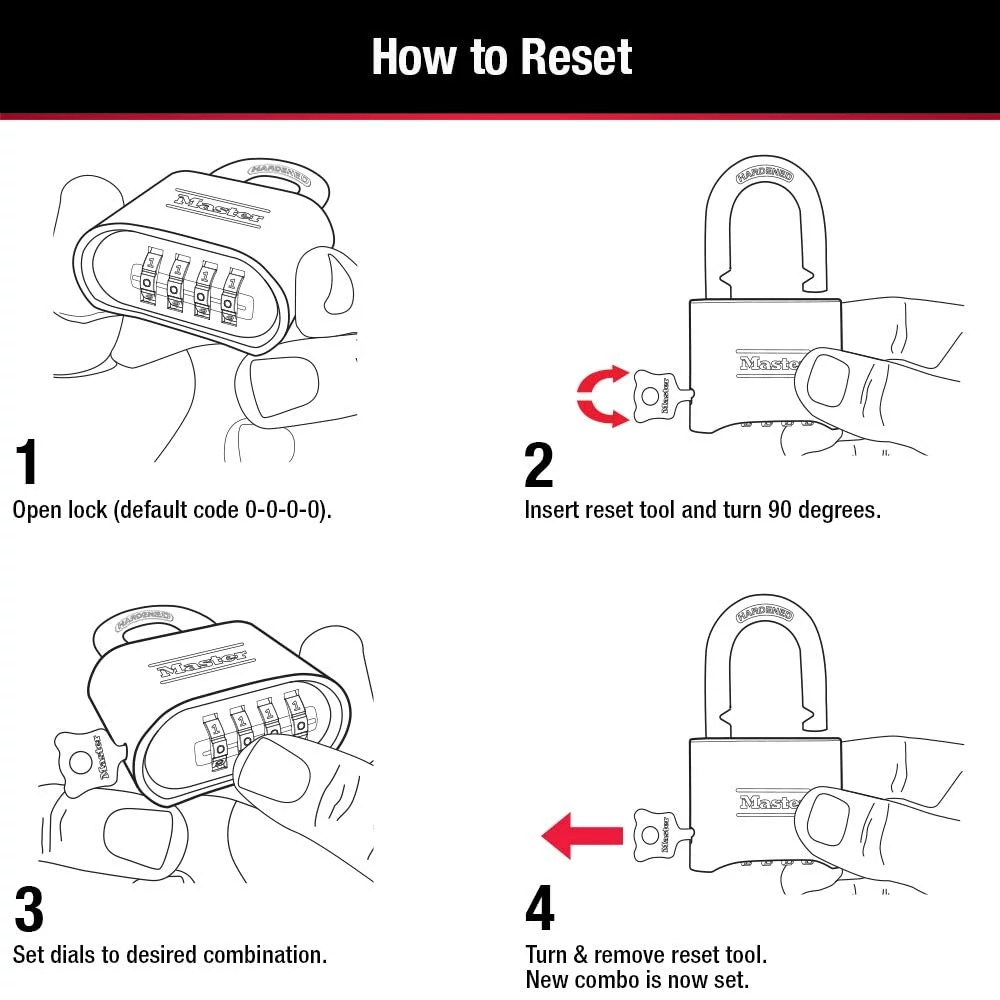
You must clear any previous data from the lock before entering your specific combination. This step ensures all internal wheels start from a known and disengaged state. Skipping this reset is the primary reason correct combinations fail to work.
Perform Two to Three Full Clockwise Rotations
Turn the dial clockwise (to the right) continuously. You need to pass the zero mark at least two full times. Some models require a deep reset of three full rotations to fully disengage the tumblers. Watch the stationary indicator at the top, often a red arrow or triangle. Continue turning until this marker aligns with zero for the second or third time. This action prepares the lock for a fresh input sequence.
Enter the First Number With Precision

The first digit of your combination requires a specific approach following the reset. You must maintain the clockwise direction established during the reset phase. Accuracy here sets the foundation for the rest of the sequence.
Stop Exactly on the First Digit
Continue turning the dial clockwise after your final reset rotation. Pass the zero mark the required number of times, then slow your pace significantly. Stop the dial exactly when your first number aligns with the top indicator. For example, if your code starts with 18, halt rotation the moment 18 centers under the red mark. Do not overshoot this number even slightly. If you pass your target number, you must restart the entire process from the beginning.
Align the Second Number Using the Pass Rule
The second step introduces a change in direction and a specific passing rule. This is where most users make critical errors due to confusion about when to stop. Understanding the “pass once” rule is essential for success.
Pass the First Number Once Completely
Rotate the dial counter-clockwise (to the left) immediately. As you turn, you must pass your first number one full time without stopping. Continue rotating in the same direction until the second number arrives at the indicator for the second time. For instance, if your sequence is 18–38–21, you turn left past 18, keep going past 38 once, and stop when 38 hits the mark again. Stopping on the first arrival of the second number will not engage the mechanism correctly.
Input the Final Number Directly
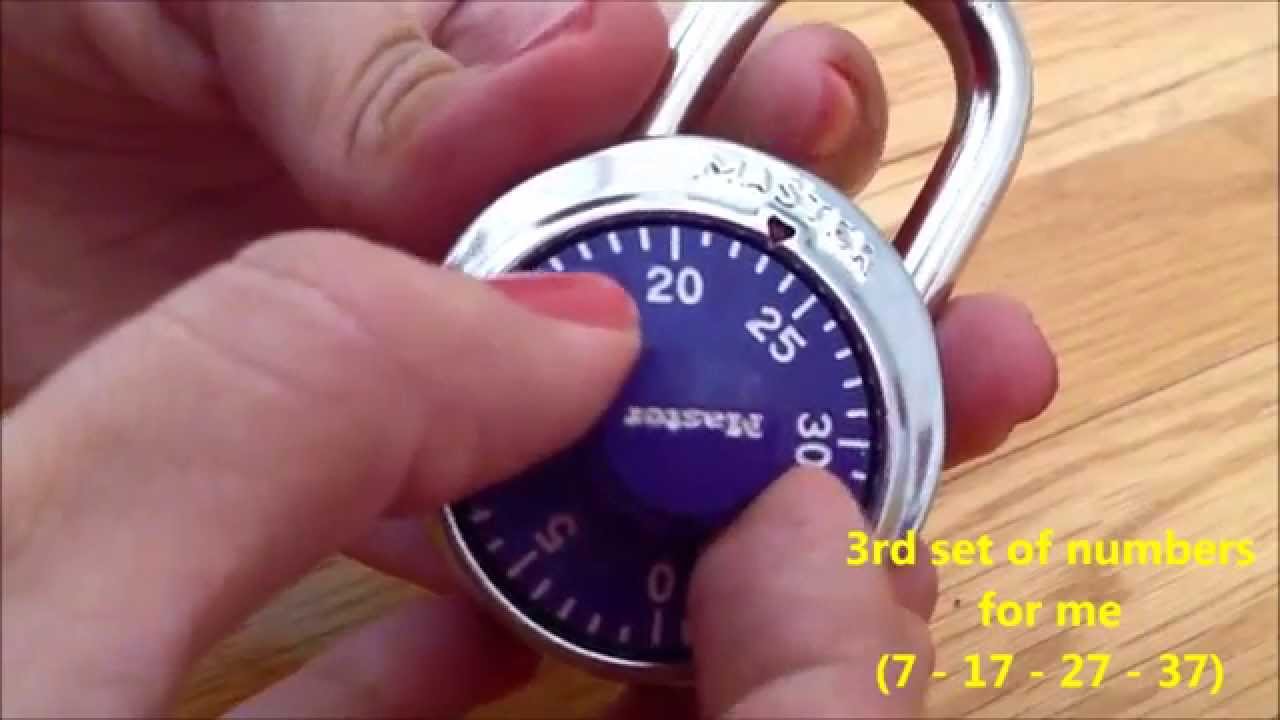
The last digit requires a direct approach with no extra rotations or passing rules. This step is the most sensitive to overshooting because it involves a short, direct turn. Your focus must be entirely on stopping at the exact moment of alignment.
Halt Immediately on the Third Digit
Turn the dial clockwise (to the right) from your current position. Do not make a full rotation or pass any numbers unnecessarily. Move slowly and stop the first time the third number reaches the indicator. If your final number is 21, halt rotation immediately when 21 lines up with the top mark. Even a fraction of a turn past this point will misalign the internal pins. Precision is non-negotiable at this stage.
Release the Shackle to Open the Lock
With the combination entered correctly, the internal mechanism is now unlocked. The final physical action involves releasing the shackle to open the device. Proper technique here prevents damage to the lock or locker door.
Apply Firm Upward Pressure
Grasp the shackle, which is the U-shaped metal loop protruding from the top. Apply firm and steady pressure by pulling up. In some horizontal or recessed locker designs, you may need to pull down or push depending on the orientation. Use smooth force rather than jerking motions. If the lock does not open, do not force it violently. Instead, assume the sequence was incorrect and prepare to reset the mechanism.
Troubleshoot Failed Unlocking Attempts
Even with the right numbers, twist locks often fail to open due to procedural errors. The issue is almost always related to timing or direction rather than mechanical failure. Identifying your specific mistake saves time and frustration.
Identify Common Procedural Mistakes
Review your actions against this checklist of frequent errors:
* Incomplete reset: Did you rotate clockwise at least two full times before starting?
* Wrong direction: Did you turn left when the step required a right turn?
* Misaligned numbers: Was the final number perfectly centered or slightly off?
* Overshooting: Did you accidentally pass the third number while turning right?
* Insufficient pass: Did you forget to pass the first number when entering the second digit?
These small deviations prevent the internal wheels from stacking correctly. The mechanism has zero tolerance for error, meaning even a half-number offset blocks release.
Restart the Sequence From the Beginning
If the lock remains closed, do not try to adjust from your current position. You must return to the start to clear the internal state completely. Follow these steps for a clean retry:
1. Turn the dial clockwise three full times to ensure a deep reset.
2. Re-enter the full sequence: Right to first, Left past first to second, Right to third.
3. Pull the shackle firmly but smoothly.
Repeat this process slowly and deliberately. Rushing increases your error rate significantly. If it fails after three precise attempts, verify that your combination numbers are correct. Misreading digits under stress is a common cause of failure.
Master the Directional Logic Pattern

Understanding the underlying pattern helps you memorize the process effectively. The twist lock follows a strict directional flow that never changes. Memorizing this logic eliminates guesswork during stressful moments.
| Step | Direction | Key Rule | Stop Condition |
|---|---|---|---|
| Reset | Clockwise | 2–3 full turns | N/A |
| First Number | Clockwise | Pass zero twice after reset | On 1st arrival |
| Second Number | Counter-Clockwise | Pass first number once | On 2nd arrival |
| Third Number | Clockwise | No full rotation | On 1st arrival |
| Open | N/A | Pull shackle up | Lock releases |
This table captures the core logic required to open any standard twist lock. Save this pattern or practice it until it becomes second nature. Knowing the flow allows you to focus on precision rather than remembering the next move.
Maintain Your Twist Lock for Longevity
A well-maintained lock operates smoothly and lasts longer than a neglected one. Regular care prevents stiffness and ensures reliable performance over time. Simple maintenance habits can save you from lockout situations.
Clean and Lubricate Stiff Dials
If the dial feels gritty or hard to turn, debris or rust may be inside the mechanism. Wipe the dial surface gently with a dry cloth to remove surface dirt. For stubborn stiffness, apply one drop of graphite lubricant into the dial gap. Avoid using oil or WD-40 as these attract more dirt over time. Turn the dial repeatedly to distribute the lubricant evenly across the internal components.
Secure Your Belongings Properly
After locking your items, spin the dial randomly at least two full turns. This action scrambles the combination and prevents unauthorized access. It stops others from feeling the wheel positions by turning the dial slowly. This simple security habit protects your privacy and keeps your belongings safe.
Frequently Asked Questions About Twist Locks
What should I do if I overshoot the final number?
You must restart the entire sequence from the beginning. Overshooting misaligns the internal wheels, making it impossible to open the lock without resetting. Turn the dial clockwise three times to clear the mechanism and start over.
Why do I need to pass the first number when entering the second digit?
Passing the first number engages the second internal wheel correctly. If you stop on the first arrival, the mechanism remains partially engaged and will not release. You must pass it once and stop on the second arrival.
Can I use oil to lubricate a sticky twist lock?
No, you should avoid using oil or standard lubricants like WD-40. These substances attract dirt and dust, which eventually gums up the mechanism. Use only dry graphite lubricant for best results.
How many times do I need to turn the dial for a reset?
Most standard locks require two full clockwise rotations past zero. Some models benefit from a deep reset of three full rotations. Turning it at least twice ensures all previous attempts are cleared from the internal wheels.
What direction do I turn for the third number?
You must turn the dial clockwise (to the right) for the third number. This is a direct turn with no extra rotations. Stop immediately when the number hits the indicator for the first time.
Key Takeaways for Opening Your Twist Lock
Opening a twist lock relies entirely on precision and following the correct directional pattern. Remember the reset-right-left-right sequence and the critical rule to pass the first number once during the second step. Rushing leads to errors, so move deliberately and verify your alignment before pulling the shackle.
Practice this rhythm regularly to build muscle memory and confidence. Whether you use a Master Lock or a generic school model, these mechanical principles remain universal. Master the steps today to ensure you never struggle at your locker again.