Struggling to open a bracelet lock can turn a simple accessory change into a frustrating ordeal. Many people pull the wrong end or force a stiff mechanism, risking damage to delicate chains or losing valuable pieces entirely.
This guide explains exactly how to open bracelet lock styles safely using proven techniques. You will learn specific methods for spring rings, lobster clasps, and box locks to keep your jewelry secure without causing harm.
Identifying Your Box Clasp with Double Safety Mechanism

High-end chains often use a box clasp with double safety features for maximum security. This design relies on two interlocking metal parts that fit snugly inside a housing unit to prevent accidental loss.
How to Slide Ends Apart Horizontally
- Hold both ends of the bracelet firmly with your fingers.
- Apply gentle pressure in opposite horizontal directions.
- Slide the components apart smoothly without pulling vertically.
Visual Cue: Look for two metal tabs fitting tightly inside a box. They should separate cleanly when moved sideways.
Common Mistakes to Avoid When Opening
- Pulling vertically: This action bends the internal mechanism and ruins the lock.
- Yanking the chain: Stressing the links instead of the clasp causes breakage over time.
Pro Tip: Close this clasp by sliding ends together until you hear a soft click indicating the safety lock is engaged.
Operating a Spring Ring Clasp Without Strain
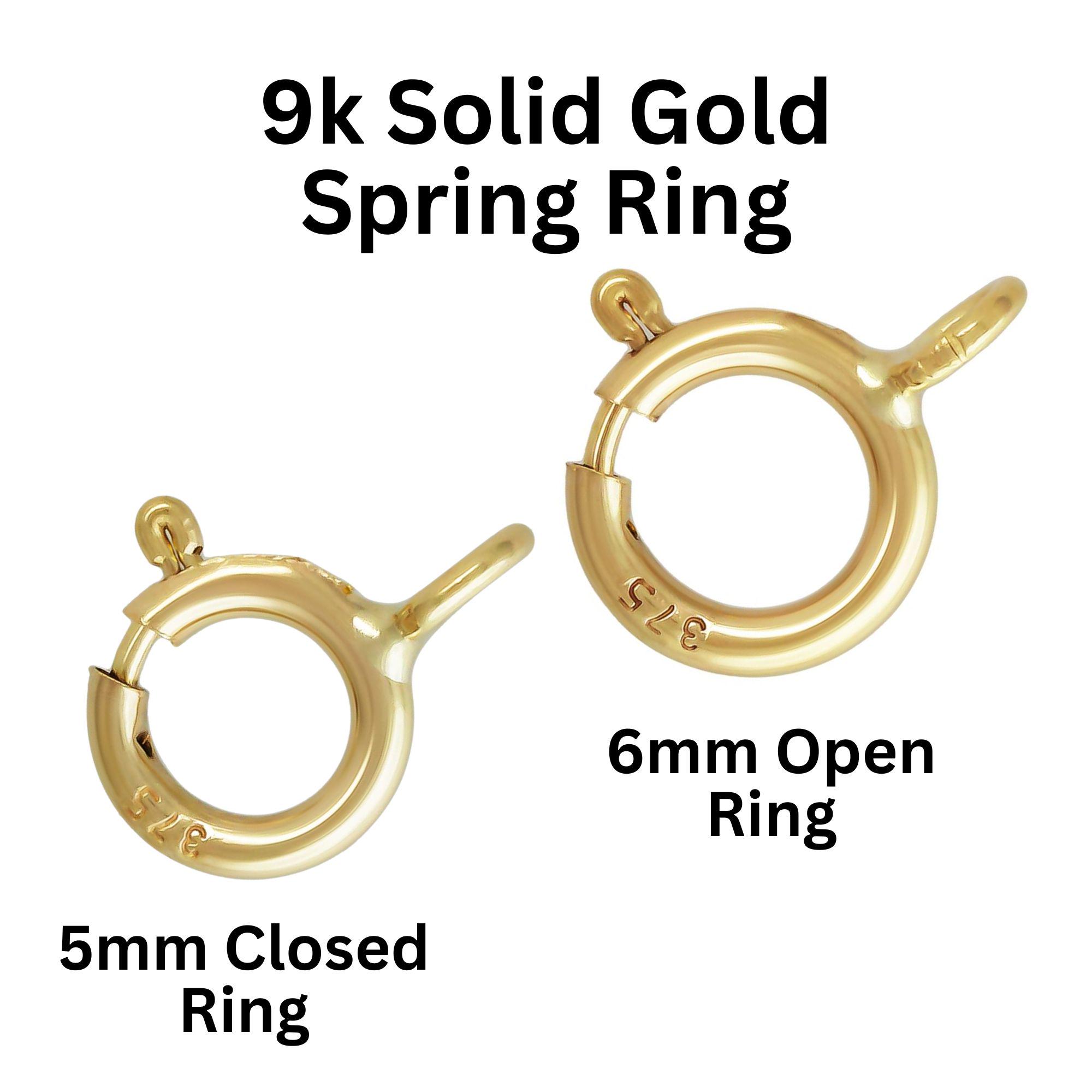
The spring ring clasp is a tiny circular lock ideal for lightweight chains. It features a small lever that retracts a spring-loaded gate to release the connection point.
Steps to Pull the Ring Open Safely
- Hold the main ring steady with one hand.
- Use a fingernail to pull the small lever outward gently.
- Slide the loop off the hook once the gate opens fully.
Warning: Do not overstretch the ring. Excessive force weakens the internal spring mechanism permanently.
Tips for Easier Handling with Tools
- Use tweezers or a pin if your fingers slip on the small lever.
- Rest the bracelet on a flat surface to stabilize the piece during opening.
- Position the clasp facing upward so you can see the mechanism clearly.
Quick Fix: Apply a tiny drop of watch oil to the hinge if the spring feels stiff.
Releasing a Lobster Clasp Quickly

Named for its claw-like appearance, the lobster clasp offers reliable security for daily wear. It uses a lever system that retracts a hook to release the attached ring.
Pressing the Lever to Release the Hook
- Locate the small lever on the back of the clasp body.
- Press down firmly on the lever to retract the front hook.
- Slide the ring out from the open jaw while holding the lever.
Ideal Use: This clasp stays closed under tension and resists accidental opening during activity.
How to Close It Securely
- Insert the dangling ring deep into the clasp body.
- Release the lever slowly to let it snap shut automatically.
- Give the connection a gentle tug to confirm it is locked tight.
Pro Tip: Clean around the hinge with a soft brush and alcohol if the lever feels sticky.
Unlocking a Fold-Over Box Clasp

This style features a hinged cover that folds over a post to create a secure lock. It is common on heavier bracelets where style and security must coexist.
Lifting the Hinged Cover Upward
- Place your thumb under the folded cover section.
- Lift the cover upward to expose the internal metal post.
- Slide the post out of the housing unit carefully.
Visual Check: Ensure the metal bar fully disengages from the rectangular box before separating.
Closing It the Right Way
- Insert the metal post back into the box housing.
- Fold the cover down until it clicks into place.
- Verify the lock is self-engaging with no extra steps needed.
Warning: Never force the fold-over lid. Realign the post first if it does not close smoothly.
Using a Push-Button Clasp Effectively

Modern jewelry often features a push-button clasp that works like a seatbelt mechanism. A simple press releases the internal spring to separate the ends.
Pressing the Button to Slide Ends Apart
- Find the small protruding button on the side or top.
- Press the button firmly while sliding the two ends apart.
- Release the button to reset the spring action for next use.
Smooth Operation: Clean around the edges with a cotton swab if the button feels stuck.
What to Do If It Won’t Open
- Check for debris like dust or dried lotion jamming the mechanism.
- Warm the clasp with your hands for 30 seconds to loosen tight parts.
- Avoid prying with sharp tools to prevent permanent internal damage.
Pro Tip: Push ends together firmly until you hear a solid click when closing.
Separating a Butterfly Box Clasp
The butterfly box clasp adds decorative wings to the standard box design. These wings lock into place to provide both aesthetic appeal and functional security.
Sliding Ends to Separate the Wings
- Grip both ends of the bracelet with your thumbs.
- Slide the components apart horizontally to release the latch.
- Watch as the decorative wings separate evenly on both sides.
Look for Symmetry: Both sides should move at the same rate. Uneven movement suggests misalignment.
Closing It with Confidence
- Insert one end into the other until it seats fully.
- Align the butterfly wings so they sit flush against the body.
- Press gently until you hear a distinct click confirming engagement.
Warning: Never close it halfway. Partial closure increases the risk of the bracelet falling off.
Engaging the Double Safety Lock Clasp
This clasp type offers maximum security for expensive or sentimental pieces. It requires two distinct actions to open, ensuring the bracelet never opens accidentally.
Step-by-Step Instructions to Open
- Slide one end into the other slightly to release internal tension.
- Fold down the small metal locking tab on the top surface.
- Push the inner post out while holding the tab down firmly.
Safety First: This dual mechanism prevents loss even if one locking part fails.
How to Close Properly
- Insert the post into the housing unit completely.
- Fold the locking tab back over the top of the connection.
- Push down until it snaps into place with a firm click.
Final Check: Tug gently on both ends. The tab should not lift if locked correctly.
Comparing Clasp Types and Difficulty Levels
Understanding the differences between clasps helps you choose the right jewelry for your needs. Some designs prioritize ease of use while others focus on maximum security.
| Clasp Type | Opening Action | Best For | Difficulty |
|---|---|---|---|
| Box Clasp | Slide ends horizontally | Everyday chains | Low |
| Spring Ring | Pull ring with lever | Lightweight jewelry | Medium |
| Lobster Clasp | Press lever to release | Active wear | Very Low |
| Fold-Over Box | Lift cover and slide | Heavy chains | Low |
| Push-Button | Press button and slide | Modern designs | Very Low |
| Butterfly Box | Slide ends apart | Decorative pieces | Medium |
| Double Safety | Fold tab and push | High-value items | High |
Note: Difficulty ranges from very low for simple levers to high for multi-step locks.
Preventing Damage When Opening Jewelry
Even sturdy clasps fail if handled incorrectly. Following proper techniques protects your investment and extends the life of your favorite pieces.
Actions to Avoid Completely
- Pulling the chain: This weakens links and causes breakage over time.
- Using pliers: Metal tools scratch surfaces and bend delicate parts.
- Forcing stiff clasps: Resistance usually means dirt or misalignment, not a broken lock.
Best Practices for Longevity
- Use both hands for control and even pressure during opening.
- Clean clasps monthly with a soft brush and mild soap solution.
- Store jewelry flat or hanging to prevent stress on the clasp mechanism.
Pro Tip: Consider a magnetic extension if you struggle with small or complex clasps.
Knowing When to Seek Professional Help
Some mechanical issues require expert attention rather than force. Stop attempting to open the clasp if you notice specific warning signs.
Signs You Need a Jeweler
- The button or lever will not move at all despite gentle effort.
- You hear a gritty or grinding sound when operating the lock.
- The clasp feels loose or wobbly even when closed.
- The internal spring is visibly broken or missing from the unit.
A professional can clean, repair, or replace the clasp without damaging the chain structure.
Final Tips for Long-Term Jewelry Care
Now that you know how to open bracelet lock mechanisms safely, maintain them with simple habits. Regular inspection and proper storage keep your jewelry functioning perfectly for years.
- Inspect clasps weekly for signs of wear or misalignment.
- Avoid wearing chains in water to prevent corrosion from chlorine.
- Apply lotion before putting on jewelry to keep mechanisms clean.
- Rotate your pieces to reduce wear on any single clasp type.
Recap: Slide, press, or lever depending on your specific clasp design for best results.
Frequently Asked Questions About Bracelet Locks
How do I open a stuck box clasp?
Apply gentle horizontal pressure while wiggling slightly. Do not pull vertically as this bends the internal tabs. If it remains stuck, check for debris or take it to a professional.
Can I use tools to open a spring ring clasp?
Yes, you can use tweezers or a pin if your fingers slip. Be very gentle to avoid scratching the metal or damaging the small spring mechanism inside.
Why won’t my push-button clasp release?
Dried lotion or dust often jams the button mechanism. Clean around the edges with a cotton swab or warm the clasp in your hands to loosen tight parts.
Is the double safety lock hard to use?
It requires practice but offers superior security. You must slide, fold a tab, and push in sequence. Once you learn the rhythm, it becomes second nature.
What should I do if my lobster clasp lever is stiff?
Clean the hinge area with a soft brush and isopropyl alcohol. If it remains stiff, a tiny drop of watch oil on the hinge can restore smooth movement.
Key Takeaways for Opening Bracelet Locks Safely
Mastering these techniques ensures your jewelry remains secure and undamaged. Remember that each clasp type requires a specific motion like sliding, pressing, or lifting to open correctly.
Always use gentle pressure and avoid forcing mechanisms that feel stuck. Regular cleaning and proper storage will keep your clasps functioning smoothly for years to come.
Keep this guide handy the next time you encounter a stubborn clasp. With the right knowledge, you can handle any bracelet lock with confidence and care.