You hold a Master Lock combination padlock, but the dial feels confusing with its specific right and left turns. Many people struggle to open these secure locks because the sequence requires precise direction changes and exact stopping points.
This guide teaches you exactly how to use a master lock by breaking down the clearing process, the three-number entry method, and common troubleshooting tips. You will learn the correct turning directions to avoid jamming your lock or missing your combination entirely.
Clear the Dial Before Entering Your Code

Resetting the internal wheels is the most critical first step for accuracy. Skipping this step often leads to misalignment and prevents the lock from opening even with the correct numbers.
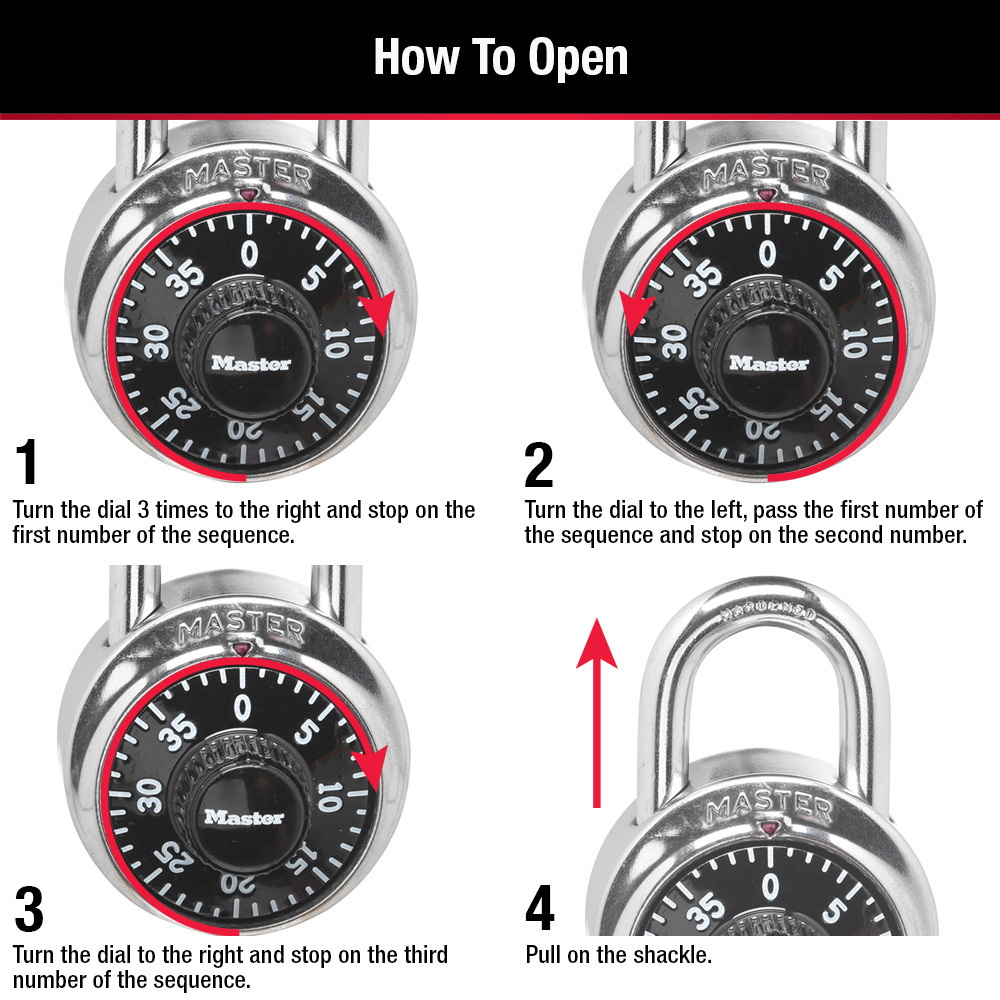
Turn Clockwise Two to Three Full Times
Spin the dial clockwise to the right at least two to three complete rotations. This action clears any previous attempts and aligns the internal discs properly for a fresh start.
- Turn the dial smoothly to the right.
- Complete at least two full circles past zero.
- Stop only after ensuring the mechanism is fully reset.
Pro Tip: Use a steady motion when turning. Jerky or rapid spins can cause the internal wheels to misalign before you begin your combination.
Input the First Number of Your Combination
Precision matters significantly when entering the initial digit of your code. Rushing this step can throw off the entire sequence and leave your belongings inaccessible.
Stop Exactly at the First Digit
Continue turning the dial clockwise after clearing it. Stop immediately when your first number, such as 10, lines up perfectly with the index mark at the top of the lock body.
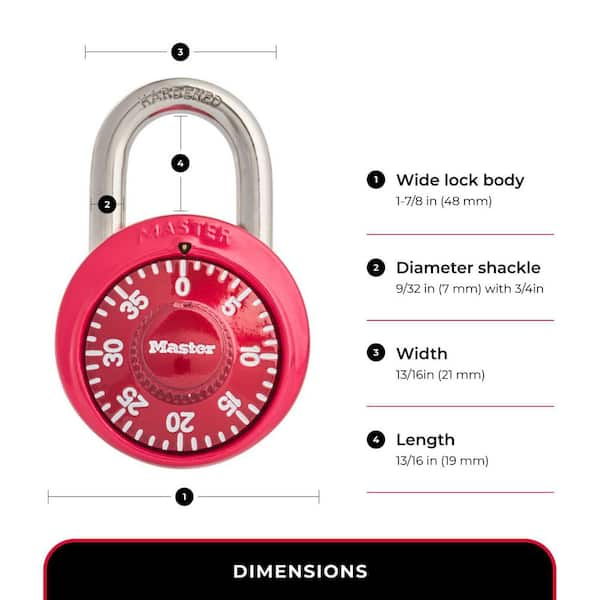
- Locate the small raised line above the dial.
- Align your number directly under this mark.
- Do not overshoot the target number.
Visual Cue: The index mark is usually a small groove or arrow. Your target number must sit directly beneath this point for the lock to register it correctly.
Dial the Second Number with Correct Revolutions
This specific step causes the most errors for new users. The second number requires you to pass the digit once before stopping on the second occurrence.
Turn Counterclockwise Past the First Number
Begin turning the dial counterclockwise to the left. You must pass your first number one time completely before looking for your second number.
- Rotate left past your first number.
- Continue turning until you reach the second number for the first time.
- Keep turning one more full rotation to hit the second number again.
- Stop exactly on this second appearance.
Common Mistake: Stopping at the first occurrence of the second number. You must pass it once and stop only on the second time it appears under the index mark.
Finish the Sequence with the Third Number
The final step is straightforward if you maintain the correct direction. Reversing direction here will reset the lock and require you to start over.
Turn Clockwise Directly to the Final Digit
Without changing direction or reversing, turn the dial clockwise to the right. Go directly to your third number, such as 18, and stop when it aligns with the index mark.
- Maintain a clockwise motion from the previous step.
- Do not pass the third number.
- Stop immediately when the number hits the mark.
Success Signal: You will feel a slight pop or click as the shackle releases automatically if the sequence was correct.
Open and Secure Your Master Lock Properly

Once the internal mechanism disengages, you must handle the shackle correctly to access your items. Proper closing ensures security for future use.
Pull the Shackle Up to Access Items
Lift the U-shaped metal bar upward to free it from the hasp or loop. Your lock is now open and ready for you to retrieve your stored items.
Close and Scramble After Use
To relock the device securely, push the shackle down firmly until it clicks into place. Then scramble the dial by spinning it several times in either direction.
- Push the shackle down until it locks.
- Spin the dial randomly to hide your combination.
- Tug gently to verify the lock is engaged.
Security Tip: Never leave the dial resting on your combination numbers. Always spin it to prevent others from guessing your code.
Reset the Dial for Shared Environments
Some users prefer returning the dial to a neutral position after locking. This practice helps avoid confusion in shared spaces like gyms or schools.
Return to Zero After Locking
While not strictly required for function, turning the dial to 0-0-0 provides a consistent starting point for the next user. This habit reduces errors during the next opening attempt.
- Close the shackle completely.
- Turn the dial until zero aligns with the mark.
- Leave the lock in this neutral state.
Best Practice: If you share this lock with others, agree on a standard reset position like zero to ensure everyone starts from the same point.
Master Lock Sequence Cheat Sheet
Memorizing the core pattern helps you operate the lock without hesitation. This summary covers the essential movements for every attempt.
| Step | Direction | Action Required |
|---|---|---|
| 1 | Clockwise | Turn 2–3 full times to clear |
| 2 | Clockwise | Stop at the first number |
| 3 | Counterclockwise | Pass first number, stop at second number (2nd pass) |
| 4 | Clockwise | Go directly to the third number |
| 5 | Upward | Pull shackle to open |
Printable Tip: Tape this sequence inside your locker or bag until the movements become muscle memory.
Troubleshoot Common Lock Issues

Even with the right code, mechanical issues or user error can prevent opening. These solutions address the most frequent problems users face.
Lock Does Not Open With Correct Code
If the shackle remains stuck despite correct input, recheck your turning order immediately. You likely missed the second pass on the second number or reversed direction too early.
- Retrace the sequence slowly and deliberately.
- Apply slight upward pressure on the shackle while dialing the final number.
- Ensure you cleared the dial fully before starting.
Avoid Force: Never yank the shackle violently. This can damage the internal pins and permanently break the locking mechanism.
Dial Feels Stiff or Jammed
Environmental factors like dirt, rust, or cold weather can make the dial difficult to turn. Lubrication and gentle maintenance often resolve these issues.
- Apply graphite powder lightly to the dial gap.
- Tap the lock body gently with your palm to dislodge debris.
- Keep the lock dry to prevent corrosion over time.
Warning: Do not use oil-based lubricants like WD-40. These attract dust and gum up internal parts long-term.
Identify Your Specific Lock Model
Not all Master Locks operate identically. Checking your specific model type ensures you are using the correct opening method.
Check for Model Variations
Standard dial locks follow the three-number spin method described above. However, keyed locks require a physical key, and resettable models may have unique levers.
- Look for the model number stamped on the back.
- Identify if your lock uses a key or a dial.
- Search for specific instructions if you have a digital or resettable model.
Look Closely: The model number is usually engraved on the rear of the lock body. Use this number to find specific guidance for non-standard models.
Prevent Future Lockout Situations
Forgotten combinations or frozen mechanisms can cause significant stress. Adopting good habits now saves time and frustration later.
Memorize Your Combination Effectively
Create a memorable phrase linking your numbers to real-world concepts. This technique helps you recall the code without writing it down insecurely.
- Link numbers to dates, addresses, or events.
- Create a story connecting the three digits.
- Avoid obvious sequences like 1-2-3.
Store Backup Information Safely
Never write your combination directly on the lock or nearby. Instead, store the code in a secure password manager or tell a trusted person.
- Save the code in a secure digital vault.
- Keep a sealed note in a separate safe location.
- Share the code only with necessary individuals.
Privacy First: Avoid sending your combination via unsecured text messages or emails where it could be intercepted.
Practice the Unlocking Sequence Regularly
Confidence comes from repetition. Even experienced users can fumble under pressure without regular practice.
Drill the Sequence Weekly
Spend one minute once a week practicing the full open and close cycle. This builds muscle memory so you can open the lock without thinking.
- Clear the dial completely.
- Enter your combination smoothly.
- Open and relock the shackle.
- Scramble the dial to finish.
Muscle Memory Tip: The more you practice the specific turns, the faster and more accurate you will become during actual use.
Frequently Asked Questions About Master Locks
What happens if I overshoot my number on the dial?
If you pass your target number, you must start the entire sequence over from the beginning. The internal wheels will not align correctly if you try to reverse back to the number.
Can I use oil to lubricate a stiff Master Lock dial?
No, you should never use oil-based products like WD-40 on these locks. Oil attracts dust and dirt which gums up the internal mechanism. Use dry graphite powder instead.
How many times do I need to turn the dial to clear it?
You need to turn the dial clockwise two to three full revolutions. While turning it five times works, two to three rotations are sufficient to reset the internal wheels.
Why won’t my lock open even with the correct combination?
You likely made an error in the turning sequence, such as stopping at the first pass of the second number. Ensure you pass the second number once before stopping on the second occurrence.
Do I need to reset the dial to zero after locking?
It is not required for the lock to function, but resetting to zero is a good habit for shared locks. It provides a consistent starting point for the next person using the lock.
Key Takeaways for Using Your Master Lock Successfully
Mastering how to use a master lock relies on precision and consistent technique. The difference between a stuck lock and a smooth release often comes down to one missed pass or a rushed turn.
By following the clockwise clear, first number stop, second pass rule, and direct third number entry, you will unlock reliably every time. Keep your lock clean, practice your sequence regularly, and store your combination securely.
With these steps, you are no longer guessing at the dial. You now have the control and confidence to manage your security effectively.