Staring at a locked gym locker while holding your books feels frustrating when you do not know how to use a lock correctly. Millions of students and athletes face this exact stress every year because they miss one small mechanical detail.
This guide teaches the precise Right-Left-Right sequence required to align internal tumblers and open your 3-number combination lock. You will learn the exact steps to reset the dial, avoid common turning errors, and troubleshoot why your lock might stay shut.
Reset the Lock Before Entering Your Combination
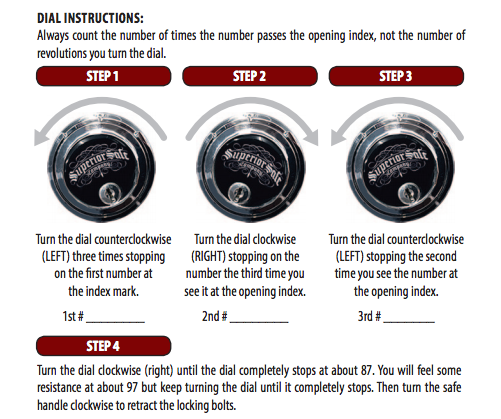
You must clear the internal mechanism before attempting to enter your specific numbers. This step removes any residual alignment from previous attempts and ensures the tumblers start from a neutral position.
Spin the Dial Clockwise Multiple Times
Turn the dial to the right (clockwise) for at least two to three full revolutions.
* Pass the number zero multiple times during this rotation.
* Ensure you feel the dial move freely without resistance.
* This action resets the internal gears for a fresh start.
Most users begin this process by spinning past zero three times to guarantee a complete reset. While some locks may require fewer turns, this method works universally on standard models.
Pro Tip: Use these extra spins to mentally recite your combination sequence. Saying “Right-Left-Right” aloud helps prime your brain for the upcoming steps.
Execute the First Number Correctly

The first step of the actual combination requires precise alignment with the indicator mark. Any error here prevents the subsequent numbers from engaging properly.
Turn Right to Your First Digit
Continue turning the dial clockwise until your first number aligns perfectly with the fixed indicator mark at the top.
* Look for the triangle or arrow engraved on the lock face.
* Stop exactly when your number centers under this mark.
* Do not stop early or overshoot the target.
If you pass your first number, you cannot simply turn back to correct it. You must restart the entire reset process to maintain internal alignment integrity. Precision is more important than speed at this stage.
Master the Second Number Pass-Over Rule
This specific step causes the most failures for new users. The internal mechanism requires a full revolution to engage the second tumbler correctly.
Rotate Left Past the First Number
Turn the dial counter-clockwise (left) and ensure you pass your first number completely.
* Continue rotating until the dial completes a full circle.
* Only stop when you reach your second number on the second pass.
* Skipping this full revolution keeps the lock engaged.
For example, if your first number was 12, you must turn left past 12, go all the way around, and then stop at your second number. Failing to pass the first number means the second tumbler never picks up.
Align the Third Number and Release

The final step completes the alignment of all three internal wheels. This movement differs slightly from the previous step because it requires no extra revolutions.
Turn Directly Right to the Final Digit
Rotate the dial clockwise (right) directly to your third number.
* Do not pass any numbers or complete a full rotation.
* Stop precisely when the third number hits the indicator mark.
* Apply firm upward pressure on the shackle immediately.
The shackle should pop open if all previous steps were executed with exactness. If it does not open, do not force it harder as this can damage the internal release mechanism.
Avoid These Common Lock Mistakes
Even with the correct combination, user error often prevents the lock from opening. Recognizing these pitfalls saves significant time and frustration in busy hallways.
Ignoring the Pass-Over Requirement
Many users turn left to the second number without passing the first number first.
* This prevents the second tumbler from engaging.
* The lock remains shut despite correct numbers.
* Always complete the full leftward revolution.
Rushing the Dial Rotation
Turning the dial too quickly leads to overshooting your target numbers.
* Slow down between each number entry.
* Pause briefly to ensure perfect alignment.
* Watch the indicator mark closely rather than guessing.
Forcing the Shackle Open
Yanking the shackle violently when the lock is misaligned causes internal damage.
* Reset the lock completely if it fails to open.
* Verify your combination sequence is correct.
* Try again with smooth, deliberate movements.
Troubleshoot When the Lock Won’t Open
If your lock refuses to release, follow this diagnostic checklist before assuming the device is broken. Most issues stem from minor alignment errors.
Verify Exact Number Alignment
Check that every number stopped exactly on the indicator line.
* A deviation of half a number prevents opening.
* Re-enter the combination slowly and deliberately.
* Ensure your eyes are directly above the dial to avoid parallax error.
Confirm the Rotation Sequence
Double-check that you followed the strict Right-Left-Right pattern.
* Did you turn left for the second number?
* Did you turn right again for the third?
* Did you accidentally reverse the order?
Perform a Deep Reset Protocol
If you remain unsure where the error occurred, start over completely.
1. Turn the dial clockwise three full times.
2. Restart the sequence from the beginning.
3. Focus on precision rather than speed.
This deep reset clears both mechanical confusion and mental errors. It is often the fastest way to resolve persistent locking issues.
Build Muscle Memory Through Practice
Mastering how to use a lock typically takes one to two days of regular practice. The goal is to move from conscious thought to automatic muscle memory.
Practice in Low-Pressure Environments
Use your lock at home or during quiet times to build confidence.
* Try opening and closing it five to ten times in a row.
* Close the shackle and re-enter the combo each time.
* Aim to open it on the first try consistently.
This repetition builds the necessary dexterity and confidence before you face a crowded hallway scenario. Consistency creates the automatic response you need.
Seek Assistance When Stuck
Schools and gyms often have staff trained to help with lock issues.
* Ask a teacher or locker room attendant for help.
* Many administrators can demonstrate the process personally.
* There is no shame in asking for guidance as a beginner.
Everyone starts as a novice with these mechanisms. Getting help early prevents long-term frustration and ensures you secure your belongings properly.
Understand Your Lock Mechanics

Knowing how the internal components work helps you appreciate why specific steps are necessary. This knowledge transforms the process from magic to mechanical logic.
How Internal Tumblers Function
Three wheels inside the lock must align perfectly to release the shackle.
* Each number turn positions one specific tumbler.
* The pass-over rule ensures the second tumbler engages correctly.
* All three must line up simultaneously for the lock to open.
Think of it as a mechanical puzzle that only solves when you follow the exact order. Breaking the sequence disrupts the alignment of these internal wheels.
The Importance of the Indicator Mark
Always align numbers with the fixed reference point at the top of the lock.
* Look for a triangle, arrow, or engraved line.
* Never align numbers to the bottom or side of the dial.
* Position your eyes directly above to ensure accuracy.
Using the wrong reference point guarantees failure regardless of your technique. The indicator mark is the only valid target for your numbers.
Review Real-World Combination Examples

Seeing the steps applied to specific numbers clarifies the process further. These examples illustrate the universal application of the rules.
Example Combination: 12-14-3
Follow this sequence for a lock with these specific digits.
1. Reset by spinning right three full turns.
2. Turn right and stop exactly at 12.
3. Turn left, pass 12, and stop at 14.
4. Turn right directly to 3.
5. Pull the shackle upward to open.
This sequence demonstrates the critical pass-over of the first number during the left turn.
Example Combination: 21-34-12
Apply the same logic to a different set of numbers.
1. Spin right past zero multiple times.
2. Stop at 21 while turning right.
3. Turn left, pass 21, and stop at 34.
4. Turn right directly to 12.
5. Yank the shackle firmly to release.
The pattern remains consistent regardless of the specific numbers involved.
Final Tips for Long-Term Success
Mastering how to use a lock relies on consistency rather than complex techniques. Small habits ensure long-term reliability and security.
Apply the Correct Force
Use smooth pressure on the dial and firm pressure on the shackle.
* Turn the dial gently without jerking.
* Pull the shackle sharply but not violently.
* A quick yank often works better than a slow pull.
Maintain Your Lock Properly
Keep your device clean and free of debris for optimal performance.
* Avoid dropping the lock as impacts misalign parts.
* Apply dry graphite lubricant if the dial sticks.
* Never use oil which attracts dirt and gum up the mechanism.
Proper care extends the life of your lock and ensures it functions when you need it most. Regular maintenance prevents many common operational issues.
Frequently Asked Questions About Combination Locks
What if I overshoot my first number?
You must restart the entire process from the beginning. Turning the dial backward disrupts the internal tumbler alignment. Spin the dial clockwise three full times to reset, then start your sequence again from zero.
Why must I pass the first number when turning left?
Passing the first number engages the second internal tumbler correctly. Without this full revolution, the second wheel does not pick up, and the lock remains engaged even if the numbers look correct.
How long does it take to learn this skill?
Most users master the technique within one to two days of consistent practice. Repetition builds the muscle memory needed to perform the steps automatically without conscious thought.
Can I force the shackle if it feels stuck?
No, forcing the shackle can bend internal parts or damage the release mechanism. If the lock does not open, reset the dial completely and try your sequence again with greater precision.
Where can I get help if I forget my combination?
Contact your school administrator or gym management immediately. They often have master lists or reset procedures for institutional locks. Do not attempt to guess repeatedly as this may trigger security protocols.
Key Takeaways for Using Your Combination Lock
Success with combination locks depends on following the strict Right-Left-Right sequence and respecting the pass-over rule. Remember to reset the dial fully before starting and align every number exactly with the indicator mark.
Practice your specific combination daily until the movements become automatic. With patience and precision, you will open your lock quickly and confidently every single time.