You know the right numbers for your gym locker or school bag, yet the spin lock refuses to open no matter how many times you try. This frustrating scenario usually stems from a minor error in turning direction or timing rather than a broken mechanism.
Mastering how to use a spin lock requires precision with the Right-Left-Right sequence and strict adherence to reset rules. This guide explains the internal mechanics, provides a step-by-step opening method, and offers troubleshooting tips to fix common mistakes instantly.
Why the Right-Left-Right Sequence Matters
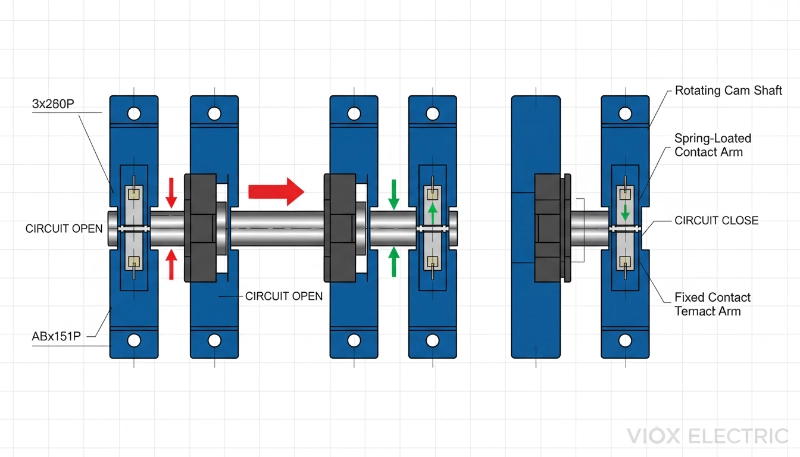
Standard spin locks rely on a specific rotational pattern to align internal components known as cams. Most models from major brands require a Right-Left-Right turning sequence to function properly. Deviating from this pattern prevents the internal gates from lining up, leaving the shackle locked tight.
The process involves three distinct phases. First, you turn right to reset and align the initial number. Next, you turn left to engage the second component. Finally, a right turn aligns the last piece to release the lock. Skipping any directional change guarantees failure even with the correct combination.
How Internal Cams Align During Rotation
Three stacked discs called cams sit behind the dial, each featuring a specific notch known as a gate. The lock opens only when all three gates align perfectly under a locking lever.
- The first clockwise turn moves the rear cam into position.
- The counter-clockwise turn disengages the rear cam while rotating the middle one.
- The final clockwise turn positions the front cam attached directly to the dial.
Turning the wrong way disrupts this delicate mechanical dance. The mechanism essentially resets itself if the sequence breaks, forcing you to start over to achieve alignment.
Reset the Dial Before Entering Numbers
You must clear residual alignment from previous attempts before entering your combination. This reset phase ensures all internal cams rotate together as a single unit.
Perform Two to Three Full Clockwise Rotations
Spin the dial to the right at least two full times, ensuring you pass the zero mark twice. Older or stiffer locks may benefit from three full rotations to guarantee complete engagement.
Watch the numbers cycle past the top indicator line to confirm full rotation. This action meshes all cam teeth together, creating a clean slate for your specific sequence.
Pro Tip: Always begin your reset from a random position. Never assume the lock is ready just because it appears closed.
Enter the First Number Clockwise

Continue turning the dial clockwise after your reset rotations. Stop precisely when your first combination number aligns with the fixed indicator line at the top.
Stop Exactly on the Target Number
Alignment must be perfect. Even a slight overshoot can prevent the internal gate from positioning correctly under the lever.
If you pass the number, do not try to reverse the dial. You must return to the reset step and begin the entire process again to ensure accuracy.
This step positions the gate of the third cam, which is the furthest from the dial, into the correct spot for unlocking. Rushing this step is a common cause of failure.
Align the Second Number Counter-Clockwise
Turn the dial to the left for your second number. This step contains the most critical rule in how to use a spin lock effectively.
Pass the First Number Completely
You must rotate past your first number one full time before stopping at the second number. For example, if your first number is 12, turn left past 12, continue the rotation, and stop when you reach your second number.
This pass-through engages the teeth of the middle cam with the first cam on the opposite side. Without this full rotation, the second cam will not move independently, and the lock will remain stuck.
Avoid Reversing After Overshooting
Stop exactly on the second number once you have completed the required pass. If you go too far, you cannot simply turn back to correct it.
Reversing the dial misaligns the cams you just set. The only solution is to restart the sequence from the beginning to maintain mechanical integrity.
Set the Third Number Clockwise
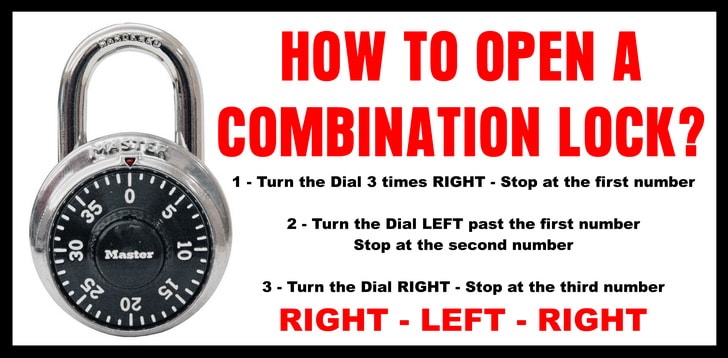
Turn the dial to the right again for your final number. This step differs significantly from the previous one regarding rotation count.
Stop on the First Pass
Do not pass the third number. Stop immediately when it hits the indicator line for the first time.
Since the front cam attaches directly to the dial, it moves instantly. Stopping on the first pass ensures you do not drag the other aligned cams out of position.
Warning: Going past the final number breaks the alignment of all three gates. There are no corrections allowed at this stage.
Pull the Shackle to Open the Lock
Apply firm upward pressure on the U-shaped shackle once all three numbers are set. If your sequence was precise, the lock will release smoothly.
What to Do If the Lock Stays Closed
Do not force the shackle if it does not move. Excessive pulling can damage the internal lever or jam the mechanism permanently.
- Release the shackle completely.
- Return to the reset step and spin the dial right two or three times.
- Repeat the entire sequence slowly and deliberately.
Some locks require a slight downward push before pulling up. Try this variation if the shackle feels stuck despite correct numbers.
Troubleshoot Common Spin Lock Errors
Most failures result from small procedural mistakes rather than broken parts. Identifying your specific error helps you fix it quickly.
Failure to Pass the First Number
- Symptom: The lock refuses to open despite using correct numbers.
- Fix: Ensure you rotate completely past the first number during the left turn.
This error accounts for the majority of failed attempts. The second cam simply cannot engage without that full revolution.
Overshooting a Target Number
- Symptom: The dial goes past the intended number on any step.
- Fix: Abort the attempt and restart from the reset phase.
Mechanical locks have no undo button. Reversing direction corrupts the alignment of previously set cams.
Shackle Won’t Release Smoothly
- Possible causes:
- Slight misalignment by half a number
- Dirt or corrosion inside the dial
- Worn internal components
Try re-entering the combination with extreme slowness. Check for debris around the dial gap if the problem persists.
Understand Lock Variations and Maintenance
Not every spin lock operates identically. Some models require slight adjustments to the standard procedure.
Differences in Reset Requirements
| Type | Reset Turns | Best Use Case |
|---|---|---|
| Two-Turn | 2 full clockwise rotations | School lockers and newer models |
| Three-Turn | 3 full clockwise rotations | Safes and older or stiff locks |
When unsure, perform three turns. This extra rotation ensures a complete reset and eliminates doubt about internal positioning.
Clean and Lubricate for Longevity
Use compressed air to blow dust and lint out of the dial gap regularly. Avoid water or oil-based cleaners as they attract more dirt over time.
Apply graphite powder sparingly if the dial feels stiff. Never use WD-40 or liquid oil, which gums up the internal cams and causes failure.
Prevent Future Lock Issues
Develop good habits to avoid frustration when you need quick access to your belongings.
Practice the Sequence Repeatedly
Open and close your lock five times in a row when you first receive it. This builds muscle memory and confirms the combination works before you rely on it.
Store Combinations Securely
Keep your code in a password manager or a sealed envelope at home. Never write the combination on the lock itself or attach it to your bag.
Avoid Wearing Thick Gloves
Thick gloves reduce tactile feedback and increase the risk of misalignment. Remove them or move extra slowly if you must wear them while dialing.
Know When to Replace Your Spin Lock
Even well-maintained locks eventually wear out. Replace your unit if the dial spins freely without resistance or numbers no longer align cleanly.
Upgrade to a model with a hardened steel shackle if you need better security. Cheap models often fail after heavy use, making replacement a wise investment for peace of mind.
Frequently Asked Questions About Spin Locks
What happens if I overshoot the second number?
You must restart the entire sequence from the beginning. Reversing the dial to correct an overshoot misaligns the internal cams and prevents the lock from opening.
Why do I need to pass the first number when turning left?
Passing the first number ensures the teeth of the middle cam engage correctly with the first cam. This mechanical requirement allows the second cam to rotate independently into position.
Can I use oil to lubricate a stuck spin lock?
No, you should use graphite powder only. Oil attracts dust and dirt, which eventually gums up the internal cams and causes the lock to fail completely.
How many times should I reset the dial?
Most locks require two to three full clockwise rotations before entering the first number. Three turns are safer for older locks or if previous attempts have failed.
Do all spin locks use the Right-Left-Right pattern?
Most standard padlocks use this sequence, but some specialty safes may differ. Always check the manufacturer instructions if your lock behaves differently than expected.
Key Takeaways for Using Your Spin Lock
Mastering how to use a spin lock comes down to precision and patience with the Right-Left-Right sequence. Remember to reset fully, pass the first number on the left turn, and stop exactly on the third number without overshooting.
Practice these steps slowly to build confidence and muscle memory. With the correct technique, you will open your lock reliably every single time without needing tools or force.