Losing your hitch key or facing a frozen mechanism can stop your trip before it starts. Knowing how to unlock a hitch lock quickly saves time and prevents damage to your trailer.
This guide details emergency removal steps, compatibility checks, and prevention tips. You will learn to bypass stuck pins safely using common household tools.
Identify Your Specific Hitch Lock Mechanism
Different locking systems require unique approaches for removal and maintenance. Identifying your specific model ensures you apply the correct force and technique.
Built-In Twisting Hitch Pins
These units feature an integrated cylinder that secures the pin with a simple turn.
* Insert the key and rotate it 90 to 180 degrees to release.
* The pin should slide out smoothly once the internal bolt disengages.
* Pro Tip: Stop immediately if you feel resistance to avoid breaking internal tumblers.
Padlock and Standard Pin Combinations
This method uses a separate high-strength padlock threaded through the pin assembly.
* Remove the padlock by turning its key or entering the combination first.
* Pull the standard hitch pin free from the receiver tube.
* Watch For: Rust on the shackle that may bind the pin even after unlocking.
Cable Lock Hybrid Systems
These systems add a cable layer threading through the hitch to the trailer frame.
* Open the cable lock section before attempting to remove the main pin.
* Check both the cable connection and the pin mechanism for engagement.
* Note: This dual approach offers maximum protection in high-theft areas.
Verify Hitch Receiver Compatibility Before Purchase
Using a lock that does not match your receiver size leads to immediate failure. Proper sizing prevents jamming and ensures smooth operation.
Measure Hitch Diameter Accurately
Mismatched diameters are the primary cause of lock fit issues and removal failures.
* Check for standard sizes like 1/2 inch, 5/8 inch, or 3/4 inch pins.
* Measure your specific hitch receiver bore before buying any new device.
* Mistake to Avoid: Never assume all trailer hitches share the same pin dimensions.
Test Key Function Regularly
Verify your key turns smoothly during every setup and breakdown routine.
* Apply a dry lubricant if the key feels stiff or sticky.
* Inspect the cylinder for debris that might block the keyway.
* Critical Rule: Never force a key as this breaks the internal locking mechanism.
Emergency Removal Steps for Lost Keys
You can extract a stuck or locked pin without destructive tools when the key is missing. This process takes under 30 seconds with the right technique.
Gather Three Essential Tools
You only need common items found in most toolkits to perform this bypass.
* Flathead screwdriver
* Hammer
* Slim push tool like a nail or awl
This combination works on most twist-type and pin-style locking mechanisms effectively.
Tap the Lock Pin to Dislodge Internal Components
Use controlled impact to free the stuck internal locking bolt.
1. Insert the flathead screwdriver tip firmly into the pin slot.
2. Tap the screwdriver handle lightly with the hammer.
3. Allow the impact force to drive the internal bolt backward.
4. Pull the pin outward as soon as it begins to move.
* Visual Cue: Look for slight outward movement after just a few gentle taps.
Push Out the Remaining Pin Stub
A small segment of the pin often remains lodged on the opposite side after initial removal.
* Move to the opposite side of the hitch receiver.
* Use your slender tool to push the remaining stub straight through.
* Apply light pressure to slide the piece out completely.
* Time Estimate: Full removal typically takes less than 30 seconds once started.
Prevent Frozen or Stuck Lock Mechanisms

Moisture, cold, and road dirt can seize a hitch lock unexpectedly during your travels. Regular maintenance keeps the mechanism functional year-round.
Apply Dry Lubricant Frequently
Wet lubricants attract dust and gum up the internal components over time.
* Use graphite powder or PTFE-based dry spray for best results.
* Apply lubricant every three to six months or after heavy rain exposure.
* Warning: Do not use standard WD-40 as it leaves residue that attracts grime.
Cover the Lock During Storage
Leaving the mechanism exposed accelerates wear and corrosion significantly.
* Install a rubber hitch cover or silicone cap when not in use.
* This barrier keeps out water, road salt, and loose debris.
* Bonus: Covers also deter casual tampering and reduce rust buildup.
Avoid Common Unlocking Mistakes
Even experienced owners make errors that damage locks or delay their departure. Avoiding these pitfalls preserves your equipment and ensures safety.
Forcing the Key in the Cylinder
Twisting too hard breaks the key blade or damages the internal cylinder permanently.
* Stop immediately if the key will not turn with gentle pressure.
* Wiggle the key slightly while applying lubricant before trying again.
* Sign of Trouble: A grinding sound indicates internal damage requiring repair.
Using Pliers on the Pin Shaft
Gripping the pin with pliers can deform the metal and make removal harder.
* Use only hand pressure unless tapping gently with a hammer.
* Tap the pin free rather than pulling aggressively with tools.
* Damage Risk: Deformed pins will not reinsert properly into the receiver.
Secure Your Spare Key Properly
Losing your only key creates a roadside emergency that delays your entire trip. Proper storage ensures you always have access.
Store Spare Keys Off the Trailer
Keeping the spare on the trailer defeats the purpose of having a backup.
* Place the spare in your vehicle glove compartment or home safe.
* Give a copy to a trusted contact who travels with you occasionally.
* Security Risk: Never hide a key on the trailer frame as thieves check there first.
Label Keys Clearly
Avoid confusion during stressful situations by marking your keys distinctly.
* Mark the spare “TRAILER HITCH” for easy identification by anyone.
* Consider key-matching services so one key opens all trailer locks.
* Convenience: Matching keys reduce fumbling during setup and teardown.
Upgrade to a User-Friendly Lock System
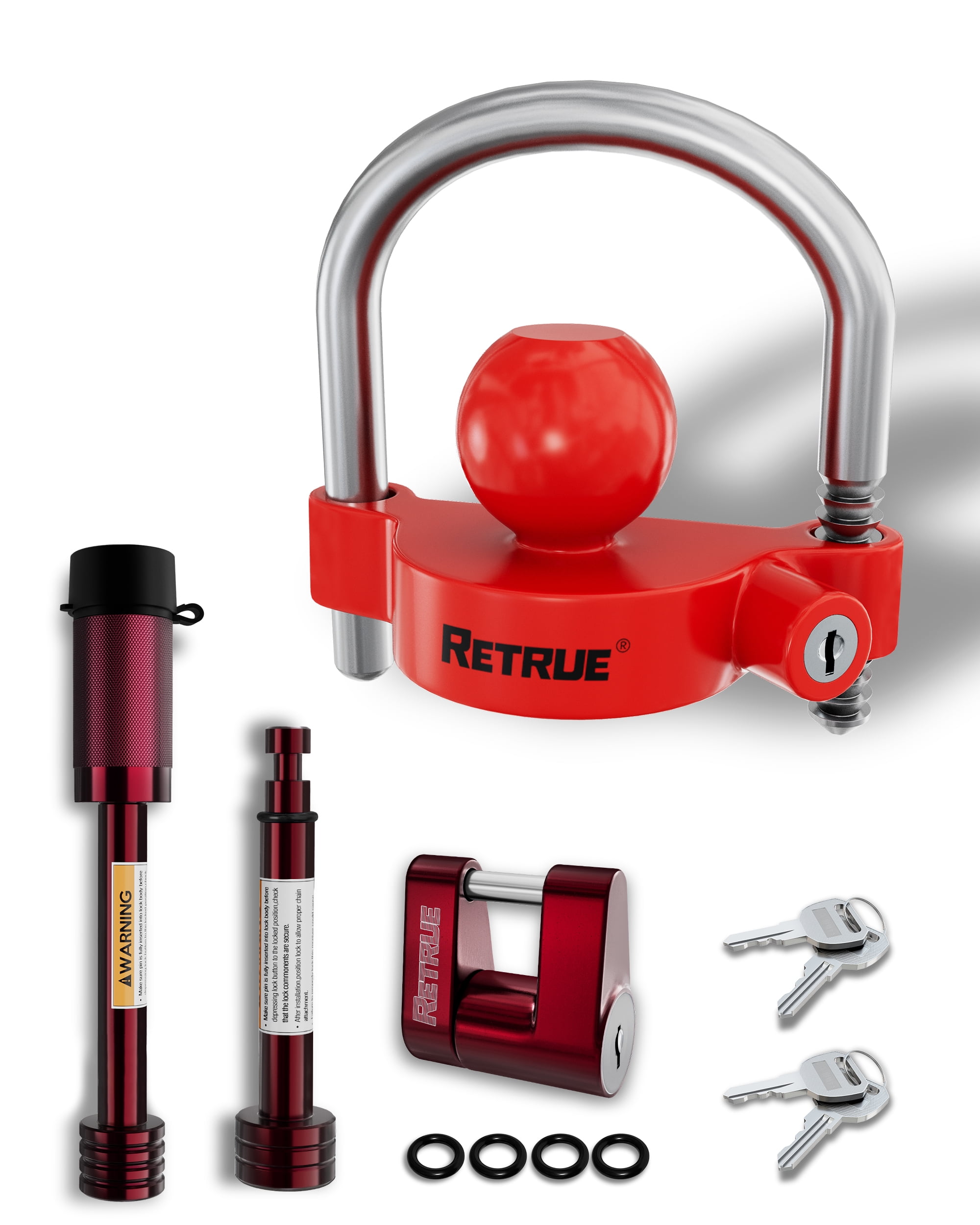
Not all hitch locks offer the same balance of security and daily convenience. Upgrading can simplify your routine while maintaining strong protection.
Switch to Keyed-Alike Lock Systems
Simplify access by using matching keys across all your security devices.
* Use one key for the hitch pin, trailer doors, and storage compartments.
* Many major brands offer key-matching services for this exact purpose.
* Time Saver: This reduces the number of keys you must manage daily.
Opt for Tamper-Resistant Designs
Look for features that specifically deter picking and forced entry attempts.
* Seek shielded cylinders and anti-drill plates for added security.
* Choose weather-resistant casings to prevent internal corrosion.
* Ideal For: Frequent travelers or those storing trailers long-term.
When to Replace a Damaged Lock
A compromised lock offers false security and risks trailer detachment during travel. Replace any unit showing signs of structural failure immediately.
Signs It’s Time to Replace
Replace the lock immediately if you notice specific signs of wear or failure.
* Cracked housing or a bent shank on the pin.
* Key turns but the pin fails to release completely.
* Repeated sticking despite regular cleaning and lubrication.
* Safety Risk: A broken lock can fail mid-trip and risk trailer detachment.
Install the New Lock Correctly
Ensure proper fit and function from day one with careful installation.
1. Confirm the new lock size matches your hitch receiver diameter.
2. Insert and test movement before engaging the locking mechanism.
3. Verify the key turns smoothly in both locked and unlocked positions.
4. Store the spare key in a secure location separate from the trailer.
Frequently Asked Questions About Hitch Locks
Can you remove a hitch lock without the original key?
Yes, you can remove most hitch locks without a key using a flathead screwdriver and hammer. Tapping the pin slot dislodges the internal bolt, allowing removal in under 30 seconds.
What size hitch pin do I need for my trailer?
You must measure your specific hitch receiver bore to determine the correct size. Common sizes include 1/2 inch, 5/8 inch, and 3/4 inch diameters.
Why is my hitch lock key stuck or hard to turn?
Dirt, rust, or lack of lubrication often causes keys to stick in the cylinder. Apply a dry lubricant like graphite spray and avoid forcing the key to prevent breakage.
Are cable hybrid locks more secure than standard pins?
Cable hybrids add a secondary layer of security by attaching directly to the trailer frame. They are ideal for high-theft areas but require unlocking two separate mechanisms.
How often should I lubricate my hitch lock?
Apply dry lubricant every three to six months or after exposure to rain and snow. Regular maintenance prevents freezing and ensures smooth operation year-round.
Key Takeaways for Unlocking Your Hitch Lock Safely
Knowing how to unlock a hitch lock without damage is essential for every trailer owner. You can bypass lost keys or frozen mechanisms quickly using a screwdriver, hammer, and slender push tool.
Always verify hitch receiver compatibility before purchasing new locks to prevent fit issues. Maintain your equipment with dry lubricant and store spare keys securely off the trailer to avoid future emergencies.