You are locked out of a bathroom or bedroom and staring at a tiny hole on the doorknob. This common privacy lock often traps people inside, but you can usually open it with a simple household item. If you need to know how to unlock a door with a pinhole lock, the solution is often just a bent pin or screwdriver away.
This guide explains exactly how to bypass these locks safely without causing damage to your hardware. You will learn to identify your specific lock type and use the correct tool to regain access in seconds. We cover both slot-style mechanisms and screw-actuated models so you are prepared for any situation.
Identify Your Privacy Lock Mechanism
You must determine your specific lock type before attempting any removal method. Most interior doors utilize one of two standard designs that require different tools for access.
Pinhole or Slot-Style Configurations
Examine the exterior face of your doorknob closely for a small opening. You are looking for a narrow slot or round hole approximately one-eighth of an inch wide.
* This feature is a functional release point rather than a decorative element.
* These locks are common on older models and mid-tier interior knobs.
* Visual cue: A tiny horizontal slit or round pin-sized hole centered on the knob face.
Screw-Actuated Privacy Designs
Look for a small Phillips head screw on the side or face of the knob instead of an open hole. This design is increasingly common in modern residential construction due to its reliability.
* The screw acts as a mechanical release for the internal locking pawl.
* It is often recessed slightly to prevent accidental loosening during normal use.
* Visual cue: A visible screw head embedded in the knob or lock plate.
Knowing your lock type dictates your approach. Use the bent pin method for holes and the screwdriver method for external screws.
Use a Bent Pin for Slot-Style Locks

This method is fast and non-destructive for doors featuring a pinhole or narrow slot. You can perform this technique with items found in most households.
Select the Correct Tool
Grab a cotter pin, which is a small rigid metal pin available at any hardware store. It is ideal because it is strong, reusable, and fits standard lock slots perfectly.
* A bent hairpin can work in a pinch if you lack a cotter pin.
* Hairpins are more likely to bend or break under pressure compared to metal pins.
* Pro Tip: Carry a pre-bent cotter pin in your home toolkit to save money on locksmith calls.
Bend and Insert the Pin Correctly
Bend the cotter pin at a precise 90-degree angle to form an “L” shape. The short end should measure about half an inch long to match the internal engagement depth.
1. Insert the bent end into the slot and push it straight in about 0.5 inches.
2. Do not force the tool if it does not slide smoothly into the mechanism.
3. Adjust the angle slightly if you meet resistance during insertion.
You are aiming to catch a small internal lever or latch within the assembly. If the pin goes in but nothing happens, reposition it and try again.
Trigger the Internal Latch Mechanism
Gently wiggle the pin up and down or side to side while applying light forward pressure. You are trying to engage the release mechanism inside the knob.
* Success indicator: Listen for a distinct click that you can both hear and feel through the pin.
* This sound signifies the locking pawl has retracted successfully.
* Turn the doorknob immediately after hearing or feeling the click to open the door.
Common mistake: Using too much force can bend the pin or damage internal components. Pull back slightly and reinsert if the lock does not release.
Unlock With a Screwdriver for Fast Access
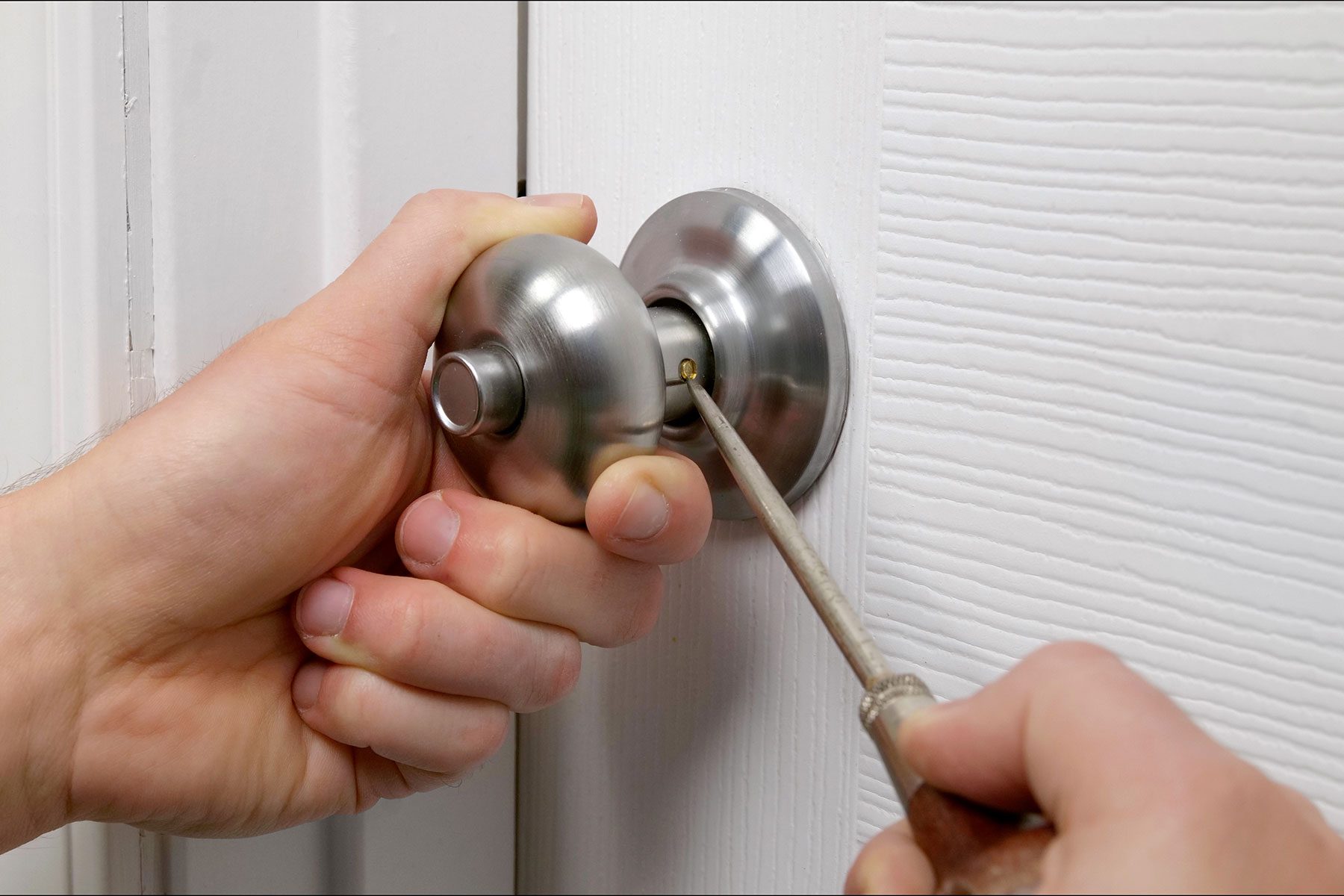
The screwdriver method is the quickest and most reliable technique for doors with an external screw actuator. This approach often takes less than fifteen seconds.
Locate the Release Screw
Find the Phillips head screw on the side or face of the doorknob. It is usually centered on the edge of the knob or near the base of the lock plate.
* This is not a decorative screw but the actual mechanical release.
* Do not confuse it with handle mounting screws located elsewhere on the assembly.
* Ensure you have a properly sized Phillips head screwdriver to prevent slipping.
Insert and Turn Counterclockwise
Insert the screwdriver firmly into the screw head to ensure full engagement. Turn the tool counterclockwise to disengage the internal locking mechanism.
1. Rotate the screwdriver approximately 1.5 to 2 full turns.
2. Do not remove the screw completely from the housing.
3. You are loosening the internal cam that holds the lock engaged.
The latch releases instantly after the correct number of turns. Turn the knob and open the door immediately. The screw connects to an internal threaded rod that retracts the bolt just like turning the inner knob would.
Fix a Stripped or Stuck Screw
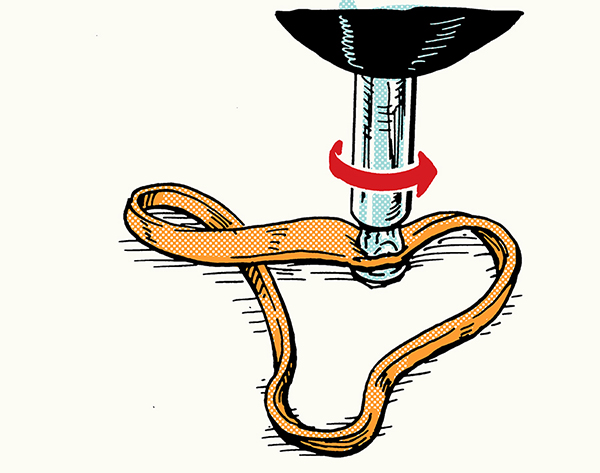
The screw may become stuck or stripped if previous attempts were made with improper tools. Do not force it as this can ruin the threads permanently.
Try These Recovery Solutions
Place a wide rubber band over the screw head before inserting the screwdriver. The rubber fills gaps and improves grip on the damaged surface.
* Push down hard while turning to keep the screwdriver seated firmly.
* Use a manual screwdriver instead of a power driver for better control.
* Power drivers often cam out and cause further damage to stripped heads.
Proceed to knob removal if none of these solutions work to free the mechanism.
Remove the Knob to Access the Mechanism

Disassembly is the next step when the screw is stripped or the lock refuses to release via standard methods. This allows direct access to the internal components.
Find the Retention Screw
Look for a small Phillips screw on the side of the knob shank. It is often hidden in a groove or recess on the side of the assembly.
* This screw holds the exterior knob in place on the spindle.
* It is distinct from the release screw used in the previous method.
* Some models hide this screw inside a tiny hole on the side of the knob.
Take the Knob Off Completely
Remove the retention screw completely using your screwdriver. Then gently pull the exterior knob straight off the spindle.
1. The knob should slide off easily once the retention screw is removed.
2. You will now see the internal mechanism and the back of the interior knob.
3. Rotate the exposed spindle by hand to unlock the door.
Warning: Do not yank the knob if it does not slide off. Double-check for a hidden screw or set pin before applying more force.
Reassemble the Lock Properly
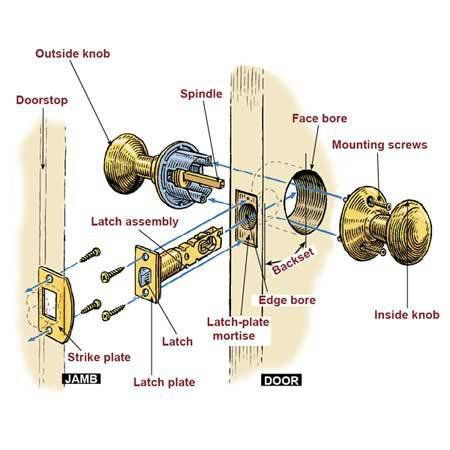
You must reassemble the lock correctly after gaining access to ensure it functions for future use. Proper alignment is critical for the mechanism to engage.
Align the Grooves Carefully
Slide the locking piece or knob back into position while aligning the internal grooves. Misalignment will prevent the screw from threading or the lock from engaging properly.
* Use a smartphone flashlight or camera to peer into the hole.
* A magnifying glass helps verify alignment if visibility is poor.
* Ensure the splines match up before attempting to tighten any screws.
Reinsert and Tighten the Screw
Reinsert the retention screw and tighten it gently once the knob is seated. If your model uses a release screw, turn it clockwise until you hear a click.
* Critical warning: Never over-tighten the screw during reassembly.
* Most interior knobs are made of plastic or soft metal that cracks easily.
* Tighten just enough to secure the mechanism, usually finger tight plus a quarter turn.
Prevent Future Lockouts Effectively
Prepare now so you do not have to worry about the next emergency situation. Simple preparation can save significant stress and time.
Keep Tools Handy
Store a Phillips head screwdriver in a nearby drawer or toolbox for quick access. Better yet, keep a pre-bent cotter pin in your key bowl or emergency kit.
* Label the tool “Door Unlock Tool” so anyone in the household knows its purpose.
* Ensure all adult household members know where these tools are located.
* Check your tools periodically to ensure they are in good condition.
Know Your Locks
Test each bedroom and bathroom door to identify which use pinholes and which use screws. Write down the types and post the information in your home manual.
* Educate older children and guests on how to unlock the door from the outside.
* A simple demonstration takes 30 seconds and could prevent a crisis.
* Understanding your specific hardware makes you ready for any accident.
When to Call a Locksmith
These methods work on standard residential privacy locks found in most homes. You should stop trying if your lock does not respond to these techniques.
* The lock may be a high-security or commercial-grade model.
* The mechanism could be jammed due to warping or severe misalignment.
* Electronic locks with dead batteries require different handling entirely.
* Physically damaged or rusted locks may need professional repair.
Forcing the mechanism can cause permanent damage that requires full replacement. Call a professional locksmith to avoid costly repairs if simple tools fail.
Frequently Asked Questions About Pinhole Locks
What household items work best to unlock a pinhole door?
A bent cotter pin is the most effective tool because it is rigid and fits standard slots. A bent hairpin can work in an emergency but may break inside the lock if you apply too much pressure.
How far should I insert the pin into the lock?
You should advance the tool approximately half an inch into the mechanism. This depth allows the bent end to catch the internal release lever without damaging deeper components.
Why won’t my screwdriver turn the release screw?
The screw head may be stripped or the mechanism could be jammed. Try placing a rubber band over the head for better grip or use a manual screwdriver for more control.
Can I damage my lock while trying to unlock it?
Yes, using excessive force or the wrong tools can bend internal pins or strip screws. Always apply gentle pressure and stop if you feel significant resistance.
Do these methods work on all bathroom doors?
No, these techniques only work on standard privacy locks with pinholes or external screws. They will not work on keyed entry deadbolts or high-security commercial hardware.
Key Takeaways for Unlocking Your Pinhole Lock
Unlocking a door with a pinhole lock is a simple mechanical process when you have the right information. Whether you use a bent cotter pin for slot-style locks or a Phillips screwdriver for screw-actuated models, the key is gentle manipulation. Remember to listen for the distinct click that signals the latch has released.
Preparation is your best defense against being locked out. Keep a small toolkit with a screwdriver and cotter pin near your bedrooms and bathrooms. By understanding how your specific lock works, you can resolve most accidental lockouts quickly and without damage.