You stand before a gym locker or suitcase, pressing numbered buttons on a push button lock, but the mechanism refuses to budge. The combination seems lost, or perhaps dirt has jammed the internal tumblers, leaving you stranded without access.
This guide explains exactly how to unlock a push button lock using safe, proven methods for forgotten codes and mechanical failures. You will learn to identify your specific lock type, try default factory settings, execute reset procedures, and fix common jams without causing damage.
Identify Your Specific Push Button Lock Model

Determining your exact lock model is the critical first step before attempting any unlocking method. Different mechanisms require entirely different approaches to bypass or reset.
Standard 3- to 5-Digit Combination Locks
These units are ubiquitous on school lockers and storage cabinets. They feature raised numbered buttons and often require a specific sequence followed by pulling a shackle.
* Look for a distinct “Enter” button or a release lever.
* Check for a recessed reset pinhole on the back.
* Listen for a audible click or pop when the correct code is entered.
Resettable Versus Factory-Set Mechanisms
Some locks allow users to create custom codes via an internal slider or pinhole. If you can access the interior of the locker or the back of the lock, you might reset it. Factory-set models lack this feature and strictly require the original code or manufacturer intervention.
Luggage and Travel Lock Variants
Suitcase locks often include a side switch to toggle between “set” and “normal” modes. These TSA-approved designs usually only allow code changes when the lock is already open. Pressure from packed clothes often causes these specific units to jam.
Try Default Factory Codes First
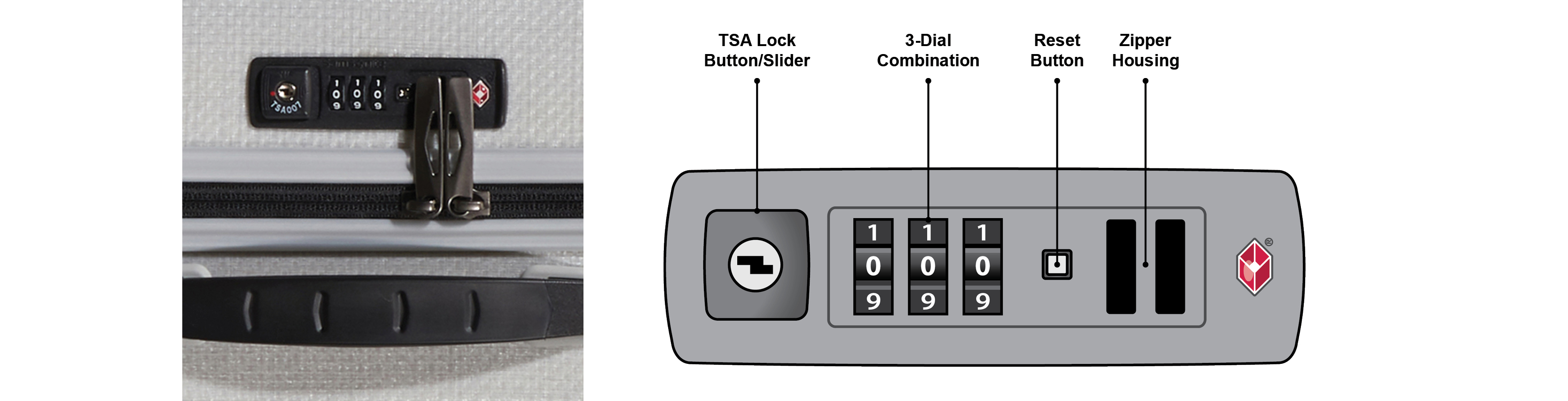
Many users overlook the simplest solution when trying to unlock a push button lock. Manufacturers often ship units with standard preset combinations that remain active until changed.
Common Factory Preset Sequences
Try these universal codes before assuming the lock is broken. Enter each digit slowly and deliberately.
* 0-0-0-0 or 0-0-0
* 1-2-3-4
* 1-1-1-1
Press the sequence and immediately pull the shackle or hit “Enter.” Some models engage automatically after the final digit entry.
Verify Brand-Specific Defaults
If you know the brand, search for their specific default settings. Major manufacturers like Master Lock and Samsonite often use predictable starting codes.
* Master Lock models frequently default to 0-0-0-0.
* Samsonite luggage often starts at 0-0-0 or 1-2-3.
Check any remaining packaging or online manuals for your specific model number.
Reset a Changeable Combination Lock
If your lock allows code changes, you can often set a new combination even if the old one is forgotten, provided you can access the reset function.
Locate and Activate the Reset Button
Find the small recessed button on the lock body, usually requiring a paperclip to press. Ensure the lock is in the unlocked position before proceeding.
1. Press and hold the reset button for 3 to 5 seconds.
2. Enter your desired new combination while holding the button.
3. Release the reset button to save the new code.
4. Test the new sequence immediately to confirm it works.
Warning: You generally cannot reset a locked unit without knowing the current code unless the design allows resetting via a back-panel access point.
Utilize Set Mode on Luggage Locks
Travel locks often use a sliding switch rather than a pinhole. Slide the switch to the “Set” position to engage programming mode. Enter your new 3-digit code and slide the switch back to “Normal.” Ensure the dials click firmly into place during this process.
Troubleshoot a Jammed or Unresponsive Lock

Mechanical failure often mimics a forgotten code when you attempt to unlock a push button lock. Dirt, dust, or misalignment can prevent proper function.
Address Stiff or Non-Responsive Buttons
If buttons feel gritty or fail to click, debris is likely clogging the mechanism. Press each button firmly multiple times to loosen stuck parts. Apply a small amount of dry lubricant like WD-40 Specialist Dry Lube into the button gaps. Avoid oil-based sprays as they attract more dust over time.
Resolve Issues Where Buttons Press But Lock Stays Shut
This scenario suggests misaligned internal tumblers or tension on the shackle.
* Enter the code slowly, pausing slightly between each digit.
* Pull the shackle gently while pressing the final number or “Enter” key.
* Tap the lock body lightly with your palm to dislodge internal jams.
Investigate Spontaneous Opening
If the lock opens without a code, the internal springs may be worn out or the combination reverted to defaults. This indicates a security failure, and you should replace the unit immediately to protect your belongings.
Use Bypass Methods as a Last Resort
Only attempt these methods if you own the lock and have exhausted all other options. Forced entry can permanently damage the mechanism.
Apply a Plastic Shim for Locker Locks
Basic locker locks with weak springs may yield to a plastic shim or stiff credit card. Slide the shim between the shackle and the lock body while wiggling it gently. Apply pressure to the release button simultaneously to pop the lock open. This technique rarely works on high-security models.
Avoid Destructive Drilling or Prying
Drilling should be your absolute last resort. It destroys the lock and risks damaging the container behind it. Only drill if the lock is broken beyond repair and you own the property. Target the button mechanism or reset pin specifically, never the shackle itself.
Prevent Future Lockout Situations
Adopting simple habits can save you from needing to unlock a push button lock in an emergency again.
Securely Record Your Combination
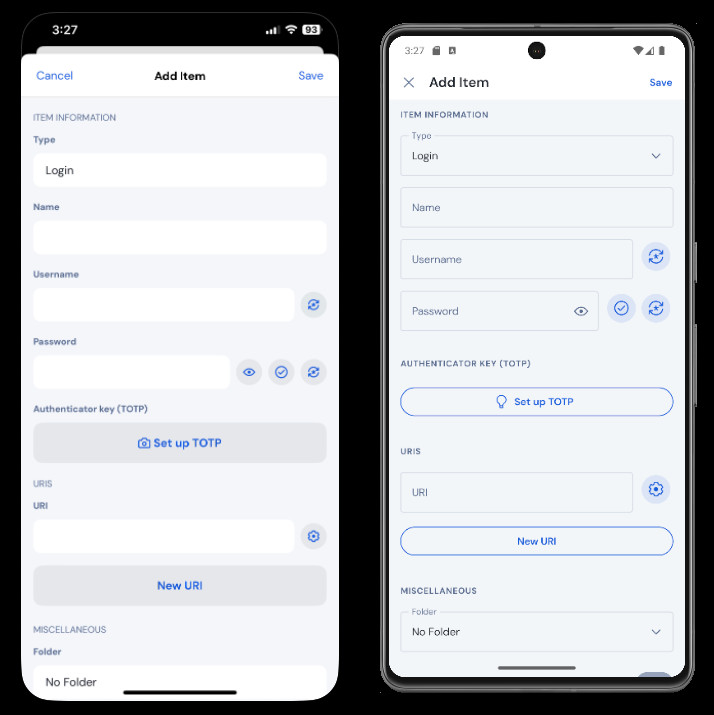
Store your code in a password manager like Bitwarden or 1Password. Alternatively, write it down and keep it in a locked drawer at home. Never label the note obviously; use a disguised name to maintain security.
Perform Weekly Maintenance Tests
Test your combination once a week if you use the lock daily. This habit ensures the mechanism remains functional and helps you catch issues early. Clean the keypad monthly with a damp cloth and use compressed air to remove debris from button bases.
When to Replace Your Push Button Lock
Some locks reach a point where repair is impossible or unsafe.
Recognize Signs of Critical Failure
Replace your unit if it no longer accepts the correct code despite troubleshooting. Cracked buttons, unresponsive mechanisms, or an inability to reset the combination are clear indicators. TSA locks that show signs of tampering must also be replaced immediately.
Select a Reliable Replacement Model
Choose a new lock with a resettable code and weather resistance for outdoor use. Look for reinforced shackles to prevent cutting. Trusted brands like Master Lock, ABUS, and SentrySafe offer durable options for various needs.
Frequently Asked Questions About Push Button Locks
How do I unlock a push button lock if I forgot the code?
Start by trying common factory defaults like 0-0-0-0 or 1-2-3-4. If those fail, check for a reset button on the back or side that allows code reprogramming. Mechanical troubleshooting with lubricant may also free stuck tumblers.
Can I reset my push button lock without the old code?
Most locks require the current code to reset. However, some models feature a reset pinhole accessible only when the shackle is open, or a back-panel access point inside a locker that allows resetting without the code.
Why will my push button lock not open with the correct code?
Dirt, dust, or moisture often clogs the internal mechanism, preventing buttons from registering. Misaligned tumblers from a drop or tension on the shackle can also cause this issue. Try cleaning and lubricating the buttons.
What is the default code for most push button locks?
The most common default codes are 0-0-0-0, 0-0-0, and 1-2-3-4. Specific brands like Samsonite and Master Lock often use these standard sequences until the user sets a custom combination.
Is it possible to pick a push button lock?
Traditional picking tools do not work on push button locks. However, low-security models can sometimes be bypassed using a plastic shim inserted between the shackle and the lock body to trigger the release mechanism.
Key Takeaways for Unlocking Your Push Button Lock
Successfully unlocking a push button lock relies on identifying your specific model and trying default codes before assuming mechanical failure. Most issues resolve through simple reset procedures, lubrication, or entering factory presets.
Always attempt non-destructive methods first to avoid damaging your property. If the lock remains unresponsive after cleaning and resetting, replacing the unit is the safest and most secure option.