You are staring at a locked door and wondering how to open a Yale lock without causing damage. Losing access to your home or office creates immediate stress, but panic often leads to poor decisions.
This guide details safe methods ranging from finding spare keys to professional locksmith services. You will learn legal techniques to regain entry while protecting your property from harm.
Always remember that you must only attempt to open locks you own or have explicit permission to access. Forcing entry into a property you do not own can result in serious legal consequences or permanent property damage.
Verify Key Availability Before Attempting Entry
Many people assume their key is lost when it is actually nearby. A thorough search often reveals the key was misplaced in a common area rather than truly lost.
Search Common Locations Systematically
Start by checking the places you usually store your keys.
* Look inside coat pockets and bags you used recently.
* Check key trays, drawers, or tables near the entrance.
* Ask family members or coworkers if they have seen your keys.
Test Similar Keys Carefully
Yale locks use standard keyways that sometimes accept similar keys.
* Try other house or office keys that share a similar groove pattern.
* Test older Yale keys you might have kept in a drawer.
* Visual cue: If the key inserts fully but will not turn, it is likely the wrong cut.
⚠️ Warning: Do not force a wrong key into the cylinder. This action can bend the key or damage the internal pins of the lock.
Utilize a Spare Yale Key for Quick Access

Using a spare key remains the fastest and safest method to open your Yale lock. Having a backup plan saves time and prevents the need for destructive entry methods.
Secure Storage Options for Spares
Keep your spare key in a location that is secure yet accessible.
* Give a copy to a trusted neighbor or family member.
* Install a wall-mounted lockbox like a Supra or Kidde model.
* Hide a key in a waterproof vault outside, but never under a doormat.
Implement a Clear Labeling System
Confusion over similar keys causes unnecessary delays during a lockout.
* Use color-coded tags to distinguish between different doors.
* Mark tags with the specific brand and location, such as “Yale Front Door.”
* Store a spare key at your workplace or in a secure car compartment.
Pro Tip: Take a photo of your key and email it to yourself. This helps identify the correct key if you have many similar ones.
Execute Lock Picking on Your Own Property

Lock picking allows you to open a Yale lock without a key if you own the lock. This skill requires patience and the right tools to manipulate the internal mechanism successfully.
Gather Required Picking Tools
You need specific tools designed for pin tumbler locks.
* Tension wrench: Applies necessary rotational pressure to the plug.
* Pick tool: A hook or diamond pick lifts the internal pins.
* Practice lock: Use a transparent Yale practice model to learn pin movement.
Follow Step-by-Step Picking Procedures
- Insert the tension wrench into the bottom of the keyway.
- Apply light clockwise pressure for most Yale door locks.
- Insert the pick and feel for each pin stack inside the cylinder.
- Lift each pin gently until you feel a slight click or rotation.
- Maintain steady tension until all pins set and the plug turns.
⚠️ Legal Note: Never attempt to pick a lock you do not own. This act is illegal and unethical in most jurisdictions.
Avoid Common Picking Errors
Beginners often fail due to simple mistakes in technique.
* Using excessive tension binds the pins and prevents them from setting.
* Rushing the process ignores the subtle feedback of the lock mechanism.
* Using improper tools like paperclips rarely works on modern Yale locks.
Expert Note: Practice on a disassembled Yale lock to visualize how the pins move and set within the cylinder.
Apply Bump Key Techniques for Pin Tumblers
A bump key can open a Yale pin tumbler lock with a sharp strike. This advanced method requires skill and carries a higher risk of damaging the lock mechanism.
Prepare Necessary Bumping Equipment
You need specialized tools to perform this technique effectively.
* Obtain a bump key cut specifically for Yale profiles like Y1 or Y10.
* Use a small hammer or mallet to strike the key.
* Have a light tension wrench ready to apply turning pressure.
Perform the Bumping Action
- Insert the bump key one notch short of full depth into the keyway.
- Apply slight turning pressure with the tension wrench.
- Strike the head of the key sharply with the hammer.
- The impact bumps pins upward, allowing the cylinder to turn momentarily.
⚠️ Risk Alert: Bumping can damage the lock cylinder or break the key. This method is not recommended for beginners or valuable locks.
Understand Legal Implications
Possession of bump keys is regulated in many areas.
* These keys are legal only for locks you own or manage.
* Carrying a bump key without proof of ownership may raise suspicion with law enforcement.
* Always verify local laws before purchasing or using bumping tools.
Contact a Licensed Locksmith for Assistance
When DIY methods fail, a professional locksmith offers the most reliable solution. They possess the training to open Yale locks quickly without causing damage to your door or frame.
Benefits of Professional Service
Hiring an expert ensures safety and preserves your lock integrity.
* Technicians open Yale locks in minutes using specialized tools.
* They can rekey or replace the lock immediately if necessary.
* Professionals provide documentation for insurance or rental agreements.
Select a Qualified Technician
Choose a locksmith with proper credentials and good reviews.
* Look for certification from organizations like ALOA or SCLA.
* Confirm they offer 24/7 emergency service for nighttime lockouts.
* Request transparent pricing upfront to avoid surprise fees.
Expect Standard Service Procedures
- The locksmith will verify your identity and proof of ownership.
- They assess the specific Yale model, such as Assure or YH40 series.
- Professional tools like pick guns or bypass tools open the lock.
- They may offer rekeying or smart lock upgrades on-site.
Pro Tip: Save a trusted locksmith’s number in your phone now. Waiting until you are locked out causes unnecessary stress.
Deploy Emergency Bypass Methods Carefully
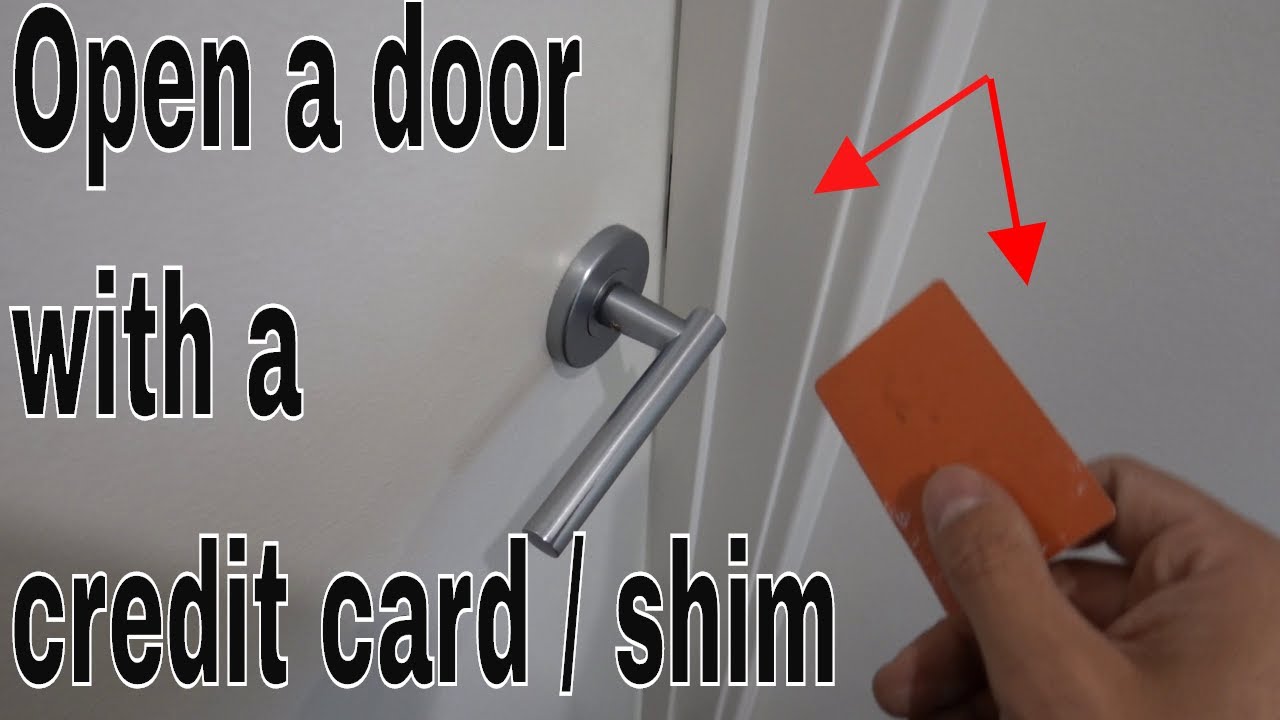
Use emergency bypass methods only when you are locked out and no other options exist. These techniques can open the door but may risk damage to the lock or door frame.
Release Latches with a Plastic Card
This method works only on Yale door locks with slanted latches and non-secured strike plates.
1. Insert a stiff plastic card like an old credit card between the door and frame.
2. Angle the card toward the latch and slide it down while pushing inward.
3. Jiggle the card and apply pressure until the latch retracts fully.
✅ Works on: Spring latches only.
❌ Fails on: Deadbolts or high-security Yale models with anti-shim features.
Cut Padlocks with Bolt Cutters
Use this destructive method only if the padlock is replaceable and you own it.
1. Position large bolt cutters over the shackle of the padlock.
2. Apply steady, strong pressure until the shackle snaps completely.
3. Replace the damaged lock with a new one immediately.
⚠️ Destructive Warning: This method destroys the lock permanently. Only use it if you own the lock and can replace it easily.
Prevent Future Yale Lockout Situations

Avoid the stress of being locked out by taking proactive steps today. Upgrading your hardware and organizing your keys prevents future access issues.
Upgrade to Smart Yale Locks
Yale offers smart locks that eliminate the need for physical keys entirely.
* Yale Assure Lock 2: Features keypad and app control options.
* Yale Conexis L1: Provides Bluetooth and PIN code access.
* Yale Access + Alarm: Integrates seamlessly with home security systems.
Maintain Your Lock Mechanism
Regular maintenance keeps your Yale lock functioning smoothly.
* Lubricate the keyway monthly with graphite powder, not WD-40.
* Clean your key regularly and inspect it for bends or wear.
* Test latch alignment to ensure the door closes smoothly every time.
Organize Your Key System
A simple organization system reduces confusion during urgent moments.
* Use color-coded key tags for immediate visual identification.
* Install a labeled key rack by your main entrance.
* Keep a digital photo of your key for easy reference if needed.
Frequently Asked Questions About Opening Yale Locks
Can I open a Yale lock with a paperclip?
While possible on very old or cheap locks, paperclips rarely work on modern Yale locks. They lack the strength and precision needed to manipulate internal pins effectively. Using proper tools is highly recommended to avoid damaging the lock cylinder.
Is it legal to carry a bump key?
Laws vary by location, but owning a bump key is generally legal if you own the locks. However, carrying one without proof of ownership can be considered possession of burglary tools. Always check your local regulations before purchasing or carrying these items.
What should I do if my Yale key breaks inside the lock?
Do not try to push the broken piece further in. Use needle-nose pliers to grab the exposed end and pull gently. If the piece is stuck deep inside, call a locksmith to extract it without damaging the cylinder.
How much does a locksmith charge to open a Yale lock?
Prices vary based on time of day and location, but standard daytime service usually ranges from $50 to $100. Emergency nighttime calls often cost more due to after-hours rates. Always ask for an estimate before authorizing work.
Will using a credit card damage my door lock?
Using a credit card on a spring latch usually causes no damage if done gently. However, forcing the card or using excessive pressure can bend the latch or scratch the door frame. This method does not work on deadbolts or security-enhanced locks.
Key Takeaways for Opening Your Yale Lock Safely
Knowing how to open a Yale lock safely gives you peace of mind during difficult lockout situations. Start with non-destructive methods like searching for keys, using spares, or calling a professional locksmith.
Avoid destructive techniques unless absolutely necessary and always ensure you have legal authority to open the lock. Consider upgrading to a smart lock system to eliminate key-related stress in the future.