Bike theft happens fast, and thousands of riders lose their bikes every year because they did not know how to lock a bike to a bike rack correctly. A weak lock or bad positioning gives thieves the opening they need to steal your ride in seconds, even in busy public areas.
You can stop this by using the right gear and following a proven locking sequence that secures every part of your bicycle. This guide teaches you exactly how to lock a bike to a bike rack using professional techniques to keep your bike safe from theft.
Select High-Security U-Locks and Cables
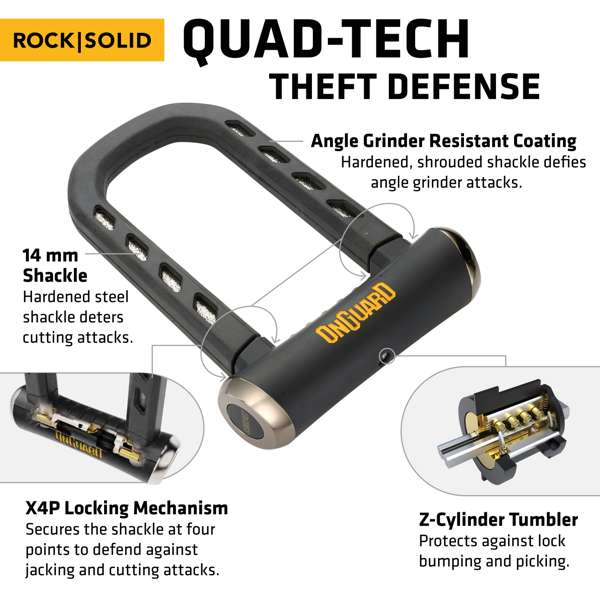
Choosing the correct locking hardware is the first step in preventing theft. Not all locks provide equal protection against determined criminals with tools.
Why U-Locks Offer Superior Protection
A U-lock serves as the gold standard for bicycle security due to its hardened steel construction. These locks resist cutting and prying far better than flexible cable options alone. You should look for models featuring a shackle thickness of at least 13mm for maximum strength. Top brands often include anti-pick and anti-drill mechanisms to further deter attacks. Always position the keyhole facing downward when locked to keep water and debris out of the mechanism.
Add Secondary Cable or Chain Locks
A single U-lock cannot secure every removable part of your bicycle simultaneously. You need a secondary lock like a braided steel cable or heavy chain to protect wheels and seats. Thread this secondary lock through your front wheel, frame, and the rack before securing it. This strategy prevents thieves from simply removing a wheel and riding away with the rest of your bike. Choose a cable with at least 10mm thickness or a chain with hardened links for best results.
Position Your Bike for Maximum Security

Proper placement of your bicycle on the rack is just as critical as the lock quality itself. Poor positioning creates vulnerabilities that thieves exploit quickly.
Secure the Frame and Rear Wheel Together
You must always lock the bicycle frame and rear wheel to the rack using your primary U-lock. The frame represents the most valuable and difficult component to replace. Securing the rear wheel adds a vital layer of defense since it is often more expensive than the front wheel. Slide your U-lock through the rear triangle of the frame and around a solid section of the rack. Ensure the lock does not press against the tire to avoid damage over time.
Avoid Unstable or Isolated Rack Locations
Select a rack that is firmly bolted to the ground in a well-lit area with high foot traffic. Avoid placing your bike under trees, near dumpsters, or in dark corners where thieves can work without witness. If a rack feels loose or wobbly, a thief might lift your entire bike over the top. Never hang your bike by the wheel on an overhead rack unless it allows you to secure the frame directly.
Execute the Correct Locking Sequence
Following a specific order when locking your bike ensures speed and eliminates missed security steps.
Anchor the Frame and Rear Wheel First
Start by threading your U-lock through the rear triangle of your bike frame and a stable part of the rack. Close and lock it tightly to anchor the most critical components immediately. If the rack has a horizontal bar, position your bike so the lock sits low and snug against the ground. For vertical posts, wrap the lock around the post and frame as close to the base as possible.
Fasten the Front Wheel and Handlebars
Use your secondary cable or chain lock to secure the front wheel and handlebars to the same rack section. Run the cable through the front wheel spokes, fork, and handlebar before looping it around the rack. If your front wheel uses a quick-release mechanism, consider removing it and storing it in your bag for extra safety. Alternatively, replace standard skewers with keyed versions to deter quick removal.
Protect the Seat from Theft
Saddle theft is common on high-end bicycles with quick-release seat posts. Use a small cable to loop through the seat rails and around the seat stays or rack. You can also invest in a dedicated locking seat clamp for added peace of mind. This small step prevents criminals from stealing your seat while you are inside a store.
Prevent Common Locking Errors
Many cyclists make simple mistakes that compromise their bike security despite having good equipment.
Eliminate Extra Space Inside the Lock
A U-lock with too much empty space allows thieves to insert tools like car jacks or pry bars. Always choose a lock size that fits snugly around your frame and the rack. A smaller, tighter lock is significantly more secure than a large one with room to maneuver tools inside.
Never Lock Only a Single Wheel
Locking just the front or rear wheel leaves the main frame completely unsecured. A thief can easily remove the locked wheel and walk away with the rest of the bicycle. Always ensure the frame is anchored to the rack as your primary priority.
Avoid Relying on Weak Materials Alone
Do not use rope, zip ties, or thin cable-only setups as your primary security method. These materials offer almost no resistance and can be cut in seconds with basic tools. While a cable lock is better than nothing, never rely on it alone in areas with high theft risk.
Upgrade with Anti-Theft Accessories

Simple additions to your setup can significantly boost your overall bike security posture.
Install Frame-Mounted Lock Holders
Some bicycles come with built-in mounts for U-locks to keep them secure while riding. If your bike lacks this feature, consider adding a seat-post lock mount. Carrying your lock properly ensures you always have it available when you need to park.
Utilize GPS Trackers for Recovery
While locks prevent theft, GPS trackers help recover your bike if it gets stolen anyway. Devices like Tile or Apple AirTag can be hidden inside the seat post or handlebars. Pair these with a smartphone app to track your bike location in real time if it goes missing.
Choose Safe Public Parking Locations
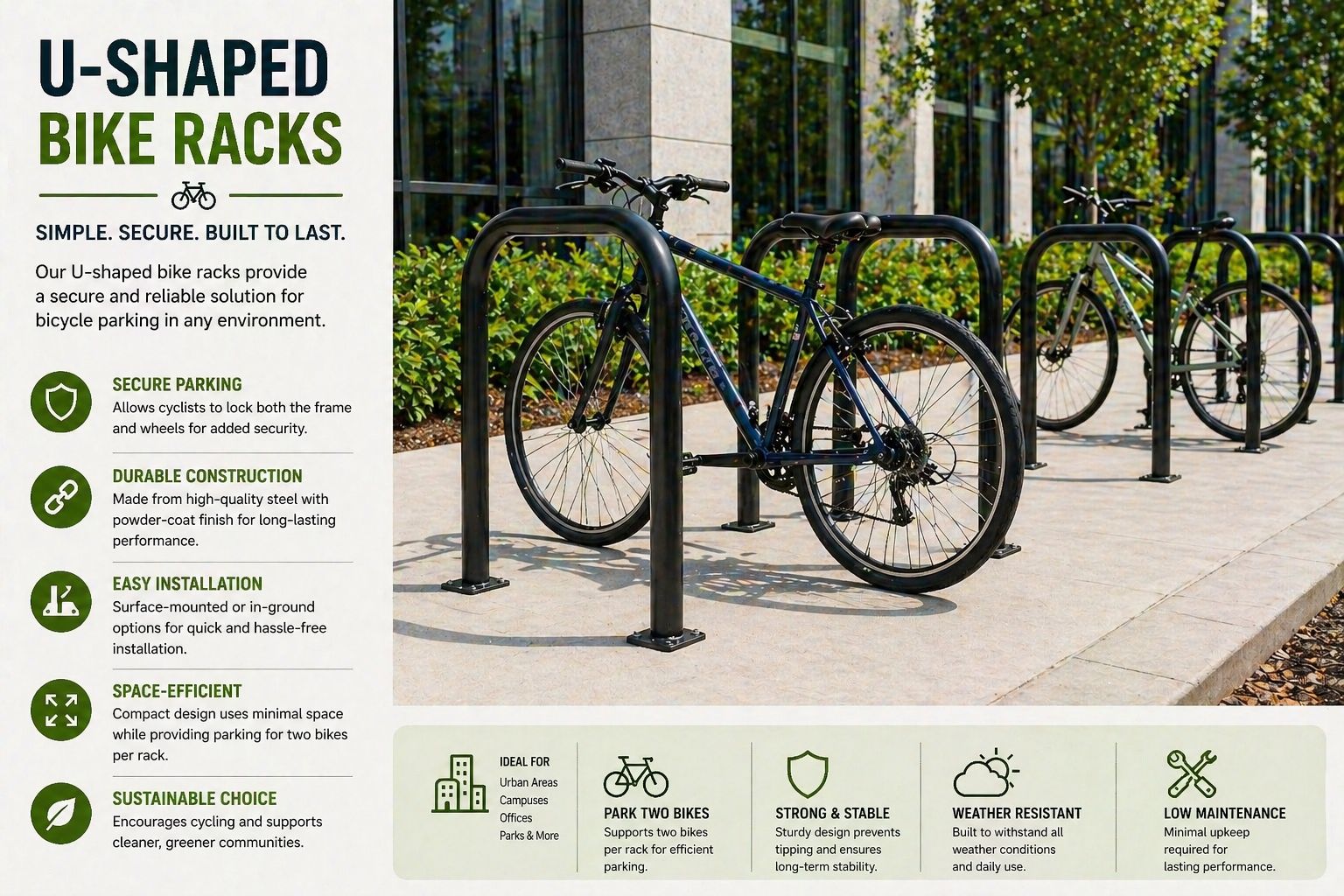
Knowing where to park is just as important as knowing how to lock a bike to a bike rack.
Pick High-Visibility Areas
Lock your bike in spots with constant foot and vehicle traffic to discourage thieves. Natural surveillance from nearby businesses and security cameras acts as a strong deterrent. Avoid isolated garages, alleyways, or construction zones where no one can see your bike.
Use Designated Bike Parking Infrastructure
Look for city-approved bike racks shaped like a “U” or “H” that allow full frame and wheel security. Avoid locking to signposts, fences, or trees which may be illegal or easy to cut down. Designated racks are designed specifically to work with standard bike locks.
Frequently Asked Questions About Bike Rack Security
What is the best way to lock a bike to a bike rack?
The best method involves using a U-lock to secure the frame and rear wheel to the rack. Then use a secondary cable to lock the front wheel and seat. This ensures all valuable parts are anchored.
Is it safe to lock a bike by the wheel only?
No, locking only the wheel is unsafe because thieves can remove the wheel and steal the rest of the bike. Always include the frame in your lock configuration.
Where should I park my bike to avoid theft?
Park in high-traffic, well-lit areas with visible security cameras. Use designated bike racks that are firmly bolted to the ground rather than temporary structures.
Can a U-lock be cut easily by thieves?
High-quality U-locks with thick hardened steel shackles are very difficult to cut. Cheap locks with thin metal can be cut quickly with bolt cutters.
Should I use a cable lock or U-lock?
You should use a U-lock as your primary defense and a cable lock as a secondary measure. Cable locks alone are too weak to stop determined thieves.
Key Takeaways for Locking Your Bike to a Rack
Securing your bicycle requires more than just any lock; it demands the right technique and equipment combination. Always prioritize anchoring the frame and rear wheel with a high-quality U-lock before adding secondary protection for other components.
Avoid common errors like leaving extra space in your lock or parking in isolated areas. By following these steps on how to lock a bike to a bike rack, you significantly reduce the risk of theft and ride with greater confidence.