You are not alone if you cannot open your mouth fully after a dental visit or injury. This condition is called trismus and often feels like a locked jaw that refuses to budge.
Most cases improve within two weeks using simple home techniques. You will learn specific heat therapies, massage methods, and exercises to unlock your jaw safely.
Apply Heat and Ice Immediately to Reduce Inflammation

The first 24 hours are critical for reducing swelling in your jaw muscles. Starting the right thermal therapy early can significantly shorten your recovery time.
Use Alternating Ice and Heat Cycles
Begin with a contrast therapy protocol to manage inflammation and relax muscles simultaneously.
* Apply an ice pack for 1 minute to reduce swelling.
* Switch to a warm compress for 2 minutes to boost blood flow.
* Repeat this cycle for 10 to 15 minutes, 3 to 5 times daily.
After the first day, switch to warm compresses only. Apply these from ear to ear across your jawline for maximum benefit.
Choose Wet Heat Over Dry Heat
Wet heat penetrates deeper into muscle tissue than dry heat sources. Use a damp washcloth heated in warm water or microwave a moist towel for 30 seconds.
Apply this heat for 10 to 15 minutes before any massage or stretching. This preparation maximizes the effectiveness of your manual therapy sessions.
Pro Tip: Perform your heat therapy while in the shower. The steam helps loosen fascia and enhances overall muscle relaxation.
Massage the Jaw Muscles Daily to Release Spasms

Manual therapy targets the root cause of your lock jaw, which is often spasmed or inflamed muscles. Focus your efforts on two key areas known as the masseter and pterygoid muscles.
Release the Masseter Externally
The masseter is the large muscle running from your cheekbone down to your jaw angle. It acts like a vice when tight and severely limits opening.
- Wash your hands and wear sterile gloves if touching inside the mouth.
- Place fingers on the bulge of the masseter near your cheekbone.
- Apply firm, circular pressure moving down to your jawline.
- Massage for 2 to 5 minutes per side, 3 to 5 times daily.
Try pressing your palms firmly against both cheeks for an advanced method. Let your head’s full weight rest on your hands to encourage passive release.
Unlock the Pterygoid Internally
The medial pterygoid sits behind your lower molars and is a common culprit in post-procedure trismus. This area is often injured during dental injections.
Combined Internal-External Massage Steps:
1. Insert a gloved thumb inside your mouth just behind the last molar.
2. Place your other hand’s fingers on the outside of the jaw at the same spot.
3. Gently press inward from both sides to “sandwich” the muscle.
4. Move the tissue in small circles for 1 to 2 minutes per side.
Warning: Never skip gloves. The mouth contains bacteria, and breaking skin integrity risks serious infection.
Perform Jaw Mobility Exercises to Restore Range
Consistent movement prevents stiffness and retrains your neuromuscular system. Do these daily in front of a mirror to ensure only your jaw moves.
Maximize Mouth Opening Vertically
This foundational exercise restores vertical range of motion and is essential to fix lock jaw.
- Place your tongue on the roof of your mouth to ensure correct joint alignment.
- Open your mouth as wide as possible without sharp pain.
- Hold the stretch for 5 to 10 seconds.
- Close slowly and repeat 10 to 15 times per session.
Use clean fingers to apply gentle downward pressure on your front teeth once comfortable. This progression helps deepen the stretch safely.
Move Jaw Side to Side Laterally
Improving lateral mobility helps loosen tight pterygoid muscles effectively.
- Keep your teeth apart and lips relaxed.
- Slide your lower jaw to the right and hold for 2 to 3 seconds.
- Return to center and repeat to the left.
- Complete 5 reps per side.
Gently push your chin from the outside to deepen the stretch if needed. Never force the movement beyond your comfort zone.
Use Tongue Depressors for Stretching
This low-cost method provides sustained stretching for stubborn cases.
- Stack 2 to 3 clean tongue depressors between your front teeth.
- Gently bite down to hold them in place.
- Let them sit for 15 to 30 seconds.
- Remove and repeat 5 to 10 times.
Add one stick at a time as your opening improves. Your goal is to reach 35 to 40mm, which is about the width of three fingers.
Track Progress: Measure your maximum opening daily with a ruler or finger widths to monitor improvement.
Use Therapeutic Devices if Stuck

Self-directed exercises work for many, but mechanical aids provide consistent stretching if you are stuck.
Try TheraBite or DynaSplint Devices
These FDA-cleared devices offer guided, incremental jaw opening under professional supervision. They are especially helpful for:
* Post-surgical trismus
* Radiation-induced stiffness
* Chronic or long-standing cases
They work by holding the jaw open at increasing angles over time. This process retrains muscle memory effectively.
Build a DIY Stack at Home
You can use sterilized popsicle sticks or tongue depressors as a budget-friendly alternative. Start with two sticks and increase by one weekly as tolerated.
Always use low force with long holds of 15 to 30 seconds. The key principle is low load and long duration rather than aggressive forcing.
See a Specialist If No Improvement Occurs
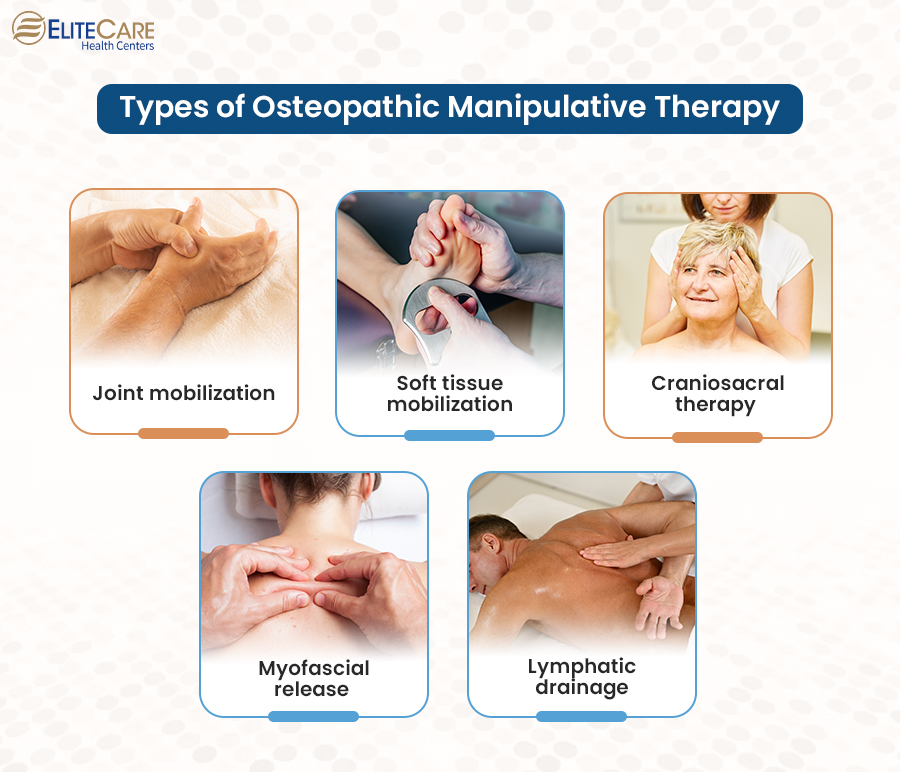
Most cases improve within 7 to 14 days. If you see no progress or cannot eat, you must see a healthcare provider immediately.
Get Prescribed Muscle Relaxants
Doctors may prescribe medications for severe spasms that home remedies cannot fix. Common options include:
* Cyclobenzaprine (Flexeril)
* Methocarbamol (Robaxin)
* Diazepam (Valium)
These reduce involuntary muscle contractions and enhance the effectiveness of physical therapy.
Seek These Experts for Muscular Dysfunction
Do not waste time with general practitioners if joint damage is not suspected. Focus on specialists who treat muscular dysfunction specifically.
Osteopathic Doctor (DO)
DOs are trained in osteopathic manipulative treatment and excel at releasing jaw restrictions. They often resolve cases other providers cannot.
Myofascial Release Therapist
Look for a certified MFR therapist who targets the connective tissue. This tissue can glue muscles in spasm and prevent opening.
Physical Therapist (Head and Neck Specialist)
A PT can assess posture and spine alignment. Hidden contributors like thoracic outlet syndrome often cause jaw tension.
Acupuncturist
Fine needles inserted into trigger points can disrupt muscle spasms. Many patients report immediate relief after sessions.
Avoid Common Mistakes During Recovery
Even with the right plan, progress can fail due to preventable errors during your healing process.
Do Not Skip Sterile Technique
Inserting unwashed fingers into the mouth risks cellulitis or abscess formation. This is especially dangerous if micro-tears exist from dental work.
Always use nitrile or latex gloves, even for quick internal checks. Hygiene is paramount to prevent secondary infections.
Do Not Stretch Through Sharp Pain
Discomfort is normal during stretching, but sharp or radiating pain means you are overdoing it. Stop and reassess immediately if this happens.
Pain can indicate nerve irritation or joint strain rather than simple muscle tightness. Listen to your body signals carefully.
Do Not Confuse Trismus With TMJ Disorder
Many patients seek TMJ dentists only to be told their joint is fine. Trismus is muscular, not structural, so scans often show normal joints.
The problem lies in the muscles around the joint, not the joint itself. Understanding this distinction saves time and money.
Do Not Wait Too Long to Act
Delaying treatment beyond two weeks can lead to chronic shortening of muscles and fascia. This makes recovery much longer and harder.
Rule of Thumb: If you see no improvement in 7 days, escalate to professional care immediately.
Prevent Recurrence Long Term
Once your jaw unlocks, you must prevent future episodes with consistent habits and care.
Warm Up Before Dental Visits
Ask your dentist to limit procedure length if you have a history of trismus. Use bite blocks to reduce muscle strain during long appointments.
Apply warm compresses beforehand to pre-relax your muscles. Allow breaks every 20 to 30 minutes during lengthy procedures.
Maintain Jaw Mobility Regularly
Even after recovery, do 3 to 5 reps of opening and lateral exercises 2 to 3 times weekly. This keeps your muscles supple and ready.
Address Posture and Neck Health
Poor posture strains neck muscles connected to the jaw. Stretch your chest and neck daily to reduce tension.
Strengthen your upper back and use ergonomic workstations. Many chronic jaw issues stem from spinal misalignment.
Final Thoughts on How to Fix Lock Jaw Effectively
Recovering from trismus requires patience and consistent application of heat, massage, and stretching techniques. Most people regain full function within two weeks by following this structured approach.
Remember to prioritize hygiene during internal massage and avoid forcing your jaw through sharp pain. If home methods do not yield results in a week, seek an osteopathic doctor or myofascial specialist.
Frequently Asked Questions About Fixing Lock Jaw
How long does it take to fix lock jaw?
Most cases of muscular trismus resolve within 7 to 14 days with consistent home treatment. Severe cases or those caused by radiation may take longer and require professional intervention.
Can I fix lock jaw without seeing a doctor?
Yes, many mild cases resolve with alternating heat, massage, and stretching exercises. However, you should see a doctor if you cannot eat or if symptoms persist beyond two weeks.
Is lock jaw the same as tetanus?
No, the term “lock jaw” often refers to trismus, a muscular condition. Tetanus is a life-threatening bacterial infection causing whole-body rigidity and requires emergency care.
What is the best exercise for a locked jaw?
The maximal mouth opening exercise combined with tongue depressor stacking is highly effective. Perform these daily to gradually increase your range of motion safely.
Should I use ice or heat for a locked jaw?
Use alternating ice and heat for the first 24 hours to manage inflammation. After that, switch to warm compresses only to relax the tight muscles.
Why did my jaw lock after the dentist?
Dental procedures can over-stretch jaw muscles or cause minor trauma from injections. This leads to inflammation and spasms in the masseter or pterygoid muscles.