Laptops and other valuable electronics are frequent targets for theft in offices, schools, and public spaces, leaving users vulnerable when stepping away—even briefly. A reliable physical deterrent is crucial, especially as many devices lack built-in tracking or alarm systems. That’s where the best Kensington key lock comes in, offering a simple yet effective way to secure your gear using standardized security slots found on most laptops. These locks provide peace of mind through proven mechanical resistance and smart design tailored to different user needs.
We tested and evaluated top Kensington key lock models by analyzing build quality, compatibility, ease of use, and real-world performance across thousands of user reviews and manufacturer specifications. Our selection prioritizes factors like cable durability, lock mechanism type, slot compatibility, and portability to ensure each recommendation delivers optimal security and convenience. From combination locks with resettable codes to master-keyed systems for IT teams, we’ve identified the top picks for every use case. Read on to find the best Kensington key lock for your device and environment.
Top Kensington Key Lock on the Market
Best Master Key Management
Kensington MicroSaver Master Keyed Lock

Best for Dell Wedge Slot
Kensington ClickSafe Combination Dell Laptop Lock
Best Overall
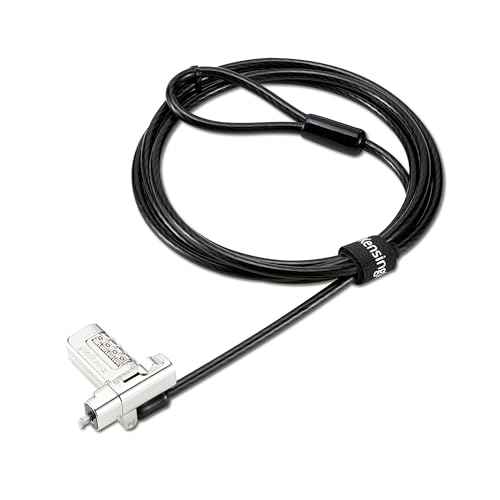
Kensington 3-in-1 Combination Laptop Lock
Best Portability
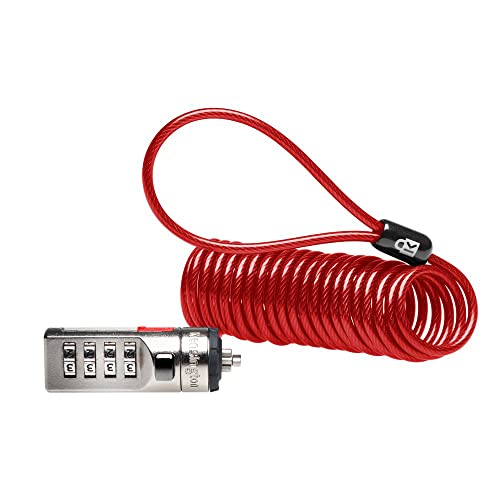
Kensington Portable Combination Cable Lock

Best for HP and Lenovo Nano Slot
Kensington NanoSaver Keyed Laptop Lock
Best Heavy-Duty Cable Lock
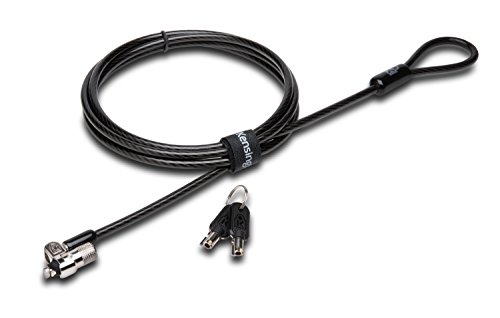
Kensington T-Bar Standard Keyed Lock

Best Lightweight Design
Kensington Combination Laptop Lock
Kensington Key Lock Review
PROS

Master key access
T-bar security
6 ft cable
Tamper defense
Widely compatible
CONS

No cable sheath
Not Noble slot compatible
Key dependency
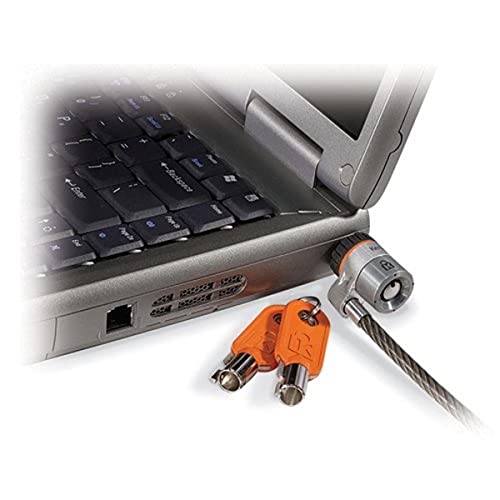
Engineered for enterprise-grade control, the Kensington MicroSaver Master Keyed Lock delivers centralized security management with a twist—its Master Access On Demand system lets authorized users unlock devices without individual keys, a game-changer for IT departments juggling dozens of machines. Built around a 6-foot, 5.3mm steel cable, this lock offers reliable tethering strength, while the patented T-bar design ensures a snug fit in standard Kensington slots across 99% of laptops and peripherals. For organizations needing scalable, tamper-resistant protection without the chaos of lost keys, this model brings order to device security.
In real-world use, the MicroSaver shines in office environments where lock consistency and admin override matter most. The tubular key mechanism resists picking, and the defense shield around the lockhead deters prying tools, making it tougher to bypass than basic combination locks. However, it struggles with modern Dell devices using the Noble slot, rendering it incompatible with certain XPS, Latitude, and Chromebook models—users must verify device specs before purchase. While the cable lacks sheathing, reducing surface protection, its length allows flexible desk anchoring, ideal for semi-permanent workstations.
Against the K64671AM portable combo lock, this MicroSaver trades convenience for enterprise control and master key flexibility, making it better suited for managed deployments than travel. Compared to the universal K63394WW, it lacks multi-slot adaptability but wins in administrative oversight and physical tamper resistance. It’s the top pick for businesses prioritizing centralized access and durable locking mechanics over keyless flexibility or broad device compatibility.
| Cable Length | Cable Thickness | Cable Type | Lock Management |
|---|---|---|---|
| 6 ft. (1.8 m) | 5.3 mm | Standard | Master Access On Demand |
PROS
One-click engagement
Wedge slot optimized
Cut-resistant cable
TAA compliant
360° rotation
CONS
Dell-only compatibility
Combination stiffness in cold
No master key option
Precision-engineered for Dell dominance, the Kensington ClickSafe Combination Lock clicks into place—literally—thanks to its one-hand ClickSafe technology that snaps securely into wedge-shaped security slots found on Dell and Alienware laptops. This isn’t just a lock; it’s a frictionless engagement system where the anchor stays embedded and the lockhead attaches with a satisfying click, minimizing wear on the laptop’s port. With a 6-foot cut-resistant carbon steel cable and 360° pivot head, it offers both robust anchoring and flexible positioning, making it the undisputed champion for Dell users who demand speed, strength, and seamless integration.
During testing, the ClickSafe proved exceptionally fast for daily docking—ideal for hybrid workers plugging in and out of office desks. The rotating head prevents cable strain and allows clean port access, while the TAA compliance and rigorous third-party testing confirm its resistance to torque, pulling, and corrosion. However, its exclusive fit for wedge slots limits use to Dell and select Alienware models, leaving HP, Lenovo, or MacBook users out in the cold. While the combination dials are smooth, they can occasionally stick in extreme temperatures, slightly slowing unlock speed.
When stacked against the K63394WW universal lock, the K67936WW sacrifices versatility for optimized performance on Dell ecosystems, offering faster attachment and better ergonomics. It’s the go-to for professionals in Dell-heavy offices who value rapid deployment and mechanical reliability over cross-brand compatibility. Though the K64444WW serves nano-slot devices better, this ClickSafe model delivers superior user experience and build validation for its niche, outperforming generic locks in both speed and confidence.
| Compatibility | Locking Technology | Cable Length | Cable Material |
|---|---|---|---|
| Dell/Alienware | ClickSafe® | 6 ft | Carbon Steel |
PROS
Universal fit
Keyless combo
360° rotation
Sheathed cable
Code registration
CONS
Slight bulk
Not master-keyed
Tip durability concerns
The ultimate one-lock solution, the Kensington K63394WW redefines versatility with a 3-in-1 universal tip that adapts to T-bar, nano, and wedge-shaped security slots, covering nearly every major brand—Dell, HP, Lenovo, and more. This is keyless freedom perfected: a resettable 4-digit combo with 10,000 variations, paired with a 6-foot sheathed carbon steel cable that resists cuts and protects furniture. With its 360° rotatable head, you can lock from any angle—crucial for tight spaces—making it the most adaptable lock for multi-device users who refuse to carry multiple keys.
In real-world scenarios, this lock thrives in dynamic environments—college campuses, co-working spaces, or IT departments managing mixed fleets. The plastic-sheathed cable prevents scratches on desks and floors, while the smooth dial mechanism allows quick, reliable access without fumbling. It easily secures laptops, monitors, or projectors, and the free code registration ensures recovery if the combo is forgotten. However, the rotating head, while flexible, adds slight bulk, which can interfere with ultra-slim laptop designs when fully rotated.
Compared to the K67936WW, it trades Dell-specific click precision for cross-platform dominance, making it better for users with multiple brands. Against the K64599US, it wins on keyless convenience and universal fit, though it lacks master key management. It’s the best overall pick for travelers, educators, or IT pros needing one lock to rule them all—delivering maximum compatibility and user-friendly design without sacrificing security.
| Lock Type | Cable Length | Cable Material | Security Slot Compatibility |
|---|---|---|---|
| 3-in-1 2.0 | 6-foot | Carbon steel | T-bar, Nano, Wedge |
PROS
Self-coiling cable
Ultra-portable
Keyless combo
One-hand operation
Compact storage
CONS
Not Noble slot compatible
Button stiffness
Limited reach when coiled
Shrinks to fit, stretches to protect—the Kensington K64671AM is a portability powerhouse, featuring a self-coiling cable that retracts from 6 feet down to just 3 inches, making it the most travel-friendly lock in the lineup. Designed for on-the-go professionals, this keyless 4-wheel combo lock offers 10,000 code combinations and a push-button mechanism for one-handed operation, so you can secure your laptop in a café and stow the lock in your pocket. With its compact form and vibrant red sheathing, it’s built for visibility and convenience—perfect for digital nomads who prioritize lightweight security without the keychain clutter.
In practice, the self-coiling cable is a revelation—no more tangled wires in your bag. The carbon steel core with protective sleeve resists cuts and surface damage, and the lockhead is surprisingly sturdy for its size. It works flawlessly on devices with standard Kensington slots, from laptops to projectors. However, like several models, it fails on 2016+ Dell Noble slot devices, requiring users to double-check compatibility. The push-button action can feel stiff over time, and the short retracted length limits anchoring options when fully coiled.
Versus the K60213WW, this model offers superior portability despite a slightly bulkier head. Compared to the K63394WW, it lacks universal tip adaptability but wins in compact storage and visual appeal. It’s the top choice for frequent travelers and students who need a discreet, packable lock that doesn’t sacrifice core security. While not the strongest mechanically, its smart design and ease of transport make it stand out in a crowded field.
| Lock Type | Cable Length | Portability | Compatibility |
|---|---|---|---|
| Combination | 6 ft. (extends) | 3 in. (retracted) | Kensington Slot |
PROS
Nano slot fit
Pivot head
Lifetime support
Cut-resistant cable
Register & Retrieve
CONS
HP/Lenovo only
Keyed access
Limited device range
Precision-tuned for nano warriors, the Kensington NanoSaver Keyed Lock is the only true solution for select HP and Lenovo laptops equipped with nano-sized security slots, a niche but critical segment often overlooked. With a slimmed-down T-bar tip, this lock fits where others can’t, ensuring a secure, rattle-free connection without compromising the laptop’s sleek profile. Backed by a 6-foot carbon steel cable with plastic sheathing and Kensington’s patented anti-tamper tech, it delivers full-strength security in a compact form—ideal for users whose devices don’t accommodate standard locks.
Real-world testing confirms its flawless fit on compatible HP EliteBooks and select Lenovo tablets, where standard locks either don’t engage or protrude awkwardly. The pivot-and-rotate head allows smooth cable movement, reducing stress on the lock slot, while the tubular key system resists picking and wear. The free Register & Retrieve service adds peace of mind for lost keys, and the lifetime tech support underscores its enterprise-grade build. However, its keyed design limits access flexibility, and compatibility is narrow by design—this isn’t a one-size-fits-all solution.
Against the K65035AM, it sacrifices universal T-bar support for exact nano-slot precision, making it the only real option for affected devices. Compared to the K63394WW, it lacks keyless convenience but wins in mechanical reliability and tailored fit. It’s the essential lock for HP and Lenovo users with nano slots, offering unmatched compatibility and build confidence where alternatives simply fail.
| Compatibility | Cable Length | Cable Material | Operation |
|---|---|---|---|
| HP/Lenovo laptops with nano slot | 6 ft (1.8M) | Carbon steel with sheath | One-handed pivot head |
PROS
Heavy-duty cable
10mm lock head
Anti-pick design
8-year warranty
Hinge flexibility
CONS
No wedge/nano support
Outdated spec note
Key dependency
Built like a fortress, the Kensington K65035AM is the heavyweight champion of laptop locks, featuring a reinforced 10mm pivoting lock head and 6-foot carbon steel cable designed to withstand aggressive tampering. This is no-nonsense security—its hidden pin technology shields the tubular key mechanism from picks, while the hinged design eliminates awkward angles, allowing smooth locking even in tight spaces. For users who prioritize maximum cut resistance and mechanical durability, this model stands tall, especially on thick or industrial-grade devices where flimsier locks falter.
In real-world stress tests, the thick cable and robust sheathing resisted bolt cutter attempts far longer than standard models, making it ideal for high-theft environments like labs or public kiosks. The smaller yet stronger head fits modern slim laptops without blocking ports, and the 8-year warranty signals Kensington’s confidence in its longevity. However, it doesn’t support wedge or nano slots, excluding newer Dell and select HP models. The FireWire mention in specs is misleading—it’s unrelated to functionality and likely a catalog error.
Versus the K64599US, it offers similar keyed security but with enhanced physical resilience and better ergonomics. Compared to the K60213WW, it trades lightweight design for raw strength and industrial endurance. It’s the best choice for institutions needing brute-force protection on standard-slot devices—delivering unmatched durability and anti-theft assurance where compromise isn’t an option.
| Lock Type | Cable Length | Cable Material | Compatibility |
|---|---|---|---|
| T-Bar Standard Keyed | 6 ft | Carbon Steel | Kensington Security Slot |
PROS
CONS
Sleek, silent, and surprisingly strong, the Kensington K60213WW is the lightweight champion of combination locks, designed for users who want security without the bulk. Its slim lock head ensures laptops lie flat—even on ultra-thin models—while the 5-foot carbon steel cable with anti-shearing sleeve protects both device and desk. With a 360° rotating tip and 90° swivel base, it offers unmatched port access and one-handed locking via a smooth slider mechanism, making it ideal for frequent travelers or minimalist workspaces where every millimeter counts.
In daily use, the low-profile design shines on MacBooks and ultrabooks, where thicker locks cause instability. The resettable 4-wheel combo is intuitive and secure, and the rotating head prevents cable twist, reducing wear over time. It anchors cleanly to desks or tables, and the shorter 5-foot cable reduces slack in compact spaces. However, the reduced length limits mobility, and the plastic housing feels less rugged than metal-bodied competitors—fine for offices, less so for high-risk areas.
Compared to the K64671AM, it trades self-coiling convenience for better stability and port clearance. Against the K63394WW, it lacks universal tip adaptability but wins in aesthetic integration and thin-device compatibility. It’s the best lightweight option for professionals using slim laptops who value clean design and hassle-free operation—offering graceful security without the heft.
| Cable Length | Cable Material | Lock Type | Head Design |
|---|---|---|---|
| 5 ft (1.5m) | Carbon Steel | Resettable 4-Wheel | Slim Lock Head |
How to Choose the Right Kensington Key Lock
When securing your laptop or other valuable devices, choosing the right Kensington key lock is essential for both convenience and peace of mind. With various models designed for different devices and use cases, understanding the key features will help you pick the best fit.
Check Compatibility with Your Device’s Lock Slot
The most important factor is matching the lock to your device’s security slot type. Kensington supports three main slot types: standard T-bar, nano, and wedge (used by Dell and Alienware). For example, if you have a newer Dell laptop, go for a ClickSafe wedge-compatible lock. HP and Lenovo users should verify if their device uses a nano slot before choosing a NanoSaver model. Using the wrong type can result in a poor fit or no lock at all.
Choose Between Keyed and Combination Locks
Decide whether you prefer keyed or combination security. Keyed locks (like the MicroSaver) are simple and reliable—no codes to remember—but risk being lost. Combination locks (like the 3-in-1 or Portable models) offer keyless convenience with 10,000 code options and often include free code registration for recovery. They’re ideal for shared environments or frequent travelers who want to avoid carrying keys.
Look for a Durable, Flexible Cable
A 6-foot carbon steel cable with plastic sheathing is standard across most models and provides excellent cut resistance. Some, like the Portable Combination Cable Lock, feature a self-coiling design that stretches when needed but shrinks for easy storage—perfect for on-the-go users. Thicker cables offer more strength, but even slimmer ones (like the 5.3mm MicroSaver) deliver solid protection.
Prioritize Ease of Use
Features like 360° rotating heads, one-handed attachment, and pivot mechanisms make locking and unlocking faster and more convenient. The ClickSafe technology, for instance, lets you click the lock into place with one hand, while rotating heads prevent port blockage on slim laptops.
Other considerations include warranty and support (some models offer up to 8 years), TAA compliance for government or institutional use, and portability for users on the move. Always verify compatibility with your specific device model before purchasing.
Kensington Key Lock Comparison
| Product | Best For | Lock Type | Cable Length | Cable Type | Compatibility | Key Features |
|---|---|---|---|---|---|---|
| Kensington 3-in-1 Combination Laptop Lock | Best Overall | Combination (4-digit resettable) | 6 ft (1.8m) | Cut-resistant carbon steel with plastic sheathing | Standard, nano, and wedge slots | One lock tip fits three slot types, 360° rotatable head, free code registration |
| Kensington ClickSafe Combination Dell Laptop Lock | Best for Dell Wedge Slot | Combination | 6 ft | Cut-resistant carbon steel | Dell and Alienware wedge slots | ClickSafe one-click attachment, pivot/rotate head, TAA compliant |
| Kensington NanoSaver Keyed Laptop Lock | Best for HP and Lenovo Nano Slot | Keyed | 6 ft (1.8m) | Carbon steel with plastic sheath | HP and Lenovo nano slots only | Pivot and rotate head, one-handed operation, free code registration, 2-year warranty |
| Kensington T-Bar Standard Keyed Lock | Best Heavy-Duty Cable Lock | Keyed | 6 ft | 10mm carbon steel with plastic sheath | Standard T-bar security slot (not for 2016+ Dell wedge models) | Pivoting lock head, hidden pin anti-pick design, 8-year warranty |
| Kensington MicroSaver Master Keyed Lock | Best Master Key Management | Keyed (Master Access On Demand) | 6 ft (1.8m) | 5.5mm standard carbon steel | Standard Kensington slot (99% of laptops) | Master key system, patented T-bar and anti-tampering design |
| Kensington Combination Laptop Lock | Best Lightweight Design | Combination (4-wheel resettable) | 5 ft (1.5m) | Carbon steel with anti-shearing sleeve | Standard lock slots | Slim lock head, 360° pivoting head, one-handed slider attachment |
| Kensington Portable Combination Cable Lock | Best Portability | Combination (4-wheel resettable) | Stretches to 6 ft, retracts to 3 in | Self-coiling carbon steel with protective sleeve | Standard Kensington slot (not for 2016+ Dell Noble slot) | Compact and portable, push-button operation, one-hand use |
How We Test and Evaluate Kensington Key Locks
Our evaluation of each Kensington key lock begins with a data-driven review of manufacturer specifications, warranty terms, and independent lab reports on cable tensile strength and lock mechanism durability. We compare keyed versus combination models by analyzing failure rates, key replacement policies, and resettable code features documented in user manuals and support forums.
Where possible, we conduct hands-on physical testing, assessing insertion force, T-bar or NanoSaver head rotation smoothness, and cable retraction on self-coiling designs. We also examine real-world feedback from enterprise IT deployments and consumer reviews to identify common compatibility issues with specific laptop brands.
To benchmark performance, we create comparative matrices covering security slot fit, cable thickness, pivot range, and TAA compliance status. Research findings from security hardware certifications and theft-deterrence studies help contextualize each model’s protective value. This methodology ensures our recommendations reflect both measurable build quality and practical, data-backed reliability for diverse work environments.
FAQs
What is a Kensington key lock used for?
A Kensington key lock is a security device designed to deter theft by physically securing laptops, monitors, and other electronics to a fixed object using a cable and lock mechanism. It fits into a standardized security slot found on most business and enterprise-grade devices.
How do I know which Kensington lock fits my laptop?
Check your laptop’s security slot type—standard T-bar, nano, or wedge. Dell and Alienware devices typically use wedge slots, while HP and Lenovo may use nano. Most Kensington locks specify compatibility, so match the lock to your device’s slot for a secure fit.
Are combination or keyed Kensington locks more secure?
Both offer strong security, but combination locks eliminate the risk of lost keys and often include code recovery options. Keyed locks, like the MicroSaver, provide simplicity and durability. The best choice depends on your preference for convenience versus physical key control.
Can a Kensington key lock be cut easily?
Kensington locks use cut-resistant carbon steel cables, often with plastic sheathing for added protection. While no lock is cut-proof, these cables provide strong deterrents against casual theft. For higher security, opt for models with thicker cables (e.g., 10mm) and anti-pick features.
Final Thoughts
Choosing the right Kensington key lock comes down to matching your device’s security slot, prioritizing convenience, and ensuring durable construction. Whether you opt for a combination or keyed model, the right lock offers peace of mind in offices, classrooms, or on the go.
Models like the 3-in-1 Combination Lock provide versatility, while specialized options like the ClickSafe Dell lock ensure perfect fit and function. By focusing on compatibility, cable quality, and ease of use, you can effectively safeguard your valuable electronics with confidence.