Forgetting how to set Beis lock mechanisms can turn travel prep into a stressful scramble before your trip. You need your luggage secure, but the factory settings often feel confusing until you know the exact steps to change them.
This guide walks you through setting a new code, resetting forgotten numbers, and fixing common jams without tools. You will learn the precise actions required to secure your Beis carry-on or checked bag with confidence.
Unlock the Factory Default Combination First

Your Beis luggage arrives with a preset code that must be used before creating a personal one. Most models ship with the default combination of 0-0-0 already engaged from the factory.
Pull and Hold the Release Tab Firmly
Locate the small metal or plastic tab situated near the base of your lock mechanism. Pull this tab outward with steady pressure and hold it in place to disengage the internal latches.
- Ensure all three dials display zero before pulling.
- Keep the tab extended while you prepare to change settings.
- Feel for a slight release click indicating the mechanism is open.
If the tab does not move, verify that every dial aligns perfectly with the center indicator line. Even a single digit misalignment prevents the release mechanism from activating properly.
Slide the Internal Switch to Set Mode
Find the small sliding switch located on the side or back panel of the lock housing. Move this switch into the position marked “Set” or indicated by an open lock icon.
- Listen for a distinct click confirming the mode change.
- Keep the release tab held down during this entire process.
- Do not release the tab until you have entered your new code.
Leaving the switch partially engaged is a frequent error that prevents code changes. Ensure the slider moves fully into the designated set position before proceeding to dial selection.
Program Your Personal Three-Digit Security Code
Now that the lock is in programming mode, you can establish a unique combination for your travels. Choose a sequence that balances memorability with security to protect your belongings effectively.
Rotate Dials to Your Chosen Numbers
Turn the left, middle, and right dials individually to form your preferred three-digit sequence. Avoid predictable patterns like consecutive numbers or repeated digits that thieves might guess easily.
- Select a partial phone number or significant date.
- Avoid using birth years or simple sequences like 1-2-3.
- Ensure each number clicks firmly into the center position.
A strong code often combines non-sequential numbers that hold personal meaning only to you. This approach makes your luggage significantly harder to compromise during airport screenings.
Release the Tab and Verify Functionality
Let go of the pull tab first to lock the new digits into the mechanism memory. Slide the mode switch back to the locked position and test your new code by rotating dials and pulling the tab again.
- Enter your new code and pull the tab to confirm opening.
- Scramble the numbers and try opening it to ensure it stays locked.
- Repeat this test cycle three times before packing your bag.
Testing the lock multiple times before closing your suitcase prevents the frustration of being locked out at the airport. Misalignment during the initial setup is the primary cause of lock failure later.
Reset Procedures When You Forget Your Code

Recovering access requires the current code, so resetting a forgotten combination is only possible if the lock is currently open. You cannot bypass the security feature without the correct existing numbers.
Confirm the Lock Is Fully Open
You must be able to pull the release tab and access the internal switch before attempting any reset. If the lock is closed and the code is lost, contact Beis customer support for assistance options.
- Check if the tab extends fully when entering known codes.
- Ensure the mode switch is accessible and movable.
- Do not force the mechanism as this causes permanent damage.
There is no master key or universal override code for these TSA-approved locks. Security relies on your ability to remember or record your chosen combination safely.
Execute the Standard Setup Sequence Again
Once the lock is open, follow the same programming steps used for initial setup to establish a fresh code. This process overwrites the previous combination with your new selection.
- Pull and hold the release tab completely.
- Slide the mode switch to the “Set” position.
- Rotate dials to your new desired number sequence.
- Release the tab and return the switch to “Lock”.
Writing your new code in a secure note on your phone prevents future lockouts. Never store this written code inside the luggage itself where it becomes inaccessible if locked.
Troubleshoot Stiff or Unresponsive Locks
Mechanical issues often arise from dust accumulation or misalignment rather than internal failure. Most problems resolve quickly with simple cleaning and adjustment techniques.
Address Dial Alignment and Debris Issues
Check that each number sits precisely in the center of the indicator window before pulling the tab. Dust or lint around the dial edges can prevent proper engagement of the locking pins.
- Wipe around dials with a soft cloth and mild alcohol.
- Rotate dials fully several times to dislodge trapped particles.
- Verify the indicator line matches the number exactly.
If the lock fails to open despite correct input, clean the area thoroughly. Small particles can jam the internal mechanism and mimic a forgotten code scenario.
Lubricate Stuck Mechanisms Gently
Locks exposed to cold temperatures or humidity may seize up over time. Apply a tiny amount of silicone-based lubricant to the dials and pull tab to restore smooth movement.
- Use only silicone lubricant to avoid attracting more dirt.
- Work the dials back and forth to distribute the fluid evenly.
- Wipe away any excess residue immediately after application.
Avoid using penetrating oils like WD-40 as they can degrade plastic components inside the lock. A small amount of appropriate lubricant ensures long-term reliability without damaging the unit.
Optimize Luggage Security During Travel
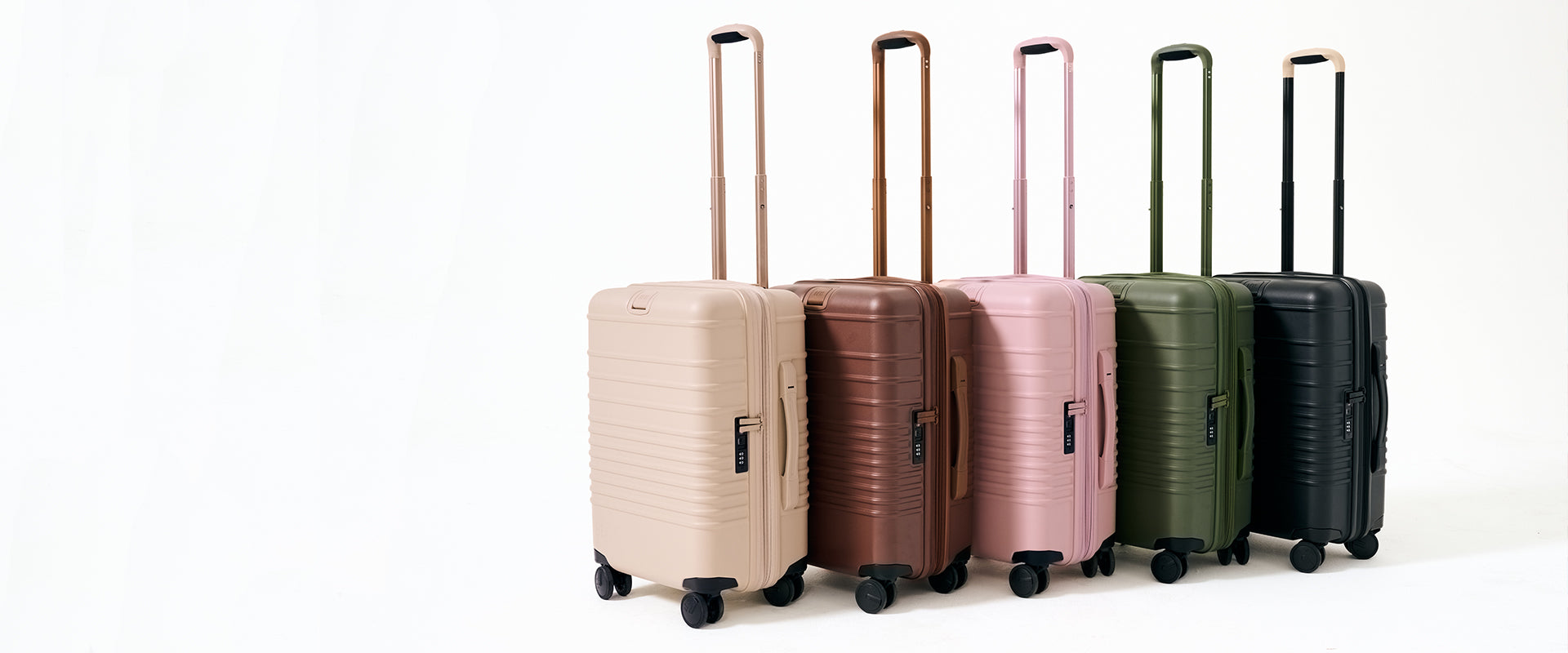
Properly setting your lock is just the first step in securing your belongings effectively. Understanding how to use these devices in real-world travel scenarios adds an extra layer of protection.
Apply Locks Strategically to Bags
Use combination locks primarily on checked bags where TSA agents may need to inspect contents. For carry-on items, consider alternative tamper-evident methods if you remain near your luggage.
- Remember TSA agents have tools to open these specific locks.
- Use cable ties for carry-ons to detect unauthorized access.
- Keep valuables in your personal item when possible.
Red cable ties are standard indicators for screened bags. If your tie is cut upon arrival, you know your bag underwent inspection during transit.
Prevent Damage Through Proper Handling
Forcing the zipper or yanking the pull tab when the code fails can break the internal springs. Always double-check your numbers and the mode switch position before applying pressure.
- Re-enter the code slowly and deliberately.
- Verify the mode switch is not stuck in “Set”.
- Walk through the troubleshooting steps if resistance occurs.
Patience prevents costly repairs or the need to replace the entire zipper system. Most lock issues stem from user error rather than mechanical defects.
Maintain Lock Functionality Over Time
Regular care extends the life of your luggage lock and ensures it works when you need it most. Simple maintenance habits prevent failures during critical travel moments.
Perform Pre-Trip Safety Checks
Test your lock and verify your code before leaving for the airport every time. Update your combination if you suspect anyone else may have seen or guessed your current code.
- Open and close the lock three times before packing.
- Ensure the tab snaps back securely after each use.
- Confirm the mode switch stays in the locked position.
A quick two-minute check saves hours of stress at the check-in counter. Consistency in testing builds confidence in your gear before you hand it over.
Store Luggage in Unlocked State
Leave your luggage zippers open and locks disengaged when storing bags between trips. This practice reduces tension on internal springs and prevents accidental locking during storage.
- Store bags in a cool, dry place away from direct sun.
- Clean locks every three to six months depending on use.
- Inspect for wear after beach or winter travel exposure.
Proper storage habits ensure your Beis lock remains ready for your next adventure. Regular attention keeps the mechanism smooth and reliable for years of travel.
Frequently Asked Questions About Beis Locks
What is the default code for a new Beis suitcase?
New Beis luggage comes preset with the combination 0-0-0. You must use this code to open the lock initially before setting your own personal combination.
Can I reset my Beis lock if I forget the code?
You can only reset the code if the lock is currently open. There is no master code or bypass method if the lock is closed and the combination is lost.
Why won’t my Beis lock open with the correct code?
Check that each dial aligns perfectly with the center indicator line. Dust or debris around the dials can also prevent the mechanism from engaging properly.
Is WD-40 safe for lubricating Beis luggage locks?
No, you should avoid WD-40 as it can attract dirt and damage plastic parts. Use a small amount of silicone-based lubricant instead for safe maintenance.
Do TSA agents need my code to inspect checked bags?
No, TSA agents have special tools to open TSA-approved combination locks without your code. This allows them to inspect checked bags without breaking your lock.
Key Takeaways for Setting Your Beis Lock Successfully
Setting your Beis lock correctly ensures your luggage remains secure throughout your travels. Remember to start with the default 0-0-0 code, pull the tab, slide to “Set”, and choose a strong personal combination.
Regular testing and gentle maintenance keep the mechanism working smoothly for years. Follow these steps before your next trip to travel with total peace of mind.