Standing before a locked round doorknob without a key creates immediate stress, whether you are locked out of a bedroom or dealing with an emergency. Learning how to pick a door knob lock offers a practical solution when you approach the task legally and with the right technique.
This guide explains how to identify your specific lock type and select the correct tools for safe entry. You will discover step-by-step methods to bypass privacy mechanisms or pick keyed tumblers without causing damage to your door hardware.
Identify Your Specific Lock Type First

Determining the exact mechanism inside your round knob is the critical first step before attempting any manipulation. The internal design dictates whether you need a simple bypass tool or a full picking set to succeed.
Distinguish Between Keyed and Privacy Mechanisms
Most interior doors feature one of three distinct locking styles that require different approaches.
* Keyed Entry: These require a key from the outside and often a key or turn button inside.
* Privacy Locks: Common in bathrooms, these use a push-button or turn-knob on the inside with no exterior keyhole.
* Keyed Both Sides: These offer higher security by requiring a key on both sides of the door.
Visual Clue: If you see a tiny hole in the center of the outside knob, you are likely facing a privacy lock designed for emergency release rather than complex picking.
How to Spot a Pickable Lock Design
Not every round knob is suitable for traditional picking techniques, so look for specific visual indicators. Slim keyholes usually indicate a basic pin tumbler core that responds well to standard picks. Avoid push-button privacy locks if you plan to pick pins, as they use a spring-loaded sleeve instead. Check if the cylinder rotates smoothly, which suggests it is pickable, while anti-pick pins indicate a need for advanced skills.
Choose the Right Tools for the Job
Using improper implements can permanently damage the delicate internal components of your lock. Selecting the correct tool ensures you can manipulate the mechanism without shearing pins or scratching the finish.
Essential Components of a Picking Kit
A basic kit provides everything needed for most residential round knobs found in homes.
* Tension Wrench: Applies necessary rotational pressure to the plug.
* Hook Pick: Best for setting individual pins in tight keyways.
* Half-Diamond Pick: Useful for scrubbing multiple pins quickly.
* Bypass Tool: A thin probe designed specifically for privacy locks.
Pro Tip: For most interior round knobs, a basic five-piece pick set is more than sufficient for successful entry.
Effective Improvised Tools for Emergencies
You can often create functional tools from common household items if a professional kit is unavailable. A straightened paperclip works perfectly as a bypass tool for privacy locks with small release holes. Hairpins or bobby pins can be bent into crude hooks and tension tools, though they are less effective than steel picks. Small Allen wrenches paired with a flathead screwdriver can apply tension in larger keyways.
Warning: Never force metal objects into a lock without control, as this can shear pins or lock up the cylinder permanently.
Bypassing Privacy Locks Quickly
Most bathroom or bedroom round knobs are not picked in the traditional sense but are instead bypassed using their emergency release features. This method is significantly faster and safer than attempting to manipulate pins.
Use the Coin Slot Trick on Older Models
Some older round knobs feature a small slot on the outside face designed for emergency access. Insert a butter knife, flat screwdriver, or even a quarter into the slot firmly. Twist the tool while pulling the knob outward to release the internal cam and open the door.
Note: This trick only works on models equipped with mechanical release slots on the exterior.
Push the Release Hole with a Paperclip
This is the most common method for modern privacy locks found in residential settings. Straighten a paperclip fully and insert it directly into the small hole on the center of the outside knob. Push straight in until you feel resistance, then apply slight pressure while pulling the knob outward to disengage the lock.
Success Tip: Wiggle the tool slightly while pushing, as the release pin inside is often small and finicky to locate.
Utilize a Universal Emergency Release Tool
Dedicated emergency tools are available online and offer a reliable solution for frequent access needs. These tools are shaped like a “T” with a long probe that slides in to depress the locking mechanism instantly. They work on approximately 90 percent of push-button privacy locks without causing damage.
Legal Note: These tools are legal to own and sold for legitimate access reasons such as child safety or emergency response.
Picking Keyed Round Door Knob Locks
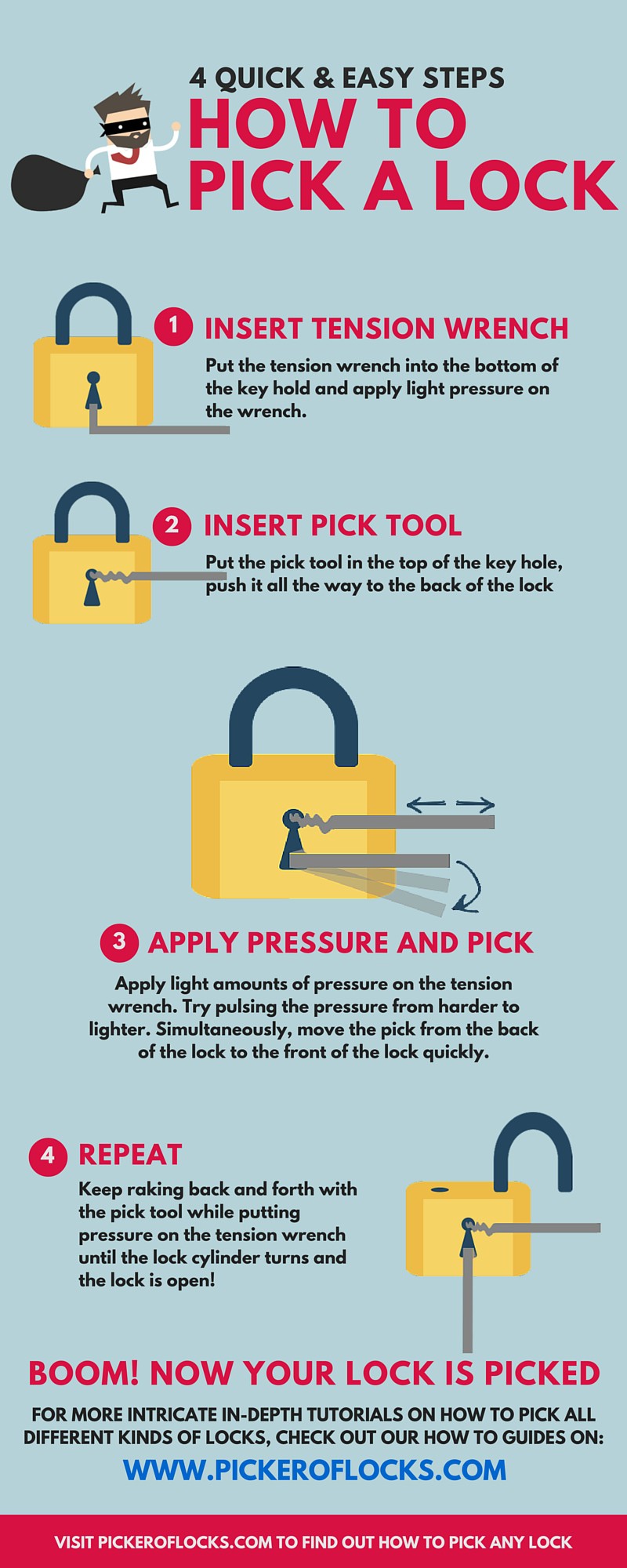
If your round knob requires a key, you must use traditional lock picking skills to manipulate the internal pins. This process requires patience and a gentle touch to avoid binding the mechanism.
Step 1: Apply Light Rotational Tension
Insert your tension wrench at the bottom of the keyway and apply gentle clockwise pressure. Most residential locks rotate clockwise to open, so maintain this constant light force throughout the process. Too much force will bind all the pins together, making them impossible to set individually.
Ideal Tension: Apply just enough pressure to bind the first pin while allowing others to move freely.
Step 2: Locate and Set the Pins
Round knob locks typically contain five or six pin stacks within a compact cylinder. Use a hook pick to gently lift each pin from the front of the keyway to the back. Feel for set points where a slight click or upward movement indicates the pin has cleared the shear line.
What to Feel For: Listen for a soft click or feel increased play in the plug after a pin sets correctly.
Step 3: Use Scrubbing for Faster Results
Beginners often find success with a scrubbing motion if single-pin picking proves difficult. Insert a half-diamond pick and use a rapid up-and-down motion across all pins while maintaining light tension. This randomizes the pin movement and may set them all simultaneously.
Time Estimate: Expect this process to take anywhere from ten seconds to two minutes on a basic lock.
Step 4: Rotate the Plug to Open
Once all pins are set, the plug will rotate slightly, usually about ten to twenty degrees. This rotation turns the internal cam, retracts the latch, and allows you to pull the knob to open the door.
Troubleshooting: If the plug does not turn, reset your tools and try applying less tension, as over-tightening causes false binds.
Recognize Anti-Pick Security Features
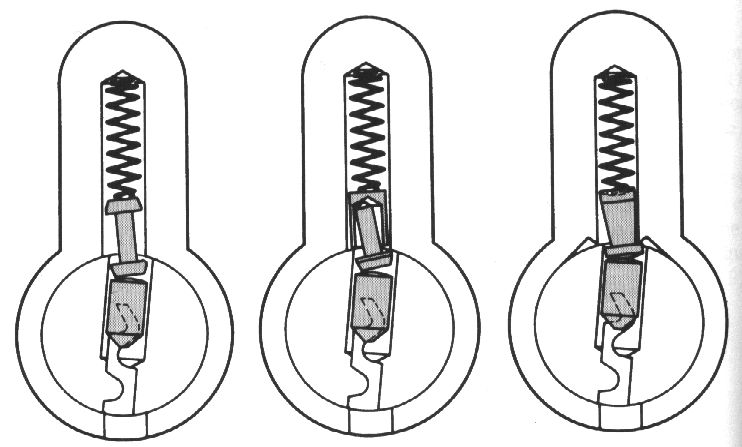
High-quality locks often include features designed specifically to resist picking attempts. Knowing what you are up against helps you decide whether to continue or call a professional.
Spool and Serrated Pins
These specialized pins cause a false set where the lock feels open but remains stuck. They require precise single-pin picking skills to navigate around the false feedback. You will commonly find these in Schlage and Kwikset SmartKey models.
Sidebars and Rotating Cams
Some premium models add a secondary locking point via a sidebar or rotating cam. These mechanisms need timing-specific tools or rakes with precise depth control to bypass effectively. While rare in standard round knobs, they appear in high-security interior applications.
Expert Note: If the plug turns slightly then stops abruptly, you might be hitting a sidebar mechanism.
Avoid Common Picking Mistakes
Even experienced pickers make errors that can stall progress or damage the lock. Avoiding these pitfalls ensures a smoother entry process.
Using Excessive Tension Force
Applying too much tension causes multiple pins to bind simultaneously, leading to pin breakage or shear line failure. The solution is to back off your tension until only one pin binds at a time.
Rushing the Manipulation Process
Picking is a tactile skill that relies on feedback rather than brute force. Rushing leads to missed signals from the pins, so slow down and use your fingertips to listen through the pick.
Ignoring Lubrication Needs
Old or sticky locks will not pick smoothly and may frustrate your efforts. Apply dry graphite lubricant before starting to help pins move freely and reduce friction.
Best Practice: Always lubricate the lock before inserting any tools to ensure smooth operation.
When Lock Picking Is Not the Answer
Sometimes the better choice is to replace or rekey the lock rather than attempting to pick it. This is especially true if the hardware is compromised or if you need better long-term security.
Replace the Lock If Damaged
You should replace the lock if it is rusted, jammed, or if the knob wobbles significantly. Homeowners seeking better security should also consider upgrading rather than relying on basic round knobs.
Rekey for Convenience and Safety
Companies like Schlage and Kwikset offer rekeying kits that let you change the key without replacing the hardware. This costs less than emergency locksmith fees and provides peace of mind.
Reality Check: If you find yourself picking locks regularly, consider upgrading your entire access system for better reliability.
Upgrade to More Secure Alternatives
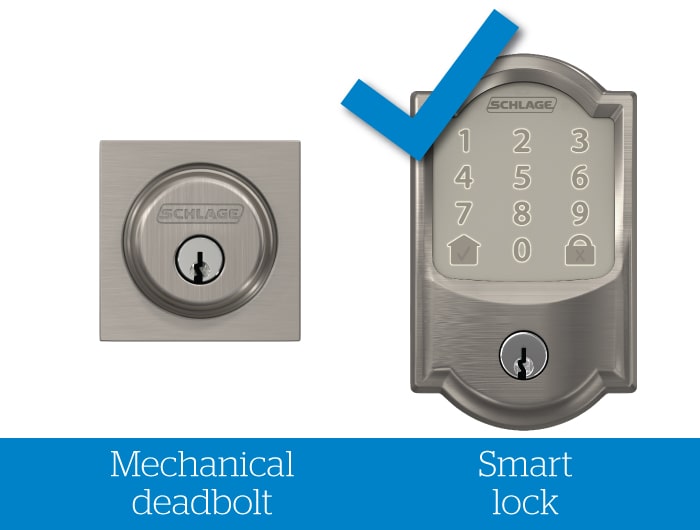
If security is your primary concern, do not rely solely on basic round knobs for protection. Upgrading your hardware provides better defense against forced entry.
Install Deadbolts on Exterior Doors
Adding a deadbolt provides a second locking point that resists forcing, kicking, and bypassing. Choose ANSI Grade 1 or 2 deadbolts for maximum durability and security on exterior doors.
Switch to Smart Lock Technology
Smart locks use key codes, apps, or biometrics to control access without physical keys. Models from August, Schlage Encode, or Yale Assure allow you to track access and revoke permissions remotely.
Ideal Use Case: Smart locks are perfect for renters and families needing flexible access control.
Final Tips for Legal and Safe Practice
Lock picking should always be an ethical and lawful activity performed with responsibility. Always ensure you have explicit permission before manipulating any lock you do not own.
Only Pick Locks You Own or Have Permission To
It is illegal to pick locks without authorization, even on your own property if you are a leaseholder. Practice on disassembled practice locks or training kits to build your skills legally.
Practice Regularly on Training Locks
Buy a transparent practice lock to see pin movement and understand the mechanics visually. Use modular sets with different pin configurations to build muscle memory and sensitivity.
Keep Your Tools Secured
In many areas, carrying lock picks in public is regulated or illegal, so store them safely. Keep them in a locked case with a note explaining their purpose for educational use only.
Safety First: Label your kit “For Educational Use Only” and store it securely when not in use.
Frequently Asked Questions About Picking Door Knob Locks
Can I pick a round door knob lock with a bobby pin?
Yes, you can often pick simple round knobs using a bobby pin shaped into a hook and a second pin for tension. However, these improvised tools lack the strength of steel picks and may break inside the lock if used aggressively.
Is it legal to learn how to pick a door knob lock?
Learning lock picking is legal in most places as long as you only practice on locks you own or have explicit permission to manipulate. Laws vary by location, so check local regulations regarding the possession of picking tools.
How long does it take to pick a standard round knob?
A beginner might take several minutes to pick a standard round knob, while an experienced picker can open one in under thirty seconds. Privacy locks with release holes can be bypassed in just a few seconds with the right tool.
Will picking a lock damage the internal mechanism?
If done correctly with proper tools and technique, picking should not damage the lock. Damage usually occurs when using excessive force, improper tools, or failing to lubricate the mechanism before starting.
What is the difference between privacy and keyed round knobs?
Privacy knobs use a push-button or turn-lock on the inside with a small release hole on the outside. Keyed knobs require a physical key to unlock from the outside and often feature a pin tumbler mechanism.
Key Takeaways for How to Pick a Door Knob Lock
Mastering how to pick a door knob lock requires identifying your lock type, choosing the right tools, and applying gentle, precise techniques. Whether you are bypassing a privacy lock with a paperclip or picking a keyed tumbler with a tension wrench, patience and practice are essential for success.
Always prioritize legal and ethical use by only manipulating locks you own or have permission to access. With the right knowledge and tools, you can solve access problems confidently while maintaining the integrity of your door hardware.