You lost the code or inherited a locked padlock with no key. Standard combination locks often rely on mechanical flaws that let you bypass the code entirely using only your hands.
This guide reveals how to exploit manufacturing tolerances to feel the correct digits. You will learn to apply proper tension, isolate each wheel, and decode 3-digit or 4-digit locks in minutes.
Apply Shackle Tension to Bind Internal Wheels
Tension is the single most critical factor when you attempt to pick a combo lock. Without consistent pressure on the shackle, the internal wheels float freely and provide zero feedback.
Pull in the Correct Direction for Your Lock Size
The direction of your pull depends entirely on the physical size of the padlock body.
* Small locks: Pull the shackle upward or outward away from the body.
* Large locks: Pull the shackle downward to engage internal resistance effectively.
Pulling in the wrong direction prevents the wheels from binding against the casing. This makes detecting the correct digit impossible regardless of your technique.
Adjust Force to Avoid Mechanism Seizure
You must find a balance where the force is firm but not crushing.
* Too light: The wheels do not bind, making every number feel identical.
* Too heavy: The entire mechanism seizes, preventing any dial from turning smoothly.
Start with moderate tension and increase the pull gradually if you feel no change. The correct digit will suddenly feel looser or click into place under the right amount of stress.
Use Visual Aids to Detect Micro-Movements
Some 4-dial models shift the shackle visibly when a wheel aligns correctly. You can enhance this visual cue with a simple trick.
* Place a small piece of tape vertically on the shackle.
* Align the edge of the tape with a fixed point on the lock body.
* Watch for the tape to shift position as you rotate each dial slowly.
This visual aid confirms the tactile feedback you feel in your fingers. It is especially helpful for beginners learning to recognize subtle mechanical changes.
Isolate Each Dial to Find the Correct Digit
The core strategy to pick a combo lock involves testing one dial at a time while holding others steady. This isolation allows you to feel feedback from only one internal wheel.
Decode the First Dial Under Constant Pressure
Apply constant tension to the shackle before touching the first dial. Rotate the first dial slowly from 0 to 9 while maintaining that pull.
* Feel for one specific number that offers a distinct release or click.
* Note that incorrect numbers will feel stiff or resistant compared to the correct one.
* This distinct sensation indicates the likely first digit of your combination.
Pro Tip: If no number feels different, you likely need more tension. A correct digit often only reveals itself when you increase the pull force significantly.
Test the Second Dial While Holding the First
Keep the first dial set to the number you just identified. Rotate the second dial through all ten digits while maintaining shackle tension.
* Look for the single number that reduces resistance again.
* Recheck with firmer pull if the results feel unclear or inconsistent.
* Users often miss the second digit because they relax their grip on the shackle.
Complete the Sequence for Remaining Dials
Repeat the isolation process for the third and fourth dials sequentially. Fix the first two dials and rotate the third until you feel it go free. Then fix the first three and test the final dial. Each correct alignment makes the entire mechanism feel progressively looser.
Test Case: On a Master Lock 878, the sequence 5-2-7-9 opened after isolating each dial. The second and seventh digits required increased pull to detect clearly.
Recognize Tactile Feedback Cues Accurately

Your fingers are the primary tool when you pick a combo lock. Learning to read subtle mechanical responses distinguishes success from failure.
Identify the “Give” Sensation in the Dial
When a wheel gate aligns under tension, the physical sensation is distinct.
* The dial will drop slightly or rotate more freely than adjacent numbers.
* You may hear a faint click or feel a small bump.
* The shackle might shift a fraction of a millimeter in your hand.
This “give” is the physical sign of correct alignment. It means the internal notch has lined up with the locking bar.
Distinguish Real Signals from False Positives
Not every loose-feeling number is the correct code. Common errors include confusing debris-induced play with gate alignment. Worn dials can also mimic the feeling of a correct digit.
* Retest each digit with higher, steady tension if the lock does not open.
* Ensure your tension does not fluctuate during the scan.
* Ignore minor friction points and focus on significant releases.
Confirm Findings with Tape Markers
Use the tape method mentioned earlier for locks with subtle movement. Stick a small strip of tape vertically on the shackle and align it with a fixed point. As you rotate each dial, watch for the tape to shift position. Even a 0.5mm movement can confirm alignment when touch alone is ambiguous.
Decode 3-Dial Versus 4-Dial Lock Differences

While the core method remains the same, the number of dials affects your approach and sensitivity requirements.
Adjust Technique for 3-Dial Locks
These locks often require more precise tension control due to having fewer wheels to bind.
1. Pull the shackle upward firmly.
2. Rotate the top dial and find the loosest number.
3. Hold the first digit and test the middle dial for its release point.
4. Fix the first two and rotate the bottom dial until the lock opens.
These locks often open faster but provide weaker tactile cues than larger models.
Adapt Method for 4-Dial Locks
More wheels create more binding points and often stronger feedback signals.
1. Apply downward tension on the shackle for larger bodies.
2. Test Dial 1 to find the digit with the clearest release.
3. Hold Dial 1 and test Dial 2 for the next resistance drop.
4. Hold Dials 1 and 2, then test Dial 3 and finally Dial 4.
The extra wheel increases overall resistance, making correct alignment easier to feel in many cases.
Fix Common Decoding Errors Quickly
Even experienced users make mistakes when they try to pick a combo lock. Knowing how to troubleshoot saves time and frustration.
Resolve Low Tension Issues
Symptom: All dials feel stiff and no number stands out.
Cause: The shackle is not pulled hard enough to bind internal wheels.
Solution: Increase pulling force and re-scan each dial. The correct digit will suddenly feel loose compared to the others.
Avoid Premature Digit Selection
Symptom: The lock does not open despite entering “correct” digits.
Cause: Settling on a number too quickly due to fluctuating tension.
Solution: Re-test each digit with consistent, high tension. Only accept a digit if it feels significantly looser than all others.
Prevent Inconsistent Feedback Loops
Symptom: Multiple dials seem to have loose points simultaneously.
Cause: Failure to isolate dials properly or dirt affecting wheel movement.
Solution: Keep non-tested dials held firmly in place. Clean dials with compressed air if they feel sticky or gritty.
Crack Antique and Complex Lock Mechanisms
Not all combination locks use standard designs. Vintage brass models often require a different approach known as the notch alignment system.
Utilize the Notch Alignment System
Certain 5-dial antique locks rely on perfect horizontal notch alignment. Each wheel has a gap at the top that must line up horizontally for the shackle to release. Even a 1-number misalignment blocks the mechanism completely.
Apply Progressive Tension for Vintage Models
These locks behave differently than modern steel padlocks. Apply tension and rotate each dial individually. As each correct number aligns, the entire lock feels looser. The final dial will only turn freely when all previous four are correct. Success depends on perfect sequencing.
Verify the Final Combination Before Opening
Never assume the first decoded sequence is correct. Verification prevents wasted effort and confirms your technique.
Test Before Full Release
After entering your decoded numbers, keep tension applied and gently wiggle the shackle. If it moves slightly or feels different, the code is likely correct. This pre-check saves you from resetting and starting over.
Re-Test Any Failed Attempts Immediately
If the lock does not open, recheck your tension level immediately. Rescan each dial individually with higher force. Focus on digits that felt “almost right” during the initial scan. In one test, 4 felt correct for Dial 3 but failed. Re-testing with higher tension revealed 7 as the true digit.
Confirm Skills with a Known Reset
If possible, open the lock using the real combination if you know it. Reset it with a new code and decode it blind to validate your skill. This builds confidence and refines your tactile sensitivity for future attempts.
Upgrade Hardware for Real Security Needs
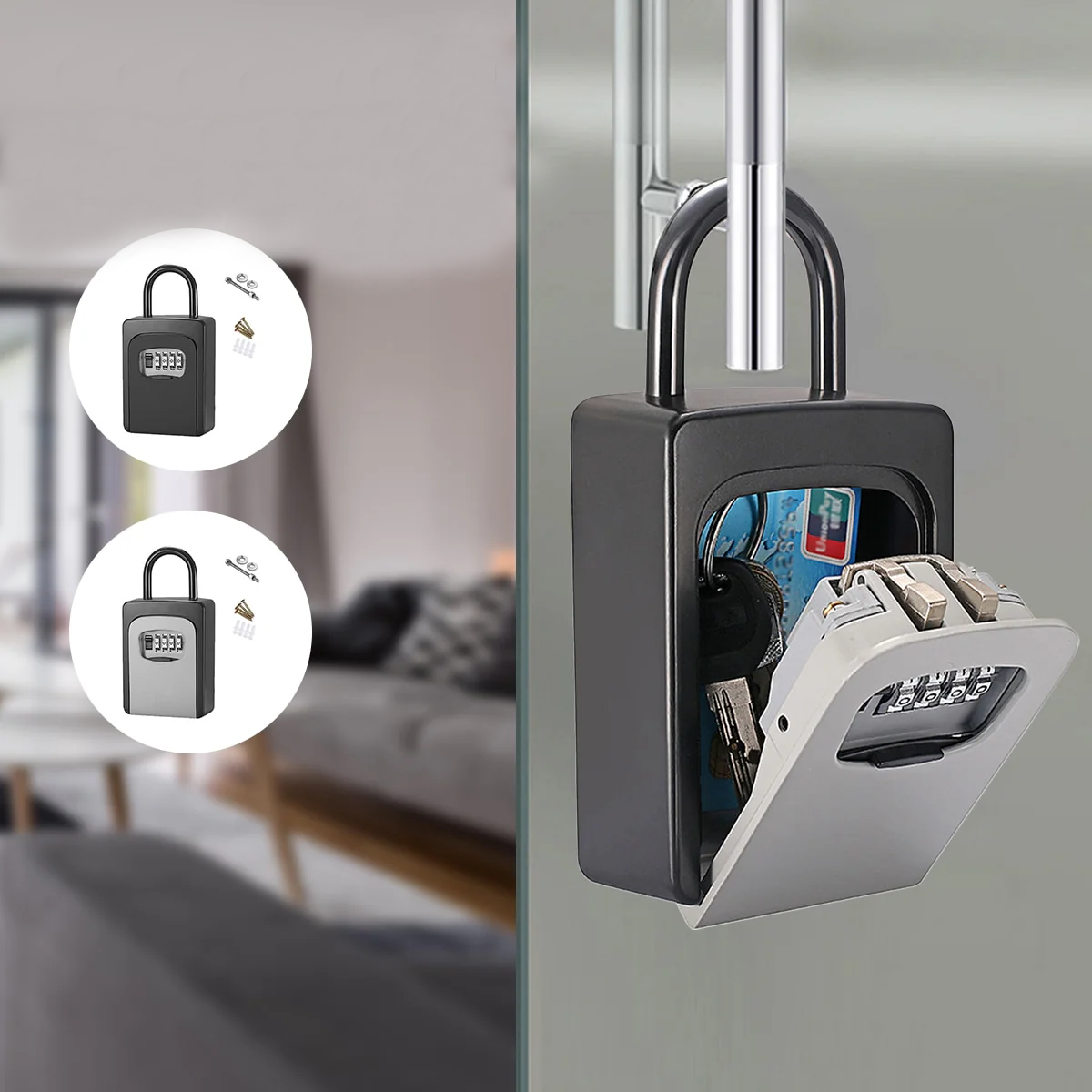
Picking combo locks is easy because most are designed for convenience rather than security. Standard models lack the defenses needed for serious protection.
Avoid Standard Combination Locks for Valuables
Models like the Master Lock 875 and 878 are easily defeated without tools. Testing shows a 100% success rate for decoding these units. Flaws persist even in versions claimed to be “updated.” Never use these for bikes, toolboxes, or sheds where security matters.
Choose High-Security Alternatives Instead
For real protection, switch to keyed padlocks with pick-resistant cylinders. Disc detainer locks offer anti-shim shields and hardened steel construction. Digital combination locks eliminate mechanical wheels entirely. These options resist both picking and physical attacks effectively.
Understand the Security Trade-Off
Combo locks offer keyless access but sacrifice security. If you must use one, pick a high-end model with explicit anti-pick claims. Avoid cheap 3-digit or 4-digit designs entirely. Assume any standard combo lock can be opened in under 10 minutes by someone who knows how to pick a combo lock.
Frequently Asked Questions About Picking Combo Locks
Can you really pick a combo lock without tools?
Yes, standard 3-digit and 4-digit mechanical locks can be picked using only your hands. Manufacturing tolerances create detectable feedback when the correct digit aligns under tension.
What is the secret to feeling the correct number?
The secret is applying constant tension to the shackle while rotating the dial. The correct number will feel looser, click, or drop slightly compared to the resistance of incorrect numbers.
Does this method work on Master Lock 878 models?
Yes, testing confirms that the Master Lock 878 remains vulnerable despite claims of being a “fixed” version. The internal wheel gate flaws persist and allow tactile decoding.
Why do some numbers feel loose but fail to open the lock?
This is often a false positive caused by insufficient tension or debris. You must re-test the digit with higher, steady force to ensure it is the true gate alignment.
How long does it take to decode a combination?
With practice, you can decode a standard lock in under two minutes. Beginners may take longer as they learn to recognize the subtle tactile feedback signals.
Are antique brass combination locks harder to pick?
Antique locks often use a strict notch alignment system that requires perfect sequencing. While the method is similar, the tolerance for error is smaller and the mechanism feels different.
Key Takeaways for Learning How to Pick a Combo Lock
You now understand that mechanical flaws allow you to pick a combo lock using only tension and touch. By applying steady pressure and isolating each dial, you can feel the distinct “give” of the correct digits.
Remember that standard locks offer convenience but negligible security against this technique. For valuable items, always upgrade to high-security hardware with pick-resistant features. Practice ethically on locks you own to master the art of tactile decoding.