If you are locked out of your home, learning how to open Kwikset lock mechanisms with Smart Key technology might seem like a miracle solution. These popular deadbolts feature a small side slot that allows a specific bypass method to retract the bolt in seconds without a key.
This guide explains the mechanical flaw behind this vulnerability and details the exact steps professionals use to bypass the system. You will discover why this method works, the permanent damage it causes to your lock, and why upgrading your home security is the only safe long-term choice.
Identify the Vulnerable Kwikset Smart Key Design
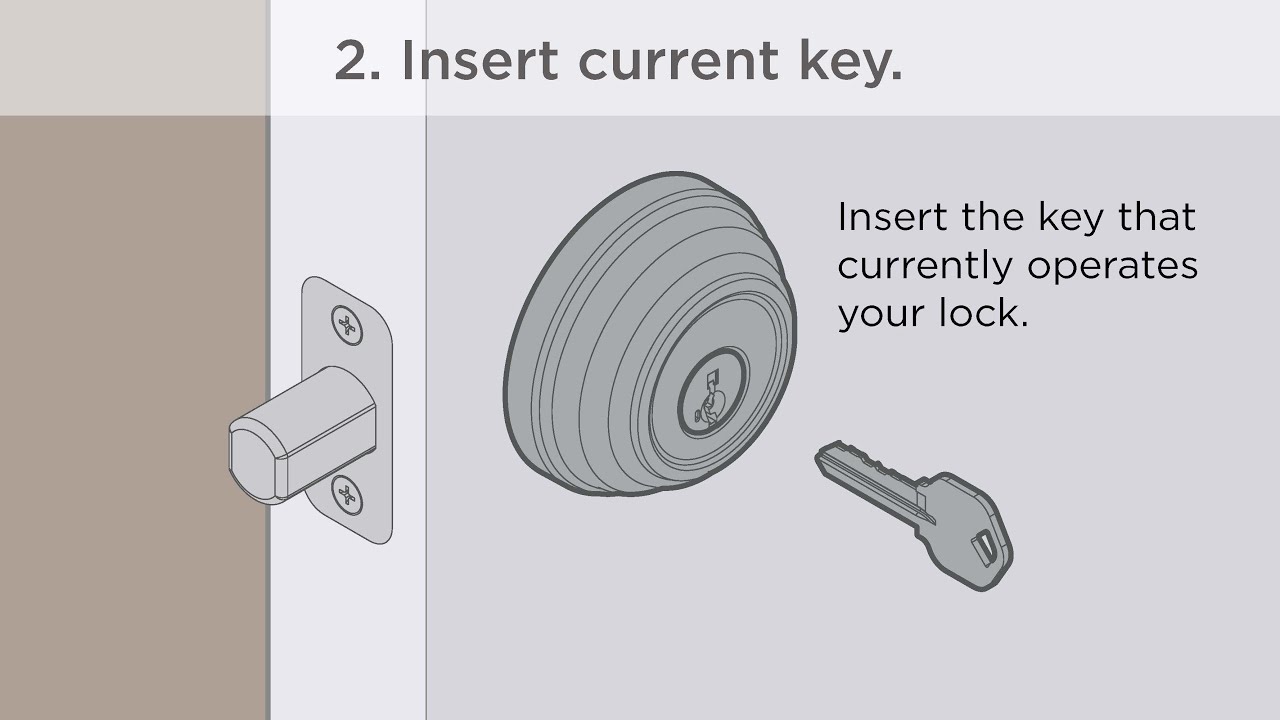
The first step in any security assessment is identifying whether your hardware contains the Smart Key mechanism. This specific design is found in many Kwikset and Weiser models and is easily recognizable by a distinct feature on the face of the lock.
Look for the Rekey Hole
You can spot this lock by finding a tiny hole located directly next to the main keyway. This slot is intended for the proprietary rekeying tool that allows homeowners to change keys without disassembling the lock. Unfortunately, this same opening provides a direct path for bypass tools to access the internal locking sidebar.
Check Common Model Numbers
Many homeowners are unaware their locks are vulnerable because they look like standard deadbolts. Common models containing this flaw include:
* Kwikset 910 SmartKey Deadbolt
* Kwikset Halifax and Lido series
* Weiser Powerbolt and SmartCode models with Smart Key branding
If your lock was marketed as “bump-proof” or features that small side slot, it likely shares this mechanical weakness.
Execute the Bypass on Kwikset Smart Key Locks
Opening these locks requires specific tools to apply precise rotational force to the internal mechanism. The process exploits the lack of traditional pin tumblers in favor of a sidebar system that can be manipulated externally.
Insert a Rigid Metal Probe
You must insert a straight, stiff metal rod directly into the keyway. A modified Allen wrench or a custom-made steel probe works best for this task. The tool needs to be thin enough to fit inside the keyway but rigid enough to transmit significant torque without bending.
Visual Cue: You should feel slight resistance as the metal rod engages the internal sidebar mechanism.
Apply Torque with Vice Grips
Once the rod is seated, clamp a pair of vice grips onto the exposed end of the tool. These pliers provide the leverage needed to mimic the turning action of a key. Turn the vice grips clockwise just as you would turn a key to unlock the door.
Warning: Do not jerk or twist violently. Steady, increasing pressure is required to shift the internal components without breaking them immediately.
Force the Bolt to Retract
With continuous torque applied, the internal locking mechanism begins to shift. Unlike traditional picking which manipulates individual pins, this method forces the sidebar or actuator to disengage from the bolt entirely. Within seconds, you will hear or feel a distinct click indicating the bolt has retracted.
- Time required: 5 to 10 seconds for most attempts.
- Skill level: No lockpicking experience needed.
- Result: The door opens immediately.
Understand Why This Kwikset Lock Flaw Exists
The ability to bypass these locks so easily stems from a fundamental design choice rather than user error. Manufacturers prioritized the convenience of DIY rekeying over traditional security robustness.
Mechanical Design Weakness
The core issue lies in the Smart Key rekeying mechanism itself. While innovative for allowing quick key changes, it introduces a weak point where internal components can be manipulated externally using pressure. It is similar to the famous Kryptonite U-lock flaw where a simple plastic pen could bypass high-security claims.
No Picking or Bumping Required
Traditional entry methods like lock bumping or raking require practice and specific tools to manipulate pins. The Smart Key exploit bypasses the pin system entirely. Instead, it forces the locking bolt through the keyway by exploiting play in the internal linkage. There is no need to decode key bitting or align pins precisely.
Assess the Damage After Forcing Entry
Using this bypass method is not a reversible action. While it solves an immediate locked-out scenario, it fundamentally compromises the integrity of the lock hardware forever.
Key Functionality Becomes Unreliable
After a bypass attempt, the original key might still turn and operate the lock. However, success rates drop significantly, often working only about 90% of the time or less. Each forced entry damages internal springs, cams, or the sidebar alignment. You may experience stiff turning, incomplete bolt retraction, or total mechanical failure shortly after.
Smart Key Function Is Permanently Destroyed
Once the lock is forced, the rekey function is permanently disabled. The precise alignment between the core and sidebar is disrupted, making future rekeying impossible. You cannot simply reset the lock; you must replace the entire cylinder or the whole deadbolt assembly.
No Visible Signs of Tampering
One of the most concerning aspects of this vulnerability is the lack of visible evidence. There are no scratches, dents, or broken parts on the exterior of the lock. This makes it impossible to tell if someone has already bypassed your door unless you test the internal mechanism yourself.
Avoid These Common Mistakes During Entry
Attempting to open these locks without proper knowledge often leads to unnecessary damage or failure. Avoid these frequent errors to ensure you do not make a bad situation worse.
Using Flexible or Weak Tools
A bent or flimsy rod will not transmit enough force to shift the internal mechanism. Avoid using:
* Standard paperclips
* Thin coat hangers unless hardened
* Plastic or nylon rods
You must use tempered steel, such as a cut and filed Allen key or a dedicated bypass tool, to succeed.
Applying Excessive Force
It is tempting to crank hard when the lock resists initial pressure. However, over-torquing can strip internal gears, break the tailpiece, or jam the bolt permanently in the locked position. Use steady, increasing pressure rather than brute strength.
Assuming All Kwikset Locks Are Vulnerable
Not every Kwikset model uses the Smart Key system. Older pin tumbler locks or newer electronic smart locks like the Halo Touch are immune to this specific bypass. Always check your model number or look for the rekey hole before attempting this method.
Determine When to Use This Bypass Method
This technique should never be your first choice for entry. It is a destructive method that compromises your home security and should only be used under strict conditions.
Emergency Access Only
Only attempt this if you are locked out with no spare key available and professional help is delayed. This is a last-resort technique designed for emergency situations where immediate entry is critical.
Never for Unauthorized Entry
Using this method on property you do not own or without explicit permission is illegal and unethical. This guide is strictly for educational purposes and emergency self-entry scenarios.
Upgrade to Secure Your Home Properly

If security matters to you, replacing vulnerable hardware is the only viable solution. Do not rely on locks known to have public bypass methods.
Replace with Anti-Pick Deadbolts
Upgrade to a high-security deadbolt featuring drill-resistant shields and anti-pick pins. Look for ANSI Grade 1 certification, which represents the highest residential security standard. Brands like Medeco or Schlage Primus offer rekeyable cylinders that do not share this mechanical flaw.
Consider Smart Locks with Alerts
Modern keypad or Wi-Fi-enabled locks offer superior monitoring capabilities. Features to look for include:
* Tamper alerts
* Remote locking and unlocking
* Detailed activity logs
Examples include the Schlage Encode Plus, Yale Assure Lock 2, and August Wi-Fi Smart Lock. Choose models with physical key backups and auto-lock features for maximum safety.
Install Secondary Locking Devices
No single lock is foolproof. Add layers of security with door jammers, security bars for sliding doors, and surveillance cameras with motion detection. True security relies on layered deterrence rather than a single point of failure.
Frequently Asked Questions About Opening Kwikset Locks
Can you open a Kwikset Smart Key lock without a key?
Yes, you can open these locks without a key by inserting a rigid metal rod into the keyway and applying torque with vice grips. This bypasses the internal sidebar mechanism in under 10 seconds due to a known design flaw.
Does forcing a Kwikset lock damage it permanently?
Yes, forcing the lock permanently damages the internal mechanism. While the key may still work occasionally, the rekey function is destroyed, and the lock becomes unreliable and insecure for future use.
Are all Kwikset deadbolts vulnerable to this bypass?
No, only Kwikset and Weiser models featuring the Smart Key system with the small side slot are vulnerable. Older pin tumbler models and newer electronic locks like the Halo series are not affected by this specific method.
Is there any visible damage after bypassing the lock?
Typically, there is no visible damage to the exterior of the lock after a bypass. The method manipulates internal components without scratching or breaking the outer casing, leaving no obvious signs of entry.
Should I replace my Smart Key lock if I used this method?
Yes, you should replace the lock immediately. The internal alignment is compromised, making the lock unreliable and insecure. Continuing to use it puts your home at risk of easy unauthorized entry.
Key Takeaways for Securing Your Kwikset Lock
Learning how to open Kwikset lock systems reveals a critical security gap in the Smart Key design. The ability to bypass these locks in seconds with simple tools means they cannot provide reliable protection for your home. While useful for emergency self-entry, this method destroys the lock’s functionality and leaves you vulnerable.
The most important step you can take is to identify if your current hardware uses this flawed mechanism. If you find the telltale side slot, plan to replace it with a high-security deadbolt or a modern smart lock that does not rely on this vulnerable architecture. Your home security depends on hardware that resists forced entry, not just convenient rekeying.