Losing the key to a tubular lock on your bike chain or storage cabinet feels frustrating, especially when you realize these devices often rely on simple internal mechanisms. You can learn how to open a tubular lock quickly using common items like a rigid plastic straw or a standard ballpoint pen found in most homes.
This guide details two proven methods to bypass low-security models by exploiting their basic pin designs without causing damage. You will discover exactly how to position your tools, apply the correct pressure, and rotate the cylinder to regain access to your belongings immediately.
Execute the Plastic Straw Bypass Method
The plastic straw technique succeeds because many inexpensive tubular locks mistake a rigid tube for a legitimate key. When you insert an object with the correct diameter, it depresses all spring-loaded pins simultaneously to release the locking mechanism.
Position the Straw at 3:00 O’Clock
Start by aligning the tip of a reusable plastic straw with the 3:00 o’clock position on the lock face. This specific angle ensures the straw engages the internal actuator correctly without blocking rotation. Push the straw straight into the keyway gently until you feel it seat against the pins.
- Do not force the straw if it meets immediate resistance.
- Ensure the straw is rigid enough to avoid collapsing under pressure.
- Verify the straw diameter matches the circular keyway opening.
Apply Downward Pressure and Rotate
Once the straw is seated, apply firm downward pressure while slowly rotating it counterclockwise toward the 12:00 o’clock position. You will feel initial resistance as the pins begin to bind against the cylinder walls. Maintain steady pressure throughout this movement to keep the pins engaged.
- Feel for a sudden drop in resistance indicating the pins have aligned.
- Continue turning past the 12:00 position to fully disengage the lock.
- Adjust your grip slightly if the straw begins to slip inside the keyway.
Identify Structural Failure Signs
A failed attempt often occurs because the straw lacks the rigidity to depress the pins effectively. If you feel the tube buckling or compressing before the lock turns, stop immediately to prevent tool failure. Switch to a thicker, more rigid reusable straw to maintain the necessary structural integrity.
- Flimsy disposable straws often collapse before opening the lock.
- Reusable straws made of harder plastic provide better leverage.
- If the straw holds but the lock refuses to turn, the model may have anti-pick features.
Utilize the Pen Technique for Stubborn Locks

When a straw proves too flimsy, a pen barrel often provides the friction and torque needed to manipulate the internal components. This method relies on “walking” the pins into alignment one by one rather than depressing them all at once.
Select the Optimal Pen Diameter
Success with this method depends entirely on finding a pen barrel that fits snugly within the keyway. Test multiple options including ballpoint pens, gel pens, and highlighters to find the perfect match. A pen that is too wide will not insert, while one that is too narrow will spin without lifting the pins.
- Choose a pen slightly narrower than the keyway for self-centering action.
- Avoid pens with textured grips that might catch on the lock face.
- Remove the ink cartridge if necessary to create a hollow tube.
Insert and Twist Clockwise with Force
Push the selected pen into the lock until it seats fully against the pin stack. Apply firm downward pressure and begin twisting the pen in a clockwise direction. Use a slight rocking motion back and forth while turning to help lift the pins over the shear line through friction.
- Keep consistent downward force to maintain contact with the pins.
- Do not rush the twisting motion or you may lose pin alignment.
- Feel for the subtle click of pins clearing the shear line.
Detect Barrel Movement Indicators
As the pins clear the shear line, you will notice the lock barrel beginning to rotate slightly within the housing. This movement may take several seconds of consistent manipulation to achieve. For computer cable locks, you often only need a quarter turn before the release mechanism engages completely.
- Maintain pressure even after the first sign of movement.
- Listen for a soft click indicating the locking pins have cleared.
- Continue rotating until the cable or shackle releases fully.
Compare Straw and Pen Methods for Best Results
Choosing between the straw and pen approaches depends on the specific lock type and the tools you have available. Each technique offers distinct advantages depending on the condition and design of the target lock.
Determine the Best Tool for the Scenario
| Scenario | Recommended Method |
|---|---|
| Miniature tubular lock with rod-style keyway | Straw method |
| Computer or bike cable lock | Pen method |
| Limited tool options (only straws available) | Straw method |
| Need for maximum leverage and control | Pen method |
| Lock resists initial straw insertion | Try pen method |
The straw method excels when the lock accepts a perfect-diameter rigid tube and allows full rotation without obstruction. The pen method is more adaptable for slightly larger or worn keyways where friction-based manipulation works better than uniform pressure.
Evaluate Success Rates and Limitations
Both techniques will fail against high-security tubular locks designed with advanced protection features. If the lock contains a sidebar, anti-pick pins, or hardened steel components, these improvised bypass methods will not work. Excessive force can also damage the lock permanently or break your tool inside the keyway.
- High-security locks often block simple tube insertion.
- Repeated failure suggests the presence of enhanced security features.
- Wrong tool size prevents effective pin manipulation entirely.
Identify Vulnerable Low-Security Locks

Not every tubular lock can be opened with a straw or pen, so identifying vulnerable models saves time and effort. Knowing which locks lack advanced security features helps you decide if a DIY bypass attempt is worthwhile.
Spot Low-Security Design Indicators
- Price under $2: Cheap locks often skip advanced security features entirely.
- No visible key cuts: Keys that are plain metal rods are easy to mimic.
- Found on low-risk items: Common on cabinets, cables, or basic bike locks.
- Thin metal casing: Suggests minimal internal protection against manipulation.
If your lock came with a small, smooth metal key that looks like a simple tube, it is likely a candidate for this bypass technique.
Test Tool Fit Before Applying Force
Before attempting to turn the mechanism, test if your chosen tool inserts smoothly into the keyway. Can a straw slide in without binding? Does a pen barrel fit snugly without excessive wobble? If both tools bind or refuse to enter, the lock likely has a protected keyway or non-standard dimensions.
- Smooth insertion indicates a viable target for the straw method.
- A snug pen fit suggests the pen method will likely succeed.
- Binding tools indicate the need for a different approach or tool size.
Adhere to Safety and Ethical Guidelines
These bypass techniques are powerful tools for regaining access but must be used responsibly and legally. Misuse of this information can lead to serious legal consequences and ethical violations.
Verify Ownership Before Attempting Access
Never attempt to open a lock you do not own or lack explicit written permission to access. Bypassing locks on shared equipment, public property, or belongings belonging to others is illegal and unethical. Always confirm your legal right to open the device before proceeding.
- Only use these methods on your personal property.
- Obtain explicit permission from the owner if the lock is not yours.
- Understand local laws regarding possession of lock-picking tools.
Limit Use to Education and Emergency Access
These methods are intended for recovering access to your own forgotten items or understanding security flaws. They serve as educational demonstrations of how low-security hardware can be compromised. If you rely on tubular locks for valuable items, this guide should motivate an upgrade rather than justify intrusion.
- Use knowledge to improve your own security posture.
- Demonstrate vulnerabilities to educate others on safe lock selection.
- Avoid using these skills for unauthorized entry under any circumstances.
Prevent Future Lockout Situations
Once you have successfully opened a tubular lock, take proactive steps to avoid repeating the process. Upgrading your hardware ensures better protection for your valuables in the future.
Upgrade to High-Security Alternatives
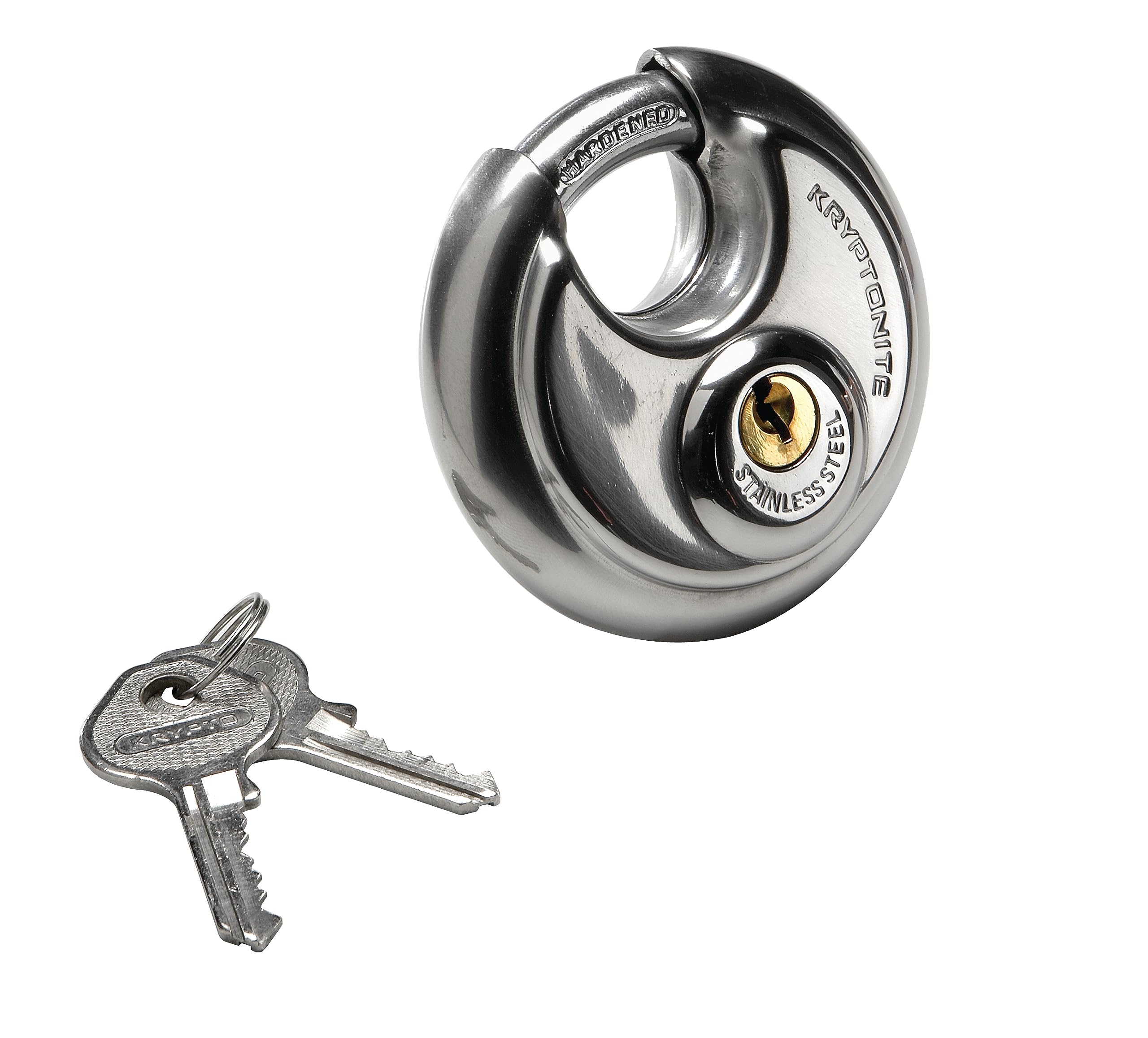
Replace vulnerable locks with models featuring robust security designs that resist improvised tools. Look for locks that include sidebars, anti-drill plates, complex keyways, and hardened steel pins. Brands like Abus, high-end Master Lock models, or Kryptonite offer superior protection for bike and cable locks.
- Sidebars prevent simple tube bypass techniques effectively.
- Hardened steel components resist drilling and cutting attacks.
- Complex keyways block insertion of standard household items.
Maintain Spare Keys and Codes
Keep a spare key in a secure location separate from the locked item. For combination locks, store the code digitally in a password manager or write it down in a safe place. Never rely solely on memory for critical access points to avoid future lockouts.
- Store spare keys in a fireproof safe or with a trusted neighbor.
- Use digital password managers for combination codes.
- Label keys clearly to identify their purpose quickly.
Frequently Asked Questions About Tubular Lock Bypass
Can all tubular locks be opened with a straw or pen?
No, only low-security models with simple pin mechanisms and no sidebar protection are vulnerable. High-security locks feature anti-pick pins and complex keyways that prevent improvised tools from working effectively.
What type of pen works best for opening these locks?
Ballpoint pens or highlighters with barrels slightly narrower than the lock keyway work best. The pen must fit snugly to apply adequate pressure while allowing enough room for the internal mechanism to rotate.
Is it legal to use these methods on my own locks?
Yes, it is completely legal to use these techniques on locks you own or have explicit permission to open. Laws generally prohibit using such methods on property you do not own or without authorization.
Why does the straw method fail on some locks?
Failure often occurs because the straw is too flimsy and collapses under pressure or the lock has a diameter that does not match standard straws. Some locks also have internal obstructions that prevent simple tube insertion.
How can I tell if my lock is high security?
High-security locks often have complex key cuts, visible sidebars, or branding indicating anti-drill and anti-pick features. If the key is a simple smooth tube and the lock costs very little, it is likely low security.
Key Takeaways for Opening Your Tubular Lock
You now understand that many tubular locks rely on simple designs that can be bypassed with a rigid straw or a well-fitted pen. By applying steady pressure and rotating at the correct angle, you can often regain access to your belongings without professional help.
Remember that these methods only work on low-security models and should never be used on property you do not own. Upgrade to locks with sidebars and hardened components if you need genuine protection for your valuable items.