You stare at your Sentry safe dial, knowing the code but failing to unlock the door because the sequence feels wrong. Thousands of users face this exact frustration when trying to figure out how to open a combination lock on a Sentry safe without causing damage.
This guide reveals the precise turning directions and rotation counts for Model 1250 and FP Series safes to ensure success. You will learn the exact steps to reset the dial, enter your numbers correctly, and troubleshoot common issues if the door remains stuck.
Exact Steps for Sentry Safe Model 1250
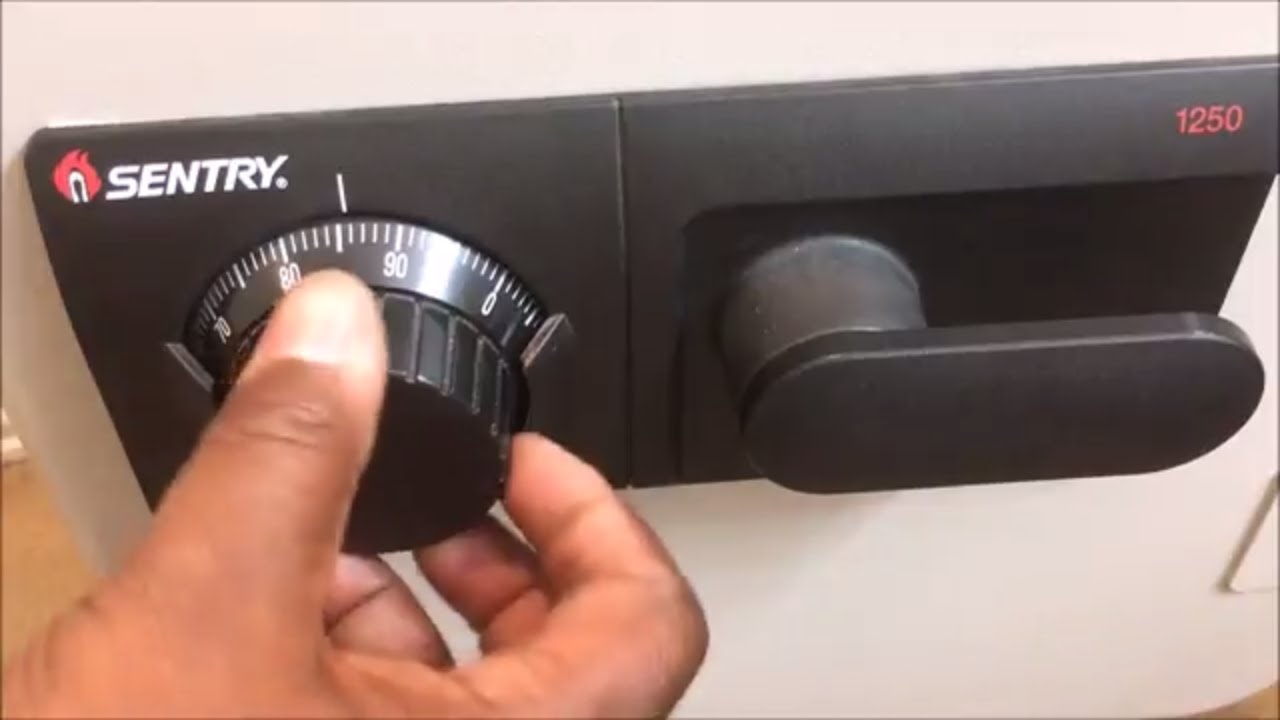
The Model 1250 uses a traditional three-number mechanical system that demands strict adherence to rotation counts. A single missed revolution or incorrect stop point will prevent the locking bolts from retracting.
First Number: Turn Left Past Once
Start with the dial positioned exactly at 0. Rotate the dial counterclockwise (left) and pass your first combination number one full time. Continue turning until you reach that same number again on the second approach and stop immediately.
- Turn left past the first number completely.
- Keep rotating left until the number aligns with the index mark again.
- Stop precisely on the second arrival at that number.
Imagine the dial as a clock face where you must go around the entire circle once before stopping on your target. Stopping too early or overshooting even slightly will break the internal alignment.
Second Number: Turn Right Past Twice
Rotate the dial clockwise (right) toward your second number. You must pass this number two full times before stopping on the third approach. This specific count is critical for engaging the correct internal tumblers.
- Pass the second number while turning right (first pass).
- Continue rotating right and pass the number again (second pass).
- Stop exactly when the dial hits the number for the third time.
Many users fail here by stopping on the second arrival instead of the third. Count your full rotations silently to ensure you do not lose track of the sequence.
Third Number: Turn Left Directly to Stop
Turn the dial counterclockwise (left) directly toward your third number. Unlike the previous steps, you must not pass this number at all. Stop the moment the index mark aligns with the third digit.
- Rotate left without completing a full circle.
- Halt immediately when the third number reaches the top mark.
- Pull the handle to retract the bolts and open the door.
Warning: If you overshoot the third number, you must restart the entire sequence from zero. Precision is the only way to open this specific lock type.
Precise Sequence for Sentry Safe FP Series

The FP Series follows a different logic pattern that requires more rotations on the first number. These safes often include an override key option but rely on a strict mechanical sequence for standard access.
Reset Dial to Zero Before Starting
Begin by turning the dial clockwise until it aligns perfectly with 0. This action clears any residual settings from previous attempts and prepares the internal mechanism for a fresh sequence.
- Rotate right until the zero mark is at the top.
- Ensure the dial stops exactly on the line, not between numbers.
- Verify the safe is closed firmly before proceeding.
Skipping this reset step is a frequent cause of failure, especially if someone else recently tried and failed to open the unit.
First Number: Turn Right Past Three Times
Turn the dial clockwise (right) and pass your first combination number three full times. You will stop on the fourth arrival at that specific number. This extra rotation adds a layer of security by making pattern guessing difficult.
- Pass the first number three complete times while turning right.
- Stop precisely on the fourth time the number aligns with the mark.
- Maintain steady pressure to avoid slipping past the target.
Users often confuse this with the Model 1250 rules. Remember that the FP Series requires three full passes before stopping.
Second Number: Turn Left Past Once
Rotate the dial counterclockwise (left) toward your second number. Pass this number one full time and stop when you reach it on the second approach. This differs significantly from the two-pass rule of the Model 1250.
- Turn left past the second number once completely.
- Continue rotating left until you hit the number again.
- Stop exactly on the second arrival.
This specific variation between models is why consulting your manual or this guide is essential before attempting to open your specific safe.
Third Number: Turn Right Directly to Stop
Turn the dial clockwise (right) directly to your third number. Do not pass it or complete a full rotation. Stop the instant the number aligns with the index mark and pull the handle.
- Rotate right without passing the third digit.
- Halt immediately upon alignment.
- Engage the handle to open the door.
Troubleshooting When the Safe Won’t Open
Even with the correct code, mechanical issues or user error can prevent access. Understanding these common failure points helps you diagnose the problem quickly.
Dial Spins Without Resistance
If the dial turns freely with no tension, the lock may already be disengaged or the mechanism is damaged. Check if the safe was recently opened, as the bolts might still be retracted.
- Close the door firmly and listen for a click.
- Scramble the dial by turning it several times to reset.
- Attempt the sequence again from the zero position.
Note: Never force the dial if it feels loose, as this could indicate internal damage requiring professional repair.
Handle Remains Stuck After Sequence
This issue usually means the combination entry was incorrect by even a single digit or rotation. Re-verify your direction changes and revolution counts against the model-specific rules.
- Confirm you started at zero every time.
- Check that you passed the numbers the correct number of times.
- Ensure you stopped exactly on the number, not slightly past it.
Writing down the sequence and speaking each step aloud can help eliminate counting errors during the process.
Forgotten or Changed Combination
Some FP models allow you to reset the code, but the Model 1250 does not support user changes. If you cannot recall the code, your options depend entirely on your specific model type.
- Model 1250: Contact Sentry Safe support or a licensed locksmith for assistance.
- FP Series: Check if your unit has an internal reset lever accessible after opening.
Do not attempt to disassemble the lock yourself, as this voids warranties and risks permanent damage.
Using the Override Key for Emergency Access
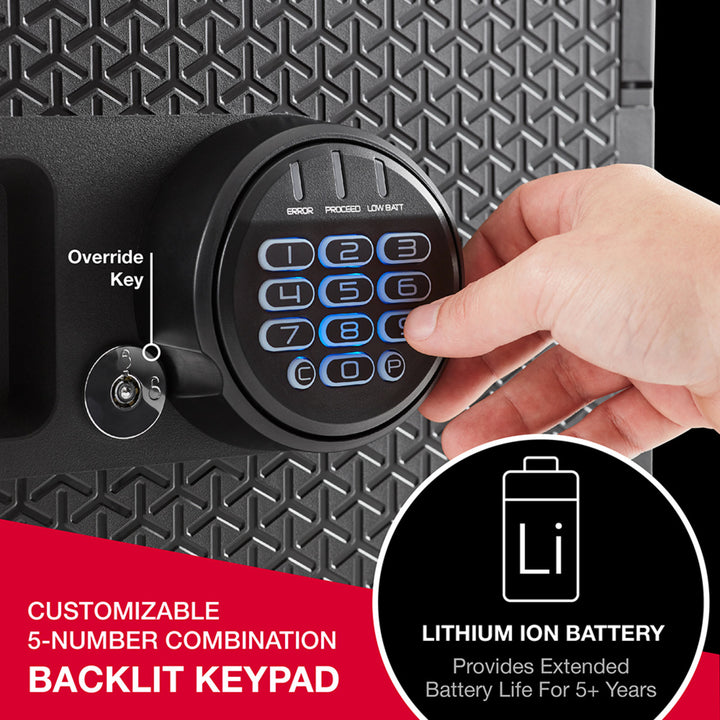
Certain FP Series safes include an override key to bypass the combination in emergencies. This feature provides a critical backup if the dial fails or the code is lost.
Insert and Rotate the Key
Locate the key cylinder, typically found below or beside the main dial. Insert the override key and turn it clockwise to the unlock position to retract the bolts.
- Insert the key fully into the cylinder.
- Turn clockwise gently until it stops.
- Pull the handle to open the door.
The key only works if the safe is not already locked via the key cylinder itself. If the key was used to lock the unit previously, it must be turned back to unlock.
What to Do If the Key Won’t Turn
Resistance when turning the key often indicates dust, corrosion, or misalignment. Try wiggling the key gently while applying slight turning pressure.
- Ensure you are using the correct override key.
- Avoid forcing the key, which can snap it inside the lock.
- Apply a small amount of graphite lubricant if the cylinder feels gritty.
Store this key in a secure location separate from the safe to prevent total lockout scenarios.
Properly Locking Your Sentry Safe

Securing your valuables requires more than just closing the door. Following the correct locking procedure ensures the bolts engage fully and the combination is scrambled.
Close Door and Scramble Dial
Push the door until it is flush with the frame and you hear a solid click. Immediately rotate the dial at least two full turns clockwise to randomize the internal tumblers.
- Ensure the door is completely shut before turning the dial.
- Rotate the dial right a minimum of two full revolutions.
- Verify the dial moves freely after scrambling.
This scrambling action prevents intruders from using “dial reading” techniques to guess your combination.
Verify Key Cylinder Position
For FP Series models with a key lock, ensure the key cylinder is set to the locked position. Failure to do so may leave the safe partially unsecured even if the dial is scrambled.
- Turn the key to the lock position if applicable.
- Remove the key if your model requires removal for locking.
- Test the handle to confirm the door is secure.
Common Mistakes That Prevent Opening
Users often make simple errors that block access despite knowing the correct numbers. Avoiding these pitfalls ensures smooth operation every time.
Miscounting Rotations
Confusing the number of passes is the most frequent error. The Model 1250 requires two passes for the second number, while the FP Series requires three for the first.
- Use your finger to count passes silently.
- Visualize the full 360-degree rotation for each pass.
- Double-check your model type before starting.
Turning in the Wrong Direction
Reversing the direction for any step breaks the sequence entirely. Left means counterclockwise, and right means clockwise.
- Memorize the direction pattern for your specific model.
- Pause briefly between direction changes to reset your hand position.
- Follow the guide strictly rather than guessing.
Stopping Between Numbers
The dial must align perfectly with the index mark. Stopping halfway between two numbers will not engage the locking mechanism.
- Turn the dial slowly as you approach the target number.
- Align the center of the number with the mark precisely.
- Restart if you overshoot, even by a small amount.
Maintenance Tips for Reliable Operation
Regular maintenance keeps your mechanical lock functioning smoothly for years. Simple habits can prevent seizing and ensure consistent performance.
Test the Combination Monthly
Operate the safe regularly to keep the internal components moving freely. This practice prevents dust accumulation and mechanical seizing due to inactivity.
- Open and close the safe once a week if possible.
- Listen for unusual grinding or clicking sounds.
- Address any stiffness in the dial immediately.
Keep the Dial Clean and Dry
Wipe the dial face with a dry, lint-free cloth to remove dust and oils. Avoid using liquid cleaners or oil-based lubricants, which attract dirt and damage internal parts.
- Use only dry methods for cleaning the exterior.
- Never spray liquids directly onto the dial.
- Store the safe in a dry environment to prevent rust.
Frequently Asked Questions About Sentry Safe Combinations
What should I do if I forget my Sentry Safe combination?
If you forget the code for a Model 1250, you must contact Sentry Safe support or a locksmith. For some FP Series models, you can use the override key to gain access and then reset the combination internally.
Can I change the combination on my Sentry Safe Model 1250?
No, the Model 1250 does not have a user-accessible reset feature. You must contact the manufacturer or a professional locksmith to change the combination on this specific model.
How many times do I need to pass the first number on an FP Series safe?
You must pass the first number three full times and stop on the fourth arrival. This specific count is unique to the FP Series and differs from other Sentry models.
Why does my safe dial spin freely without opening?
A freely spinning dial often means the safe is already unlocked or the bolts are retracted. Close the door firmly, scramble the dial, and attempt the sequence again from zero.
Is it safe to store my override key with the safe?
No, storing the override key with the safe defeats its purpose. Keep the key in a separate, secure location to ensure you can access your valuables if the combination is lost.
How do I know if I stopped on the number correctly?
The number must align exactly with the index mark at the top of the dial. If the mark points between two numbers, the lock will not engage, and you must restart the sequence.
Key Takeaways for Opening Your Sentry Safe
Successfully learning how to open a combination lock on a Sentry safe relies on precision and patience. Whether you own a Model 1250 or an FP Series, following the exact rotation counts and directions is the only way to ensure the bolts retract properly.
Remember to always reset your dial to zero before starting and to scramble it thoroughly after closing. Avoid forcing the mechanism, as these locks respond to accurate technique rather than strength.
Keep your override key in a secure, separate location and test your combination regularly. With these practices, your Sentry safe will provide reliable security for your valuables for years to come.