French doors bring elegance and light to your home, yet they remain a vulnerable entry point if you do not know how to lock French doors correctly. A simple turn of the handle often fails to engage the full security potential built into your hardware.
This guide teaches you to activate the complete five-point locking sequence for maximum protection. You will learn to verify dead bolt extension, troubleshoot common misalignments, and maintain your system against forced entry.
Engage the Handle to Start the Locking Sequence
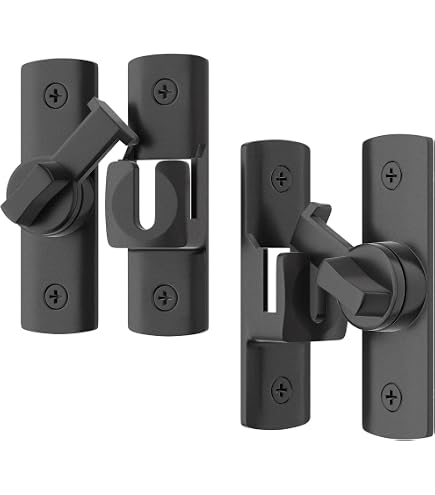
Properly securing your French doors begins with the handle mechanism. You must turn the handle fully downward to initiate the internal gears that drive the hooks and pins.
Turn the Handle Fully Downward
Rotate the handle until it reaches a full 90-degree angle pointing toward the floor. This action starts the mechanical process that moves the locking components into place.
* Ensure the motion is smooth and complete before reaching for your key.
* Stop immediately if you feel sudden resistance to avoid breaking internal pins.
Listen for Mechanical Engagement
Pay close attention to the sounds your door makes as you turn the handle. A distinct click or solid thud confirms that the internal bolts are moving into their strike plates.
* A weak or muffled sound often indicates the mechanism is not fully engaging.
* Check the gap between the door and frame to ensure it closes tightly during this step.
Activate the Primary Dead Bolt
Once the handle is down, the next critical step involves the key cylinder. This action throws the main dead bolt, which serves as the strongest barrier against intrusion.
Insert and Rotate the Key Upward
Insert your key into the cylinder and turn it upward, usually toward the top of the door frame. This rotation pushes the central dead bolt outward into the opposing door panel.
* The bolt should extend over one inch into the receiving door for maximum strength.
* Never force the key if it feels stuck, as this may signal misalignment.
Verify Full Bolt Extension
Visually inspect the meeting point of the two doors to confirm the bolt has protruded completely. Any gap between the bolt face and the strike plate means your door is not secure.
* Use a flashlight to check the edge if lighting is poor.
* A partially extended bolt can be easily bypassed with minimal force.
Confirm Top and Bottom Hook Engagement
A secure French door relies on more than just the center bolt. You must verify that the top and bottom hooks have extended into the frame to prevent lifting or prying.
Check the Header Lock Connection
The top hook travels upward into the door header when the system is active. Look closely at the top corner of the door frame to ensure no gap remains.
* A visible gap indicates the hook has not reached its destination.
* Warping or settling often causes this specific type of engagement failure.
Inspect the Threshold Lock Connection
Crouch down to examine the bottom of the door where the lower hook enters the threshold. This hook prevents intruders from lifting the door off its hinges.
* Watch for the hook to drive firmly into the floor plate or sill.
* Lift the door slightly while turning the key if the hook struggles to engage.
Understand the Five-Point Locking Sequence

Knowing how to lock French doors effectively requires understanding the five distinct points that secure your entryway. These points work in unison to clamp the door tightly within its frame.
Breakdown of the Five Security Points
The system creates a robust barrier through a specific sequence of mechanical actions. Each point plays a unique role in stabilizing the door structure.
* Center Point: The dead bolt locks the two door panels together.
* Top Hook: Secures the door into the upper frame header.
* Bottom Hook: Anchors the door into the threshold or floor.
* Top Pin: Retracts to allow opening and extends to prevent lifting.
* Bottom Pin: Retracts for operation and extends to block vertical movement.
Recognize Full System Activation
When all five points are active, the door should feel completely immovable in your hands. There should be no rattle, wiggle, or lateral movement when you test the handle.
* The handle will stay firmly in the down position without springing back.
* Any looseness suggests one of the five points is failing to engage properly.
Troubleshoot Common Locking Problems
Even well-made systems can encounter issues over time. Identifying the root cause quickly helps you restore security without needing immediate professional repair.
Handle Turns But Lock Fails to Engage
If the handle spins freely without moving the bolts, the linkage between the handle and the mechanism is likely disconnected.
* Remove the handle set to inspect the spindle for wear.
* Reconnect loose parts or replace broken components as needed.
Key Won’t Turn After Handle Engagement
Resistance when turning the key often points to misalignment or debris within the cylinder.
* Apply dry graphite spray to lubricate the internal components.
* Adjust the strike plate if the bolt is hitting the metal edge.
Hooks Do Not Reach the Frame
Sagging doors or shifting frames often prevent the top and bottom hooks from reaching their targets.
* Tighten loose hinge screws or install longer three-inch screws.
* Consider adding a surface bolt if the sagging persists despite adjustments.
Perform Regular Maintenance for Reliability
Consistent upkeep ensures your locking mechanism remains smooth and secure throughout the seasons. Neglecting maintenance can lead to costly repairs or security failures.
Clean Lock Components Monthly
Dust and grime accumulate in the tracks and keyways, potentially jamming the mechanism.
* Wipe the dead bolt and hooks with a dry cloth to remove buildup.
* Use compressed air to clear debris from deep recesses in the frame.
Lubricate Every Three to Six Months
Proper lubrication keeps the moving parts functioning smoothly without attracting more dirt.
* Apply dry graphite lubricant directly into the keyhole and bolt openings.
* Avoid oil-based products like WD-40 which trap dust and gum up the works.
Inspect Alignment Twice a Year
Seasonal temperature changes cause wood to expand and contract, altering door alignment.
* Check for even gaps around the entire door frame.
* Adjust hinges immediately if the door begins to drag or stick.
Upgrade for Enhanced Security
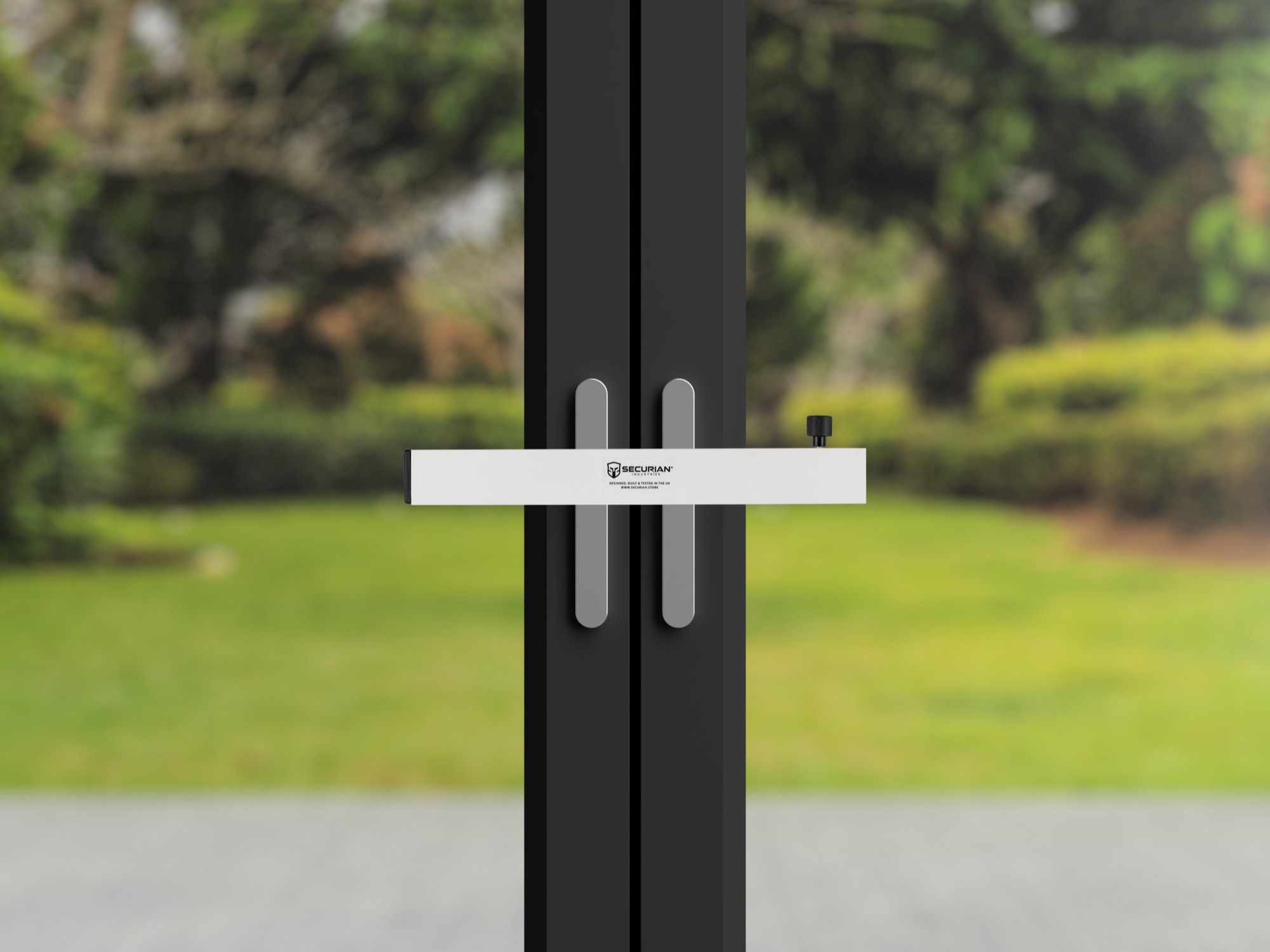
While the standard five-point system is strong, additional measures can provide extra peace of mind for high-risk areas.
Install a Secondary Lock
Adding a supplementary locking device creates another barrier for potential intruders to bypass.
* Surface-mounted deadbolts offer an easy installation process.
* Security bars brace against the floor to prevent forced entry entirely.
Consider Smart Lock Options
Modern technology allows you to monitor and control your French doors remotely.
* Select smart locks designed specifically for double-door configurations.
* Look for features like auto-lock timers and tamper alerts.
Test Your Locking Routine Weekly
Regular testing ensures your locking habits remain effective and your hardware functions as intended.
Simulate a Break-In Attempt
Once a week, lock your doors and attempt to wiggle them at the center seam. Pull upward on the handle to test for any lifting movement.
* Shine a bright light along the edges to spot any gaps.
* Any movement indicates the lock is not fully effective.
Use the Two-Step Rule
Always follow the correct sequence: turn the handle down first, then turn the key up. Skipping either step leaves your home vulnerable.
* Make this sequence a consistent habit for every locking event.
* Teach all household members the proper two-step procedure.
Prevent Common Mistakes
Avoiding simple errors can extend the life of your hardware and ensure your home stays secure.
Forcing the Lock Mechanism
Never force the key or handle if they meet resistance. This habit bends bolts and breaks internal springs.
* Stop and investigate the cause of resistance immediately.
* Realign components rather than applying more pressure.
Leaving Doors Partially Closed
A door that looks closed may not have its latches engaged. Always pull the door shut firmly before locking.
* Confirm all latches have caught before turning the key.
* Check that the weather stripping is compressed evenly.
Ignoring Weather-Related Changes
Wooden doors swell in humidity while metal frames contract in cold weather.
* Monitor your door performance during extreme weather shifts.
* Adjust hardware seasonally to maintain a tight fit.
Frequently Asked Questions About Locking French Doors
How do I know if my French door has a five-point lock?
Check for hooks that extend into the top header and bottom threshold when you turn the handle. A true five-point system secures the center, top, bottom, and includes retractable pins at both ends.
What should I do if the key won’t turn after lowering the handle?
Do not force the key. Apply dry graphite lubricant to the cylinder and try again. If it still resists, the strike plate may be misaligned or the bolt could be bent.
Can I add a security bar to a French door with a five-point lock?
Yes, security bars work well alongside five-point systems. They provide an additional physical barrier that braces against the floor to prevent forced entry.
How often should I lubricate my French door locks?
You should lubricate the mechanism every three to six months. Use dry graphite spray rather than oil to prevent dust accumulation inside the lock.
Why does my French door still rattle when locked?
Rattling usually means the hooks or pins are not fully engaging. Check for door sagging, loose hinges, or debris blocking the lock path.
Key Takeaways for Securing Your French Doors
Mastering how to lock French doors ensures your home remains safe from intruders and weather damage. Always engage the handle fully before turning the key to activate all five locking points effectively.
Regular maintenance and weekly testing keep your hardware in peak condition. Take action today by inspecting your door alignment and lubricating the mechanism to guarantee long-term security.