Is your closet vulnerable to curious kids, roommates, or intruders? Many closets, especially sliding or bifold models, lack built-in locks and leave personal items exposed. Whether you need to secure valuables or protect privacy, knowing how to lock a closet is a practical skill for homeowners and renters.
This guide delivers a complete roadmap to closet security based on your specific door type. You will learn which lock types work best for sliding and hinged doors, how to install a push lock correctly, and what products offer real value. From no-drill portable guards to permanent commercial solutions, you will find actionable steps to lock your closet securely.
Choose the Right Lock Type for Your Door
Not all closets are the same, and neither are their locking needs. The best method depends on your door design, whether you can drill holes, and how much security you require.
Match Lock to Door Design
Sliding and bifold doors dominate modern closets but offer limited locking points. Standard hinged doors allow for full hardware replacement. Use this quick reference to guide your choice:
- Sliding doors: Use push locks, track guards, or flip locks.
- Bifold doors: Install center-mounted hasps or overlapping panel locks.
- Hinged doors: Replace knobs with privacy sets or add keyless hasps.
Each solution varies in security level, installation effort, and cost. Understanding your door type is the first step in choosing a reliable lock.
Prioritize Security vs. Privacy
Many closet locks are privacy-focused rather than theft-proof. A flip lock or portable bar may deter casual access but will not stop a determined intruder. For real security, follow these guidelines:
- Use push locks or keyed locksets for permanent protection.
- Opt for metal construction like aluminum or steel over plastic.
- Avoid adhesive-based locks as they fail under pressure.
If you are protecting jewelry or important documents, upgrade beyond basic latches.
Install a Push Lock on a Sliding Door

A push lock is one of the most effective ways to lock a sliding closet door without altering its function. It is discreet, strong, and operates with a simple push-and-turn motion.
Mark the Center Point
Begin by locating the exact center of the sliding door. This ensures balanced force distribution and prevents warping. Use a measuring tape and pencil to mark the spot where the lock cylinder will pass through.
Open the lock cylinder assembly and hold it against the door to verify alignment. A misaligned lock can bind or fail to engage properly.
Drill the Cylinder Hole
Use a spade bit or hole saw that matches the cylinder diameter exactly. Drill a series of overlapping holes to form the slot, then file the edges smooth. Rough edges can catch and damage the mechanism over time.
For solid wood doors, apply steady pressure. For hollow-core or MDF, go slow to avoid splintering the material.
Pro Tip: Test the fit with the cylinder before final installation. It should slide through snugly but without force.
Prepare and Mount the Lock
Drill pilot holes slightly smaller than the screws provided. This prevents wood splitting and ensures a tight hold. Use only top and bottom screws if the model allows. This two-screw method reduces stress on the door while maintaining strength.
When mounting, leave a small gap of about 1/16 inch between the lock body and door surface. This clearance lets the door slide freely without rubbing against the frame.
Tighten screws straight because angle drilling risks stripping the hole or damaging the lock.
Test the Mechanism
Close the door and turn the cylinder. It should extend into the frame or adjacent panel to block movement. If the door binds, check for excessive friction at the gap.
- Sand down any high spots on the cylinder.
- Realign the strike point in the jamb if needed.
Once set, your sliding closet is now secure with a clean, invisible lock.
Use No-Drill Sliding Door Guards

If you rent or cannot modify your door, a sliding door lock guard is the best alternative. These metal brackets block the track, preventing the door from being opened more than an inch.
Install the HonestMatter Lock Guard
This heavy-duty aluminum guard fits most sliding and bifold doors. It requires no tools or drilling for installation.
- Slide the door open about 2 inches.
- Place the L-shaped bar into the track with the vertical arm against the moving panel.
- Push the base flush with the wall to anchor it in place.
The door cannot slide past the bar, effectively locking it closed. Ensure the guard sits flat and does not wobble. If the track is uneven, adjust the position until it locks solidly.
This method is ideal for pantries, laundry rooms, or childproofing. It is removable in seconds, making it perfect for temporary use.
Try a Flip-Style Barn Door Lock
Another no-drill option is the flip lock, which mounts on the wall or frame. When flipped 90° or 180°, a metal rod slides into a catch plate on the door.
- Installation: Screw the base plate to the wall and the strike plate to the door edge.
- Clearance: Ensure the door can swing or slide enough to engage the lock.
- Security Level: Medium. It resists casual opening but can be forced.
This solution is best for bedrooms, bathrooms, or guest closets where privacy matters more than high security.
Add a Keyless Combination Hasp

For code-based access without keys, a 3-digit combination hasp offers convenience and decent protection.
Mount the Hasp on a Hinged Closet
- Position the hasp on the door edge so it aligns with the strike plate on the frame.
- Drill pilot holes and secure with screws.
- Set your preferred 3-digit code following the manufacturer instructions.
These locks are weather-resistant, making them suitable for garage closets or garden sheds. Avoid simple codes like “000” or “123” and choose a sequence that is easy for you but hard to guess.
They are especially useful for shared spaces where multiple people need access but keys could be lost.
Secure with Portable Travel Locks
When you are on the road, a portable lock can turn any closet or door into a secure zone.
Use the Protg Black Travel Safety Lock
This compact steel plate fits over the closet latch and door frame, acting as a secondary barrier.
- Open the closet slightly.
- Hook the curved end over the door edge.
- Press the flat plate against the frame to lock it in place.
It is lightweight, includes a storage pouch, and works on most standard doors. This tool is best for hotel rooms, dorm closets, or temporary housing where drilling is not allowed. While not burglar-proof, it provides peace of mind and deters unauthorized access.
Consider the Brinks Adjustable Lock
This device expands horizontally to brace against the frame and door. It is adjustable for different gaps and requires no installation.
- Pros: Fits various door types with sturdy construction.
- Cons: Takes up more space than the Protg model.
Use it when you need a universal, reusable solution for multiple closet types.
Upgrade to a Privacy Knob or Lever
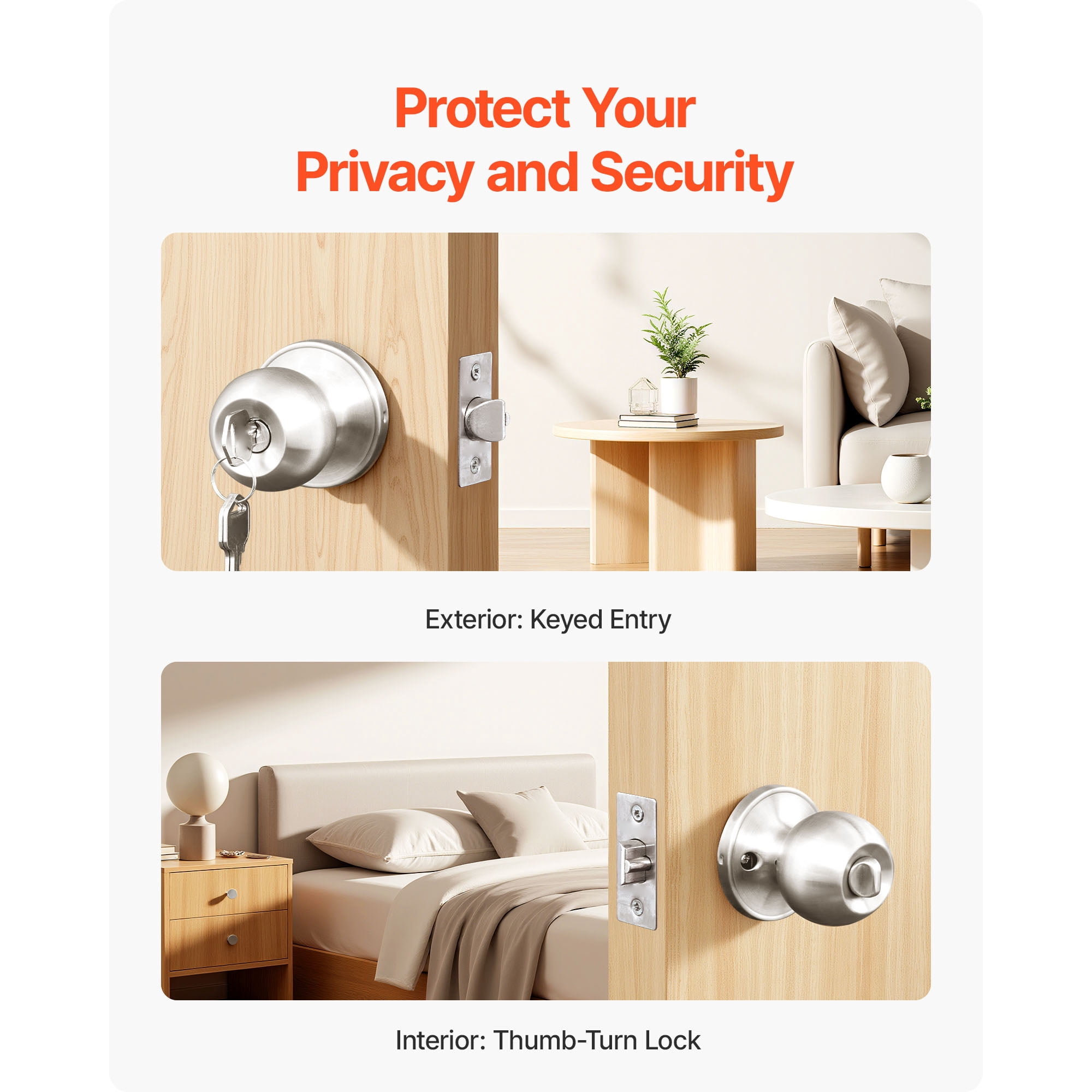
For hinged closet doors in bedrooms or bathrooms, replacing the knob with a privacy lockset is a permanent fix.
Install a Thumb-Turn Privacy Handle
Models like the KFFKFF 6-Pack offer a keyless exterior and interior thumb turn. No keys mean no lockouts.
- Remove the existing knob using a screwdriver or Allen wrench.
- Align the new lock with the existing bore hole, typically 2 1/8 inches.
- Insert the latch mechanism and secure the interior and exterior plates.
- Test the thumb turn to ensure it locks smoothly with a quarter-turn.
Backset Check: Measure from the door edge to the center of the hole. Most residential doors use 2 3/8 inches.
These knobs are ideal for personal spaces where privacy is the goal, not high security.
Choose a Passage Lever with Locking Add-On
The J Series Passage Lever does not lock by default but can be paired with a surface-mounted lock or hasp. It offers a sleek chrome finish that blends with modern decor. This flexibility allows you to add a lock later if needed. It is best for hall closets or utility rooms where locking is not always necessary.
Opt for Commercial-Grade Locksets
In high-traffic areas like offices, schools, or shared apartments, only a Grade 2 commercial lockset delivers real durability and control.
Install the Lawrence Cylindrical Lockset
This heavy-duty option supports keyed-alike functionality, allowing one key to open multiple closets. It features a reinforced latch, anti-pick cylinder, and corrosion-resistant finish.
- Installation: Requires professional tools and expertise. It is not a DIY-first choice.
- Cost: Ranges from $80 to $97 per unit.
Use this in environments where multiple users need access, vandalism is a concern, or master key systems are in place. It is overkill for home closets but essential for institutional settings.
Avoid Common Installation Mistakes
Even the best lock fails if installed poorly. Steer clear of these frequent errors to ensure your closet remains secure.
Drilling the Wrong Hole Size
- Cylinder hole too small: The lock will not fit.
- Too large: Causes wobbling and weakens the lock.
- Solution: Match the drill bit exactly to the cylinder diameter.
Skipping Pilot Holes
Driving screws into solid wood without pilot holes risks splitting the door. Always drill a slightly smaller hole first to guide the screw.
Ignoring Clearance Gaps
A push lock that touches the door surface will bind. Leave a 1/16-inch gap between the lock body and door to allow free movement.
Misaligning the Strike Point
If the cylinder does not align with the strike hole in the jamb, the lock will not engage. Test repeatedly during installation and adjust as needed.
Maintain Your Closet Lock
A well-maintained lock lasts longer and works better over time.
Clean and Lubricate Regularly
- Wipe down metal components monthly to prevent dust buildup.
- Apply dry graphite lubricant to the cylinder every 6 months. Never use oil, which attracts dirt.
Check for Wear and Tear
Inspect screws, strike plates, and moving parts annually. Tighten loose hardware and replace cracked or bent components immediately.
Store Portable Locks Properly
Keep travel locks in their pouches and away from moisture. Corrosion weakens steel and reduces effectiveness when you need it most.
Final Recommendations by Use Case
Renters and Travelers: Go Portable
Use the Protg Travel Lock or Brinks Adjustable Lock. These require no installation, cause no damage, and provide instant security.
DIY Homeowners with Sliding Doors: Use a Push Lock
Install a push lock for a clean, permanent solution. It is discreet and strong, making it ideal for master closets or valuables.
Families Needing Childproofing: Try a Track Guard
The HonestMatter Sliding Door Lock is affordable, tool-free, and effective for keeping kids out of cleaning supplies or fragile items.
Offices and Schools: Invest in Commercial Locksets
The Lawrence Cylindrical Lockset offers durability, key control, and long-term reliability in high-use environments.
Privacy Seekers: Upgrade to a Thumb-Turn Knob
Replace old knobs with KFFKFF Privacy Handles for simple, keyless locking in bedrooms or bathrooms.
Final Note: Whether you are blocking a sliding door with a $5 guard or installing a $90 commercial lockset, the right method depends on your needs, door type, and budget. Focus on metal construction, proper installation, and maintenance to ensure long-term security. With the right lock, your closet stays private, protected, and problem-free.
Frequently Asked Questions About How to Lock a Closet
What is the best way to lock a sliding closet door without drilling?
The most effective no-drill solution is a track guard like the HonestMatter Sliding Door Lock. You simply place the metal bar in the track behind the open door panel to block movement. This method requires no tools and leaves no marks on your rental property.
Can I install a push lock on a hollow-core closet door?
Yes, but you must proceed with caution to avoid splintering the material. Use a sharp drill bit and apply slow, steady pressure when creating the cylinder hole. It is also critical to drill pilot holes slightly smaller than your screws to prevent the wood from splitting.
How do I choose between a privacy knob and a keyed lockset?
Choose a privacy knob with a thumb turn for bedrooms or bathrooms where you need to prevent accidental entry. Select a keyed lockset like the Lawrence Cylindrical Lockset for high-traffic areas or when you need to restrict access to specific individuals with a key.
Are portable travel locks secure enough for valuables?
Portable locks like the Protg or Brinks models act as strong deterrents for casual access but are not burglar-proof. They are excellent for hotel rooms or dorms to prevent unauthorized entry, but they should not be relied upon for high-security storage of expensive items.
What maintenance does a closet lock require?
You should wipe down metal components monthly to remove dust and apply dry graphite lubricant to the cylinder every six months. Avoid using oil-based lubricants as they attract dirt and can cause the mechanism to jam over time.
How much clearance do I need when installing a push lock?
You must leave a small gap of approximately 1/16 inch between the lock body and the door surface. This clearance is mandatory for sliding mechanisms to ensure the door moves freely without binding against the frame or the lock itself.
Key Takeaways for Securing Your Closet
Securing your closet starts with identifying your door type and selecting the appropriate hardware. Sliding doors benefit most from push locks or track guards, while hinged doors can be upgraded with privacy knobs or commercial locksets. Proper installation, including correct hole sizing and clearance gaps, ensures your chosen method functions smoothly.
Regular maintenance extends the life of your lock and keeps it reliable. Whether you choose a temporary travel lock or a permanent commercial solution, taking action now protects your privacy and valuables. Assess your specific needs today and install the right lock to secure your space.