You love your sleek kitchen cabinets or stylish bathroom vanities, but you also need to keep certain items secure. Whether protecting cleaning supplies from kids or securing valuables in a rental, knowing how to lock a cabinet effectively without drawing attention is essential.
Most traditional locks look bulky or industrial, yet you do not have to sacrifice style for safety. This guide reveals low-profile hardware choices and hidden mechanisms that blend security into your design so no one notices the lock.
Select a Slim and Stylish Padlock Design
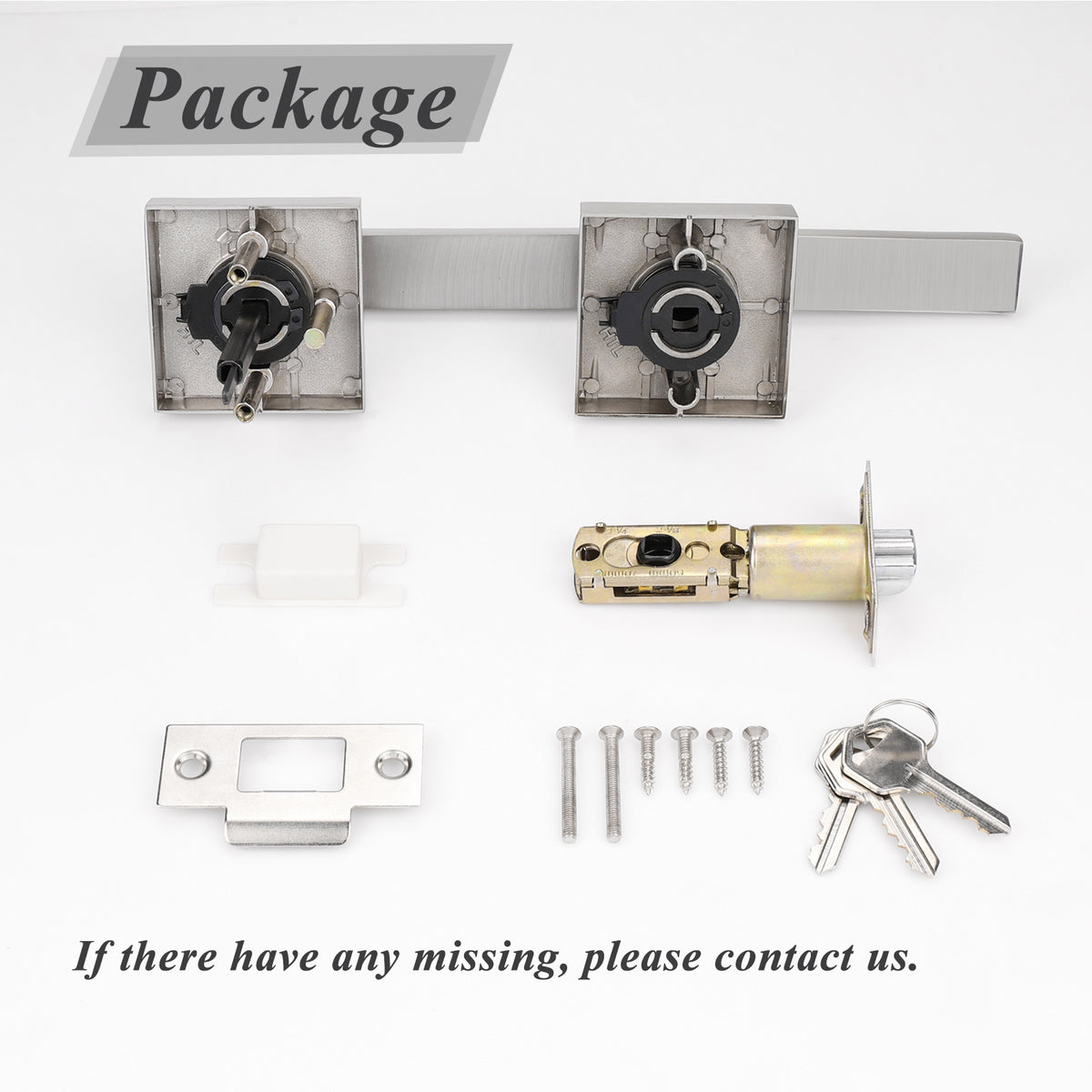
A well-chosen padlock can be both secure and subtle if you select one designed to blend in. The key is avoiding large industrial models in favor of compact bodies that sit flat against the cabinet surface.
Choose Low-Profile Finishes
Look for slim padlocks with short shrouds that take up minimal space. Avoid bright yellow construction locks and instead opt for finishes that match your home decor:
* Brushed nickel
* Matte black
* Stainless steel
* Oil-rubbed bronze
These finishes match common cabinet hardware and help the lock disappear into the overall design scheme.
Match the Lock to Your Room Aesthetic
If your kitchen features modern chrome pulls, select a chrome-finish padlock. A rustic bathroom pairs better with a small antique brass padlock that looks intentional rather than intrusive.
Pro Tip: Test the lock in place before final installation. Close the door and view it from multiple angles to ensure it does not catch the eye.
Hide the Lock Behind an Internal Loop

Sometimes the best way to secure a cabinet is to make the locking mechanism nearly invisible to the naked eye. A hidden loop system achieves this by moving the lock point to the interior.
Install a Concealed Loop Inside the Door
Mount a small metal loop or hasp on the inside edge of the cabinet door and the facing frame. When the door closes, the loop aligns to allow a padlock to secure it from within the cabinet.
* Use a short-shackle padlock that fits snugly inside the space.
* Position the loop so the lock sits flush without interfering with closure.
* Choose loops designed specifically for furniture to maintain a low profile.
This setup keeps the padlock hidden when the cabinet is closed, maintaining clean exterior lines for your room.
Utilize Flip-Up or Magnetic Loops
For even more discretion, consider a flip-up hasp or magnetic catch that only reveals the locking point when needed. These are commonly used in high-end furniture and can be retrofitted into existing cabinets with minor drilling.
Warning: Ensure the loop and lock do not scratch the cabinet interior. Use rubber-lined loops or add felt padding where metal contacts wood.
Integrate Security Directly Into the Handle

Why add a separate lock when your cabinet handle can function as the lock itself? This approach eliminates external hardware entirely.
Replace Standard Handles With Lockable Versions
Modern lockable handles combine function and form, which is especially useful in rentals or shared homes.
* Lockable pull handles: Feature a small hole where a padlock shackle fits through to block movement.
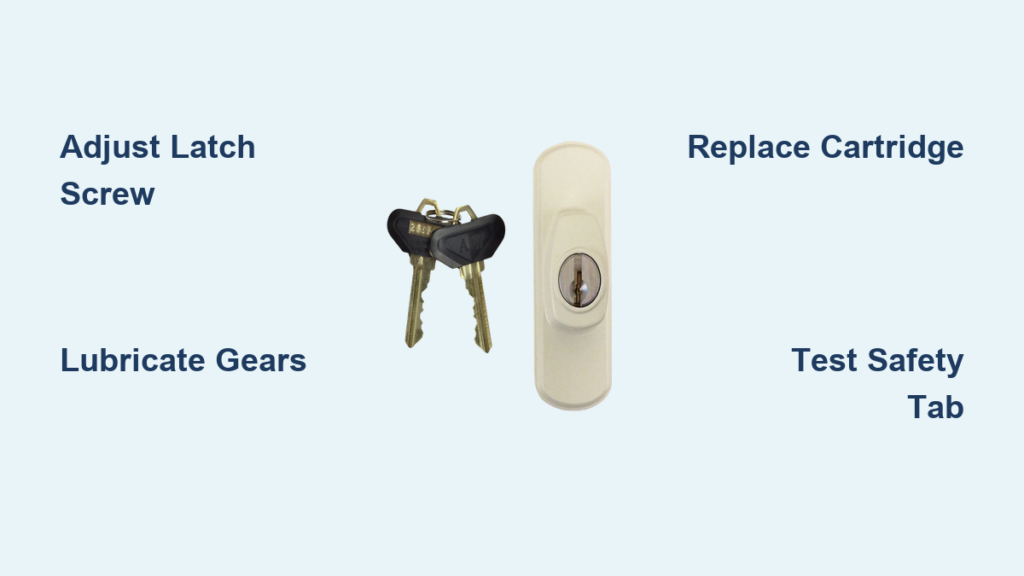
* Turn-key locking knobs: Lock when twisted and can only be opened with a specific key.
* Magnetic lock pins: Hidden inside the knob and activated with a key or magnet.
These options eliminate the need for external locks since security is built right into the hardware.
Install Dual-Purpose Pulls
Some decorative cabinet pulls come with a built-in locking slot. When you insert the padlock, it blocks the handle from moving and prevents the door from opening. These are ideal for drawers or sliding cabinets where space is tight.
Pro Tip: Measure your existing handle’s screw holes before buying a replacement. Many lockable handles use standard spacing for easy swap-outs.
Cover Visible Padlocks With Decorative Shields
If you must use a visible padlock, do not let it ruin your décor. You can camouflage the mechanism with a custom cover.
Mount a Padlock With a Surface Bracket
Attach a small metal bracket to the cabinet door and frame to hold the padlock securely. This ensures the lock aligns properly every time you engage it.
* Use stainless steel or brass brackets to match your existing hardware.
* Position the bracket so the lock does not hang loosely or rattle.
This method adds durability and ensures consistent alignment for daily use.
Add a Custom Lock Cover
Create or purchase a lock cover made of wood, metal, or 3D-printed material that matches your cabinetry. Cut a small wooden block to size and hollow out a space for the padlock, then paint or stain it to match.
Example: In a farmhouse kitchen, a lock covered with a mini barn-door-style wood shield can look charming rather than clunky.
Disguise the Lock as a Fake Knob
Trick the eye by making the lock look like part of the décor. This method works well for glass-front cabinets or built-in entertainment units.
Install a False Handle With Hidden Lock
Use a hollow decorative knob that conceals a padlock inside. The knob appears functional but actually serves as a lock housing.
* Drill a small hole in the back of the knob to thread the padlock shackle.
* Mount the knob so the shackle connects to a loop on the cabinet frame.
* Ensure the locked knob cannot be turned or removed.
Use a Dummy Pull With Lock Integration
Dummy pulls are often used for visual symmetry, but you can turn one into a security feature. Route the padlock through a solid metal or wood pull aligned with a strike plate on the adjacent cabinet.
Warning: Ensure the fake handle is mounted securely. A loose or wobbly knob can make the lock fail under pressure.
Use Flush-Mount Combination or Key Locks

For a truly seamless look, skip the padlock entirely and install a lock that sits flush with the surface.
Install a Hidden Key Lock
Small barrel key locks or cam locks can be embedded directly into the cabinet door or frame. Drill a small hole and insert the lock so the exterior shows only a tiny keyhole. The interior cam arm blocks the door from opening when locked.
Choose a Combination Lock for Key-Free Access
Mini dial or digital combination locks mount flush and require no keys. These are ideal for rentals since there is no need to rekey between guests.
* Use 3- or 4-digit models with resettable codes.
* Some models fit inside drawer pulls or under cabinet edges.
Pro Tip: Avoid cheap combination locks with weak dials. Look for brass or zinc models with smooth turning and clear numbering.
Match Finishes to Existing Hardware Exactly
Even the smallest visual mismatch can make a lock stand out awkwardly against your cabinets.
Coordinate Metal Tones Precisely
Do not just get close with finishes. A satin nickel lock on polished chrome hardware will look wrong.
* Chrome: Use chrome or stainless steel locks.
* Brushed Nickel: Use brushed nickel locks.
* Matte Black: Use matte black locks.
* Brass: Use antique or polished brass locks.
When in doubt, bring a hardware sample to the store or order lock samples online to verify the match.
Paint or Coat the Lock
For a perfect match, spray-paint the padlock body with a matching metallic paint. Disassemble the lock first to remove the shackle and internal parts, then use high-adhesion spray paint designed for metal.
Warning: Never paint the internal mechanism. This can cause rust or jamming and ruin the lock.
Keep Security Stylish and Functional
The best cabinet lock is one that works well and looks like it belongs in your home. A lock that is too fiddly will be avoided, defeating the purpose of installation.
Prioritize Guest Experience in Rentals
In Airbnb, VRBO, or shared housing, security should never feel like suspicion. Use locks that look intentional rather than prison-like. Consider rental-friendly options like removable hasps or smart padlocks with temporary codes for cleaners.
Avoid Common Mistakes
- Using oversized or brightly colored locks.
- Installing locks that scratch or damage doors.
- Choosing locks that require tools to remove unless necessary.
- Forgetting to test alignment, which causes frustration.
Frequently Asked Questions About Locking Cabinets
How do I lock a cabinet without drilling holes?
You can use adhesive-backed hasps or tension-based locks that fit inside the cabinet frame. Another option is replacing existing handles with lockable versions that use the same screw holes.
What is the best lock finish for a modern kitchen?
Stainless steel or matte black finishes work best for modern kitchens. These finishes match contemporary hardware and provide a sleek, unobtrusive look.
Can I use a padlock on a rental property cabinet?
Yes, provided you use non-destructive methods like internal loops or handle replacements. Always prioritize options that can be easily removed or rekeyed between tenants.
How do I hide a padlock on a glass cabinet?
Install a false decorative knob that conceals the padlock inside. Alternatively, use a flush-mount combination lock that sits discreetly on the frame edge.
Are combination locks secure enough for cabinets?
Yes, for deterring casual access or child safety. However, choose high-quality brass or zinc models with smooth dials rather than cheap plastic versions.
Key Takeaways for Learning How to Lock a Cabinet
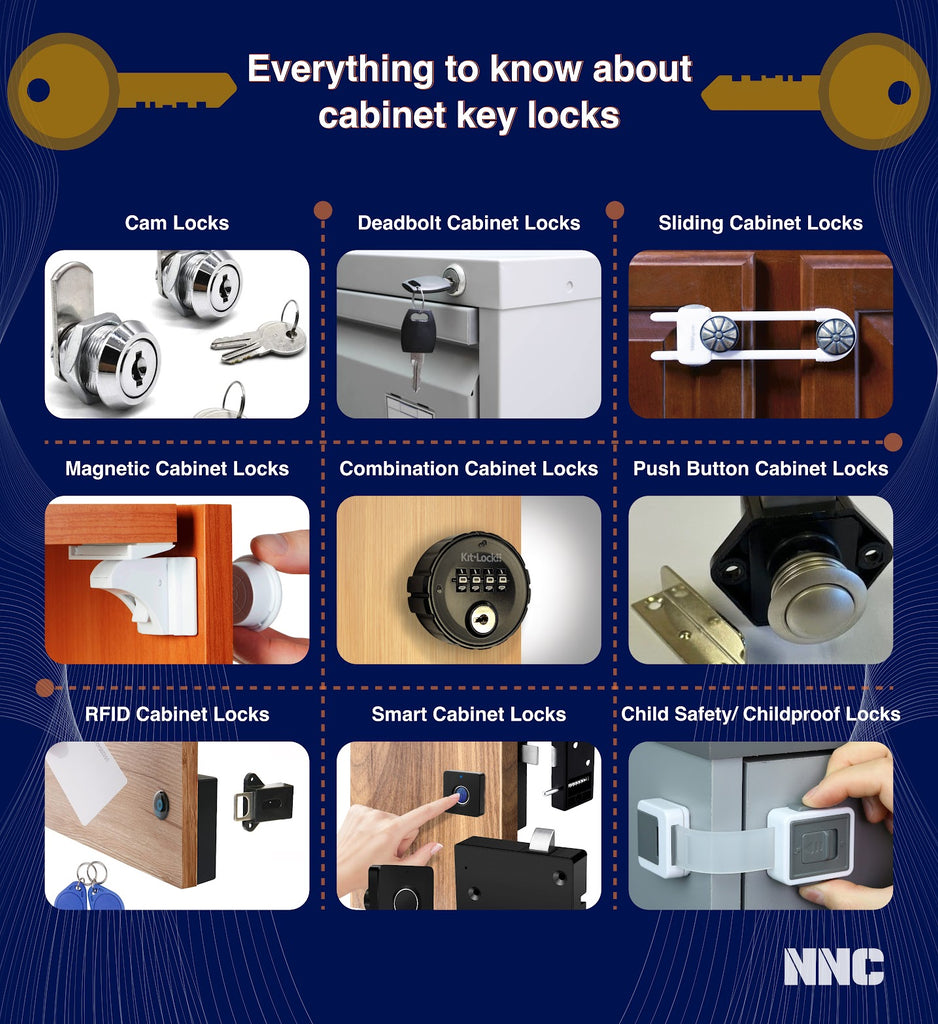
Securing your cabinets does not require sacrificing your home’s aesthetic appeal. By choosing minimalist hardware, integrating locks into handles, or using concealed loops, you can protect your items discreetly. Matching finishes and testing functionality ensures the solution remains practical for daily use.
Start with one cabinet to test your chosen method before scaling to other areas. Whether you are childproofing or managing a rental property, these strategies prove that security and style can coexist seamlessly.