A screen door that won’t lock is a major security risk that leaves your home vulnerable to intruders and pests. You might think the door is secure, yet a gentle push opens it because the latch fails to engage fully with the strike plate.
This guide teaches you exactly how to fix screen door lock issues by diagnosing stuck latches or broken handle springs. You will learn simple repair techniques using basic tools to restore full function without replacing the entire door.
Diagnose Why Your Screen Door Lock Fails

Identifying the specific failure mode saves time before you start any repairs. Most screen door lock problems fall into two distinct categories: the latch will not engage, or the handle will not return to its upright position.
Test Latch Engagement Depth
A door that looks closed but opens easily usually suffers from a latch that cannot extend fully into the frame.
How to test:
* Open the door and locate the main bottom latch and the smaller top auxiliary latch.
* Press the top latch manually to ensure it extends completely.
* Close the door slowly while watching the bottom latch enter the strike plate.
* Note if the latch stops halfway or requires excessive force to close.
If the latch only extends 50 percent, the lock provides zero security. This issue typically stems from paint buildup, wood debris, or a cavity cut too shallow during installation.
Check Handle Spring Return
A handle that stays depressed after you let go indicates a broken internal spring mechanism.
How to test:
* Turn the handle down and release it quickly.
* Observe if it snaps back to the horizontal position automatically.
* Remove the handle assembly if the return action feels sluggish or nonexistent.
Most mechanisms use two internal springs, one on each side. If either spring snaps, the return action fails. Often, both springs break simultaneously due to metal fatigue.
Clear Strike Plate Obstructions Blocking the Latch
When the latch refuses to go all the way in, the strike plate recess is likely too shallow or blocked by debris. This is the most common reason a screen door lock fails to secure properly.
Measure Strike Plate Cavity Depth
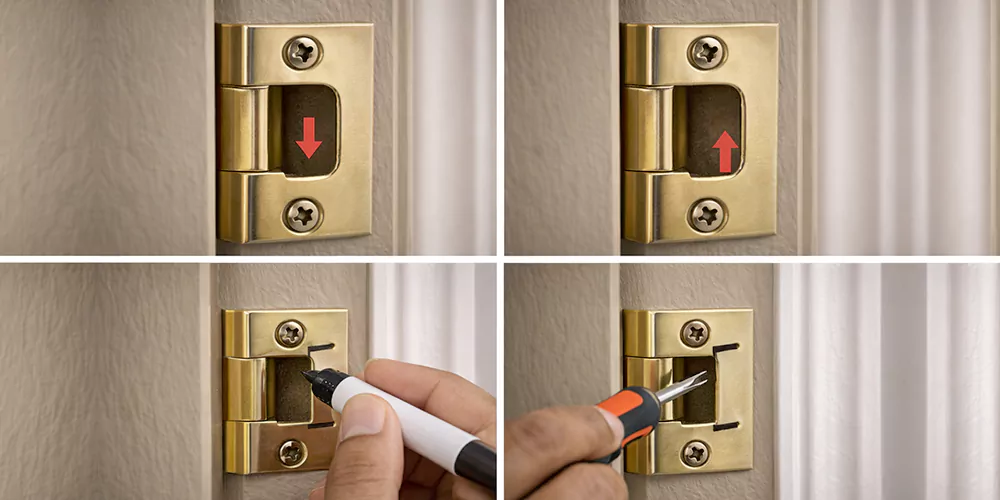
Use a simple pencil to determine if the cavity offers enough room for the latch bolt.
Steps to measure:
1. Insert a pencil into the strike plate opening until it hits the back wall.
2. Mark the pencil exactly where it meets the door surface.
3. Compare this marked length to the actual length of your latch bolt.
4. Confirm the cavity is too shallow if the mark is shorter than the latch.
Even a difference of a few millimeters prevents full engagement. Common culprits include layers of old paint, wood shavings from previous adjustments, or factory cuts that were never deep enough.
Chisel Out Debris and Paint
Remove the blocking material carefully to allow the latch to travel its full distance.
Tools needed:
* Small chisel (1/4 inch or 3/8 inch)
* Hammer
* Screwdriver
Steps to clear obstruction:
1. Focus your efforts on the top and bottom areas of the strike plate cavity where restriction occurs.
2. Place the chisel at the back of the recess and tap gently with the hammer.
3. Remove material in thin shavings rather than gouging large chunks.
4. Test the latch movement after every few taps.
5. Stop immediately when the latch slides in smoothly and locks with a solid click.
Pro Tip: Work incrementally to avoid weakening the door frame. Your goal is clearance, not a wider hole.
Prevent Future Buildup Issues
Paint and grime accumulate over time, especially on exterior doors exposed to weather.
Prevention strategies:
* Clean the strike plate annually with a utility knife or small scraper.
* Avoid applying thick paint layers directly around the strike plate opening.
* Apply a light coat of silicone spray to the latch to reduce friction and resist corrosion.
Replace Broken Springs in Door Handles

If your handle does not spring back, you likely need new springs rather than a whole new handle assembly. The internal mechanism is simple, and replacement is fast once you access the components.
Disassemble the Handle Mechanism
Most screen door handles attach with two screws located on the interior side of the door.
Disassembly steps:
1. Unscrew and remove the entire handle assembly from the door.
2. Pull the two halves of the housing apart carefully.
3. Locate the metal springs coiled around the central posts on each side.
You will typically see a metal spring secured by a small internal clip. If the spring is in two pieces or sags loosely, it has failed completely.
Install New Replacement Springs
You do not always need an exact factory match for these repairs. Most mechanisms accept slightly larger springs due to flexible design tolerances.
Installation steps:
1. Remove the broken spring remnants from the central post.
2. Slide the new spring into place over the post.
3. Use the internal clip to secure the spring, ensuring it sits flush and does not bind.
4. Repeat the process on the opposite side, even if only one spring broke.
Replacing both springs ensures balanced tension and prevents immediate refailure. Metal fatigue often affects both sides simultaneously.
Reassemble and Verify Function
Put all components back together in the reverse order of disassembly.
Key verification checks:
* Ensure handles align perfectly when reattached to the door.
* Tighten screws snugly but avoid over-tightening, which strips plastic housings.
* Confirm the handle turns smoothly and returns instantly when released.
A properly repaired handle should snap back with a crisp, quiet action without any lag.
Correct Misaligned Latch Hardware
Even with a clear strike plate, a misaligned latch can prevent the screen door lock from functioning. This often happens when the door sags, the frame shifts, or hardware loosens over time.
Visually Inspect Alignment
Close the door slowly to observe how the latch meets the strike plate.
Signs of misalignment:
* The latch hits the edge of the strike plate instead of the center.
* Only part of the bolt enters the cavity.
* You must lift or push the door hard to engage the lock.
Adjust Strike Plate Position
Moving the strike plate slightly often resolves minor alignment angles.
Adjustment steps:
1. Loosen the screws holding the strike plate slightly.
2. Tap the plate up, down, or sideways with a hammer and punch.
3. Retighten the screws and test the latch engagement.
4. Patch old screw holes with wood filler if you need to shift the plate significantly.
Upgrade Locking Hardware for Security
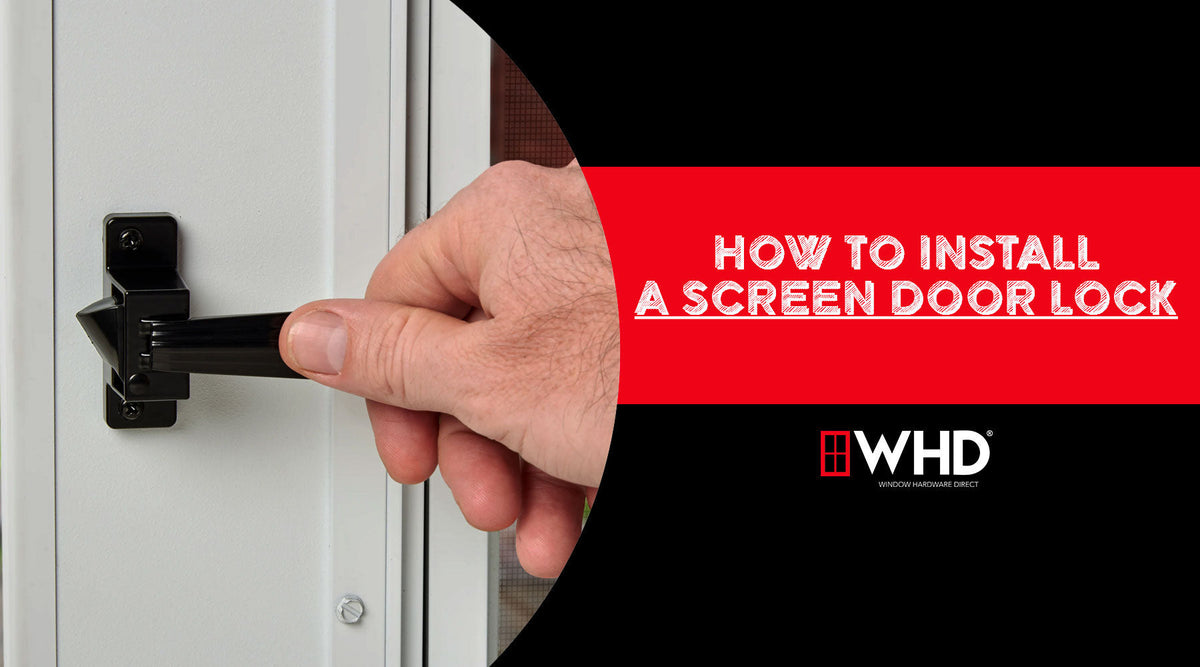
Consider upgrading to a more durable model if your current lock fails repeatedly despite repairs.
Select Heavy-Duty Handles
Look for handles with reinforced zinc or metal cores instead of all-plastic construction. Sealed spring housings resist moisture better and last longer in high-traffic areas.
Install Secondary Locks
Add a slide bolt or hook lock at the top or bottom for added security. These independent locks deter forced entry and stabilize the door against strong winds. Use stainless steel screws to prevent rust and stripping.
Maintain Your Screen Door Lock System
Regular maintenance keeps your screen door secure and ensures smooth operation for years.
Clean Latch and Strike Plate Monthly
Use a dry cloth or old toothbrush to remove dust and debris from the mechanism. Scrape away stubborn paint with a utility knife and clean metal parts with rubbing alcohol. Always lubricate with silicone spray rather than WD-40, which attracts dirt.
Inspect Springs Every Six Months
Remove the handle briefly to check spring condition, especially in homes with children or pets. Look for cracks, kinks, rust, or sluggish return action. Catching these issues early prevents total lock failure.
Avoid Over-Tightening Screws
Loose handles are common, but cranking screws too hard strips the mounting holes. Insert toothpicks coated in wood glue into stripped holes, break them off flush, let them dry, and reinstall the screws to restore grip.
When to Call a Professional
Most screen door lock issues are DIY-friendly, but some situations require expert assistance.
Call a handyman if:
* The door frame is cracked, rotted, or structurally compromised.
* Multiple hardware components are failing simultaneously.
* Alignment issues persist after you have replaced parts and adjusted the strike plate.
* The door sags significantly, requiring hinge adjustment or shimming.
Knowing how to diagnose the problem helps you communicate clearly with professionals and avoid unnecessary charges.
Frequently Asked Questions About Screen Door Locks
Why does my screen door latch only go halfway in?
Your latch likely hits an obstruction like paint buildup or wood debris inside the strike plate. Use a pencil to measure the depth and chisel out any blockages preventing full extension.
How do I fix a screen door handle that won’t spring back?
The internal springs have likely snapped or lost tension. Disassemble the handle, remove the broken springs, and install new ones on both sides to restore immediate return action.
Can I use a larger spring than the original in my door handle?
Yes, most screen door mechanisms have flexible designs that accept slightly larger springs. As long as the spring fits over the post and secures with the clip, it will function correctly.
What tools do I need to fix a stuck screen door lock?
You typically only need a small chisel, a hammer, a screwdriver, and a pencil for measuring. These basic tools allow you to clear obstructions and replace springs without specialized equipment.
How often should I lubricate my screen door lock?
Clean and lubricate your lock mechanism every six months to prevent friction and corrosion. Use a silicone-based spray rather than oil-based products to avoid attracting dust and dirt.
Key Takeaways for Fixing Your Screen Door Lock

Fixing a screen door lock requires diagnosing whether the issue is a blocked strike plate or broken handle springs. Clear obstructions with a chisel and replace snapped springs to restore full security in under an hour. Regular cleaning and inspection prevent future failures and keep your home safe.