You are locked out with no key and the deadbolt refuses to budge. Before breaking a window or calling a locksmith, you can open a deadbolt lock without a key using precise mechanical techniques.
This guide teaches you to manipulate internal pins to simulate a key. You will learn standard single-pin picking and the advanced reverse-direction spin method for stubborn locks.
Master the Pin Tumbler Mechanism to Unlock Your Door

Every deadbolt uses a pin tumbler system where small metal pins block the inner cylinder from turning. Your goal is to lift these pins so the gap between them aligns perfectly at the shear line.
How Shear Line Alignment Opens the Lock
The lock contains stacks of pins that stop the plug from rotating. When you lift each bottom pin to the correct height, the gap aligns with the shear line.
* This alignment allows the plug to rotate freely inside the housing.
* Turning the plug retracts the bolt and opens the door.
* Without a key, you must manually lift each pin to this exact point.
Identify Your Lock Rotation Direction
Most deadbolts extend the bolt when turned clockwise and retract it when turned counterclockwise. However, some high-security models reverse this pattern.
* Test the direction gently before applying full force.
* Knowing the correct rotation prevents damage to internal components.
* Incorrect assumptions about direction often cause picking attempts to fail.
Essential Tools Required to Open a Deadbolt Lock
You cannot open a deadbolt without specific instruments designed for precision. Common household items lack the strength and shape needed for reliable results.
Tension Wrench for Rotational Pressure
This tool applies the necessary torque to the plug while you manipulate the pins.
* Insert it into the bottom of the keyway.
* Use light pressure for standard picking methods.
* Apply moderate to heavy tension for reverse-direction techniques.
* Select a short, rigid wrench for maximum control and feedback.
Lock Picks for Pin Manipulation
You need specific pick shapes for different tasks within the lock mechanism.
* Standard Hook Pick: Features an upward bend ideal for lifting individual pins one by one.
* Diamond Pick: Made of spring steel, this tool is essential for raking and reverse techniques.
* Spin Tool: A specialized instrument used only for the rapid rotation method on difficult locks.
Pro Tip: Always ensure your diamond pick is made of spring steel to prevent bending during aggressive maneuvers.
Execute Standard Single-Pin Picking Steps

This foundational method works on most residential deadbolts by setting each pin individually. It requires patience and a steady hand to feel the subtle clicks of the mechanism.
Apply Light Clockwise Tension
Insert your tension wrench into the lower part of the keyway and apply gentle clockwise pressure.
* This mimics the turning force of a real key.
* Too much pressure binds the pins and prevents them from moving.
* Maintain this steady pressure throughout the entire process.
Insert the Hook Pick Above the Wrench
Place your hook pick into the keyway above the tension wrench with the curve facing up.
* Slide it in gently to avoid damaging internal springs.
* Start probing from the back of the lock toward the front.
* Focus on lifting one pin stack at a time rather than rushing.
Feel for the Binding Order of Pins
Not all pins bind simultaneously. The pin under the most tension will resist your lift first.
* Gently push each pin upward until you feel a slight click or give.
* This sensation means the pin has reached the shear line and set.
* Once set, the pin stays in place due to your applied tension.
Rotate Counterclockwise to Retract the Bolt
Continue setting pins until all of them click into place. The plug will then rotate freely.
* Maintain tension and turn the wrench counterclockwise.
* The bolt will retract smoothly, allowing you to open the door.
* With practice, you can complete this process in under ten seconds.
Perform the Reverse-Direction Spin Technique
Use this advanced method when standard picking fails on high-security or jammed deadbolts. It exploits mechanical inertia to bypass pin engagement entirely.
Start with the Bolt Fully Extended
Ensure the deadbolt is completely locked before attempting this technique.
* If possible, lock it with a key first to ensure full extension.
* The mechanism must be under load for the inertia trick to work.
* Starting partially unlocked may cause the method to fail.
Pick in the Locking Direction First
Apply moderate to heavy clockwise tension, which is the locking direction.
* Insert a diamond pick upside down into the keyway.
* Rake all pins upward while gradually releasing tension.
* Your goal is to rotate the plug slightly clockwise, effectively picking it in the wrong direction.
Release Tension and Reorient Tools
Quickly pull out the tension wrench to release the clockwise pressure.
* Switch to your spin tool or reorient your wrench for counterclockwise rotation.
* Position the tool immediately before the pins have time to drop.
* Speed is critical during this transition phase.
Execute the Rapid Spin Maneuver
Push the door gently while rapidly spinning the tool counterclockwise.
* The inertia of the spinning plug carries it past the pin alignment point.
* The pins do not have time to re-engage or bind.
* The bolt retracts instantly if the timing and speed are correct.
Why the Spin Technique Bypasses Security Features
This method works by exploiting physics rather than brute force. It neutralizes features designed to stop traditional picking attempts.
Exploit Plug Inertia for Speed
The rapid spin uses rotational inertia to bypass the time required for pins to fall. Even if pins are not perfectly set, the speed carries the plug through the mechanism.
Bypass Directional Security Traps
Many high-security deadbolts resist picking in the unlock direction. By picking in the locking direction first, you avoid these specific engineering traps completely.
Neutralize Spool and Mushroom Pins
Security pins are designed to catch during slow manipulation. The high speed of the spin prevents these pins from engaging their traps.
Compare Single-Pin Picking and Spin Methods
Choosing the right technique depends on your specific lock and skill level. Understanding the differences helps you decide which approach to try first.
| Feature | Standard Single-Pin Picking | Reverse-Direction Spin |
|---|---|---|
| Best For | Standard deadbolts | High-security or jammed locks |
| Direction | Counterclockwise | Clockwise then spin counterclockwise |
| Tension | Light and steady | Moderate to heavy |
| Tools Needed | Tension wrench, hook pick | Tension wrench, diamond pick, spin tool |
| Skill Level | Beginner to intermediate | Advanced |
| Success Signal | Smooth bolt retraction | Instant unlock via spin |
Troubleshoot Common Lock Picking Failures
Even experienced operators face issues when learning how to open a deadbolt lock without a key. These solutions address the most frequent problems.
Pins Keep Falling Back Into Place
Cause: Inconsistent or excessive tension on the wrench.
Fix: Release tension completely to reset all pins. Restart with lighter, steadier pressure to maintain the shear line alignment.
No Tactile Feedback From Pins
Cause: Too much tension or incorrect pick angle prevents feeling the pins.
Fix: Reduce tension until you feel individual pins. Ensure your pick is not scraping the top of the keyway.
Spin Tool Fails to Retract Bolt
Cause: The spin was too slow or mistimed with the door push.
Fix: Increase the speed of your spin dramatically. Coordinate pushing the door with the rotation for maximum effect.
Tool Slips in the Keyway
Cause: Worn tool tips or incorrect insertion angle.
Fix: Check that your diamond pick is upside down for reverse techniques. Replace worn tools and maintain a parallel angle.
Practice Protocols for Lock Manipulation Skills
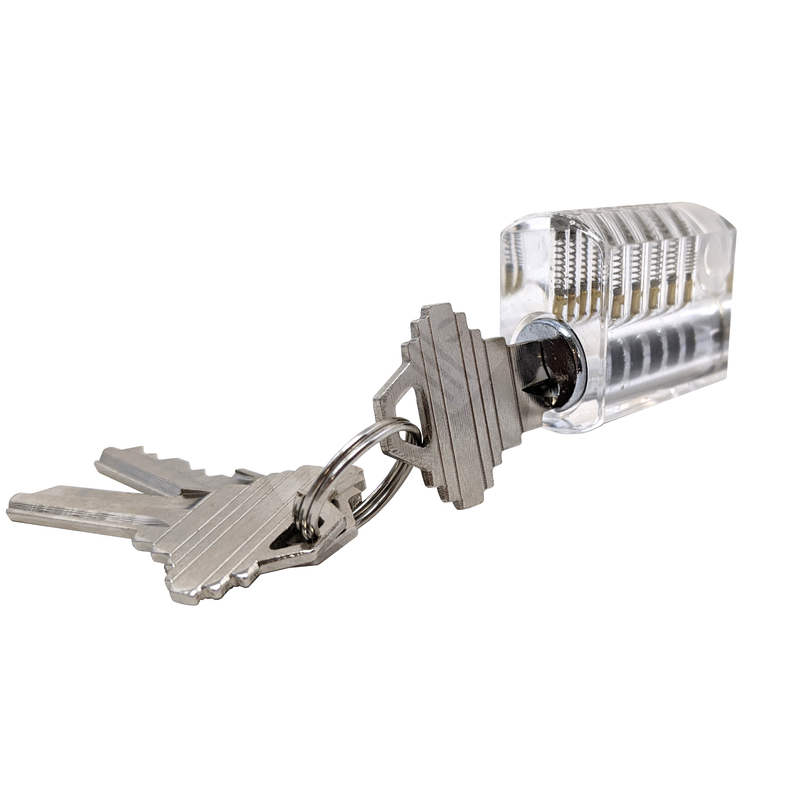
Lock picking is a tactile skill that requires consistent practice to master. You must feel the pins rather than just visualizing the process.
Use Transparent Training Locks
Start with a clear practice lock mounted on a block of wood.
* Watch pin movement in real time as you lift them.
* Correlate what you feel with what you see inside.
* This accelerates your learning curve significantly.
Develop a Light Touch for Tension
Over-tensioning is the most common beginner mistake. Practice applying just enough pressure to create a binding point without locking up the mechanism.
Always Reset Before Restarting
If you get stuck, pull out your pick and release all tension. Let all pins drop back to their resting position before beginning again. Forcing the issue leads to frustration and broken tools.
Safety Ethics and Legal Considerations
These techniques are powerful and must be used responsibly. Always respect the law and property rights when practicing lock manipulation.
Only Work on Locks You Own
Never attempt to open a lock without explicit permission from the owner. Doing so may be illegal even with good intentions. Get written consent for shared or rental properties.
Avoid Permanent Damage to Mechanisms
Aggressive picking can bend pins or wear out internal springs. If you are unsure about your technique, call a licensed locksmith to prevent costly damage.
Verify Lock Direction Before Force
Test the rotation direction before applying significant force. Some deadbolts turn opposite to the norm, and guessing wrong can stress the mechanism unnecessarily.
Frequently Asked Questions About Opening Deadbolt Locks
Can you open a deadbolt without a key using a paperclip?
Paperclips are generally too flimsy for deadbolts. They lack the rigidity to apply proper tension or lift pins effectively. You need specialized spring steel tools for reliable results.
How long does it take to learn single-pin picking?
With daily practice on a transparent lock, beginners can often open simple deadbolts within a few weeks. Mastery of tactile feedback and tension control takes consistent repetition.
Is the reverse spin technique legal to use?
The technique itself is legal, but using it on locks you do not own or have permission to open is illegal. Always ensure you have explicit authorization before attempting entry.
What causes a deadbolt to resist standard picking methods?
High-security locks often use spool pins or directional engineering to resist standard picking. These features require advanced techniques like the reverse spin to bypass.
Do I need special tools to practice lock picking?
Yes, you need a tension wrench and at least one pick. A transparent practice lock is highly recommended for learning the mechanics without the pressure of a real lockout.
Can picking a lock damage it permanently?
Improper technique can bend pins or break springs inside the lock. Using the correct tools and gentle pressure minimizes the risk of permanent damage.
Key Takeaways for Opening Your Deadbolt Safely
Opening a deadbolt lock without a key relies on understanding pin tumbler mechanics and applying the right technique. Standard single-pin picking works for most situations, while the reverse-direction spin handles high-security obstacles.
Always practice on locks you own and use quality spring steel tools for the best results. Start with transparent training locks to build the tactile sensitivity needed for success.
Gather your tools and begin practicing on a spare lock today to build confidence. Remember that patience and a light touch are more effective than force when manipulating these mechanisms.