You grab your bike ready to ride, only to find your Kryptonite lock refuses to open. The key sticks, spins freely, or won’t insert at all due to cold weather or lost keys. This frustrating scenario happens often with mechanical locks that face daily wear and tear.
This guide explains exactly how to open a Kryptonite lock using safe, proven methods that protect your gear. You will learn to diagnose jams, apply the right lubricants, extract broken keys, and access emergency support if you lost your key.
Identify Your Specific Kryptonite Lock Model
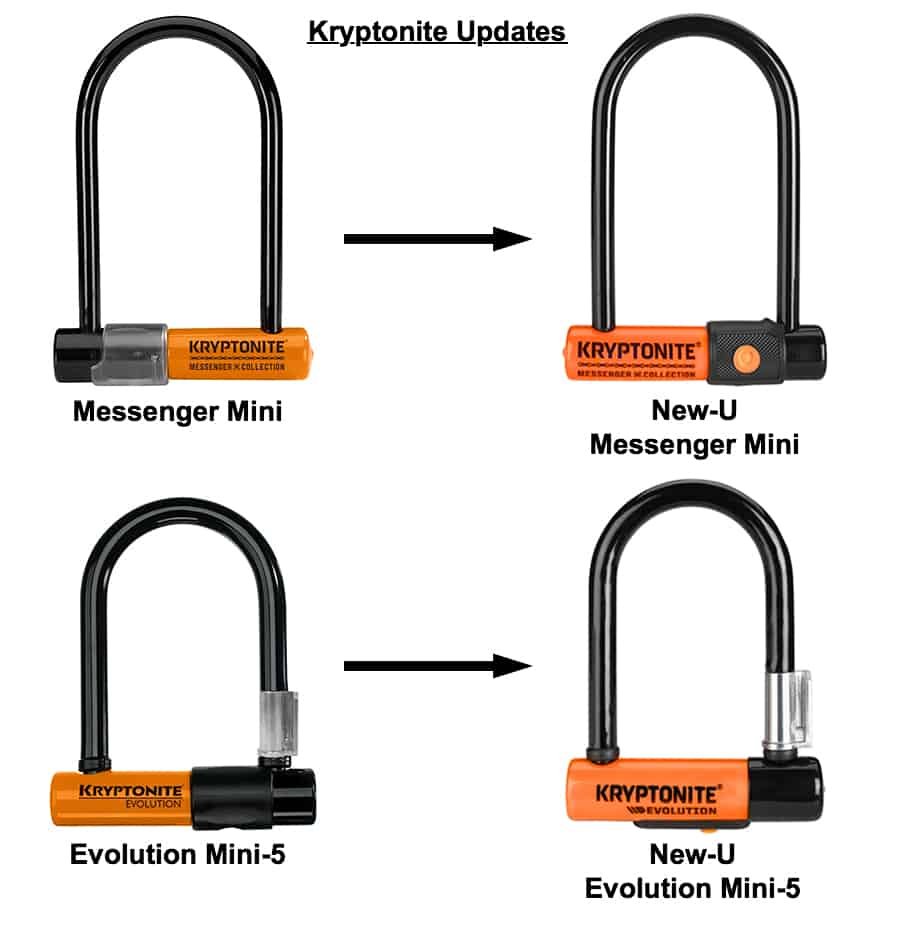
Different Kryptonite locks use unique internal mechanisms that require specific opening techniques. Knowing your exact model prevents damage caused by using the wrong removal method or lubricant type.
Check for Series Markings on the Lock Body
Look closely at the lock body for stamped text indicating the series name. Common models include the New-U, Evolution, Keeper, and Fahgettaboudit lines. The New-U series often features a disc-retaining core while Keeper models may use a push-button key release system.
Examine Key Head Symbols and Cuts
Your key design offers clues about the internal security level and required care. Some keys display a red “F” or “K” symbol indicating anti-drill protection features. Brass and nickel-plated versions have different groove patterns that must match the cylinder exactly.
Locate Serial Numbers for Registration
Find the serial number on your original packaging or registration card to access support services. This number is essential for the Key Safe program if you need replacement keys later. Without this code, verifying ownership becomes significantly harder for support teams.
Diagnose Why Your Kryptonite Lock Is Stuck
A locked mechanism usually stems from predictable environmental factors or mechanical wear. Identifying the specific cause helps you choose the correct solution quickly.
Remove Dirt and Road Grime Buildup
Daily exposure to dust and sand clogs the keyway and stops the key from seating fully. Inspect the hole visually for packed particles that block internal pins. If the key enters but refuses to turn, debris is likely preventing proper alignment.
Address Internal Rust and Corrosion
Moisture from rain or high humidity causes oxidation inside the cylinder over time. This corrosion creates friction that makes turning the key difficult or impossible. You might hear a gritty grinding sound when inserting the key into a corroded lock.
Thaw Frozen Internal Components
Water seeping into the mechanism can freeze solid in cold climates, locking pins in place. This issue often occurs overnight and resolves slowly as temperatures rise. Immediate action is required if you need to leave quickly in freezing conditions.
Apply the Correct Lubricant to Free the Mechanism
Proper lubrication solves most stiffness issues without damaging internal components. Using the wrong product can make the problem worse by attracting more dirt.
Use Dry Graphite Powder First
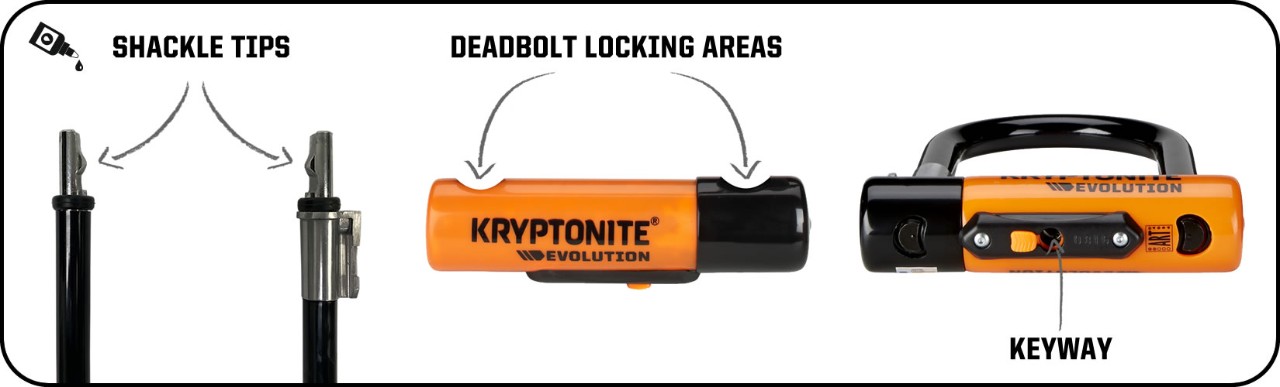
Kryptonite recommends graphite powder because it reduces friction without attracting dust. Insert the spray nozzle into the keyway and apply one short burst directly inside. Work the key in and out several times to distribute the powder evenly across the pins.
Substitute with Silicone Spray if Needed
Silicone spray works as an acceptable alternative if graphite is unavailable. It penetrates moisture effectively and leaves a slick coating that does not gum up. Never use WD-40 or oil-based lubricants since they attract dust and degrade internal parts.
Allow Time for Lubricant to Penetrate
Wait 5 to 10 minutes after application before attempting to turn the key again. Gently wiggle the key back and forth without applying excessive force to avoid breakage. This patience allows the lubricant to reach deep into the cylinder mechanism.
Extract a Broken Key From the Keyway
Keys sometimes snap due to metal fatigue or excessive twisting force during a jam. Removing the fragment safely is critical to restoring lock function.
Recognize Signs of a Snapped Key
You may see a jagged metal edge or feel sudden resistance when inserting a new key. Do not force another key into the hole as this pushes the fragment deeper. Visual inspection with a flashlight confirms if a piece remains inside.
Pull Fragments Out With Pliers
Use needle-nose pliers or a dedicated key extraction tool to grip the exposed end. Shine a light into the keyway to locate the broken piece clearly before grabbing. Grip gently and pull straight out to avoid scratching the cylinder walls.
Test With a Registered Spare Key
Clean the keyway thoroughly after removal and test the mechanism with a spare key. If you lack a spare, contact Kryptonite support with your proof of purchase immediately. They can often provide a replacement based on your specific serial number.
Thaw a Frozen Kryptonite Lock Quickly
Winter weather creates ice blocks inside the mechanism that prevent the key from turning. Gentle warming techniques restore function without damaging seals.
Warm the Key Before Insertion
Hold the key in your hand or pocket for a minute to raise its temperature slightly. Warm metal contracts less and slides into the frozen keyway more easily. Never use an open flame or lighter directly on the lock body.
Spray Lock De-Icer Into the Cylinder
Use an isopropyl alcohol-based de-icer spray to melt ice inside the keyway quickly. Insert the straw and spray lightly, then wait 30 seconds before trying the key. Avoid repeated heating and cooling cycles that cause condensation buildup.
Protect the Keyway From Future Ice
Dry the lock with a cloth after riding in wet conditions to prevent freezing. Apply a light coat of silicone or graphite before storing the bike outside. Covering the keyway with a rubber cap blocks snow and rain entry effectively.
Access Emergency Opening Options Without a Key
Losing your key requires specific steps to regain access without destroying the lock. Authorized methods rely on proof of ownership and prior registration.
Request Keys Through Key Safe Program
Registered users can log into the Kryptonite website and submit their serial number for replacement. This service sends a new key set based on your original factory code. It is the only authorized way to open the lock without the original key.
Contact Support With Purchase Proof
Provide a receipt or photo of the lock attached to your bike if you lack registration. Support teams may still assist after verifying ownership through alternative documentation. Processing times vary depending on the information you provide.
Cut the Shackle as a Last Resort
Use a high-leverage bolt cutter or angle grinder if all other options fail completely. Focus your cutting effort on the U-shaped shackle near the locking mechanism where it is thinner. This destroys the lock but frees your bike immediately.
Maintain Your Lock After Successful Opening
Restoring function is only the first step; ensuring future reliability requires immediate follow-up care. Proper maintenance prevents recurrence of the same jamming issues.
Cycle the Mechanism Multiple Times
Open and close the lock 5 to 10 times using the key to ensure smooth operation. If any sticking persists, repeat the lubrication steps until movement is fluid. A healthy lock should open with minimal resistance every time.
Inspect Components for Visible Damage
Check your key for bent shafts or worn teeth that could cause future jams. Examine the lock body for dents or cracks that compromise structural integrity. If the shackle wobbles excessively when closed, internal parts may need replacement.
Schedule Regular Cleaning Intervals
Apply graphite lubricant every 3 to 6 months to keep internal pins moving freely. Wipe down the lock after rides in rain or salt to prevent corrosion buildup. Storing your bike indoors extends the life of the lock significantly.
Prevent Future Lockout Situations
Proactive habits reduce the likelihood of facing a stuck or locked mechanism again. Simple preventive measures save time and frustration later.
Keep Two Working Keys Available
Always store a spare key in a secure location like your home or with a trusted friend. Label the spare clearly so others can assist if you get locked out unexpectedly. Having a backup turns a crisis into a minor inconvenience.
Register Your Lock Immediately After Purchase
Visit the manufacturer website within days of buying to enter your serial number. Save the confirmation email in a dedicated folder for easy access later. This simple step enables quick key recovery services when needed.
Cover the Keyway When Parked Outdoors
Use a waterproof cap or a folded rubber band to block the keyhole when not in use. This barrier stops rain, snow, and dirt from entering the cylinder mechanism. Consistent coverage keeps the internal components clean and dry.
Frequently Asked Questions About Opening Kryptonite Locks
Can I open a Kryptonite lock with a bump key?
No, Kryptonite locks feature anti-pick and anti-bump designs that resist these techniques. Attempting to bump the lock may damage the cylinder permanently. Stick to using your original key or authorized replacement services.
What lubricant works best for a stuck Kryptonite lock?
Dry graphite powder is the best choice because it does not attract dirt or gum up. Silicone spray is an acceptable alternative if graphite is unavailable. Avoid oil-based products like WD-40 as they degrade internal components.
How do I get a new key if I lost mine?
Visit the Kryptonite website and use the Key Safe program if you registered your serial number. If not registered, contact support with your original receipt or proof of purchase. They will verify ownership before issuing a replacement.
Will freezing weather permanently damage my lock?
Freezing usually causes temporary jamming that resolves once the ice melts or is treated. Repeated freeze-thaw cycles can cause condensation and eventual corrosion over time. Dry and lubricate your lock after exposure to prevent long-term damage.
Is it safe to use heat to open a frozen lock?
Do not use open flames or high heat sources directly on the lock body. Excessive heat can warp components or damage internal seals. Use a lock de-icer spray or warm the key gently in your hand instead.
Key Takeaways for Opening Your Kryptonite Lock Safely
Opening a Kryptonite lock requires patience and the right technique rather than brute force. Most jams result from dirt, moisture, or lack of lubrication and can be fixed with graphite powder and gentle manipulation. Always register your lock immediately to ensure access to key replacement services if you lose your original.
Start by diagnosing the specific cause of the jam before applying any force or lubricant. Use dry graphite for maintenance and contact authorized support for lost keys to avoid damaging your security gear. Regular cleaning and keyway coverage will keep your lock functioning smoothly for years.