Bike theft happens in seconds, yet many riders trust locks that fail just as fast. If you wonder how to pick a bike lock, you likely own a cable model with critical flaws in its design or materials.
This guide reveals why budget locks fail and demonstrates two proven bypass methods using tension or paperclips. You will learn to spot weak construction and choose a lock that actually protects your bike from quick defeat.
Spot the Weak Lock Design vs Real Security
Many bike locks look tough but are built to deceive buyers. The outer appearance often masks a fragile core, making visual inspection crucial before you rely on any specific lock.
Hidden Core and Fake Strength
Most budget cable locks use layered construction to appear thicker than they really are. A typical setup includes several distinct layers that fool the eye:
- Outer silicone sleeve: Provides grip and a rubberized look but cuts like tissue.
- Middle plastic layer: Adds diameter without strength and is purely cosmetic.
- Inner steel wire: Often as thin as a paperclip and easily snipped with basic tools.
This bulk without bite design fools riders into thinking their bike is protected. In reality, wire cutters or even a hacksaw can slice through these layers in seconds.
Identify High-Risk Features
Avoid these red flags when choosing a new lock for your bicycle. Locks with these traits are not theft deterrents but mere speed bumps for thieves:
- Thick rubber coating with no mention of core material.
- 4-digit combination dials with loose and wobbly rotation.
- Keyed cable locks using generic and shallow dimple mechanisms.
- No certification labels from groups like Sold Secure or ART.
How Combo Cable Locks Fail the Tension Trick
Standard 4-digit combination cable locks are among the easiest to defeat without the code. Their internal cam-and-gate mechanism is designed for convenience rather than true security.
Why They Are Easy to Crack
Each dial controls a small metal cam inside the lock body. When aligned correctly, all cams line up with a central gate to release the lock. Loose tolerances create a major flaw:
- Misaligned cams bind under tension.
- Aligned cams rotate freely.
- You can feel the difference by hand.
This flaw allows skilled users to open the lock in under a minute with no tools required.
Step-by-Step Open Any 4-Digit Lock
Apply Constant Tension
Pull the cable end outward firmly with your thumb or fingers. Keep steady pressure because it is essential for feeling resistance changes inside the mechanism.
Find the First Binding Dial
Rotate each dial slowly while maintaining your pull. One will feel stiffer or catch at a specific number, which is your first clue.
- Pro Tip: If dials are stiff, spray WD-40 and spin them back and forth to loosen internal friction.
- Turn the stiffest dial until it clicks into place, meaning its cam has seated in the gate.
Set Remaining Dials in Order
With tension still applied, move to the next dial that feels tight. Rotate it slowly until resistance drops and it clicks, then repeat for the third and fourth dials.
You do not need to follow numerical order. Some locks respond better when dials are set based on mechanical sensitivity instead of digit sequence.
Unlock and Reveal the Code
Once all dials are set, the lock releases with a final click. The numbers now showing are the real combination, such as 7598. Write this down if you plan to reuse the lock.
Time to defeat: As fast as 45 seconds on non-precision models.
Pick a Dimple Lock Paperclips Beat Keys
Some keyed cable locks, like the widely sold Fischer model, use a dimple lock mechanism. This design is so weak it can be opened with bent paperclips in under 15 seconds.
Why Dimple Locks Fail
The tested Fischer lock had a very simple internal structure. It featured only three dimples on the left side and three on the bottom with shallow pin chambers.
This low pin count and weak spring tension mean pins set easily. Even improvised tools work well on this low-security mechanism.
Build Tools from Paperclips
No special gear is needed for this task. Just two standard paperclips will suffice for the job:
- Tensioner: Unbend one clip into an L-shape and insert into the bottom of the keyway.
- Pick: Use the second clip, straighten it, but leave a small hook at the end.
These mimic professional lock picks and work just as well on this low-security mechanism.
Open in 15 Seconds Step-by-Step
Apply Clockwise Torque
Insert the tensioner into the lower part of the keyway. Twist gently clockwise to bind the pins and create feedback.
Rake the Left-Side Pins
Use the pick to gently brush upward on the left row of dimples. Due to shallow depth, pins lift easily and set quickly.
Lift the Bottom Row
Shift focus to the bottom row and apply light upward pressure while maintaining torque. Watch for slight rotation in the plug, which means pins are setting.
A smooth turn without resistance means success. The cylinder rotates fully, and the lock opens with no force or damage.
Real test result: Under 15 seconds, even for first-time users.
What Makes a Lock Actually Secure

Knowing how to pick a bike lock helps you pick better ones. True security lies in material strength, mechanism complexity, and resistance to common attacks.
Core Material Matters Most
Forget outer thickness and focus on what is inside. You must look for locks that specify hardened steel and avoid any with thick rubber or plastic layers not reinforced with metal:
- ✅ Hardened steel core: Resists bolt cutters and hacksaws effectively.
- ❌ Thin flexible wire: Cuts like butter, even if hidden under plastic.
Avoid Simple Mechanisms
These mechanisms offer almost zero pick resistance and should be avoided for serious security needs:
- 4-digit combo locks with no false gates.
- Dimple locks with fewer than 5 to 6 total pins.
- Generic wafer or pin tumbler keys with no anti-pick features.
Instead, choose disc detainer locks, high-security dimple systems, or locks with Sold Secure ratings.
Test for Tolerance Quality
Try this before buying any new lock for your bike. Spin the dials on a combo lock to check the feel.
If they turn smoothly with no feedback, it may be harder to pick. If they are loose and wobbly, that is a sign of non-precision construction vulnerable to the tension method.
Prevent Theft Choose and Use Smarter
Picking a lock is not just about bypassing it. It is about understanding that most cable locks are not meant to stop thieves. Use that knowledge to upgrade your protection.
Upgrade from Cable to U-Lock or Chain
Cable locks are only suitable for low-risk areas or short stops. For real security, use these alternatives instead:
- U-locks with hardened steel shanks like Kryptonite New York.
- Heavy-duty chains with armored sleeves.
- Foldable locks with reinforced plates.
Lock Smart Not Just Hard
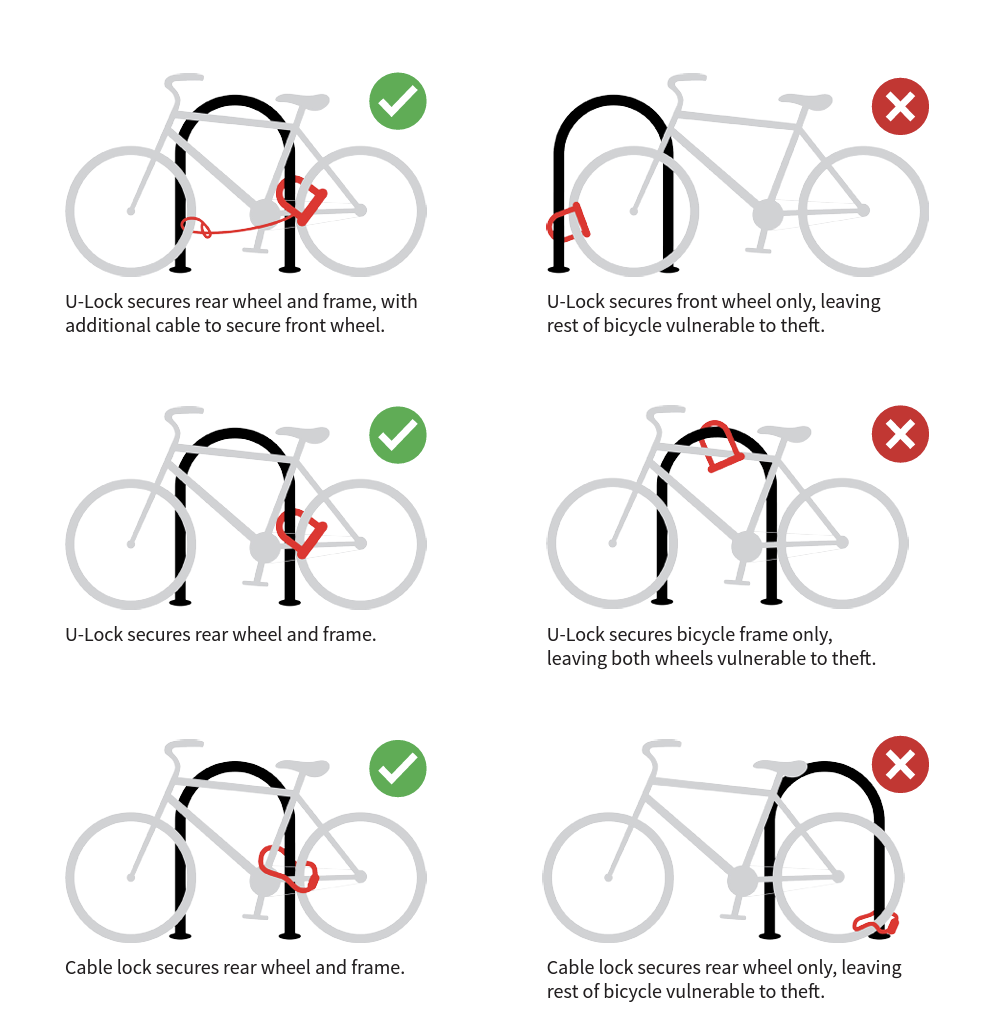
Even the best lock fails if used wrong. Secure the frame and wheel to an immovable object every time.
Avoid high-cut zones near the ground where bolt cutters fit easily. Do not loop cables through quick-release parts that can be removed.
Maintain Your Lock But Not Too Well
Lubricate combo dials occasionally with WD-40 to prevent jamming. Know that a smooth mechanism can also make picking easier on cheap locks, so balance function with awareness.
Final Verdict Are Cable Locks Worth It

Standard 4-Digit Combo Cables
- Pick Time: Under 60 seconds.
- Cut Time: Under 10 seconds with cutters.
- Security Level: Minimal.
- Best Use: Deterrence only, never rely on these alone.
Fischer-Style Dimple Key Cables
- Pick Time: 15 seconds with paperclips.
- Core Strength: Thin wire, easily cut.
- Design Flaw: Cosmetic bulk hides weakness.
- Verdict: Avoid completely as a total gamble.
Frequently Asked Questions About How to Pick a Bike Lock
Can you open a 4-digit bike lock without the code?
Yes, you can open many 4-digit locks using the tension and resistance method. By pulling the cable and feeling for binding dials, you can find the correct numbers in under a minute.
How long does it take to pick a dimple cable lock?
It takes less than 15 seconds to pick a standard dimple cable lock like the Fischer model. Simple tools like paperclips are enough to defeat the shallow pins.
Are thick rubber cable locks secure?
No, thick rubber often hides a thin steel wire that cuts easily. The outer bulk is usually cosmetic silicone or plastic that offers no real cutting resistance.
What is the best alternative to a cable lock?
A hardened steel U-lock or heavy chain is the best alternative. These resist cutting tools and picking attempts far better than any cable design.
Does lubricating a lock make it easier to pick?
Lubrication reduces friction, which helps you feel the binding pins more clearly. While it helps you open your own lock, it might also help others pick it if the mechanism is weak.
Key Takeaways for Choosing a Secure Bike Lock
The ability to how to pick a bike lock reveals that most budget cable locks are mechanically flawed. Their non-precision cams and shallow dimple pins allow defeat in seconds using simple tension or paperclips.
True security requires a hardened steel core and a complex locking mechanism. Do not let cosmetic bulk fool you into a false sense of safety.
Upgrade to a certified U-lock or chain for real protection. Your bike deserves a lock that stops thieves rather than inviting them to try their luck.