You’ve probably stood in front of a stubborn Master Lock, key long lost, wondering if there’s a real way to open it without calling a locksmith. You’re far from alone. Lock picking tutorials rack up millions of views every year, and the reason is simple: most Master Locks, despite their tough-guy reputation, share a fundamental weakness that makes them surprisingly vulnerable to the right technique. The trick isn’t owning expensive gear or having magical hands. It’s understanding exactly how the internal pins work and which methods exploit them fastest.
This guide walks you through how to pick a Master Lock using tested, real-world techniques. You’ll discover which models fall in seconds to a basic rake, which ones can be opened with a paper clip, and which lock actually teaches you the skill properly. Whether you’re a complete beginner or picking up the hobby after a break, this resource gives you a clear path forward.
Why Master Locks Are Easier to Pick Than You Think
The Pin Tumbler Flaw Behind Every Model
Every Master Lock covered in this guide uses a pin tumbler mechanism, the most common lock design on the planet. A correctly cut key lifts each pin to a precise height called the shear line, allowing the cylinder to rotate. The problem? That same alignment can be achieved without a key if you know how to manipulate each pin manually. No special pins, no sidebar, no disc detainer. Just standard components that respond to pressure and vibration.
Even Master Lock’s premium 1500iD fails for this exact reason. It uses stiffer springs and thicker metal, which slows down a picker but doesn’t stop one. A lock that survives a hammer means nothing if a $10 skyline rake opens it in under five seconds.
Durability Does Not Equal Security
Master Lock markets toughness. They boast about weather resistance, cut resistance, and bulletproof construction. But here’s the truth: a lock can be nearly indestructible on the outside while remaining completely defenseless on the inside. The No. 3 padlock, for example, opens instantly to a city rake. Not because the tool is advanced, but because the internal tolerances are loose and the pins jump into place with minimal effort.
Real security comes from mechanical resistance to manipulation, not from how hard the shackle is to cut.
Pick the Master Lock No. 3 in Under Five Seconds
Why This Common Padlock Fails Instantly
The Master Lock No. 3 sits on millions of lockers, gates, and storage units across the country. It’s cheap, widely available, and offers almost zero pick resistance. The internal design includes loose tolerances, standard driver pins with no spool or serrated features, and a wide open keyway that gives tools plenty of room to maneuver.
These flaws make it the perfect target for raking, a fast technique that vibrates all pins into alignment at once rather than setting them one by one.
Rake the No. 3 Open with a City Rake
You don’t need precision for this lock. You just need a city rake (sometimes called a skyline rake). This tool has multiple peaks that mimic a key profile and works by bouncing pins upward when rocked inside the keyway.
Follow these steps:
1. Insert your tension wrench into the bottom of the keyway.
2. Apply light rotational pressure in the direction the lock opens.
3. Slide the city rake all the way in, then pull it out with a quick rocking motion.
4. Repeat the rake two or three times. The lock usually opens on the first or second try.
In testing, this lock opened instantly every single time without any fine adjustment. That tells you everything about its real-world value as a security device.
WARNING: Never trust the No. 3 with valuables. It only stops honest people.
Master Lock 575: Premium Look, Disappointing Performance
Poor Feedback Makes Picking Unpredictable
The Master Lock 575 looks like a high-end brass padlock, the kind you’d expect on a workshop or commercial property. Inside, though, the build quality falls apart. It uses a five-pin tumbler system and claims ball-bearing anti-pick features, but actual testing reveals inconsistent pin alignment, mushy tactile feedback, and early binding on Pin 2.
This inconsistency frustrates pickers, not because the lock is secure, but because it’s poorly manufactured and unpredictable.
Single Pin Picking Beats Raking on This Model
Here’s the irony: raking the 575 takes longer than picking it pin by pin. The loose tolerances don’t respond well to vibration, so standard rakes require multiple attempts and a fair amount of luck. A gem pick or hook pick actually works better.
Try this approach:
1. Apply light tension at the bottom of the keyway.
2. Test each pin from back to front to feel binding order.
3. Lift Pin 2 slowly to avoid over-setting.
4. Move to Pins 3 and 4, which usually set more cleanly.
5. Finish with Pin 1, adjusting tension as needed.
Success feels random even when you do everything right. That’s a sign of bad manufacturing, not strong security.
Expert Note: Skip the 575 for learning. It builds bad habits due to unreliable feedback.
Defeat the 1500iD with a Paper Clip
High Price Tag, Same Basic Weakness
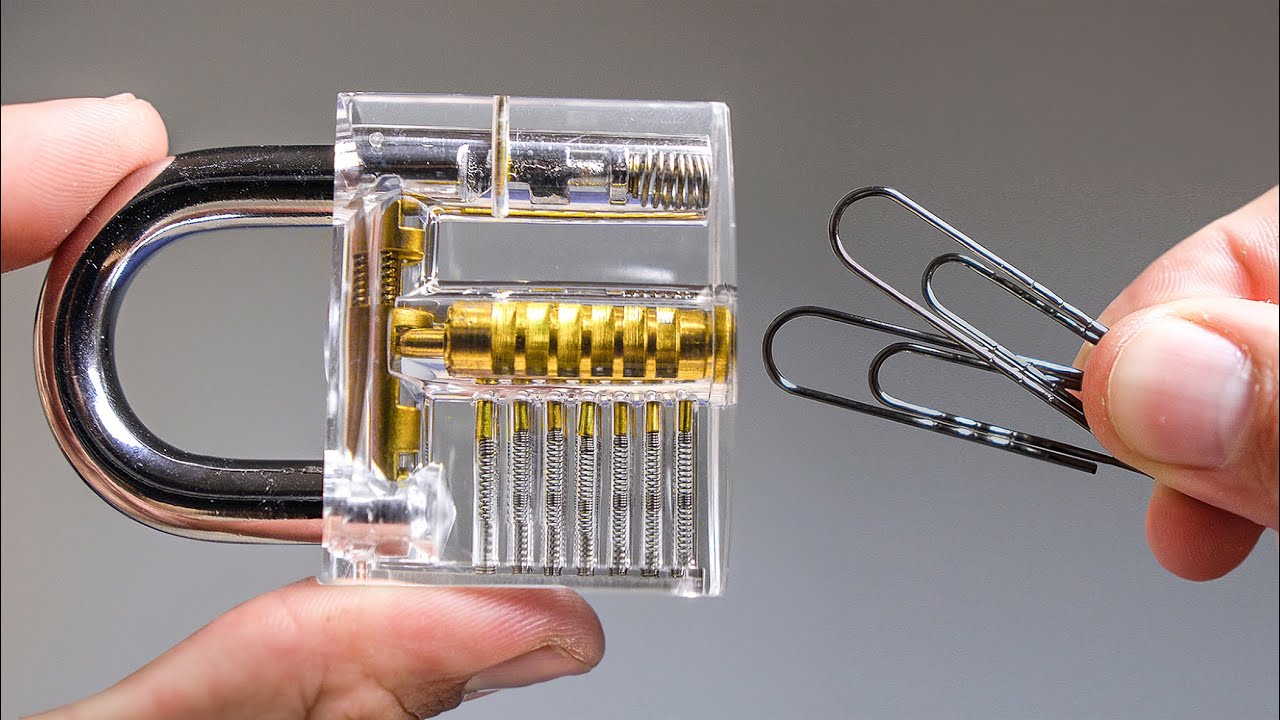
The Master Lock 1500iD is sold as industrial-grade, built for harsh environments and serious security applications. It has stiffer springs and a more durable body than budget models. But guess what? It still relies on a basic pin tumbler mechanism with no advanced security pins. And yes, it can be picked with a paper clip.
Build Your Own Tools in Minutes
You don’t need a professional pick set for this lock. Two standard paper clips are enough.
Tension wrench:
– Straighten one paper clip completely.
– Bend both ends slightly inward.
– Crimp a small loop with pliers to hold the shape.
Pick tool:
– Bend the second paper clip at a 45-degree angle at one end for better reach inside the keyway.
The Technique That Actually Works
- Insert the tension tool about 1 cm into the bottom of the keyway.
- Apply gentle, consistent pressure in the opening direction.
- Use the bent end of the pick to lift each pin from back to front.
- Listen for faint clicks, each one signaling a set pin.
- When all pins are set, the plug rotates freely.
Challenges you’ll face:
– The paper clip bends under spring pressure.
– You must reduce tension when the tool deforms.
– It takes patience, sometimes three to five attempts.
But the lock will open. The fact that a $0.05 paper clip defeats a “high-security” padlock says everything about its real-world vulnerability.
Pro Tip: Tool complexity doesn’t equal lock security. If the mechanism is weak, improvised tools win.
Start Your Practice with the 141 DLF
The Best Beginner Lock on the Market
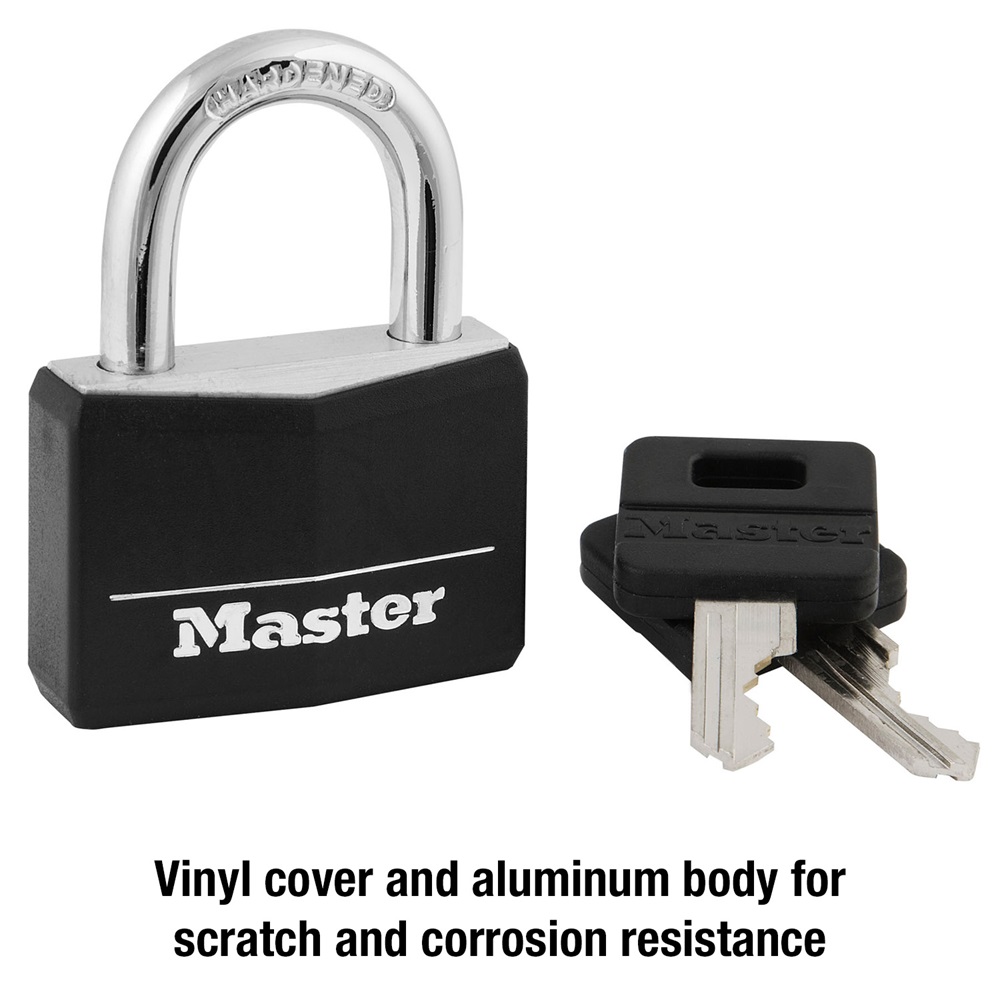
If you’re learning how to pick a Master Lock, the 141 DLF is where you start. Unlike other models, it’s designed for education, not security. It features a four-pin configuration, an open keyway for easy tool access, no security pins, and clear consistent feedback that helps you develop finger sensitivity.
This lock rewards proper technique and teaches you tension control without frustration.
Master the Back-to-Front Picking Order
The 141 DLF responds best to a specific strategy:
- Apply tension at the top of the keyway.
- Probe all pins first to feel their resistance.
- Start with Pin 4 at the back. It usually sets first with a loud clear click.
- Move to Pin 3 with a firm deliberate lift.
- Set Pin 2 carefully. Too much tension causes over-setting.
- Finish with Pin 1 at the front. It has a deep cut but responds once the others are set.
Once Pins 2, 3, and 4 are set, apply slight extra tension and lift Pin 1. The plug should rotate smoothly.
Key Insight: Picking the 141 DLF consistently means you’re ready to tackle locks with spool pins and security features.
Common Mistakes That Slow Your Progress
Applying Too Much Tension
Beginners almost always grip the tension wrench too tightly. This causes pins to bind too hard or over-set, where a pin gets pushed above the shear line and jams the lock completely.
Fix: Use the lightest pressure you can while still feeling resistance. Think of it like turning a rusty screw. Just enough to feel feedback, not enough to strip the mechanism.
Ignoring Tactile Feedback
Picking is about listening and feeling, not just moving tools. Each click or change in drag tells you about pin status.
Watch for these signals:
– A clean click means a pin is set.
– A scratchy drag means a pin isn’t lifting properly.
– Sudden resistance means you’ve over-set a pin.
If feedback disappears, your tension is probably wrong.
Using the Same Technique on Every Lock
Not all Master Locks pick the same way. The No. 3 falls to raking. The 575 fights you with inconsistent binding. The 141 DLF rewards slow methodical picking.
Mistake: Treating every model identically.
Solution: Adapt your approach. Rake the No. 3. Pick the 141 DLF slowly. Use patience and improvised tools on the 1500iD.
Level Up Your Skills After the Basics
Practice on Locks with Security Pins
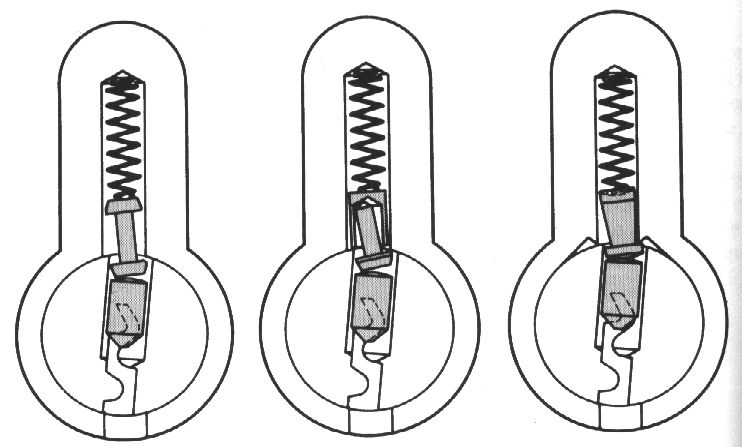
Once you’ve mastered the 141 DLF, move to locks with spool pins or serrated pins. These create false feedback that makes it harder to know when a pin is truly set. A True Value branded lock with spool pins is a great next challenge. It offers better precision than most Master Locks and prepares you for advanced techniques.
Explore Bump Keys and Impressioning
After picking, branch into other bypass methods.
- Bump keys are specially cut keys that bounce pins into place with a single tap.
- Impressioning involves creating a working key by marking and filing a blank.
Both skills take longer to learn but add serious versatility to your toolkit.
Essential Habits for Long-Term Success
Keep Your Tools Clean and Sharp
Dull or bent picks won’t lift pins effectively. Invest in a basic six-piece pick set that includes a hook, rake, diamond, and snake pick. For improvised tools, use thicker wire like safety pins if paper clips keep failing on you.
Practice Ten Minutes Daily
Consistency beats intensity. Spend ten minutes a day on the 141 DLF and you’ll build muscle memory faster than marathon weekend sessions.
Pick Only Locks You Own
Lock picking is meant for practice, education, and emergency preparedness. Picking a lock you don’t own or don’t have permission to open is illegal and unethical. Always respect the law and the property of others.
What to Do After Your First Successful Open
Reset and Try Again
After opening a lock, close it and pick it again. Can you do it in under 30 seconds? Under 15? Speed comes with repetition, and each attempt reinforces the muscle memory you’re building.
Test Different Tension Points
Try applying tension at the top versus the bottom of the keyway. Some locks respond better to one side. The 141 DLF, for example, works best with top-of-the-keyway tension.
Track Your Progress
Keep a simple log of every session.
- Which lock did you pick?
- Which tool did you use?
- How long did it take?
- What went wrong?
Patterns emerge quickly, and you’ll spot weaknesses in your technique faster with written notes.
Frequently Asked Questions About Picking Master Locks
Can You Really Pick a Master Lock with a Paper Clip?
Yes. The 1500iD, despite its industrial-grade marketing, was successfully picked using two standard paper clips in testing. The improvised tools bent under spring pressure, but with patience and adjusted tension, the lock opened. This proves that tool quality matters far less than lock mechanism quality.
What Is the Easiest Master Lock to Pick for Beginners?
The 141 DLF is the easiest and most educational model. Its four-pin configuration, open keyway, and lack of security pins create ideal learning conditions. Beginners can develop tension control and pin-setting skills without fighting poor tolerances or false feedback.
Is Raking the Same as Picking?
Raking is a form of picking, but it works differently. Traditional picking sets each pin individually for precise control. Raking vibrates all pins at once using a specially shaped tool. Raking is faster but only works on locks with loose tolerances and no security pins, like the Master Lock No. 3.
Are Expensive Master Locks More Pick-Resistant?
Not necessarily. The 1500iD costs significantly more than the No. 3, but both use basic pin tumbler mechanisms. Higher price usually means better materials and durability, not better anti-pick features. Security comes from internal design, not the price tag.
How Long Does It Take to Learn Lock Picking?
Most beginners can open a 141 DLF within a few hours of practice. Mastering more complex locks with spool pins takes weeks or months of consistent effort. Daily ten-minute sessions produce faster results than occasional long sessions.
Is Picking a Master Lock You Found Legal?
No. Picking any lock you don’t own or don’t have explicit permission to open is illegal in most jurisdictions. Lock picking is a legitimate skill for locksmiths, security professionals, and hobbyists practicing on their own equipment. Always stay within legal and ethical boundaries.
Key Takeaways for Picking Master Locks Successfully
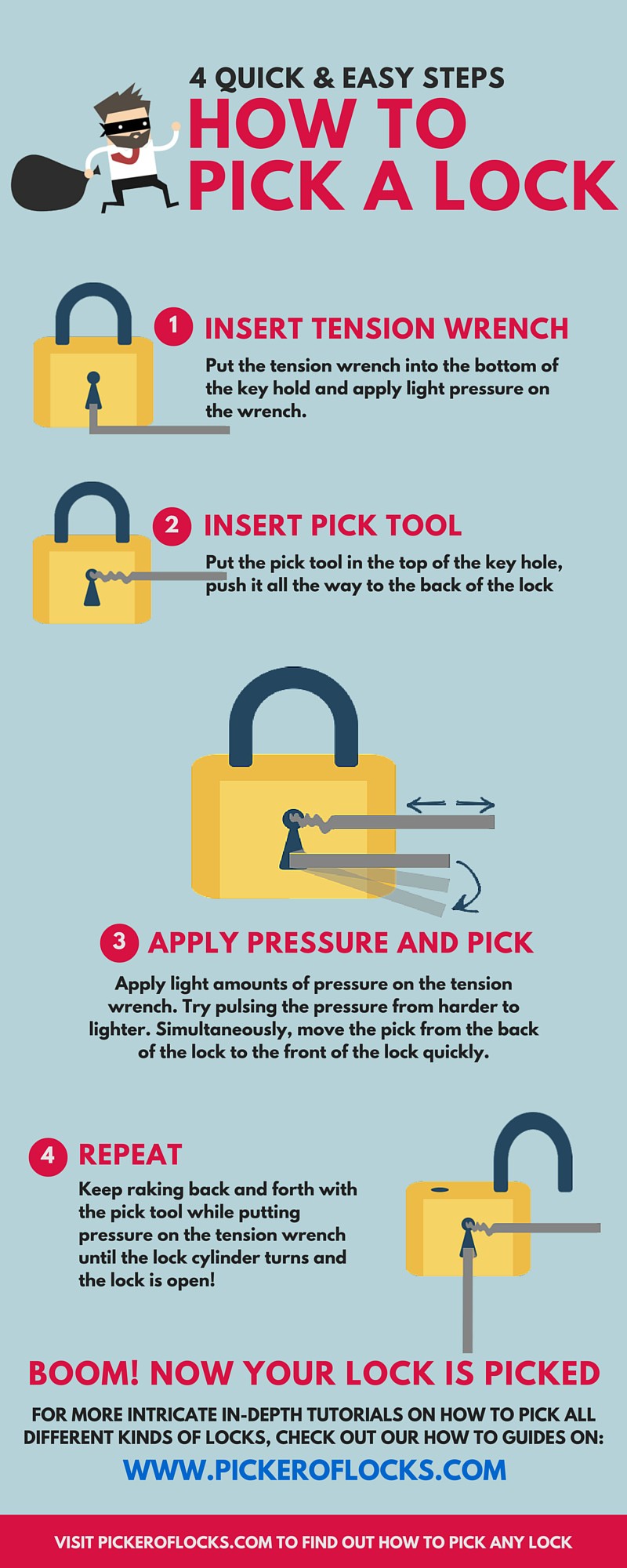
Mastering how to pick a Master Lock comes down to understanding one core principle: most models rely on a basic pin tumbler mechanism with no meaningful anti-pick features. The No. 3 falls instantly to a city rake. The 575 frustrates users with poor manufacturing rather than strong security. The 1500iD opens to a paper clip with patience. Only the 141 DLF delivers real value, and that’s because it’s designed to teach, not protect.
Start with the 141 DLF and build your foundation. Master tension control, learn to read feedback, and develop a consistent back-to-front picking order. Once that lock feels easy, branch into raking for vulnerable models and explore spool pins for advanced challenges. Track your progress, practice daily, and always pick ethically.
The next step is simple: grab a 141 DLF, a basic pick set, and commit to ten minutes a day. Within a week, you’ll understand locks better than most people ever will.