You are stuck outside a locked room, the handle feels stiff, and the key is missing. Whether it is a bathroom privacy lock or an old exterior door with a traditional mortice mechanism, panic often sets in quickly. The good news is that how to open a lever lock depends entirely on identifying the specific mechanism inside. Most of these locks are designed with emergency access in mind or can be manipulated with simple tools if you know the right technique.
This guide details every practical method to regain entry, from using a screwdriver on interior latches to picking five-lever mortice systems. You will learn to distinguish between quick-set privacy locks and high-security curtained mechanisms. We will cover the exact tools you need, the step-by-step procedures for each type, and the critical mistakes to avoid so you can solve the problem safely and effectively.
Identify Your Specific Lever Lock Mechanism
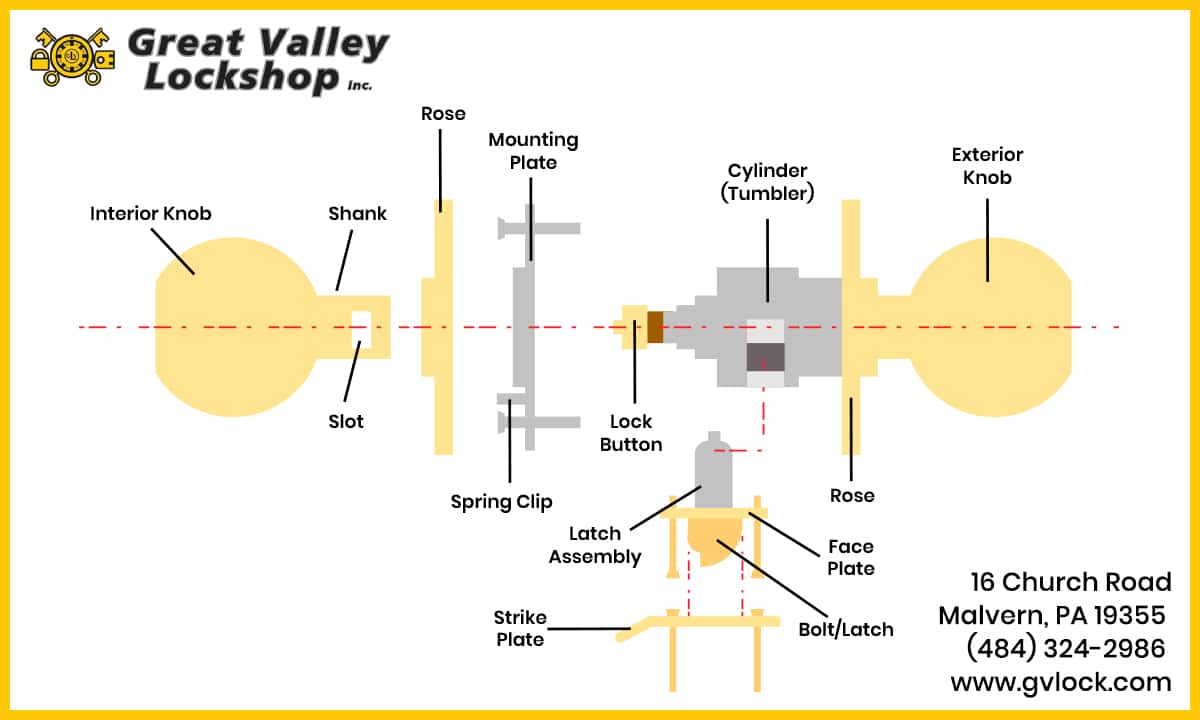
Not all lever locks function the same way, and using the wrong method can cause permanent damage. You must first determine if you are facing an interior privacy lock or a traditional mortice lock. Interior locks are designed for emergency release, while mortice locks rely on complex internal alignment.
Distinguish Between Privacy and Mortice Locks
Interior privacy locks, common in bathrooms and bedrooms, use a simple latch system. They often feature a hidden access point for emergencies. In contrast, mortice locks are found on older exterior doors and sash windows. These rely on five internal metal levers that must align perfectly to retract the bolt.
Locate the Entry Point on the Door
Visual inspection tells you which path to take. Look for a small hole or slot in the center of the lever handle or on the rose surrounding it. Some older models place this release hole on the door frame directly above the lock. If you see a visible keyway on the door edge with no obvious access hole, you are likely dealing with a mortice lock requiring picking.
Release Interior Privacy Locks Quickly

These mechanisms are not built to keep determined people out. Their primary purpose is to prevent accidental entrapment, making them relatively easy to bypass with the right approach.
Use the Dedicated Emergency Key
Many privacy locks come with a specific key labeled for emergency release. Insert this key directly into the access hole located in the center of the handle or above the frame. Turn the key clockwise to immediately disengage the latch. Keep this key on your main keychain or in a labeled envelope near your electrical panel for future emergencies.
Apply a Flathead Screwdriver
If the key is missing, a thin flathead screwdriver is the most reliable tool. You need a blade approximately 1/8 inch wide to fit properly without causing damage.
1. Slide the screwdriver tip gently into the access hole.
2. Push inward slightly to engage the internal mechanism.
3. Turn the tool clockwise just as you would a key.
4. Listen for a click and watch for the handle to move freely.
Warning: Do not force the tool. Excessive pressure can strip the internal plastic cam or break the actuator, turning a simple lockout into a costly repair.
Manipulate the Latch with a Paper Clip
When no tools are available, a standard paper clip can serve as an improvised pick. This method works best on locks with plastic internal components.
* Straighten the paper clip completely.
* Bend one end into a small L-shape or hook about 1/4 inch long.
* Insert the bent end into the access hole and wiggle it gently.
* Apply slight clockwise pressure until you feel the latch disengage.
Expert Note: If the clip bends too easily, fold it double for extra stiffness. However, metal components may require more torque than a paper clip can provide.
Pick a Five-Lever Mortice Lock System

Curtained lever mortice locks offer higher security and are common in heritage buildings. They feature a “curtain,” a metal shield that blocks the bolt unless every internal lever aligns perfectly. Opening these requires patience and tactile sensitivity rather than brute force.
Understand the Curtain and Lever Alignment
Inside the lock, five metal levers sit with specific notches. The bolt cannot slide back unless all five notches align at the exact correct height. The curtain acts as a safety gate that only lifts when this alignment occurs. Your goal is to lift each lever individually while maintaining tension on the bolt.
Fabricate a Tension Wrench from a Fork
You can create a functional tension wrench using a standard metal dinner fork if professional picks are unavailable.
1. Bend the body of the fork backward until it is flat and straight.
2. Bend one of the outer tines upward at a 90-degree angle to serve as a handle.
3. File or bend the very tip of the straightened section into a slight curve.
This curved tip allows you to apply consistent rotational pressure at the bottom of the keyway without slipping. Test the fit to ensure it sits snugly before attempting to pick.
Execute the Step-by-Step Picking Procedure
Success in picking lever locks relies on feel. You are looking for micro-movements and auditory cues rather than forcing the mechanism.
Apply Gentle Clockwise Tension
Insert your improvised fork wrench into the bottom of the keyway. Turn it gently clockwise until you feel slight resistance. This tension holds the levers in place once they are set. If you apply too much pressure, the levers will bind and refuse to move. If you apply too little, they will not stay in position. Find the balance where the tool feels engaged but not stuck.
Probe and Set Each Lever Individually
Insert your pick or hooked paper clip above the tension wrench. Feel for the levers starting from the back of the lock.
* Identify the lever that feels the most resistant.
* Lift it gently until you feel a tiny snap or click.
* This sound indicates the lever notch has aligned with the bolt path.
* Leave that lever alone and move to the next most resistant one.
Retract the Bolt to Open
Continue this process until all five levers have snapped into place. As the final lever sets, the curtain obstruction lifts. The tension you are holding will cause the bolt to retract automatically. You will feel the wrench turn smoothly, signaling that the door is ready to open.
Time Estimate: A first attempt may take 5 to 15 minutes. With practice, this process often takes under two minutes.
Compare Tools and Avoid Critical Errors
Choosing the right tool for the job increases your success rate and minimizes damage risk. The following comparison helps you decide which method to attempt first.
| Tool | Best Application | Difficulty Level | Success Probability |
|---|---|---|---|
| 1/8″ Flathead Screwdriver | Interior privacy locks | Low | Very High |
| Bent Paper Clip | Emergency interior access | Medium | Moderate |
| Modified Dinner Fork | Tension for mortice locks | Medium | High |
| Dedicated Pick Set | Professional lever picking | High | Very High |
Never Force the Mechanism
Forcing a tool into a lock is the fastest way to break it. Lever locks rely on precision alignment. If a tool does not turn easily, your alignment is likely off, not stuck. Forcing can bend levers, strip plastic cams, or jam the bolt permanently.
Avoid Excessive Tension
The most common mistake in picking mortice locks is over-tightening the tension wrench. This pressure locks the levers in place, preventing them from snapping into the correct position. If the levers feel stuck, reduce your tension slightly and try lifting again.
Inspect Before Acting
Always spend 30 seconds scanning the handle and frame before attempting to pick. Many people waste time picking a complex mortice lock only to discover an easy access hole on the handle they missed initially.
Maintain Locks and Prevent Future Lockouts
Proper maintenance ensures your locks function smoothly when you need them most. Regular care prevents the buildup of dust and grime that can jam mechanisms.
Store Spare Keys Strategically
Keep an emergency key in a magnetic lockbox attached to a hidden part of your door frame or with a trusted neighbor. Never hide keys under doormats where they are easily found. Clear labeling in a home safe is another secure option.
Clean and Lubricate Regularly
Dust accumulation can hinder the movement of internal levers.
* For interior locks, blow out debris with compressed air and wipe access holes with a dry cloth.
* For mortice locks, use graphite powder to lubricate the keyway.
Warning: Never use oil-based lubricants. Oil attracts dirt and creates a gummy residue that gums up the mechanism over time. Stick to dry lubricants like graphite.
Legal and Ethical Boundaries for Lock Manipulation
You should only attempt to open locks that you own or have explicit permission to access. Using these techniques on property that does not belong to you is illegal and unethical.
When to Contact a Professional
Stop your efforts and call a licensed locksmith if the lock appears damaged, if you have tried multiple methods without success, or if the lock is a high-security insurance-rated model. A service call is far cheaper than replacing a door frame damaged by forced entry.
Educational Use Only
The methods described here, including the use of forks and paper clips, are for self-rescue, skill development, and understanding security flaws. Always respect legal boundaries and use this knowledge responsibly.
Frequently Asked Questions About Lever Locks
Can I open a lever lock without any tools?
It is difficult to open a lever lock without any tools, but a paper clip or a thin piece of wire can often work for interior privacy locks. Mortice locks generally require a tension tool and a pick to manipulate the internal levers effectively.
What is the difference between a privacy lock and a mortice lock?
A privacy lock is a simple latch mechanism found on bathrooms and bedrooms with an emergency access hole. A mortice lock is a complex security device with multiple metal levers and a curtain, typically found on exterior doors and requiring precise alignment to open.
Will using a screwdriver damage my interior lock?
If you use a screwdriver that is too wide or apply excessive force, you can strip the internal plastic components. Using a thin 1/8-inch flathead screwdriver with gentle pressure usually prevents damage.
Why won’t my picked mortice lock open after clicking?
If you hear clicks but the lock won’t open, you likely have not aligned all five levers or you are applying too much tension. Reduce the pressure on your tension wrench and try lifting the levers again to find the correct height for each one.
Is it legal to learn how to pick locks?
Learning lock picking is legal in most places as long as you only practice on locks you own or have permission to manipulate. Using these skills to enter property without authorization is illegal.
Key Takeaways for Opening Lever Locks Safely
You now understand how to open a lever lock using methods tailored to the specific mechanism. For interior privacy locks, locate the access hole and use a thin screwdriver or bent paper clip to turn the latch clockwise. For five-lever mortice locks, fabricate a tension wrench from a fork, apply gentle pressure, and lift each lever until it snaps into place.
Remember that patience yields better results than force. Always inspect the lock type before acting, use the correct tool for the job, and respect legal boundaries. With these techniques, you can handle most lockout scenarios confidently and without causing damage to your property.