You are staring at a locked door with no key in hand. Panic rises as you realize the bathroom or bedroom handle will not turn. This situation happens frequently, but you do not need to break the knob or call a locksmith immediately. Most interior privacy locks and misaligned exterior latches can be opened safely using simple household items.
This guide explains how to open a door handle lock using tools like paper clips, screwdrivers, or plastic strips. You will learn specific techniques for privacy levers, jammed latches, and faulty deadbolts based on professional locksmith methods. Follow these steps to regain access without causing damage to your home.
Identify Your Specific Door Handle Lock Type
You must know what kind of mechanism you are facing before attempting any bypass. The solution varies entirely based on whether the lock is a privacy model, a passage set, or an entry lock. Using the wrong method can damage the internal springs or strip the mechanism.
Distinguish Between Passage and Privacy Models
Passage handlesets have no locking mechanism and turn freely at all times. Privacy locks are common in bathrooms and bedrooms, featuring a push-button or twist lock on one side. These models include an emergency access point, usually a small hole or slot on the exterior handle.
Locate the Emergency Access Point
Look closely at the center of the doorknob or the frame above the door. A small hole, slot, or pin indicates a privacy lock designed for emergency entry. If you see this feature, you can likely open it without a key using the methods below.
Bypass a Stuck Privacy Lock With Common Tools

Interior doors often lock accidentally or trap someone inside. These locks are not designed for high security but for privacy, making them vulnerable to simple manipulation. You can often resolve the issue in under two minutes with items found around the house.
Use a Bent Paper Clip for Quick Access
When you lack specialized tools, a standard metal paper clip serves as an effective improvised key. This method works best on quick-set lever locks found in modern residential homes.
- Straighten a standard paper clip completely.
- Bend the very tip about half a centimeter into a 90-degree hook.
- Insert the bent end directly into the small hole on the doorknob face.
- Push straight in while applying slight clockwise pressure.
- Feel for the internal spring or latch to release the mechanism.
Pro Tip: This technique mimics the action of an emergency key. It requires a gentle touch rather than brute force.
Try a Thin Flathead Screwdriver
A small flathead screwdriver offers more leverage and reliability than a paper clip. This tool fits perfectly into the access slots of most privacy locks.
- Insert the screwdriver tip into the central access hole.
- Turn the tool clockwise only, as counter-clockwise rotation will not work.
- Apply steady, gentle pressure until you hear or feel a distinct click.
- Turn the handle to open the door immediately.
Warning: Forcing the tool can strip the internal plastic components. Stop if you feel significant resistance.
Retrieve the Emergency Key From Above
Many commercial and some residential lever locks store a spare key above the door frame. Facilities managers often place these keys in a small recessed hole covered by a plastic cap.
- Check the area directly above the door for a small cap or hole.
- Remove the cap to reveal the stored emergency key.
- Insert the key and turn it clockwise to disengage the lock.
- Replace the cap and keep the key accessible for future incidents.
Open a Door With a Jammed Latch Mechanism
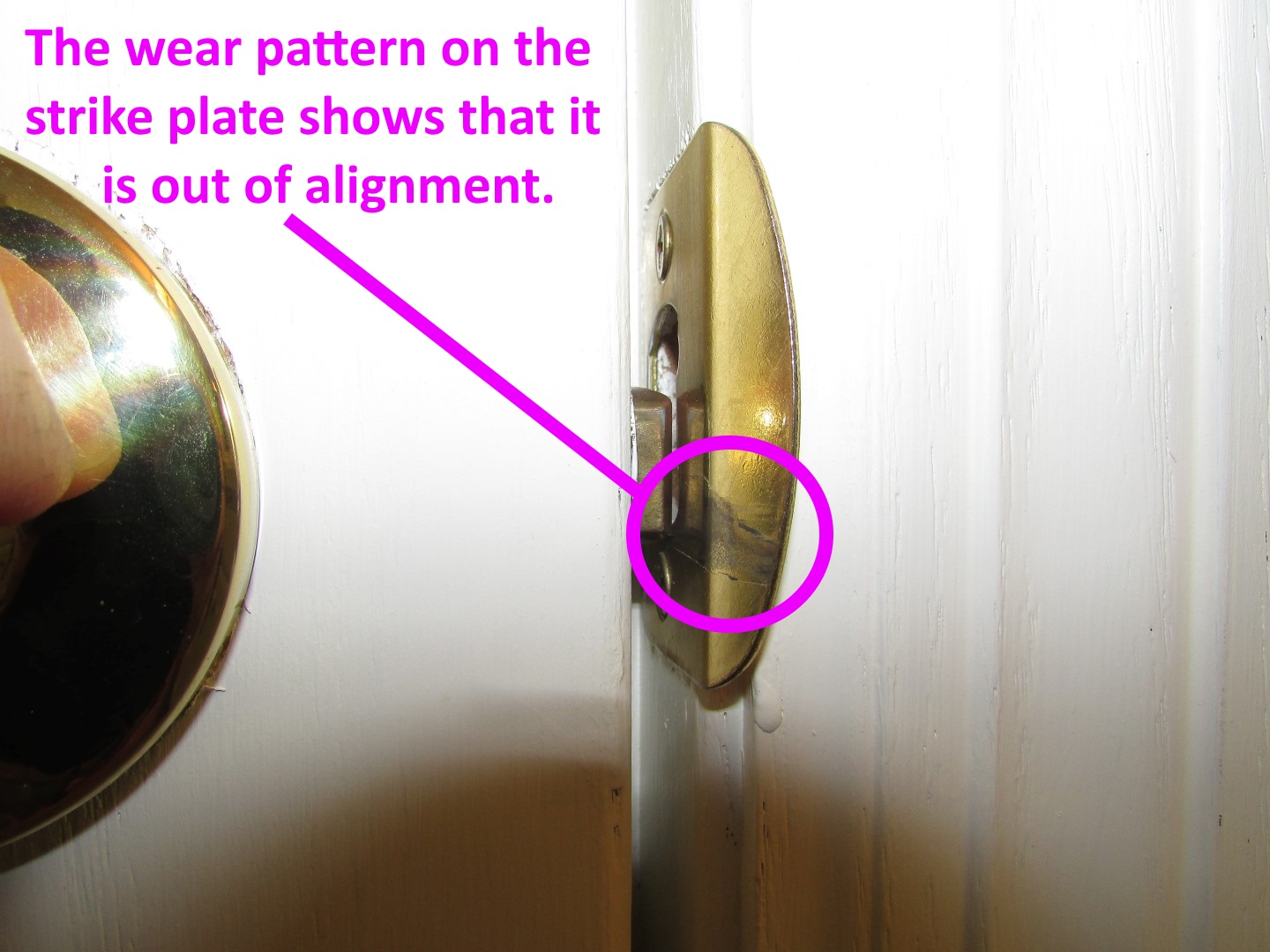
Sometimes the lock is not engaged, but the latch bolt is stuck against the strike plate. This issue occurs when door frames swell or shift due to humidity changes. The handle feels stiff or loose, and the door refuses to budge despite the lock being open.
Diagnose Latch Misalignment Issues
Visual cues can tell you if the latch is binding against the frame. The door may not close smoothly, or you might hear a click without the latch retracting fully.
- The handle feels loose with no resistance when turned.
- The door requires significant force to open or close.
- You see the latch bolt rubbing against the metal strike plate.
Realign the Latch by Shifting the Door
You can often free a jammed latch by changing the pressure on the door frame. This realigns the bolt with the strike plate opening.
- Pull the door toward you or push it away while turning the handle.
- Apply pressure toward the frame if the gap seems too wide.
- Lift the handle slightly upward or downward while turning to find the sweet spot.
- Once the latch clears the plate, the door will open freely.
Bypass a Faulty Exterior Latch Without Damage
Exterior doors with spring latches can sometimes be opened if the deadlocking plunger fails to engage. This is a common installation flaw that leaves the door vulnerable to bypass methods using thin plastic objects.
Understand the Deadlocking Plunger Flaw
The deadlocking plunger is a small pin next to the main latch that prevents the bolt from being pushed back. If the strike plate is misaligned, this plunger stays extended, leaving the main latch vulnerable.
- Close the door and inspect the edge where the latch exits.
- Check if the small plunger is sticking out instead of being flush.
- If the plunger protrudes, the lock can be bypassed easily.
Slide a Plastic Strip to Retract the Latch
This method takes less than five seconds and leaves no physical damage to the door or frame. You can use a strip cut from a plastic water bottle or a stiff plastic mailer.
- Cut a thin strip from a plastic bottle or use a credit-card-style mailer.
- Insert the plastic into the gap between the door and frame at latch height.
- Slide the tool down along the angled edge of the latch bolt.
- Push inward to retract the latch while pulling the door handle.
- The door will open as the latch slides back into the housing.
Fix a Deadbolt That Won’t Extend Fully
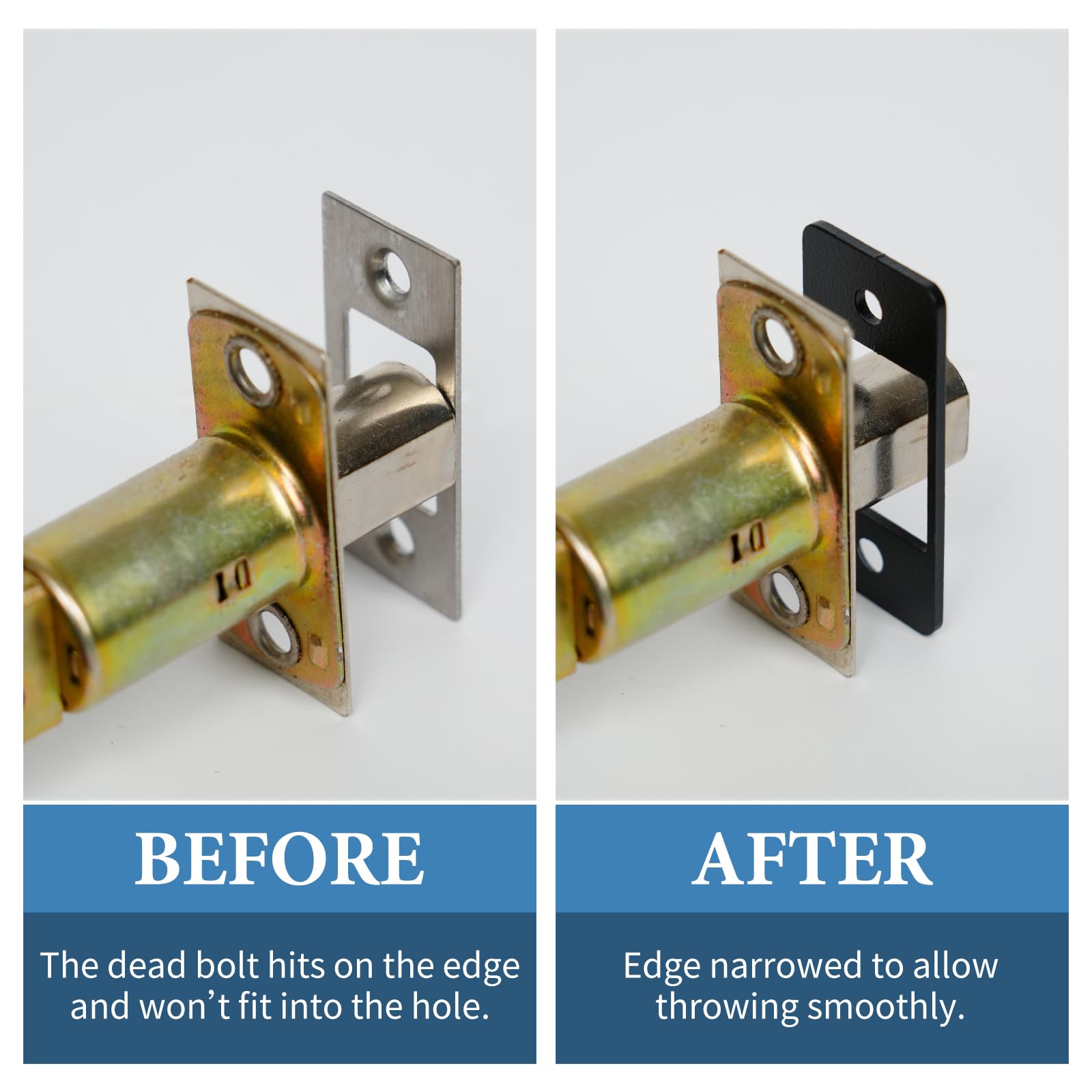
A deadbolt that clicks but does not extend completely offers little security. Intruders can force a partially extended bolt back into the door with minimal effort. Ensuring full extension is critical for home safety.
Test the Bolt Extension Depth
You can verify the integrity of your deadbolt with a simple physical test. A solid click should accompany the locking action, indicating full travel.
- Lock the deadbolt and listen for a distinct clicking sound.
- Shine a flashlight into the strike plate hole on the frame.
- Observe if the end of the bolt is visible and fully seated.
- Push lightly on the bolt end to check for movement or slack.
Deepen the Strike Plate Mortise
If the bolt does not extend fully, the hole in the door frame is likely too shallow. You must deepen the mortise to allow proper bolt travel.
- Remove the screws holding the strike plate to the door frame.
- Use a chisel or drill to remove wood from the bottom of the hole.
- Reattach the strike plate and test the deadbolt extension again.
- Ensure the bolt seats firmly with no play before considering the job done.
Prevent Future Lockouts and Security Risks
Most lock failures result from poor installation rather than defective hardware. Regular maintenance and minor adjustments can prevent future lockouts and security breaches.
Adjust the Strike Plate Position
If the deadlocking plunger remains extended, the strike plate needs adjustment. Moving the plate closer to the door stop ensures the plunger depresses fully.
- Loosen the strike plate screws slightly.
- Shift the plate closer to the door stop or add a shim behind it.
- Tighten the screws and close the door to test the plunger action.
- Verify that the plunger is now fully recessed when the door is closed.
Maintain Emergency Access Points
Interior lever locks require clear access holes to function correctly in an emergency. Dust, paint, or debris can block these critical entry points.
- Clean access holes monthly to remove dust or paint buildup.
- Store spare emergency keys in a labeled, accessible location.
- Label each key with the specific room it opens for quick identification.
When to Stop and Call a Professional
You should stop your attempts immediately if the mechanism resists gentle pressure. Hearing grinding or snapping sounds indicates internal damage is occurring. Forcing a lock can destroy springs, damage the frame, or render the entire assembly useless.
If simple methods fail or the door frame appears warped, contact a licensed locksmith. A professional can open the door without destruction and identify underlying mechanical issues. It is often cheaper to pay for service than to replace the entire door hardware.
Frequently Asked Questions About Door Handle Locks
Can I open a privacy lock with a paper clip?
Yes, you can open many privacy locks by straightening a paper clip and bending the tip into a small hook. Insert it into the center hole and turn clockwise to release the internal spring mechanism.
Why won’t my door handle lock turn even when unlocked?
The latch bolt is likely jammed against the strike plate due to door misalignment. Try lifting or pushing the door slightly while turning the handle to realign the components.
Is it possible to open an exterior door with a plastic card?
This works only if the deadlocking plunger is not engaged due to poor installation. If the plunger is flush, the card method will not work, and the lock remains secure.
How do I know if my deadbolt is fully extended?
Listen for a solid click when locking and visually inspect the bolt in the frame. If you can push the bolt back slightly with your finger, it is not fully extended and needs adjustment.
What should I do if my screwdriver strips the lock mechanism?
Stop immediately to prevent further damage. Continuing to force the tool will likely destroy the internal components, requiring a full lock replacement. Call a locksmith for assistance.
Key Takeaways for Opening Your Door Handle Lock
Knowing how to open a door handle lock saves time and prevents unnecessary damage to your home. Most interior locks can be bypassed with a paper clip or screwdriver, while exterior latch issues often stem from misalignment. Always check the deadlocking plunger and strike plate depth to ensure your doors remain secure against intruders.
Take action today by testing your exterior doors for plunger engagement and clearing debris from interior lock access points. If you encounter resistance or complex mechanical failures, seek professional help to maintain the integrity of your home security system.