If your equipment keeps drifting or rolling away when it should stay put, you need to know exactly how to lock caster wheels properly. Ignoring this step risks damage to your gear, injury to workers, and ruined flooring due to uncontrolled movement.
This guide explains every locking mechanism type, from simple side knobs to dual-action total locks. You will learn which system fits your load, how to engage them correctly, and how to diagnose failures before they cause accidents.
Identify Your Caster Type Before Engagement
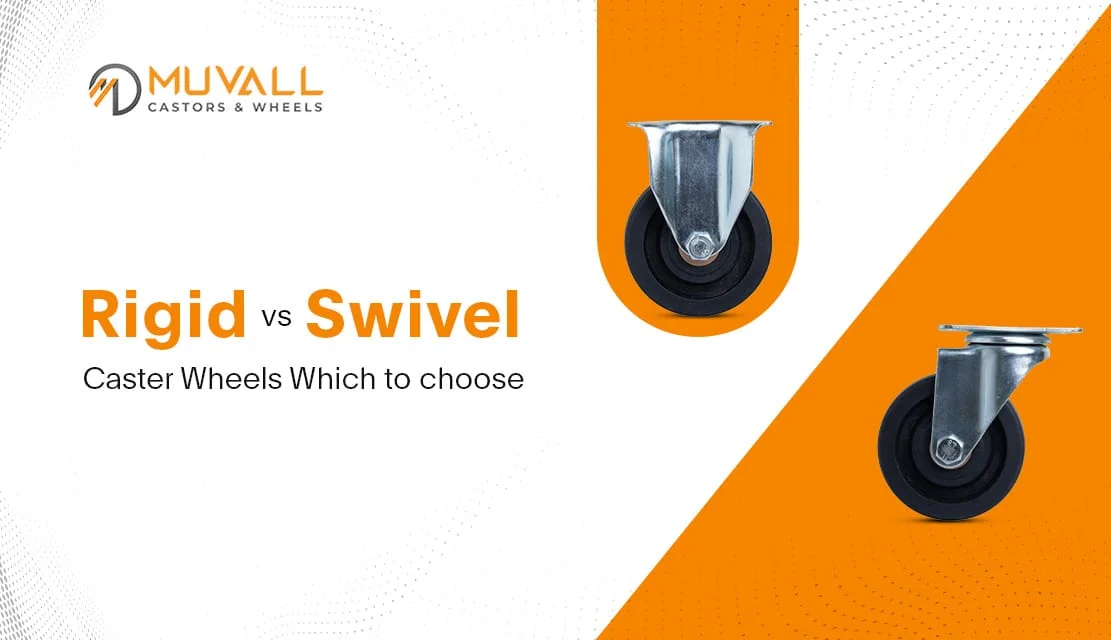
You must confirm whether your casters are swivel, rigid, or equipped with a braking system before attempting to lock them. Using the wrong technique on a swivel caster versus a rigid one will fail to stop movement and may wear out components prematurely.
Distinguish Between Swivel and Rigid Motion
Swivel casters rotate 360 degrees for tight turns, while rigid casters only move forward and backward. Most carts use a mix of two swivel and two rigid casters for balanced control. If all four are swivel types, locking becomes critical to prevent unwanted motion in any direction.
Inspect for Built-In Braking Features
Look closely at each caster to see if a lever, pedal, or knob exists. These components indicate a brake system designed to press against the wheel or swivel joint. If no lever is present, you may need an external solution like a wheel chock or a hardware upgrade.
Engage Side Lock Brakes on Light-Duty Carts

Side lock brakes are common on light-duty carts, BBQ grills, and utility dollies where simple immobilization is needed. They operate manually and are effective for general purposes when used with proper tension.
Turn the Side Knob Clockwise
Rotate the side-mounted knob clockwise until you feel significant resistance. This action applies direct pressure onto the wheel tread to halt rotation completely.
Watch for these signs:
* Ensure the wheel is fully pinched so no spin occurs.
* Do not over-tighten as this can deform rubber wheels.
* Test by pushing the cart gently to confirm it stays still.
Best for: Occasional use, indoor carts, and lightweight loads under 300 lbs.
Activate Tech Lock Brakes for Industrial Use
Tech lock brakes offer more durability than side locks and are typically found on industrial carts requiring frequent use. These systems function by pressing a brake shoe flat against the wheel face.
Press the Foot Pedal to Stop Rotation
Step down on the metal foot pedal located at the front or side of the caster. This engages the brake shoe against the wheel surface to stop forward movement instantly.
Lift the Lever to Release the Brake
Pull the pedal up with your foot or hand to disengage the mechanism and restore mobility.
Key features:
* Stops wheel rotation only while leaving swivel motion free.
* Ideal for frequent lock and unlock cycles in warehouses.
* Requires clean wheel surfaces for maximum braking efficiency.
Operate Top Locking Brake Casters Correctly

Top locking brakes are among the most widely used systems, especially on tool carts and adjustable workbenches. They feature a side lever that presses a brake pad onto the top of the wheel.
Flip the Lever to the On Position
Locate the side lever marked “On” and “Off” then flip it to “On.” Inside the mechanism, a brake pad presses down on the top of the wheel to prevent rolling.
Verify Wheel Immobilization Manually
Spin the wheel with your hand to ensure it does not turn. If it moves, the brake is not fully engaged and needs adjustment.
Understand That Swivel Motion Remains
With top lock systems, only the wheel is stopped while the caster can still pivot. This allows slight repositioning but can lead to slow drifting known as creep on slopes.
Load limits by size:
* 4″ caster: Up to 600 lbs
* 5″ caster: Up to 800 lbs
* 6″ caster: Up to 1,200 lbs
* 8″ caster: Up to 1,250 lbs
Engage Total Lock Brakes for Maximum Stability
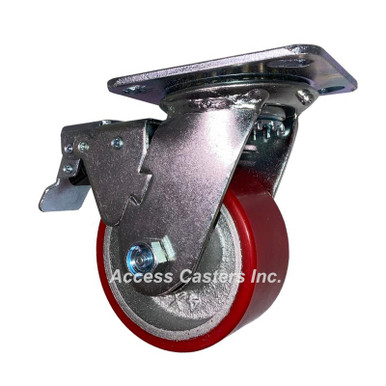
For absolute stability, total lock casters are the gold standard for heavy or precision equipment. These dual-action systems stop both wheel rotation and swivel movement simultaneously.
Press Down to Lock Wheel and Swivel
One single action stops the wheel from rotating and pins the swivel joint in place. The result is zero movement in any direction, eliminating all risk of drift.
Deploy for Heavy Precision Equipment
Use these locks on CNC machines, medical procedure carts, welding tables, and laboratory platforms. They prevent misalignment during operation and enhance safety with high-value loads.
Why choose total lock over top lock?
* Eliminates creep caused by vibration.
* Prevents misalignment during critical operations.
* Enhances safety with hazardous or expensive loads.
Install Four-Position Swivel Locks for Versatility
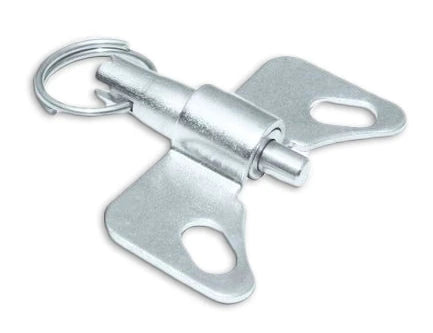
You can convert swivel casters into rigid ones without replacing hardware by using a four-position swivel lock. This device attaches to the mounting plate and allows you to fix the direction of travel.
Bolt the Lock to the Mounting Plate
Attach the device onto the swivel caster’s top plate using the included carriage bolts and lock nuts. Ensure the bolt pattern matches your caster plate before purchase.
Select a Fixed Direction for Travel
Pull the retention pin, twist the mechanism to align with one of four notches, then reinsert the pin. The caster now acts like a rigid unit, rolling only forward and backward.
Unlock for Full Swivel Mode Instantly
Pull the pin again and rotate freely to return to full 360-degree mobility. This allows you to switch between tight turns and stable positioning as needed.
Smart applications:
* Lock two casters for straight tracking in long hallways.
* Switch to agile mode for workshop maneuvering.
* Save costs by avoiding separate rigid caster purchases.
Apply Dead Man’s Brake Systems for Safety
In high-safety environments, carts must move only when an operator is present to guide them. Dead man’s brake systems integrate directly into the cart handle structure.
Hold the Handle to Release Brakes
Press and hold the lever on the cart handle to release the brakes and allow movement. This system operates similarly to a lawnmower safety switch.
Let Go to Engage Automatic Locking
Release the handle and the brakes engage immediately to stop all motion. This prevents runaway carts if the operator stumbles or lets go unexpectedly.
Where it’s used:
* Industrial assembly lines with heavy loads.
* Hazardous material handling areas.
* Facilities aiming to reduce forklift traffic.
Diagnose Common Locking Failures Quickly
Even the best systems fail if misused or worn out, so you must spot issues early to maintain safety. Common problems include wheel spin, drifting, or stiff levers.
Wheel Spins Despite Lever Being On
Causes: Worn brake shoe, loose mounting bolts, or debris between pad and wheel.
Fix: Inspect and clean the area, then replace brake pads if they appear thin or cracked.
Caster Drifts on Slight Incline
Likely cause: Only the wheel is locked while the swivel remains free.
Solution: Upgrade to total lock casters or add wheel chocks to prevent swivel drift.
Lever Is Stiff or Won’t Engage
Check: Rust on pivot points, bent lever arms, or misaligned brake shoes.
Maintenance step: Lubricate pivot joints with silicone spray and avoid oil that attracts dust.
Choose the Right Lock for Your Needs
Not all locking systems are equal, so you must match the mechanism to your specific application requirements. Consider load, environment, and precision needs before selecting.
Need to Pivot While Stopped?
Use top locking brakes for workbenches where you rotate the unit slightly during use.
Require Absolute Stability?
Go with total locking brakes for medical, industrial, and precision tasks requiring zero movement.
Switch Between Long Runs and Tight Turns?
Install four-position swivel locks to maximize versatility without changing casters.
On a Budget with Light Use?
Side lock or basic tech lock systems work fine for occasional immobilization needs.
Maintain Locking Mechanisms for Long Life
A well-maintained brake lasts years, while neglect leads to failure and potential safety hazards. Regular checks ensure your locking system performs when you need it most.
Monthly Inspection Checklist
- Test each brake to ensure it stops the wheel completely.
- Check swivel lock pins for bends or difficulty in removal.
- Examine brake pads for wear exceeding 50% of thickness.
- Tighten mounting hardware since loose bolts reduce effectiveness.
Protect Floors and Wheels Simultaneously
Use non-marking polyurethane wheels on finished floors to resist scuffing. For electronics labs, choose electrostatic dissipative (ESD) casters to prevent static discharge.
Upgrade When Necessary for Better Safety
Older carts often lack proper brakes, forcing users to rely on bricks or blocks to stop movement. If this sounds familiar, it is time to upgrade your hardware immediately.
Replace with Dedicated Locking Caster Wheels
Options include total lock casters for maximum safety and swivel lock kits as add-on modules. You can also choose kingpinless designs for less maintenance and higher durability.
Pro tip: Buy four swivel casters with swivel locks instead of mixing rigid and swivel types. This gives you full flexibility to lock any two into fixed positions as needed.
Frequently Asked Questions About How to Lock Caster Wheels
What is the difference between top lock and total lock casters?
Top lock stops the wheel from rolling but allows the caster to swivel, which can cause drifting. Total lock stops both the wheel rotation and the swivel action for absolute stability.
Can I convert my swivel casters to rigid casters?
Yes, you can install a four-position swivel lock on the mounting plate. This allows you to fix the caster direction at 0°, 90°, 180°, or 270° without buying new hardware.
Why does my locked cart still drift on a slope?
This happens because standard top locks only stop wheel rotation, not the swivel joint. Vibration or gravity causes the swivel to turn, leading to slow creep. You need total lock casters to fix this.
How much weight can standard locking casters hold?
Standard top-locking casters range from 600 lbs for 4-inch wheels up to 1,250 lbs for 8-inch wheels. Always check the specific rating for your caster size before loading.
How do I maintain my caster brakes for longevity?
Inspect brake pads monthly for wear, tighten loose mounting bolts, and lubricate pivot points with silicone spray. Keep wheels clean of debris to ensure proper brake contact.
Key Takeaways for Locking Caster Wheels Safely
Knowing how to lock caster wheels properly transforms a wobbly, unreliable cart into a stable and safe platform for any task. From flipping a simple lever to installing advanced dual-lock systems, the right method depends entirely on your load and precision needs.
Always match the locking type to the task, using top locks for flexibility and total locks for stability. With regular checks and proper use, your casters will deliver reliable performance for years. Start by inspecting your current setup today to ensure you have the right protection.