A front door lock that sticks or fails to engage creates an immediate security risk for your home. Most failures stem from simple misalignment or internal friction rather than a broken mechanism.
You can fix front door lock issues in under 30 minutes using basic tools and this guide. Learn to diagnose alignment errors, adjust your striker plate, and apply the correct lubricant for smooth operation.
Diagnose Lock Misalignment First
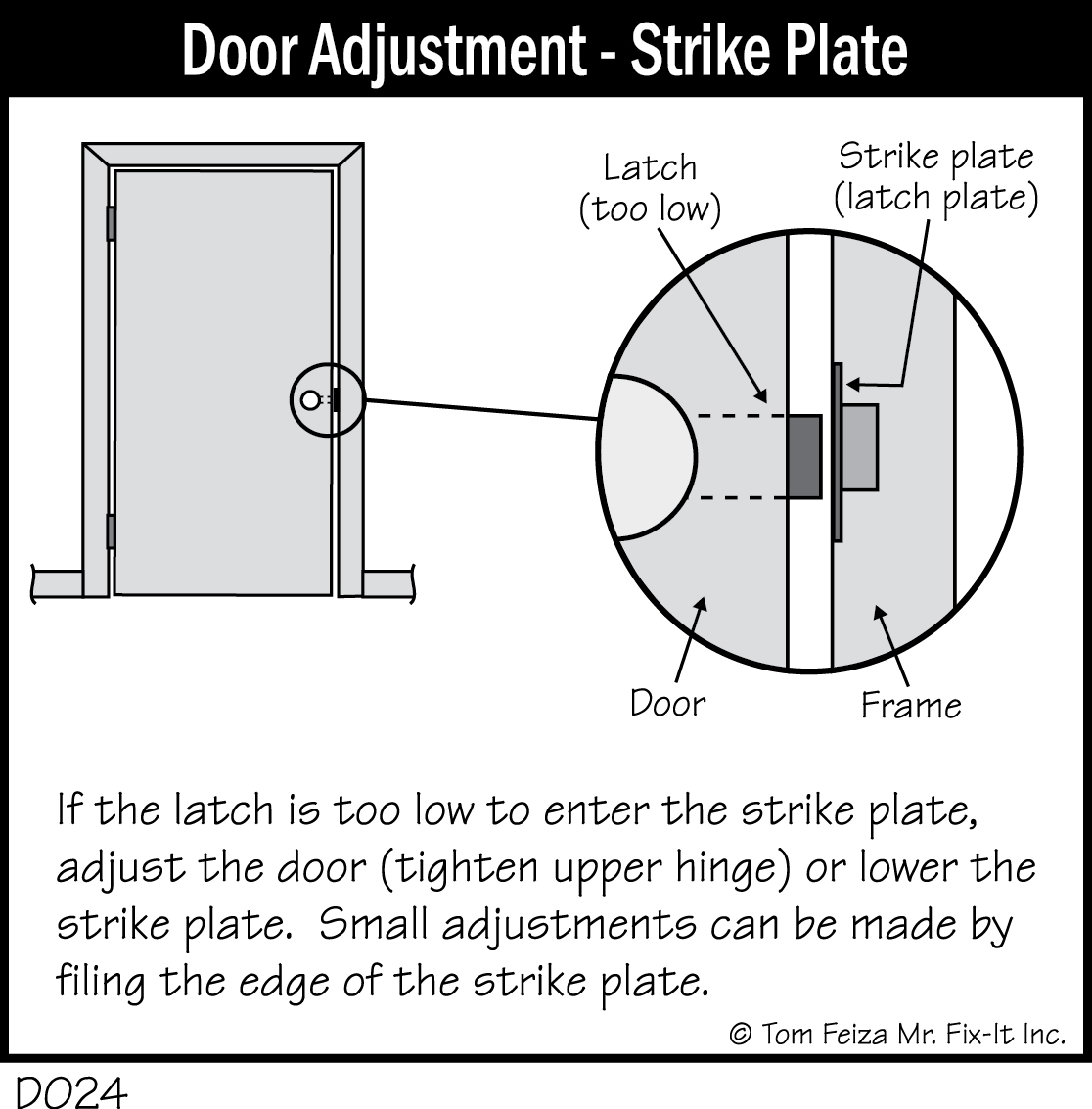
Confirm misalignment before you disassemble any parts or buy new hardware. A properly aligned deadbolt slides into the striker plate smoothly when the door closes without resistance.
Identify the Striker Plate Issue
The striker plate sits on your door jamb and receives the deadbolt. This metal piece, often made of brass or brushed nickel, must line up perfectly with the bolt for success.
Even a slight offset causes the bolt to hit the frame or fail to extend fully. Three specific misalignment types cause most lock failures.
- Vertical misalignment: The bolt strikes above or below the plate opening.
- Depth misalignment (too far in): The plate blocks the bolt path inside the jamb.
- Depth misalignment (too far out): The plate catches the bolt before the door seals shut.
These issues develop over time as your house settles or weather changes affect the door frame.
Use the Marking Method to Pinpoint Error
This diagnostic trick reveals exactly how to adjust your hardware without guessing. You will see precisely where the bolt contacts the frame.
- Extend the deadbolt fully while the door stands open.
- Mark the top and bottom of the bolt tip on the door frame with a pencil.
- Close the door gently and check where your marks sit relative to the striker plate hole.
Interpret your findings to determine the necessary adjustment direction. Marks above the hole mean the plate is too low and needs raising.
Marks below the hole indicate the plate is too high. If the door resists closing, the plate sits too deep. If the door will not close flush, the plate sticks out too far.
Adjust the Striker Plate Position
Repositioning the striker plate resolves the majority of front door lock engagement issues. Follow these steps to realign the hardware for perfect bolt capture.
Loosen and Reposition the Plate
Start by partially loosening the two screws holding the striker plate. Do not remove them completely, as you only need enough slack to shift the plate.
Move the plate up, down, in, or out based on your diagnostic marks. Test the alignment by closing the door and engaging the lock mechanism.
- Tighten the screws once the deadbolt slides in cleanly.
- Enlarge the mortise with a chisel if the plate cannot move far enough.
- Remove wood carefully to allow greater vertical or depth adjustment.
Ensure your adjustments are precise to prevent future binding or sticking.
Verify Smooth Operation
Test your work by closing the door five times and engaging the lock each time. The door should seal flush against the weatherstripping without gaps.
The deadbolt must extend with minimal force and no scraping sounds. If you feel resistance, double-check your marks and adjust the plate further.
Precision during this step ensures long-term reliability for your entryway security.
Lubricate for Smooth Lock Function

Internal friction often causes a sticky lock even when alignment is perfect. Choosing the right lubricant makes a dramatic difference in performance and longevity.
Choose the Right Lubricant Type
Using standard penetrating oil is a common mistake that ruins locks over time. You must select a product designed for long-term lubrication rather than rust removal.
| Lubricant Type | Best For | Avoid If |
|---|---|---|
| Silicone-based | Outdoor locks and humid climates | None, ideal for most homes |
| Dry lubricant | High-security or precision locks | You need a cheap emergency fix |
| 3-in-1 oil | Emergency lubrication only | You want regular maintenance |
| Standard WD-40 | Freeing rusted parts temporarily | Always for long-term use |
Penetrating oils dissolve rust but evaporate quickly, leaving a sticky residue. This residue attracts dust and grime, eventually clogging the lock mechanism.
Apply Lubricant Correctly
Follow this protocol to lubricate your lock without creating a messy buildup inside the cylinder.
- Spray a small amount directly into the keyhole and onto the exposed deadbolt.
- Wipe away excess fluid immediately with a clean cloth to prevent dirt attraction.
- Operate the lock 10 to 15 times by inserting the key and turning it.
- Lubricate door hinges with a single drop on each pivot point to prevent sagging.
- Test the door by closing it fully to ensure smooth locking action.
Repeat this maintenance every six months, especially if you live in a coastal or humid area.
Prevent Future Lock Problems

Fixing your front door lock once helps, but preventing recurrence saves time and money. Simple habits extend the life of your hardware and keep your home secure.
Maintain Alignment with Door Care
Doors shift due to seasonal swelling, wind stress, and hinge wear. These movements inevitably affect the alignment of your locking mechanism over time.
- Check alignment annually using the marking method described earlier.
- Tighten hinge screws every few months to stop the door from sagging.
- Replace stripped holes with longer screws or wood glue and toothpicks.
Loose hinges are a leading cause of lock misalignment, so keep them tight.
Schedule Regular Lubrication
Set a calendar reminder to lubricate your front door lock twice a year. Spring and fall are ideal times to perform this quick maintenance task.
Use a silicone-based spray for its durability and resistance to moisture. Avoid oil-based products because they degrade and gum up internal mechanisms over time.
Extend this care to sidelights, deadbolts, and handle sets if your entryway has them.
Recognize When to Call a Pro
Most lock issues are DIY-fixable, yet some signs indicate you need professional help. Do not force a mechanism that feels internally broken.
- Key won’t turn even after thorough lubrication and alignment checks.
- Internal components feel broken with grinding noises or a loose cylinder.
- Lock cylinder spins freely without engaging the bolt mechanism.
- Visible damage exists on the strike plate or door frame structure.
A locksmith can repair or replace the mechanism safely to restore full security.
Frequently Asked Questions About Fixing Front Door Locks
Can I use regular WD-40 to fix a sticky lock?
No, you should avoid standard WD-40 for long-term lock maintenance. It is a penetrating oil that evaporates and leaves a sticky residue that attracts dust and grime. This buildup eventually clogs the mechanism and makes the lock stickier than before.
How often should I lubricate my front door lock?
You should lubricate your front door lock every six months for optimal performance. Homes in coastal or humid areas may benefit from more frequent application to prevent rust and corrosion.
What causes my deadbolt to hit the striker plate?
Misalignment between the deadbolt and striker plate causes this issue. The door frame may have shifted due to settling, weather changes, or loose hinges, causing the bolt to strike the wrong spot.
Do I need special tools to adjust a striker plate?
No, you typically only need a screwdriver and a pencil for the marking method. A chisel might be necessary if you need to enlarge the mortise to allow for greater plate movement.
Why does my door lock work when open but not when closed?
This usually indicates depth misalignment where the striker plate is too far in or out. The bolt engages before the door sits flush against the frame, preventing full closure.
Key Takeaways for Fixing Your Front Door Lock

You can fix front door lock problems by addressing misalignment and friction with simple tools. Diagnosing with the marking method and adjusting the striker plate restores smooth operation in minutes.
Regular lubrication with silicone-based products prevents future sticking and extends hardware life. Perform these maintenance steps twice a year to keep your entryway secure and functional.
Take action today by checking your door alignment and applying the correct lubricant. Your lock is your first line of defense, so keep it running smoothly with minimal effort.