A jammed lock turns a simple daily task into a stressful emergency that leaves you stranded outside. Whether the issue involves your front door or a padlock, learning how to unjam a lock saves time and money compared to calling a professional.
This guide details exactly how to unjam a lock using household items and proven repair techniques. You will discover how to diagnose debris issues, apply the correct lubricants, and fix frozen mechanisms without causing further damage.
Identify Why Your Lock Won’t Turn
Determining the root cause is the first step before applying force or liquids to the mechanism. Different problems require specific solutions, so inspect the keyway carefully before proceeding.
Check for Dirt and Grime Buildup
Dust and pocket lint often accumulate inside the cylinder over time. Use a flashlight to look for visible gunk if the key stops turning halfway through. Cleaning the interior is usually necessary if you see resistance or debris.
Inspect Keys for Damage
A bent or worn key is a primary reason locks fail to operate correctly. Compare your current key to a spare one to check for rounded edges or a twisted blade. Never force a damaged key as it might break inside the lock.
Assess Weather Impact on Metal
Extreme temperatures cause metal components to expand or contract significantly. Moisture may freeze inside the cylinder during cold snaps while heat causes parts to swell. Thermal expansion is likely the culprit if the lock sticks only during weather extremes.
Apply the Correct Lubricant for Smooth Operation
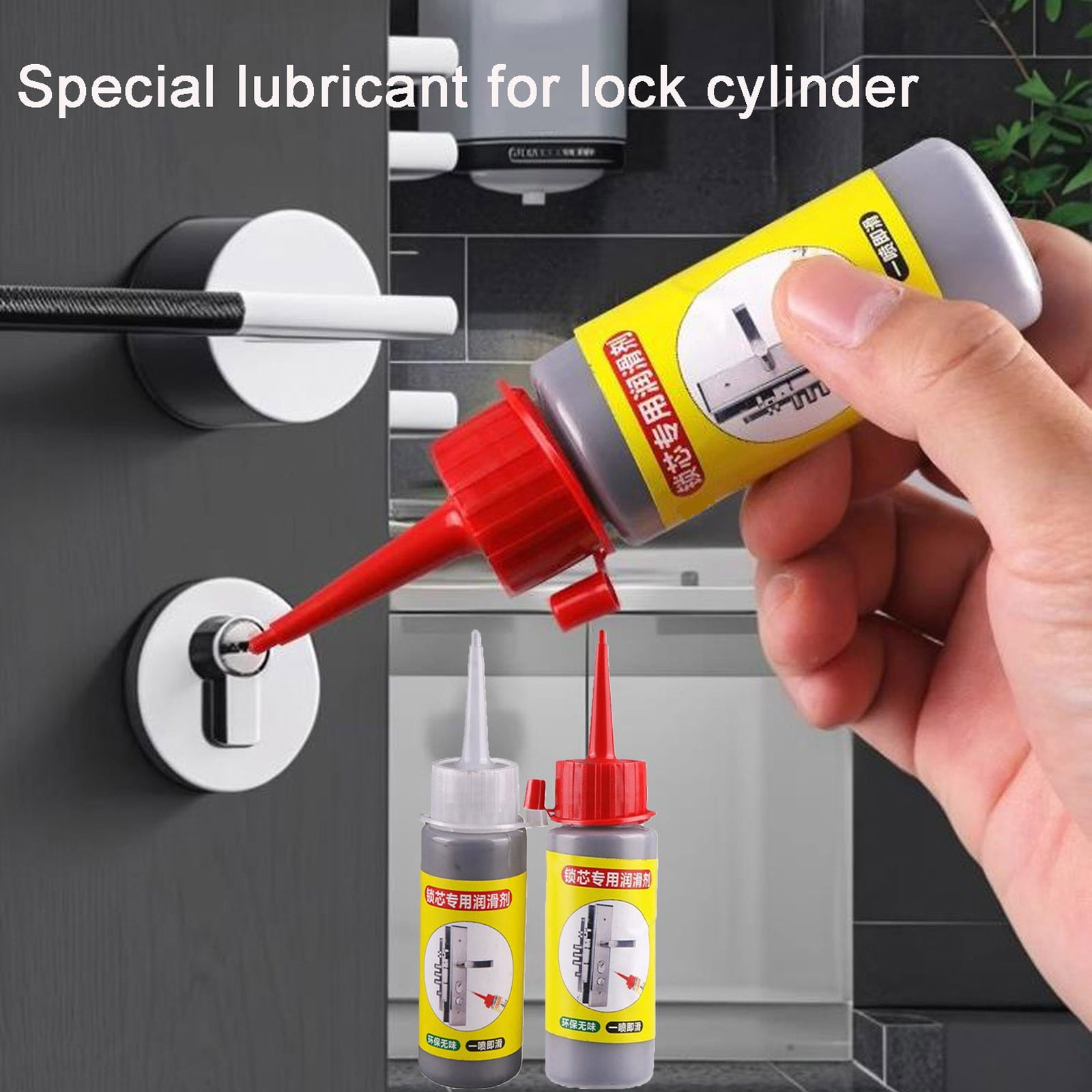
Using the right lubricant is often the fastest way to fix a sticky lock mechanism. Choosing the wrong product can make the problem worse by attracting more dirt.
Use Dry Graphite Powder
Graphite powder is the ideal lubricant for most pin tumbler locks because it stays dry. Follow these steps to apply it effectively:
1. Insert a small applicator tube directly into the keyway.
2. Squeeze a light puff of powder inside the cylinder.
3. Insert and remove the key several times to spread the lubricant.
Avoid overfilling the lock since too much graphite can clump and create new blockages.
Try Silicone Spray for Outdoor Locks
Silicone spray is safe for locks and excellent at repelling moisture in outdoor settings. Spray a small amount into the keyhole and work the key in and out to distribute it. This option works well for locks exposed to rain or snow.
Avoid Oil-Based Products
Common household oils like WD-40 or cooking oil attract dust and harden over time. These substances turn your lock into a sticky trap that gathers more debris. Stick to dry lubricants or silicone sprays labeled specifically for locks.
Manipulate the Key Gently to Free Pins
The way you insert and turn the key plays a massive role in successfully unjamming the mechanism. Patience and proper technique often yield better results than brute force.
Insert the Key Slowly and Straight
Angle matters significantly when inserting a key into a jammed lock. Align the key flat with the keyway and push it in gently without forcing it. Back the key out immediately if it stops short to inspect for obstructions.
Wiggle While Applying Turning Pressure
Try a light wiggle if the key is fully inserted but refuses to turn. Hold the key at the base and nudge it up and down while applying gentle turning pressure. This motion helps dislodge stuck pins without breaking an old or brittle key.
Test with a Spare Key
Spare keys are often less worn and more precise than your daily driver. Switch to a backup key to test if the issue stems from microscopic wear on your primary key. This simple swap can confirm whether the problem lies with the key or the lock.
Tap the Lock to Dislodge Stuck Parts
A light physical shock can sometimes free internal parts that have become stuck due to gravity or minor debris.
Tap the Doorknob Lightly
Hold the key in place and tap the lock body with a small hammer or screwdriver handle. A few light taps can jostle stuck pins or springs back into their proper positions. This method works best when the key turns partway before stopping suddenly.
Avoid Heavy Impacts
Never strike the lock hard because this can damage the internal mechanism or crack the housing. Use taps no stronger than a firm knock on a door. Move on to another method if tapping does not work after three or four tries.
Thaw a Frozen Lock Quickly
Cold weather frequently causes locks to jam due to ice buildup inside the cylinder. You can melt minor ice blockages safely with heat or chemical de-icers.
Warm the Key Before Insertion
Heat a spare key with a hair dryer or by holding it in your hand for a minute. Insert the warm key slowly to melt minor ice blockages without damaging the metal. Do not use an open flame as melting ice too fast can create steam pressure.
Use a De-Icing Spray
Commercial de-icer or high-percentage isopropyl alcohol melts ice without harming metal components. Spray a small amount into the keyway and wait ten to fifteen seconds before inserting the key. Rubbing alcohol evaporates quickly and leaves no residue behind.
Remove a Broken Key Safely
Extraction is the mandatory first step if your jam results from a snapped key inside the cylinder.
Use Needle-Nose Pliers
Grip the visible portion of the key with fine-tipped pliers if possible. Pull straight out while holding the pliers steady to avoid twisting. Twisting could push fragments deeper into the mechanism.
Try a Broken Key Extractor Kit
Specialized kits include slim hooks designed specifically for removing broken keys. Insert the tool beside the broken piece, hook the teeth, and pull gently. These inexpensive kits are available at most hardware stores.
Stop If Extraction Fails
Stop trying immediately if the key is deep inside or fragments remain stuck. Forcing extraction can damage the lock cylinder beyond simple repair. Call a locksmith to avoid costly replacements if you cannot retrieve the piece.
Realign the Strike Plate

Sometimes the lock itself is fine but the door alignment prevents the latch from engaging properly.
Check Door Alignment
Close the door slowly and watch the latch to see if it drags against the strike plate. The frame may be out of sync if the latch does not slide in smoothly. This issue mimics a jam but is actually a door adjustment problem.
Adjust the Strike Plate Position
Loosen the screws on the strike plate and shift it slightly up, down, or sideways. Test the door repeatedly until the latch slides in freely without resistance. You may need to chisel the mortise deeper if the plate sits too recessed.
Know When to Call a Professional Locksmith
Not every jam can be fixed at home, and recognizing this limit saves you from causing severe damage.
Persistent Jamming After Lubrication
Internal damage may be present if the lock still sticks after cleaning and lubricating. Worn springs, broken pins, or a damaged cylinder require professional service to fix correctly.
Visible Rust or Corrosion
Visible rust or a gritty grinding sound indicates the lock is deteriorating internally. Lubrication might offer temporary relief, but replacement is usually the best long-term solution for corroded locks.
Recurring Lock Issues
Frequent jams even after maintenance signal significant wear or poor lock quality. Upgrading to a higher-grade lock can save you time and frustration in the future.
Frequently Asked Questions About Unjamming Locks
Can I use WD-40 to unjam a lock?
No, you should avoid using WD-40 or oil-based lubricants on locks. These products attract dust and dirt which eventually hardens and gums up the internal mechanism.
What is the best lubricant for a sticky lock?
Dry graphite powder is the best lubricant for most pin tumbler locks. It does not attract dirt and works effectively in extreme temperatures without leaving a residue.
How do I unjam a lock frozen by ice?
Warm the key with a hair dryer or use a commercial de-icing spray to melt the ice. Insert the warm key slowly to avoid creating steam pressure inside the cylinder.
Why does my key go in but not turn?
This issue often stems from debris blocking the pin tumblers or a worn key that no longer aligns the pins correctly. Try cleaning the lock or using a spare key to see if the problem persists.
When should I call a locksmith instead of fixing it myself?
Call a locksmith if the key is broken deep inside or if the lock remains stuck after lubrication and cleaning attempts. Professional help is also necessary for locks with visible internal corrosion.
Key Takeaways for Fixing Your Jammed Lock
Learning how to unjam a lock starts with identifying the specific cause rather than forcing the key. Most issues resolve quickly by removing debris, using graphite lubricant, or thawing ice with care.
Avoid common mistakes like using oil-based sprays or striking the lock too hard during repairs. Regular maintenance with the right tools keeps your locks functioning smoothly for years to come.