You bought a new combination lock for your gym bag or suitcase, but it still shows the factory code of 0-0-0. Leaving this default setting exposes your belongings to anyone who knows how to set a lock or simply tries the standard code. Changing this immediately is the only way to ensure your items remain secure from casual theft.
This guide explains exactly how to set a lock for both side-reset padlocks and shackle-reset luggage models. You will learn the precise steps to reprogram your device, avoid common setup errors, and choose a combination that is hard to guess. Follow these instructions to protect your valuables with confidence.
Unlock Using the Factory Default Code
You must open the lock with its current code before you can change the combination. Most new locks arrive preset to 0-0-0 for three-digit models or 0-0-0-0 for four-digit versions. Align every dial so the zero sits directly under the indicator arrow on the lock body.
Execute the Standard Opening Sequence
Proper dial manipulation is critical to releasing the internal locking bars. Follow this exact pattern to open the device:
1. Spin the dial clockwise two or three full turns to clear any internal tension.
2. Turn the dial clockwise again and stop when the first zero aligns with the arrow.
3. Rotate the dial counterclockwise, passing the zero once, then stop at the second zero.
4. Turn the dial clockwise directly to the final zero (and fourth zero if applicable).
5. Pull the shackle upward to release the lock.
Pro Tip: Precision matters more than speed. If the numbers are even slightly off the center line, the internal mechanism will not disengage.
Reset Side-Reset Padlocks with a Tool
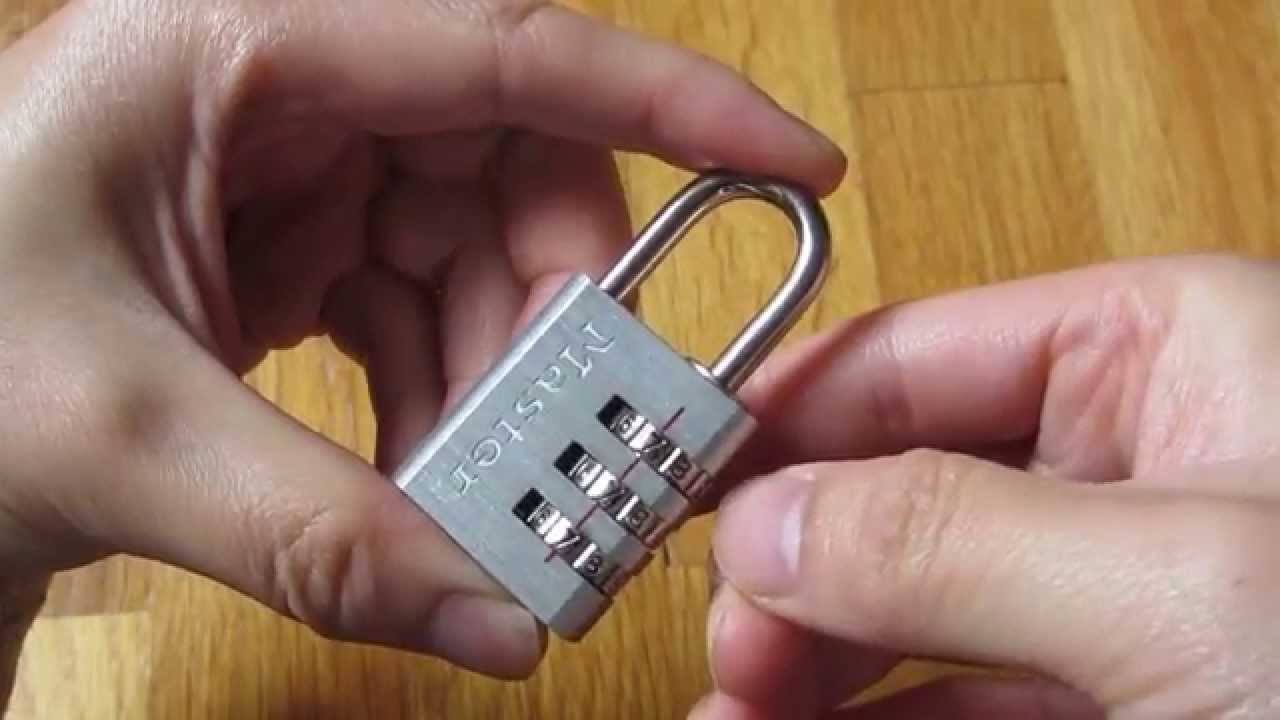
Side-reset locks feature a tiny hole on the casing that requires a thin instrument to access the internal reset lever. This method is common for gym lockers and storage units where higher durability is needed.
Prepare the Lock for Reprogramming
The lock must be in the closed and locked position to begin. If the shackle is open, the internal components will not align for resetting. Rotate the shackle 90 degrees so it stands perpendicular to the main body of the lock.
Engage the Internal Reset Lever
Locate the small metal knob on the side of the lock next to a tiny aperture. Insert a straightened paperclip, push pin, or small screwdriver into this hole. Push firmly until you feel distinct resistance, which indicates the reset lever is engaged.
Program Your New Combination
Maintain steady pressure on your tool while you perform these steps:
* Rotate each dial to your desired numbers.
* Ensure every digit aligns perfectly with the indicator arrow.
* Remove the tool only after all numbers are set.
Warning: Releasing the tool before setting all dials will cancel the process. You must hold the lever down until the new code is fully entered.
Reprogram Shackle-Reset Luggage Locks
Travel locks often use the shackle movement itself to trigger reset mode. This design eliminates the need for external tools, making it ideal for quick changes while traveling.
Position the Shackle for Reset Mode
You must manipulate the shackle through a specific sequence to unlock the dials for editing:
1. Pull the shackle out fully from the lock body.
2. Rotate the shackle 180 degrees so it points downward.
3. Push the shackle back into the body until it clicks.
4. Turn the shackle another 90 degrees to lock it in the reset position.
Save and Verify Your New Code
Turn the dials to your chosen sequence, such as 4-7-2. Take your time to ensure each number is centered. Once set, pull the shackle out completely and push it back in. This action finalizes the new combination in the internal wheels.
Test the lock by scrambling the numbers and trying to open it with your new code. If it fails, repeat the entire rotation process to ensure you did not miss a step.
Expert Note: A single digit out of alignment will prevent the lock from opening. Double-check your work before closing the shackle for the first time.
Avoid Common Mistakes When Setting a Lock
Many users fail to reset their locks because they skip minor but critical steps. Understanding these pitfalls ensures your first attempt is successful.
Ensure the Lock Is Fully Closed
For side-reset models, the shackle must be locked before you insert the reset tool. An open shackle prevents the internal lever from engaging, making it impossible to change the code.
Verify Shackle Rotation Angles
Luggage lock failures often stem from incorrect shackle positioning. You must rotate the shackle exactly 180 degrees first, then push it in, and finally turn it another 90 degrees. Missing either angle leaves the dials in read-only mode.
Maintain Tool Pressure
When using a paperclip or pin, removing it too early cancels the reset. Keep the tool pressed firmly against the internal lever until you have finished turning all the dials to your new numbers.
Choose a Secure Combination Code

The strength of your lock depends entirely on the code you select. Weak patterns allow thieves to bypass your security measures instantly.
Eliminate Predictable Patterns
Avoid codes that are easy to guess or commonly tried by intruders:
* Sequential numbers like 1-2-3 or 4-5-6.
* Repeated digits such as 0-0-0 or 8-8-8.
* Obvious dates like birth years or common holidays.
Create a Memorable Yet Unique Sequence
Select a code that means something to you but is not obvious to others. You might use a partial phone number, a sports jersey number, or an obscure date. Never write this code on the lock itself or store it in the same bag you are securing.
Security Note: Standard combination locks are low-security devices. They deter casual access but cannot stop determined thieves with specialized tools.
Troubleshoot Lock Malfunctions

If your lock does not open or reset properly, diagnose the issue using these common solutions.
Shackle Refuses to Open
Cause: The dials are misaligned or the sequence is incorrect.
Fix: Clear the lock by spinning the dial clockwise several times. Re-enter the combination slowly, ensuring perfect alignment with the indicator arrow for every digit.
Reset Procedure Fails
For side-reset models: Confirm the lock was closed and the shackle was locked before inserting the tool.
For luggage locks: Re-verify the shackle steps. You must pull out, rotate 180 degrees, push in, and rotate 90 degrees before changing digits.
Forgotten Combination
If you lose your code, you cannot reset the lock without the current sequence. Try common defaults like 0-0-0 or 1-2-3. You may also try the feel-and-listen method by slowly turning dials to detect slight resistance. As a last resort, you may need to cut the lock.
Reality Check: A 3-digit lock has only 1,000 possible combinations. A persistent person can brute-force this by hand in under an hour.
Maintain Your Lock for Longevity
Proper care extends the life of your lock and keeps the mechanism functioning smoothly.
Clean Dials and Shackle Regularly
Wipe away dirt, sweat, and sand after every use, especially at the gym or beach. Debris can jam the internal wheels and prevent accurate dialing.
Lubricate with Dry Graphite
If the dials feel stiff, apply a small amount of dry graphite spray to the mechanism. Avoid oil-based lubricants, as they attract dust and create a gummy residue that hinders movement.
Store in a Dry Environment
Moisture causes corrosion on internal metal parts. Keep your lock in a dry place when not in use to prevent rust and ensure reliable operation.
Understand Security Limitations
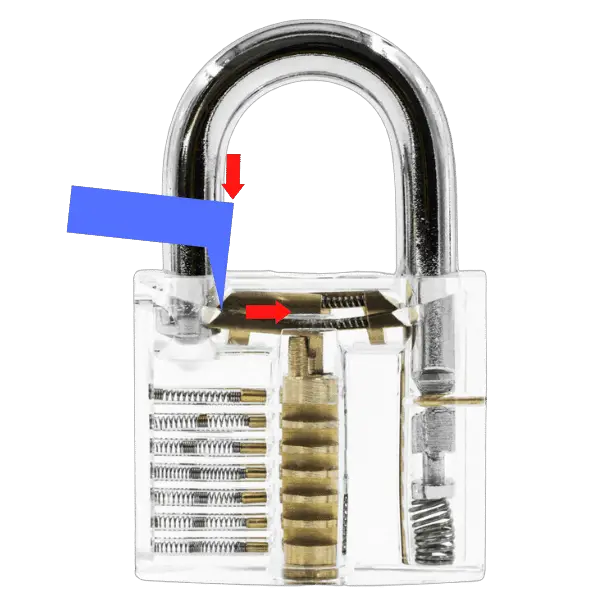
Knowing how to set a lock is only half the battle. You must also understand what these devices can and cannot protect against.
Ideal Use Cases
- Gym lockers
- School storage cabinets
- Checked luggage
- Shared equipment rooms
Security Vulnerabilities
- Susceptible to feel-and-listen bypass techniques
- Vulnerable to shimming or cutting with basic tools
- Limited combination pool allows for brute force attacks
Bottom Line: Use these locks as deterrents for casual theft, not as high-security barriers for valuable assets.
Frequently Asked Questions About Setting a Lock
What is the default code on most new combination locks?
Most 3-digit locks come preset to 0-0-0, while 4-digit models use 0-0-0-0. You must change this immediately after purchase to ensure security, as anyone can open the lock with these standard codes.
Can I reset my lock if I forgot the current combination?
No, you generally cannot reset a combination lock without knowing the current code. The reset mechanisms require the lock to be opened or in a specific locked state that needs the current code to access.
Why won’t my side-reset lock accept a new code?
This usually happens if the shackle was not fully closed before inserting the reset tool. The internal mechanism only engages when the lock is in the locked position. Ensure the shackle is closed and try the reset process again.
How many possible combinations does a 3-digit lock have?
A standard 3-digit lock has 1,000 possible combinations (000 to 999). While this seems large, it is possible for someone to test all combinations by hand in less than an hour.
Is it safe to use a combination lock for high-value items?
No. Standard combination locks are designed for convenience and low-security deterrence. They are easily defeated by determined thieves using simple tools. Do not use them for high-value items.
Key Takeaways for Setting Your Lock Securely
Knowing how to set a lock properly protects your belongings from casual access and ensures reliable operation. Always change the factory default code immediately, choose a non-sequential combination, and follow the specific reset steps for your lock type. Regular maintenance and an understanding of security limits will help you use your lock effectively.
Take two minutes today to check your current lock settings. If you are still using 0-0-0, follow the steps above to reprogram it now. Your peace of mind is worth the small effort required to secure your code.