A stuck window handle can turn a simple task into a stressful emergency, especially when you need fresh air or face a safety hazard. Whether you are dealing with a jammed push-button, a frozen UPVC frame, or a lost key for a sliding latch, knowing how to open a window lock safely saves you from costly repairs.
This guide provides step-by-step methods to bypass common locking mechanisms using household tools. You will learn specific techniques for different handle types, how to diagnose the root cause of the jam, and exactly when to stop before causing permanent damage.
Bypass Push-Button Handle Mechanisms
Standard residential windows often use a thumb-press release that can jam due to dirt or minor misalignment. These locks do not use full deadbolts, meaning you can often trick the internal release without the key or original button function.
Use the Measuring Tape Belt Clip Method
This technique is the most effective way to simulate a thumb press on a stuck button using the rigid metal clip from a measuring tape.
Tools Needed:
* Measuring tape belt clip (preferred)
* Thin rigid metal strip (alternative)
Steps:
1. Slide the metal clip into the narrow gap between the handle lever and its mounting base.
2. Angle the clip downward to align with the hidden release button under the lever.
3. Apply gentle downward pressure while wiggling the clip slightly to find the sweet spot.
4. Rotate the handle immediately once the internal lock disengages and the lever moves freely.
Pro Tip: Consistent light pressure works better than brute force. If it fails, adjust your angle slightly rather than pushing harder.
Deploy a Thin-Bladed Tool for Broken Buttons
Use this method if the external button is physically broken or if the gap around the handle is wider than usual.
Tools:
* Butter knife
* Utility knife (use with extreme caution)
Steps:
1. Carefully insert the thin blade between the lever and the base of the handle.
2. Target the internal release mechanism directly to bypass the damaged external button.
3. Press down firmly but gently until you feel the mechanism click into the unlocked position.
4. Turn the handle to open the window.
⚠️ Warning: Never force the tool. Internal plastic components can shatter easily, making the problem significantly worse.
Fix Stuck UPVC Window Handles
UPVC windows rely on an upward-lifting motion to unlock rather than a simple turn. When these jam, pushing down on the handle achieves nothing because the internal latch refuses to lift.
Apply Correct Upward Pressure
The secret to fixing these locks is applying pressure in the exact opposite direction of a standard turn. You must lift the mechanism manually.
Tools:
* Plastic paint scraper
* Old credit card (edges taped)
* Rigid flat tool
Steps:
1. Tape the edges of your tool to prevent scratching the window frame or handle finish.
2. Insert the tool into the gap above the handle, angling it slightly downward into the mechanism.
3. Slide the tool inward while applying steady upward pressure to mimic the natural latch lift.
4. Wait for a slight “give” or click that indicates the mechanism has disengaged.
✅ Success Sign: You will feel a distinct release as the latch lifts, allowing the handle to turn freely.
Inspect Internal Components After Access
Once you successfully open the window, you should investigate why it jammed to prevent recurrence.
- Remove the cover plate on the handle to expose the fixing screw.
- Unscrew and detach the handle from the frame.
- Check for worn spindles, dirt buildup, or misaligned latch components.
- Clean debris or replace worn parts as needed.
🔍 Expert Note: Compare your stuck handle with a working UPVC handle in another room to understand the correct upward-lift motion.
Open Sliding Window Locks Without Keys
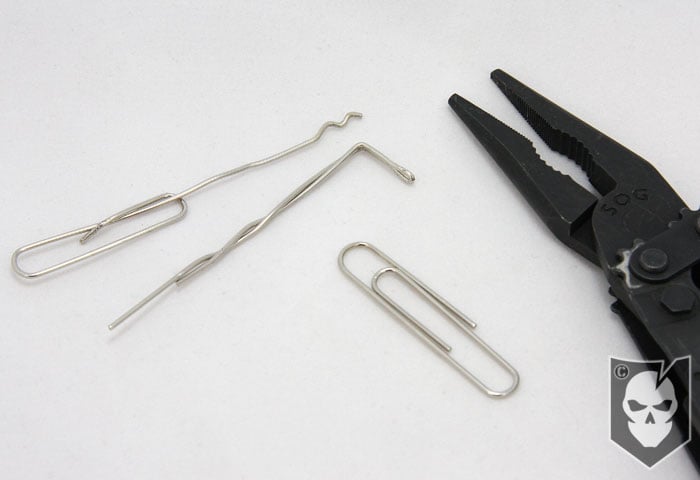
Sliding windows often utilize pin-tumbler cylinders or simple lip latches. You can bypass both systems without a key by understanding their mechanical weaknesses.
Pick Pin-Tumbler Cylinders with Paper Clips
This method replicates a key using two modified paper clips to manipulate the internal pins of the lock cylinder.
Tools:
* 2 metal paper clips
* Pliers (for shaping)
Preparation:
1. Straighten one paper clip completely to serve as a tension wrench.
2. Bend one end of the second clip to a 30–45 degree angle to create a pick.
Steps:
1. Insert the straight tension wrench into the top of the keyhole and apply light clockwise pressure.
2. Insert the bent pick into the lower part of the cylinder to touch the detainer pins.
3. Flick each pin upward with small motions until you feel a click as it sets.
4. Rotate the tension wrench once all pins are set to turn the cylinder and disengage the lip.
🛠️ Troubleshooting: If the lock stalls, reduce your tension. Over-tightening the wrench often resets the pins and requires starting over.
Disengage Flexible Lip Latches Manually
Older sliding windows often use a plastic lip that catches on the frame, which can be manipulated by flexing the window sash.
Steps:
1. Slide the window firmly into the closed position to create maximum frame flex.
2. Pull the frame toward you gently while twisting the lock mechanism.
3. Press on the back of the lock assembly to push the plastic lip away from the aluminum frame.
4. Push the lock in slightly, then pull back to free the lip from the catch.
5. Slide the window open once the latch clears the frame.
💡 Pro Tip: This technique works best on older aluminum frames that allow slight micro-movement when pushed.
Replace Faulty Locks After Gaining Access

Gaining entry is only half the battle. You should replace faulty locks immediately to ensure security and prevent future lockouts.
Source the Correct Replacement Model
Local hardware stores often lack specific window lock models, requiring you to seek specialty vendors.
- Take a clear photo of your current lock mechanism.
- Contact specialty vendors who can identify replacements from images.
- Order the exact match to avoid fitting issues.
Compare Repair Costs
Replacing the lock yourself is significantly cheaper than hiring professional help for simple mechanical failures.
| Option | Estimated Cost |
|---|---|
| DIY Lock Replacement | $10 – $20 |
| Single Locksmith Visit | $150 – $250 |
| Bulk Replacement (5 locks) | ~$80 each |
💬 Bottom Line: Replacing the lock yourself saves over 80% compared to a professional service call.
Diagnose Your Specific Window Problem
Use this quick reference table to match your symptoms to the correct solution before attempting any fixes.
| Symptom | Likely Cause | Best Tool | Action Required |
|---|---|---|---|
| Button won’t press | Jammed push-button | Belt clip | Press internal release down |
| Button broken | Damaged mechanism | Thin knife | Bypass button, press inside |
| Handle stuck, won’t move | Failed upward lift | Credit card | Insert from top, lift up |
| No key for sliding lock | Pin-tumbler lock | 2 paper clips | Pick pins with tension |
| Lip won’t release | Flexible latch | Hands | Flex frame, push/pull lock |
| Window won’t budge | Frozen or warped | None | Stop and call a pro |
Know When to Call a Professional
Attempting to force a window can lead to broken glass, injured hands, or costly frame repairs. Stop immediately if you encounter specific warning signs.
Do not attempt DIY fixes if:
* The window is frozen shut or covered in frost.
* The frame appears warped or structurally damaged.
* The lock mechanism is shattered or broken internally.
* The system uses complex multi-point locking or deadbolts.
* You are working at height or near electrical hazards.
🚨 Rule of Thumb: If you feel strong resistance that does not give after two or three gentle attempts, stop. Forcing it leads to expensive damage.
Frequently Asked Questions About Window Locks
Can I open a window lock with a credit card?
Yes, but only for UPVC handles that require an upward lift or simple spring latches. You must tape the edges and insert the card from the top to mimic the lifting motion of the internal mechanism.
What household tools work best for stuck window handles?
A measuring tape belt clip is ideal for push-button handles, while a plastic scraper or taped credit card works best for UPVC lifts. Paper clips are effective for picking simple sliding window cylinders.
Why won’t my UPVC window handle turn?
UPVC handles usually fail because the internal mechanism requires an upward lift to unlock, not just a turn. Dirt, debris, or misalignment often prevents this lift, requiring manual intervention to free the latch.
Is it cheaper to replace a window lock myself?
Replacing a lock yourself typically costs between $10 and $20, whereas a locksmith visit can range from $150 to $250. DIY replacement saves significant money if the damage is not structural.
When should I stop trying to open a locked window?
Stop immediately if the window is frozen, the frame is warped, or you feel excessive resistance. Forcing these situations can crack the glass or break the frame, requiring professional repair.
Key Takeaways for Opening Your Window Lock
Mastering how to open a window lock empowers you to handle emergencies and minor mechanical failures without panic or expense. By identifying your lock type and using the correct tool, such as a belt clip for push-buttons or a scraper for UPVC lifts, you can resolve most jams in minutes.
Remember that patience and gentle pressure are more effective than brute force. If these methods do not work, or if you suspect structural damage, calling a professional is the safest and most cost-effective choice in the long run.